The best part of this Puno to Cusco trip is that the long transfer becomes the day’s main event. You cross the Andes with a guide, stopping at Pucara, the high pass of Abra La Raya, Raqchi’s monumental temple, and a church famed for its painted interior.
I like the comfortable bus and well-spaced stops, which break up nearly eleven hours on the road, and the chance to see places you would likely miss on a direct ride. The main caveat: the $44 fare does not cover 53 soles in site-entry fees, and time at each stop is limited.
- At a glance
- A scenic transfer with four worthwhile stops
- Pucara: an early chapter in Andean history
- Abra La Raya: a short pause at the high pass
- Lunch in Marangani: a welcome reset
- Raqchi: the route’s monumental Inca site
- Andahuaylillas: a modest exterior, an ornate interior
- Comfort matters on an eleven-hour day
- What the fare covers, and what it does not
- Who should choose this route?
- Practical details before you book
- Should you book it?
- FAQ
- How long is the tour from Puno to Cusco?
- Where does the tour start?
- Where does the tour end?
- Which stops are included?
- Are entrance fees included?
- Is lunch included?
- What languages are available for the guide?
- What is included on the bus?
- The Best Of Puno!
- More Lunch Experiences in Puno
- More Tours in Puno
- More Tour Reviews in Puno
- Not for you? Here's more nearby things to do in Puno we have reviewed
At a glance
 1 / 8
 2 / 8
 3 / 8
 4 / 8
 5 / 8
 6 / 8
 7 / 8
 8 / 8
- Pucara’s museum introduces an early Andean settlement in the Titicaca basin, but entry costs extra.
- Abra La Raya offers a brief mountain-view stop at the high point between Puno and Cusco.
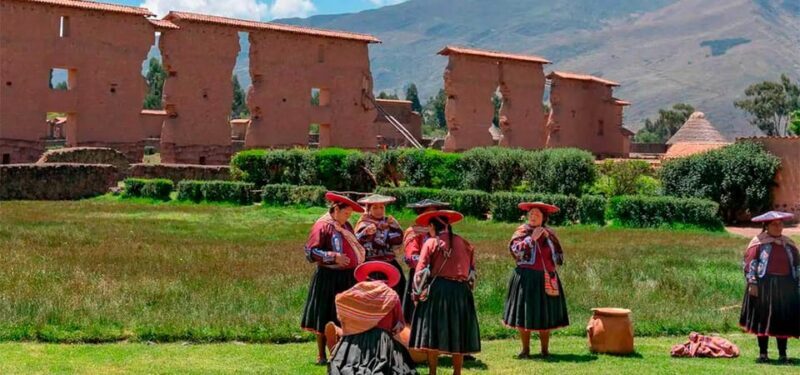
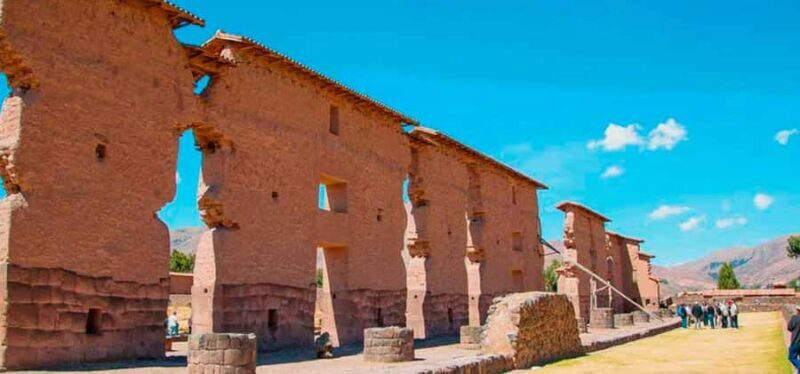
- Raqchi is the tour’s most imposing archaeological stop, with the Temple of Wiracocha’s 15-meter walls.
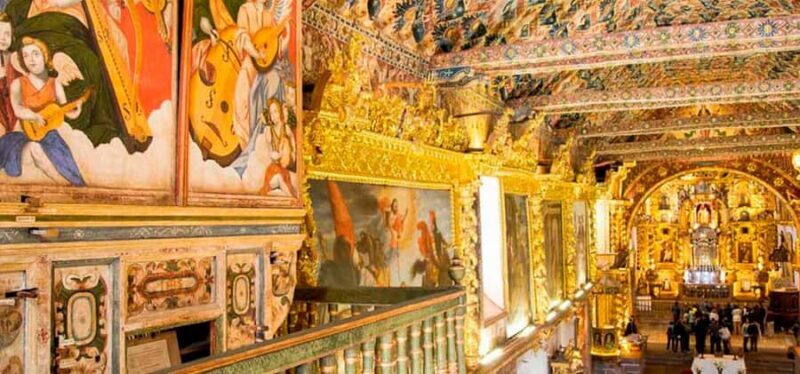
- Andahuaylillas Church saves an ornate interior for the last major visit of the day.
- Lunch and onboard comforts make the long transfer easier, with a buffet, bathroom, drinks, and oxygen on the bus.
- You arrive at Cusco’s bus terminal, not at your hotel, so plan your onward ride.
👉 See our pick of the 25 Best Tours In Puno
A scenic transfer with four worthwhile stops
This is a full-day bus tour from Puno to Cusco, not a quick sightseeing loop. The advertised schedule runs from a 6:40 a.m. departure to an arrival around 5:30 p.m., for roughly eleven hours in all. You meet at Terminal Terrestre Puno and finish at Cusco’s bus station on Av. Alameda Pachacuteq.
The route turns travel time into a guided introduction to the region. You get a climate-controlled bus, bilingual guiding in English and Spanish, a buffet lunch, drinks and hot herbal infusions onboard, and a clean bus bathroom. The bus also carries an oxygen tank, a useful provision on a route that reaches high elevations.
The value is strongest if you want to see more than the road between the two cities. A direct bus gets you there, but this outing adds four stops and guided context for $44 per person. Just budget separately for the entry fees at Pucara, Raqchi, and Andahuaylillas, listed together as 53 soles, and for breakfast, which is not included.
You can also read our reviews of more tours and experiences in Puno
Pucara: an early chapter in Andean history
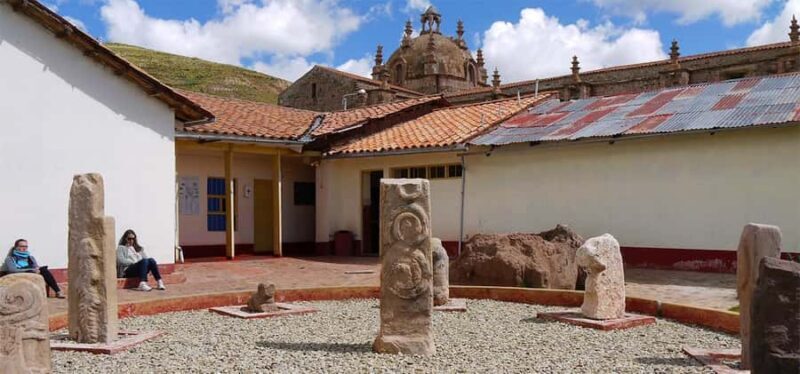
The first main stop is Pucara, where you spend about 45 minutes at the Lithic Museum. The town was the site of a major settlement in the Titicaca basin during the Late Formative Period, from 500 BC to 200 AD. Its remains point to a sizable community, with people working as farmers, artisans, herders, priests, and administrators.
That context makes this more than a quick photo stop. The guide can help you connect the museum displays to the area’s early societies, before the Inca period most visitors know best. If you enjoy archaeology, this is a useful first stop; if you prefer ruins you can walk through, note that this part is a museum visit rather than a long exploration of a site.
Museum entry is not included. Carry the extra soles, or be ready to wait while the rest of the group goes in. The schedule is compact, so treat Pucara as an introduction rather than a deep visit.
Abra La Raya: a short pause at the high pass
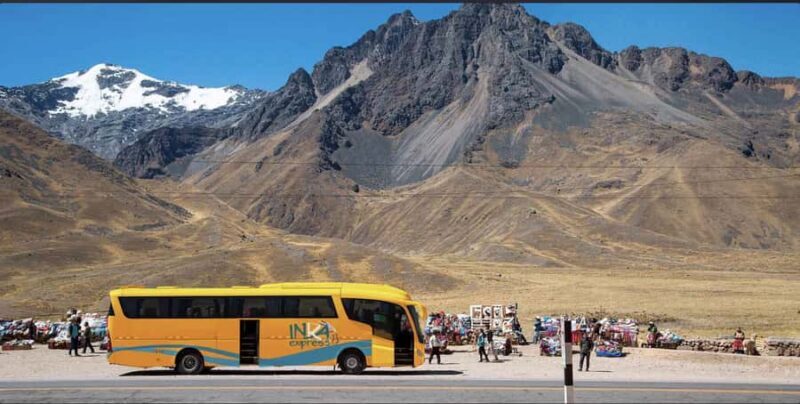
At around 11 a.m., the bus stops at Abra La Raya, the high point on the route between Puno and Cusco. You’ll have about ten minutes to step out, take photos, and look across the surrounding Andes. It is a quick stop, not a hike or a long viewpoint visit.
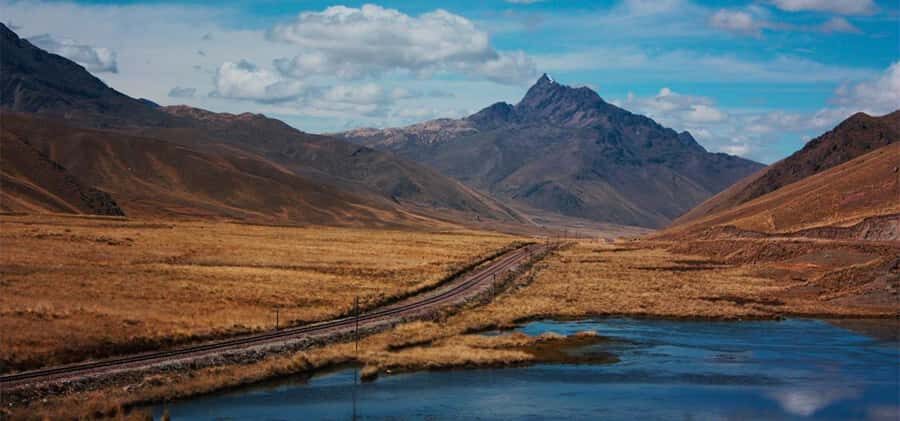
The pass matters as more than a scenic photo opportunity: it marks the watershed dividing the Puno and Cusco regions. If you’re already feeling the altitude, keep your pace easy and use the pause to take in the view without rushing around. The bus carries an oxygen tank, but that is an emergency provision, not a substitute for taking altitude seriously.
Lunch in Marangani: a welcome reset
Around 11:35 a.m., the group stops for a buffet lunch in Marangani, near Sicuani. The meal includes choices such as beef, chicken, and fish, plus side dishes, warm and raw salads, desserts, and herbal infusions. You have about 50 minutes, making this a practical refuel rather than a leisurely restaurant stop.
A buffet suits a mixed group well: you can choose what appeals to you and get back on the road without waiting for individual meals. The quality may feel fairly ordinary if you’re comparing it with a destination meal, and the stop can feel rushed when several bus groups arrive at once. I’d go in expecting convenience and variety, not a culinary highlight.
Breakfast is not included, so eat before departure or make your own plan. Onboard drinks include Coca-Cola, Inca Kola, mineral water, coffee, tea, coca tea, and other herbal infusions. Those small comforts help on a long day, especially if you want something warm between stops.
More Great Tours NearbyRaqchi: the route’s monumental Inca site
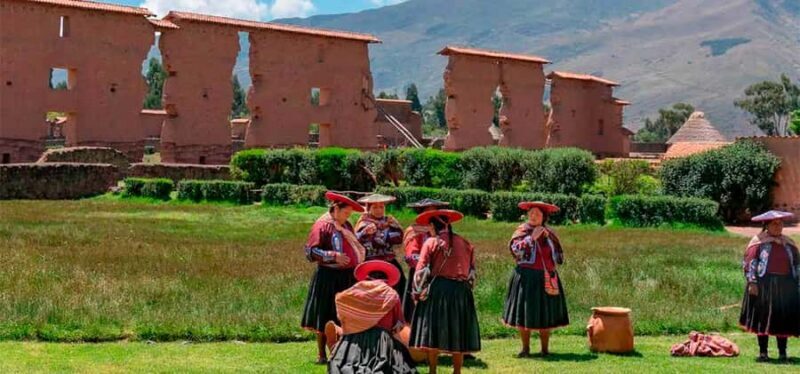
Raqchi is the stop to watch for if grand architecture is what draws you to Peru. Its Temple of Wiracocha was dedicated to a supreme Andean deity, and its surviving walls rise about 15 meters. The site’s scale gives you a stronger sense of Inca building than a passing glimpse through a bus window could offer.
The tour includes a guide at the complex, and the visit is part of the day’s longer archaeological stretch. You’ll have time to see the main features and hear about the site’s cultural meaning, but not unlimited time to wander at your own pace. That trade-off is part of the deal: the route covers several places in one day, so each visit is a sampler.
Entry to the Raqchi complex costs extra and is included in the combined 53-sol fee for the three paid sites. If you want souvenirs, one useful tip is to look at the crafts sold in Pucara or Raqchi before reaching Cusco. Prices and quality can be more appealing than the tourist goods commonly found in the larger city, though it is still worth comparing before buying.
You can also read our reviews of more tours and experiences in Puno
Andahuaylillas: a modest exterior, an ornate interior
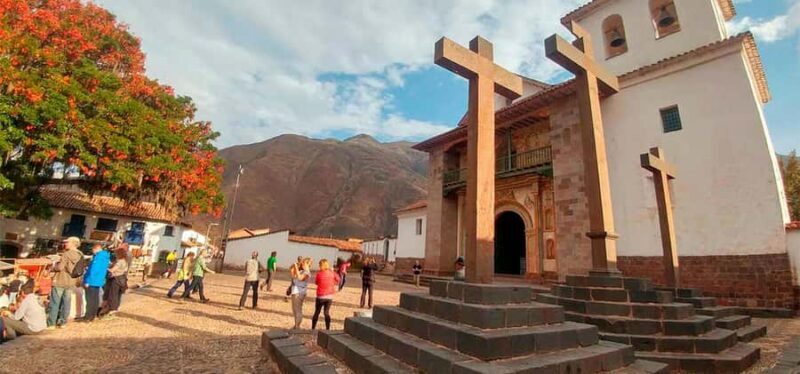
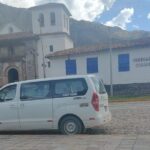
The final major stop is the village of Andahuaylillas and its 16th-century Church of Saint Peter the Apostle. From outside, the church may look unassuming. Inside, gold leaf, murals, and elaborate decoration make it one of the day’s most striking contrasts.
You spend about 45 minutes here, with a local guide included. That is enough to appreciate the painted interior and learn why the church has earned a reputation for its art, though anyone who likes to study details slowly may wish for more time. As with the other paid sites, entry is extra and falls under the 53-sol total.
The church also makes a fitting final stop: after hours of open mountain views and archaeological remains, you step into a richly decorated interior before continuing to Cusco. Keep your camera expectations in check and follow any local rules about photography inside.
Comfort matters on an eleven-hour day
The bus is a big part of the experience, not just the means of getting there. The vehicle is climate-controlled, with reclining seats and a bathroom onboard. People who have taken this route have also highlighted generous legroom, power outlets on some buses, and a smooth ride, but specific features can vary, so don’t count on every bus having every extra.
The guide’s role helps the hours pass. Guides such as Elisabeth, also called Ellie, Manuel, and Juan Carlos have been praised for clear English, cultural explanations, and practical help. Your assigned guide will vary, but the tour is offered in English and Spanish. The driver matters too on a long mountain route, and the bus is described as clean and professionally driven.
The schedule is organized, but it is still a long road day. Bring layers for changing conditions, water for the stretches between stops, and any personal medication you need. The supplied information does not specify group size, so don’t assume this will feel like a private tour.
What the $44 fare covers, and what it does not
At $44 per person, the price is attractive for a guided transfer with four stops, lunch, and onboard drinks. It is particularly good value if you planned to travel between Puno and Cusco anyway and would otherwise pay for a direct ride without seeing the intervening sites.
The key extra cost is 53 soles for entries to Pucara Museum, the Raqchi complex, and Andahuaylillas Church. These fees are paid in person. They are not optional in the sense of being easy to skip while staying with the group: if you decide not to enter, expect to wait while the others visit. Add your Puno transport to the terminal, breakfast, and your own ride from the Cusco bus station to your hotel.
The tour offers free cancellation up to 24 hours in advance and a reserve-now, pay-later option. Those terms can help if your plans are still shifting, but the practical choice comes down to whether you want a full day of guided stops rather than the quickest possible transfer.
Who should choose this route?
I’d choose it if you want a more interesting way to travel between Puno and Cusco, enjoy history and archaeology, and are happy to spend most of a day on a bus. It suits people who value having the route explained and appreciate the convenience of lunch, drinks, and a bathroom onboard.
It is less suited to anyone who wants to reach Cusco quickly, linger for hours at each site, or avoid extra entry costs. The stop at Abra La Raya is brief, and the museum, ruins, and church visits are paced to fit a full transfer day. You’ll see a good cross-section of the route, but this is an overview, not a substitute for a slower visit to each place.
Practical details before you book
Be at Terminal Terrestre Puno for the stated 6:40 a.m. departure. The bus can be hard to spot at a busy terminal, so arrive early and look carefully for the InkaExpress booth or bus rather than assuming someone will find you. Bring your booking details and enough time to confirm where to board.
At the other end, the tour drops you at the bus terminal at Av. Alameda Pachacuteq 499-B. Hotel drop-off in Cusco is not included. Arrange a taxi or other onward transport, particularly if you are arriving with large bags or have a tight evening plan.
The fare includes the guided stops and lunch, but not breakfast or the site fees. If you have dietary needs, the listed buffet offers meat and fish choices as well as sides and salads, but no special dietary menu is specified. You can ask the provider before booking if you need details beyond what is confirmed here.
Should you book it?
Book this if you’re traveling from Puno to Cusco and want the journey itself to count as sightseeing. The combination of Pucara, the high pass, Raqchi, and Andahuaylillas gives the day real variety, while the comfortable bus and included lunch make the long ride manageable.
Skip it if speed matters more than stops, or if you want to explore each place at your own pace. For most people with a day to spare, though, the $44 fare offers a useful blend of transport, history, and mountain scenery, provided you budget for the 53 soles in admissions and arrange your own Cusco hotel transfer.
Puno: Full-Day Route of the Sun Tour to Cusco with Lunch
FAQ
How long is the tour from Puno to Cusco?
The tour lasts about 11 hours. The listed schedule departs Puno at 6:40 a.m. and arrives in Cusco at about 5:30 p.m.
Where does the tour start?
Meet at Terminal Terrestre Puno. Transport to the meeting point is not included.
Where does the tour end?
It ends at the Cusco bus terminal at Av. Alameda Pachacuteq 499-B. Hotel drop-off is not included.
Which stops are included?
The route includes the Pucara Museum, Abra La Raya, a buffet lunch stop in Marangani near Sicuani, Raqchi, and Andahuaylillas Church.
Are entrance fees included?
No. Entry to Pucara Museum, the Raqchi complex, and Andahuaylillas Church costs 53 soles in total, paid in person.
Is lunch included?
Yes. The tour includes a buffet lunch with options such as beef, chicken, and fish, plus sides, salads, desserts, and herbal infusions.
What languages are available for the guide?
Live guiding is available in English and Spanish.
What is included on the bus?
The tour includes climate-controlled transportation, a bathroom, drinks and herbal infusions, and an oxygen tank. The bus also takes you to the Cusco bus station at the end.
You can check availability for your dates here: