Merzouga’s Erg Chebbi dunes are the main event: you ride a camel out for sunset, sleep at a desert camp and rise early for the Sahara at dawn. The journey also takes you through the High Atlas, past Ait Ben Haddou and into Todra Gorge, so the desert is only one part of the story.
I like the contrast between the big landscapes and the small cultural moments, from exploring a fortified village to hearing Berber drums at camp. I also like that the price includes two nights’ lodging, dinners, breakfasts, transport and camel treks, which makes the $147 fare a strong value if you are comfortable with basic conditions.
The trade-off is substantial time on the road, especially on the final day. This is a packed three-day outing, not a slow desert stay, and comfort can vary between the first-night hotel and the camp.
- At a glance: what matters most
- Crossing the High Atlas to Ait Ben Haddou
- Todra Gorge and the road to Merzouga
- Sunrise in the dunes, then a long ride home
- What the 7 price buys
- Drivers, group size and useful preparation
- Is this the right three-day Sahara trip for you?
- FAQ
- What is included in the 7 price?
- Are lunches and drinks included?
- How long is the drive back to Marrakech?
- Is a guide included at Ait Ben Haddou?
- What should I bring?
- Which languages are available?
- Is this tour suitable for people with mobility issues?
- More 3-Day Experiences in Marrakesh
- More Tours in Marrakesh
- More Tour Reviews in Marrakesh
- Not for you? Here's more nearby things to do in Marrakesh we have reviewed
At a glance: what matters most
 1 / 7
 2 / 7
 3 / 7
 4 / 7
 5 / 7
 6 / 7
 7 / 7
- A camel ride into Erg Chebbi: Set out for sunset among Morocco’s high dunes, then get up early for sunrise.
- Ait Ben Haddou on the way south: Explore the UNESCO-listed fortified village, with a local guide available for an extra €2 per person.
- Two very different nights: Sleep in a hotel near Dades on night one, then at a desert camp near Merzouga on night two.
- A long drive each way: The High Atlas, valleys and gorges break up the route, but you should still expect plenty of time in the minivan.
- A value-minded price: At $147 per person, the package includes transport, two breakfasts, two dinners, lodging and camel treks. Lunch and drinks cost extra.
- Guide quality can shape the trip: Omar, Ahmed, AbdouL, Farid and other guides have been praised for safe driving, clear communication and thoughtful help.
Crossing the High Atlas to Ait Ben Haddou
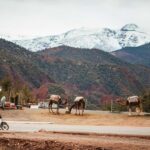
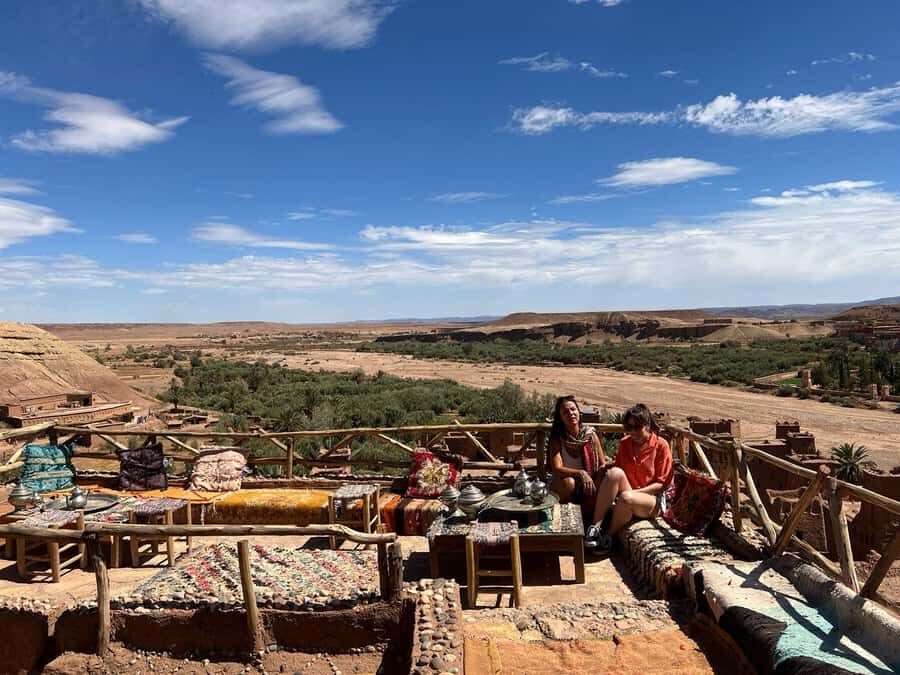
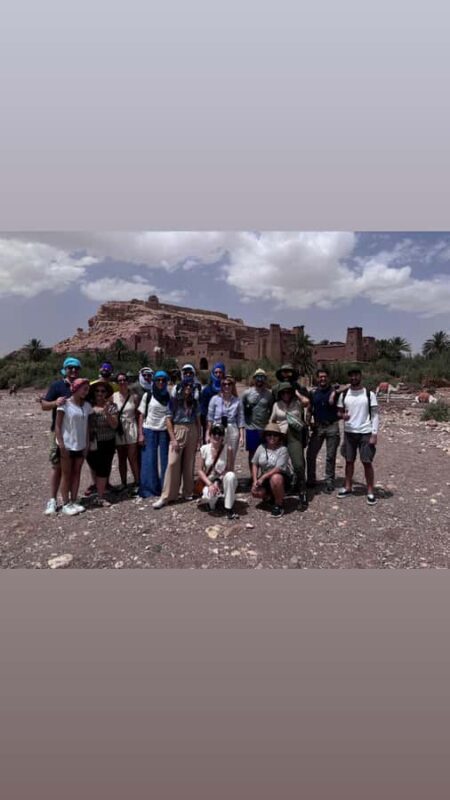
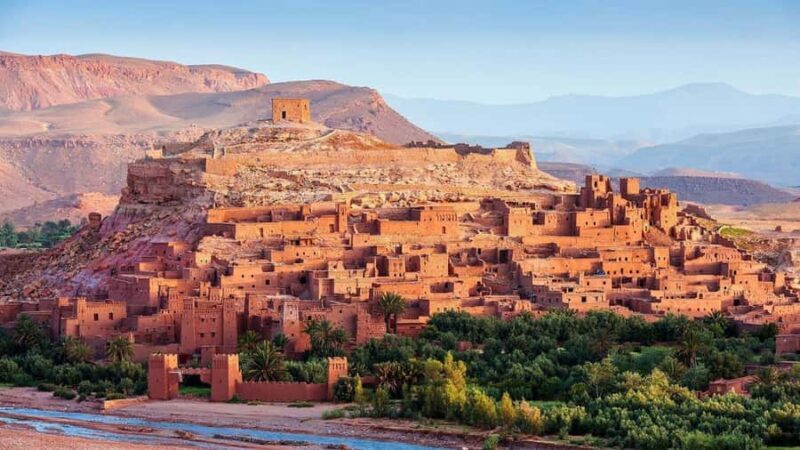
The first day starts with a drive from Marrakech across the High Atlas Mountains. The road passes Berber villages and mountain scenery before reaching Ait Ben Haddou, a fortified earthen village recognized by UNESCO. Its kasbah and compact lanes give you a glimpse of traditional architecture, while its appearances in films and photo shoots add a dash of screen lore.
You get leisure time to look around, then stop for lunch at a local restaurant. A local guide is not included, but one is available for an extra €2 per person. If you want more than a quick walk through the lanes, that modest extra may help put the village’s buildings and history into context. Lunch is also on your own, so allow for that additional cost.
The route continues through Ouarzazate, often called the Gate of the Sahara, before following the Dades Valley toward Boumalne Dades. The changing terrain is part of the appeal: high mountain passes give way to drier country, and the road itself becomes a steady series of views. Still, this is a transfer day with sightseeing stops, not a leisurely walking tour. You will spend a good part of it in the vehicle.
Dinner and your first overnight stay are included at a hotel in the Dades area. The hotel is practical, but you should not assume it will feel luxurious. The value here is having a bed and a meal before the next day’s drive, not a resort-style pause.
You can also read our reviews of more tours and experiences in Marrakesh
Todra Gorge and the road to Merzouga
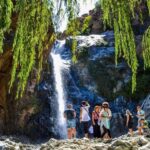
After breakfast, you drive toward Tinghir and Todra Gorge. Here, steep canyon walls narrow around the route, making a striking contrast with the open mountain and desert country you have crossed. You get free time to explore, then stop for lunch at a local cafe. As with the first day, lunch and drinks are not included.
The stop is a welcome chance to stretch your legs, but it is not a long visit. The tour has a fixed destination farther east, and the schedule needs to carry you to Merzouga in time for the camel ride. Traditional Berber villages around the gorge add a human scale to the scenery, though the supplied itinerary does not promise a guided village visit.
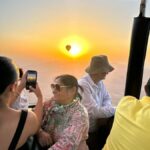
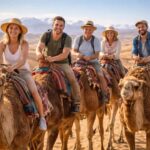
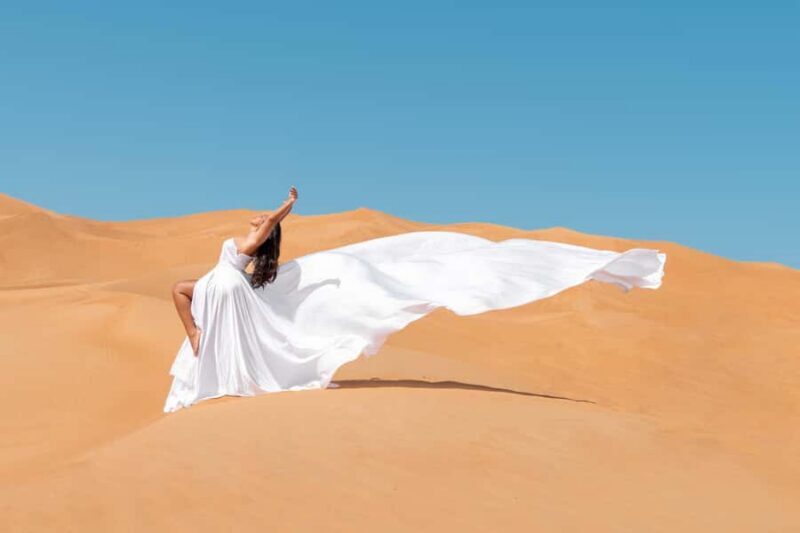
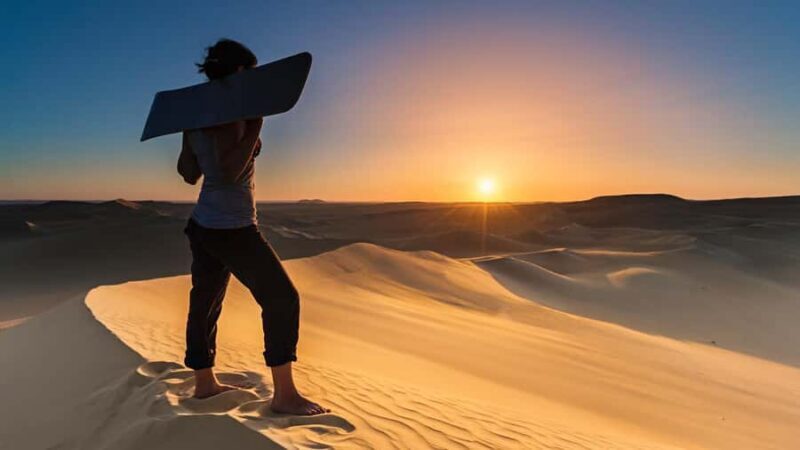
By afternoon, the road reaches Merzouga and the edge of Erg Chebbi. You meet the camel caravan and ride into the dunes for sunset. The camel trek is the defining moment for many people: the dunes rise around you, the town falls away, and the light changes as the sun drops. It is a memorable way to enter the desert, but it is still a camel ride, so comfortable clothing and practical footwear matter.
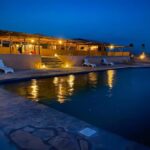
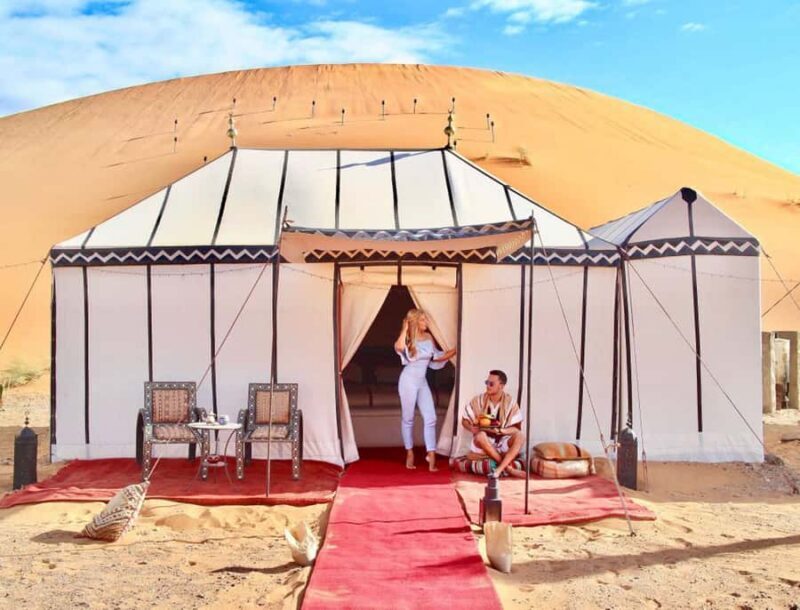
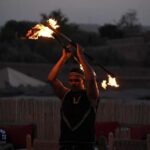
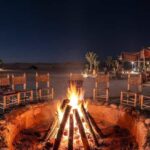
The camp stay includes dinner, music and Berber drumming. Local nomads show you how to play the traditional Tam Tam drums, adding a participatory note to the evening rather than making it only a meal and a night’s sleep. The basic package includes a desert camp night; a luxury private tent is included only if you choose that option. One visitor praised the luxury tent’s comfort, while also noting that water in the tent bathroom did not run well. In the desert, even a higher-priced tent may not deliver hotel-level plumbing.
Sunrise in the dunes, then a long ride home
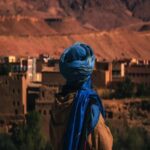
The final day begins early. The schedule calls for a sunrise camel trek in Erg Chebbi, followed by breakfast. The dawn ride is worth planning around: the first light gives the dunes a different look from sunset, and it is the best reason to accept an early start after a night at camp. Bring warm clothing, since desert nights and early mornings can be cold outside the height of summer.
After breakfast, a driver takes you back toward Marrakech. There is a lunch stop at a local restaurant, but lunch remains an extra expense. The return journey is long, with a halfway break, and drop-off is expected around 7:30 PM at your original pickup point or near Djemaa El Fna. One person’s chief complaint was the amount of time spent in the vehicle on this final day. If you enjoy road trips, the changing views help. If you need frequent stops or dislike long drives, this is the trip’s clearest drawback.
The route and schedule are demanding because Merzouga is far from Marrakech. You are covering a lot of ground in three days, not spending three days in the desert. I would not book this expecting hours to wander the dunes at your own pace or a second night under the stars. For more time in Merzouga, a longer itinerary would make better sense.
What the $147 price buys
At $147 per person, the tour bundles several costly pieces of a desert trip: air-conditioned minivan transport, a driver-guide, one hotel night, one camp night, two dinners, two breakfasts, luggage service and sunset and sunrise camel treks. Berber music and drumming are included too. That is a good amount of core travel and activity for the price, especially if you want someone else to arrange the long route.
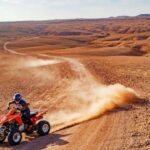
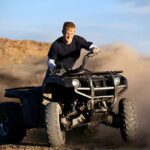
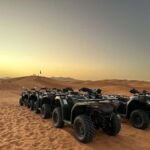
But the headline price is not the full trip budget. You pay separately for lunches and drinks, and the Ait Ben Haddou guide costs an extra €2 per person if you want one. Optional activities such as quad biking may also require cash if they are offered. Bring some cash for these extras, but do not feel that every optional activity is essential: the camel rides and camp night already provide the central desert experience.
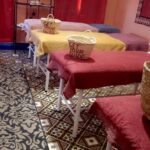
The basic camp option and the luxury private tent are not the same thing. The luxury tent is included only when that option is selected, so check your chosen accommodation before booking. If you value privacy and extra comfort, paying for the upgrade may suit you. If your priority is getting to the dunes at the lowest price, the standard camp may be enough, provided you are flexible about facilities.
The hotel on night one and the camp on night two are included, but the package should be judged as a route and activity bundle rather than a comfort holiday. Food standards can vary on the road, and basic accommodation is part of the bargain. The strongest value comes from the camel rides, the desert night and having transport arranged across a wide stretch of Morocco.
Drivers, group size and useful preparation
The driver-guide has an outsized role on this trip. You spend hours together in the vehicle, and safe, calm driving makes a real difference. Omar, Ahmed, AbdouL and Farid have been singled out for professionalism, care and helpful explanations. Omar has also been praised for sharing local history and anecdotes, while AbdouL was noted for smooth driving and making people feel safe. The guide assigned to your departure may differ, but these names give a sense of what a strong guide can add.
The tour is available as a private or small-group outing, and live guiding is offered in Arabic, English, Spanish, French and Portuguese. A smaller group can make stops and communication feel more personal, though the exact group size is not specified. Pickup is from your accommodation in Marrakech or a nearby accessible point. Wait in the hotel lobby or just outside the agreed spot so the driver can find you.
Pack for both sun and cold. Sunglasses, a sun hat and sunscreen are useful on exposed stretches, while warm clothing matters at the camp and before sunrise. Comfortable footwear will help at Ait Ben Haddou and Todra Gorge. Bring your passport, and keep essentials close at hand during the transfers.
This trip is not suitable for people with mobility issues and is listed as unsuitable for people over 70. Camel riding, uneven ground and long periods in a vehicle make those limits worth taking seriously. If you have mobility concerns, check with the provider before booking rather than assuming the stops or camel trek can be adapted.
Is this the right three-day Sahara trip for you?
Book it if you want a reasonably priced first taste of the Sahara and can accept long drives, simple lodging and a brisk schedule. You get a strong mix of mountain scenery, Ait Ben Haddou, Todra Gorge and Erg Chebbi, with a sunset camel ride, a camp night, dinner and music, then a sunrise outing before the return journey.
Skip it if your priority is comfort at every stop, extensive time in the dunes or a relaxed pace. The final day is especially road-heavy, and the first-night hotel and camp facilities may feel basic. If you are adaptable and see the journey itself as part of the experience, the price buys a memorable route and a night in the desert. If you want the Sahara without the rush, choose a longer trip.
Marrakesh: 3-Day Tour To Merzouga Desert 2N
FAQ
What is included in the $147 price?
The tour includes pickup and drop-off, air-conditioned minivan transport, a driver-guide, one hotel night, one desert camp night, two dinners, two breakfasts, luggage service, sunset and sunrise camel treks, and Berber drumming and music. A luxury private tent is included only if you select that option.
Are lunches and drinks included?
No. Lunches and drinks are not included, so budget for them during the route.
How long is the drive back to Marrakech?
The return drive takes most of the third day. There is a lunch stop, and drop-off is expected around 7:30 PM at your original departure point or near Djemaa El Fna.
Is a guide included at Ait Ben Haddou?
A driver-guide is included for the tour, but a local guide in the kasbah is an extra charge of €2 per person.
What should I bring?
Bring your passport, sunglasses, a sun hat and sunscreen. Warm clothing is recommended for cold desert nights, along with comfortable footwear for exploring.
Which languages are available?
Live guides are listed in Arabic, English, Spanish, French and Portuguese.
Is this tour suitable for people with mobility issues?
No. The tour is listed as unsuitable for people with mobility issues and for people over 70.
You can check availability for your dates here: