Oslo’s main sights are spread across parks, palace grounds, waterfront paths, and city streets, so an electric bike is a smart way to link them in three hours. You’ll ride from the medieval ramparts of Akershus Fortress to the grand sweep of Karl Johans Gate, then finish by the fjord.
I like two things in particular: the route combines central sights with green spaces you might not reach on foot, and the guide adds local history and practical tips as you go. The e-bike also keeps the ride comfortable if you’re not keen on pedalling up even a modest hill.
One consideration: this is an overview, not an in-depth visit to every stop. You’ll have time to get off the bike, hear a short explanation, and look around, but you may want to return to favorites afterward. The Opera House is not included as a stop.
- The ride at a glance
- From central Oslo to Christiania Torv
- Akershus Fortress and the city’s harbor edge
- City Hall and the Nobel Peace Prize setting
- Karl Johans Gate and the Royal Palace
- Frogner’s neoclassical streets and sculpture park
- Aker Brygge and the final fjord ride
- Is the fare good value?
- Who should book this Oslo bike tour?
- FAQ
- How long is the tour?
- Where does the tour start and finish?
- What is included in the price?
- Can someone in my group ride a standard bike?
- What age do you need to be to ride an electric bike?
- Does the tour run in the rain?
- The Best Of Oslo!
- More Cycling Tours in Oslo
- More Tours in Oslo
- More Tour Reviews in Oslo
- Not for you? Here's more nearby things to do in Oslo we have reviewed
The ride at a glance
- Akershus Fortress: Get off the bike for a short walk along the ramparts of Oslo’s medieval and Renaissance castle.
- A local guide: Guides such as Patrick, Laura, Leo, and Curtis lead the English-language tour, sharing history and present-day context.
- A mostly easy route: Expect about seven miles of riding, mainly on flat streets, paths, and park routes, with a few small hills.
- Frogner Sculpture Park: The tour makes time to look around this major park and its famous sculptures.
- A flexible bike option: Standard-bike riders can join the same tour, but electric bikes are only available to people aged 16 and over.
- A useful first-day plan: The route gives you a broad sense of the city and helps you decide where to spend more time later.

👉 See our pick of the 8 Best Historical Tours In Oslo
From central Oslo to Christiania Torv
The tour starts at Nedre Slottsgate 4, about a 10-minute walk from Oslo Central Station. You get a comfortable city e-bike, helmet, and gloves if needed, then head out with an English-speaking guide. The meeting point is convenient if you’re arriving by train or staying in the central area.
Christiania Torv is an early stop for a short introduction to Oslo’s past. Here, the guide explains the role of King Christian IV and the changes that followed the great fire of 1624. It’s useful context before you ride through a city whose older story and modern character sit close together.
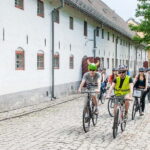
The first stretch also gives you a chance to settle into the bike and the group’s pace. The ride is generally relaxed, but it’s still a city tour: you’ll travel on a mix of car-free paths, promenades, and streets. The guide keeps an eye on the group, and you should follow instructions at crossings and when setting off again.
You can also read our reviews of more cycling tours in Oslo


Akershus Fortress and the city’s harbor edge
Akershus Fortress is one of the tour’s best stops because you leave the saddle and walk along the ramparts. The medieval and Renaissance castle grounds offer a different perspective from the central streets, with views toward the harbor and Oslo Fjord. You won’t have time for a full, unhurried visit to every part of the fortress, but the short walk adds welcome variety to the ride.
This is a good point to take photos and listen to the guide’s account of the site. The contrast between the old defensive walls and the waterfront beyond them helps put Oslo’s growth into view. If the fortress is high on your list, plan to come back on your own for a longer visit.
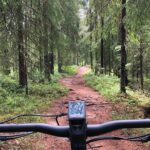
The route also gives you glimpses of the harbor, islands, and forested hills around the fjord. These views are part of what makes cycling a useful way to see Oslo: you move between the built-up center and open waterside spaces without spending the whole tour in traffic.
City Hall and the Nobel Peace Prize setting
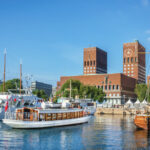
Oslo City Hall Square is pedestrianized, making it a comfortable place to stop and take in the surroundings. The square is associated with the annual Nobel Peace Prize ceremony, and the guide can give you the setting’s civic and cultural context. It’s an easy stop to appreciate even if you haven’t planned a separate visit to the City Hall.
The tour’s city-center stops are relatively brief. That’s the trade-off for covering several districts in three hours: you get orientation and a few minutes to look around, rather than a deep visit inside each building. Use the guide’s explanation to note which places you’d like to revisit.
The schedule may vary a little with the group and conditions, so don’t expect a museum-style sequence with long time at every stop. The value is in seeing how these public spaces connect, and in getting a first sense of the city’s layout.
Karl Johans Gate and the Royal Palace
Karl Johans Gate is Norway’s best-known boulevard and the grand route through the city center. As you ride along it, you pass the Parliament, National Theater, and University before reaching the Royal Palace. The guide connects the buildings with Norwegian history and, in some tours, current politics and economics.
The Royal Palace is home to Norway’s current royal family. You’ll see it from the outside, then ride downhill through the palace gardens. That descent is a pleasant change of pace and one reason the electric bike works well here: you can enjoy the route without worrying much about the small rises elsewhere.
The guides are a central part of the tour’s appeal. Patrick, Laura, Leo, Curtis, and other guides have led groups along this route, and the tour works best when you enjoy a running commentary rather than simply riding from one photo stop to the next. You can expect a mix of history, anecdotes, and practical suggestions for places to eat or drink. The guide’s style will vary, but the stops leave room for questions.
More Great Tours NearbyFrogner’s neoclassical streets and sculpture park
From the palace area, the route continues through Frogner, a handsome neoclassical neighborhood, toward Frogner Park. The change of scene is part of the appeal: after central streets and government buildings, you’re cycling through a more residential district before reaching a large green space.
Frogner Sculpture Park is a highlight, and the park is also known as Vigeland Park. The tour gives you time off the bike to explore the sculptures, rather than just passing through. For many people, this is the stop that makes the route feel like more than a quick circuit of city-center landmarks.
Still, a short park visit can only introduce the place. If you want to take your time with the sculptures, sit for a while, or wander farther through the grounds, return later without the group. The tour helps you discover the park and decide what you’d like to see more closely.
You can also read our reviews of more tours and experiences in Oslo





Aker Brygge and the final fjord ride
The ride leaves Frogner on a long downhill stretch toward Oslo Fjord, where you visit a distinctive building set over the water. The building is described as a special stop, but the route does not include the Oslo Opera House. If that’s on your must-see list, plan a separate visit.
A final stretch through Aker Brygge’s pedestrian shopping district brings you back to the starting point. It’s a fitting end to a route that has moved from the old fortress to the palace, parkland, and waterfront. You finish with a better sense of how Oslo’s central neighborhoods fit together, rather than just a collection of disconnected sights.
The full route covers about seven miles, though the pace is broken up by stops and short walks. One useful detail: the standard-bike and electric-bike tours are combined, so a companion who prefers a regular bike can book the standard tour for the same date and time. Riders on standard bikes have been able to keep up with the e-bikes.
Is the $58 fare good value?
At $58 per person for three hours, the price buys more than a bike rental. It includes a high-quality comfort e-bike, helmet, and live English-language guiding, plus a route that links places you might otherwise visit separately. You also get a bit of local orientation and suggestions for food and drink, which can be handy early in a stay.
The e-bike’s value depends on how you like to ride. The route is mostly flat, and the small hills are manageable for many cyclists. If you’re comfortable on a regular bike, you may not need the electric assist. But if you’re feeling tired, don’t cycle often, or simply want to save your energy for sightseeing, the extra help can make the outing more pleasant.
Food and water are not included, so bring a water bottle. Tours run rain or shine, and rain ponchos are sold at the starting point. A padded saddle can make a long ride more comfortable, so ask about one before setting off if that matters to you. Helmets are required.
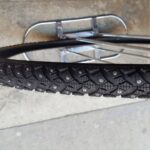
This tour is not suitable for children under 16 or people with mobility impairments. For winter cycling, the operator offers a separate standard-bike highlights tour with spiked tires; it is recommended only for people with cycling experience and is available to those over 12. Winter stops may change with weather and seasonal events, so check the separate tour details if you’re travelling in colder months.
Who should book this Oslo bike tour?
I’d book it early in a short Oslo stay, especially if you want a broad introduction before choosing which sights deserve a longer visit. It suits confident casual cyclists who can manage city riding and like learning as they move. The e-bike makes the route more accessible to people who’d rather not work hard on the pedals, while the combined group means cycling companions don’t all need the same kind of bike.
It’s less suitable if you want long, quiet visits at each attraction, a strenuous cycling outing, or a stop at the Opera House. Think of it as a guided city sampler with a rewarding park visit, not a substitute for seeing every interior or museum. If that matches your plans, the mix of history, green space, and fjord views makes the three hours a practical use of your time.
Electric Bike Oslo: 3-Hour Highlights Bike Tour
FAQ
How long is the tour?
The tour lasts three hours. The route covers about seven miles, with stops for short guided explanations and time to look around.
Where does the tour start and finish?
It starts and ends at Nedre Slottsgate 4, 0157 Oslo. The meeting point is about a 10-minute walk from Oslo Central Station.
What is included in the price?
The tour includes an electric bike, a helmet, and gloves if needed. Food and water are not included, so bring water.
Can someone in my group ride a standard bike?
Yes. Standard-bike and electric-bike riders can join the same tour. The standard-bike rider should book the separate Oslo: 3-Hour Highlights Bike Tour for the same date and time.
What age do you need to be to ride an electric bike?
You must be at least 16 years old to book an electric bike. Helmets are required.
Does the tour run in the rain?
Yes, tours run rain or shine. Rain ponchos are available for sale at the starting point.
You can check availability for your dates here: