Montevideo’s sights are spread across a broad city, from its historic port district to the beaches and neighborhoods along the Río de la Plata. This 24-hour hop-on hop-off ticket gives you a practical way to cover that ground, with two routes and stops at major landmarks.
I like two things in particular: you can use one ticket on both circuits, and the audio guide is offered in six languages. The central route is best for civic buildings and city history, while the Rambla circuit brings you along the coast. One thing to plan around: the routes do not run equally often, so switching circuits can mean a wait.
- Start across from the port: The meeting point is marked by a totem in front of Montevideo Port.
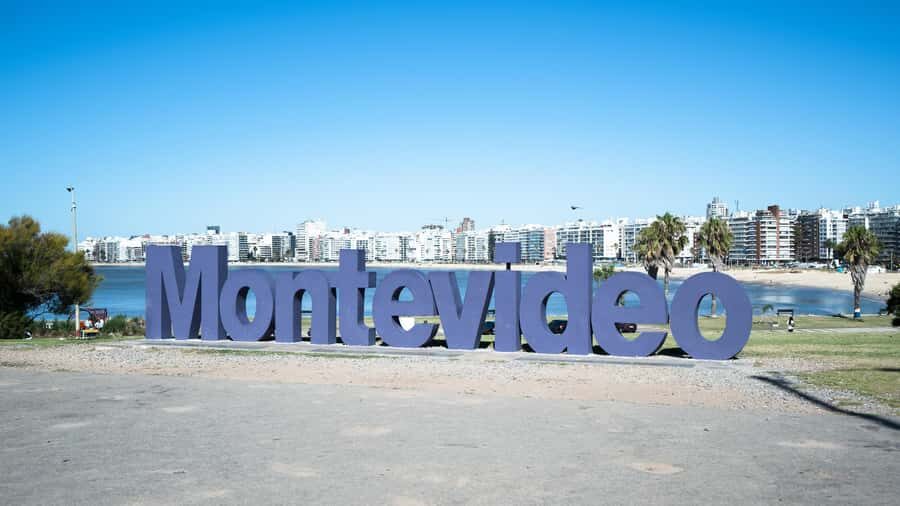
- Two distinct circuits: Visit central landmarks, or ride the coastal route past beaches, shopping areas, and the Montevideo Sign.
- A full 24 hours: Your ticket is valid for 24 hours from its first activation, not just until the end of that day.
- Six audio-guide languages: Choose Spanish, English, Portuguese, Italian, French, or German.
- Useful for a short visit: The routes connect far-flung sights, including the Legislative Palace and Centenario Stadium.
- Check the timetable before hopping off: The central route has been described as running about every half hour, while the coastal route can be closer to hourly.
- Starting across from Montevideo Port
- Two circuits, two different days
- Independence Square and the old center
- Civic buildings and a city viewpoint
- Markets, grills, and a taste of Montevideo
- The Legislative Palace, Prado, and the city’s greener side
- Tres Cruces and Centenario Stadium
- The Rambla, beaches, and coastal neighborhoods
- Is good value for a day?
- Practical details before you board
- Should you book the Montevideo bus tour?
- FAQ
- How long is the ticket valid?
- Can I use the ticket on both bus routes?
- What languages are available for the audio guide?
- What is included with the ticket?
- Where is the meeting point?
- Which route visits the Legislative Palace and Centenario Stadium?
- Which route goes along the coast?
- Is the bus wheelchair accessible?
- The Best Of Montevideo!
- More Tours in Montevideo
- More Tour Reviews in Montevideo
- Not for you? Here's more nearby things to do in Montevideo we have reviewed
Starting across from Montevideo Port
 1 / 10
 2 / 10
 3 / 10
 4 / 10
 5 / 10
 6 / 10
 7 / 10
 8 / 10
 9 / 10
 10 / 10
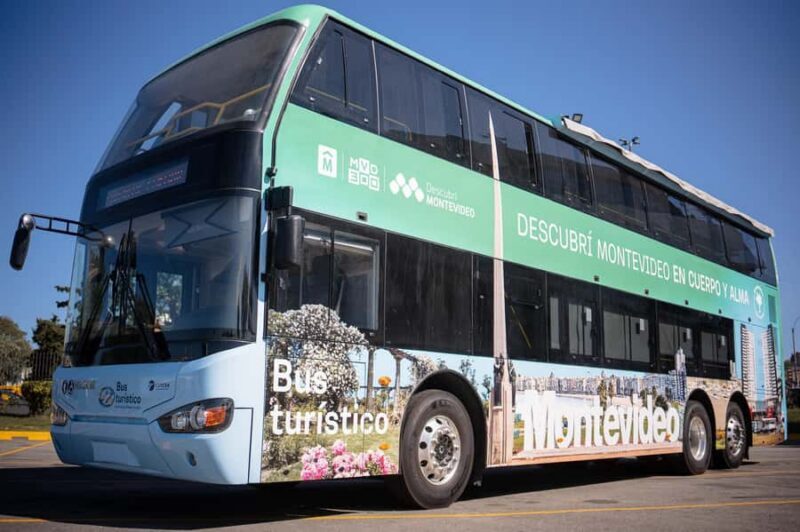
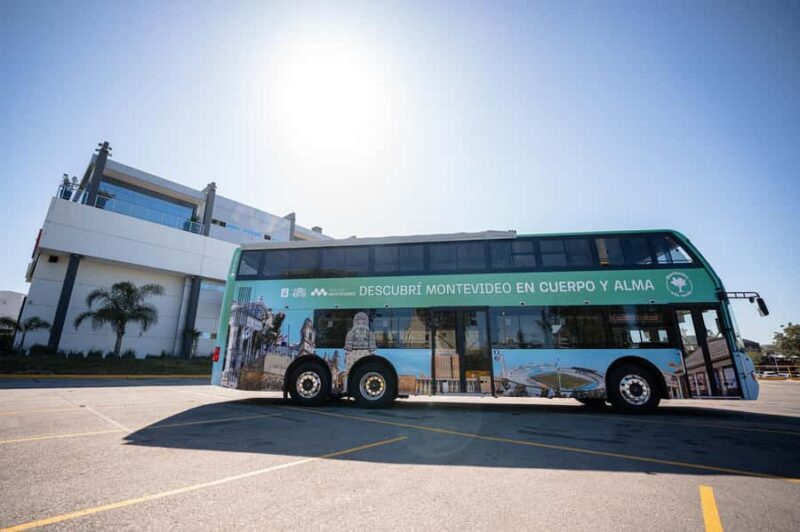
The bus stop is directly in front of the port, marked with a totem. That makes the tour especially handy if you arrive by cruise ship or are staying near the waterfront. Look for the green tourist bus, and pick up the printed map and schedule when you board.
The bus is a double-decker, so you can choose between an open view from upstairs and a more sheltered seat below. The upper deck is the better perch for looking at facades and catching the sea breeze, but the waiting stops may have little or no shelter from sun, wind, or rain. Bring water and sun protection, and have a light layer handy if the weather turns.
The included headphones connect to an audio guide in six languages. English-language visitors have found the audio clear and useful, and the guide gives context as you pass buildings and neighborhoods rather than leaving you to guess what you are seeing. Staff may also help with questions and route changes. Matias, one staff member named by a passenger, was especially praised for explaining the options and offering tips, though the crew you meet will vary.
You can check availability for your dates here:
👉 See our pick of the 5 Best Full-Day Tours In Montevideo
Two circuits, two different days
The Central Circuit is the stronger choice if you want a first look at Montevideo’s civic and historic center. It covers Independence Square, the Municipal Palace, the National Library, the Legislative Palace, the Agricultural Market, Prado Park, Tres Cruces, Centenario Stadium, and Parque Rodó, among other stops.
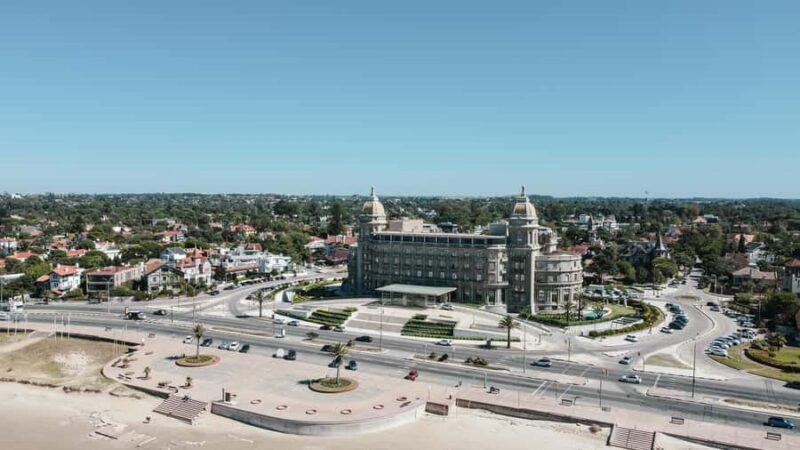
The Rambla Circuit has a different character. It follows the waterfront and includes Parque Rodó, the Montevideo Sign, Malvín Beach, Carrasco Casino Hotel, the Tango and Turf Museum, Montevideo Shopping, and Punta Carretas Shopping. Choose it for coastal views and a sense of the city’s spread, not as a substitute for the central route’s major monuments.
You can ride one circuit or combine both during the ticket’s 24-hour validity. But do not assume you can jump between them at any time. The central route has been described as running more frequently than the coastal one, and the two schedules may not line up. Ask staff for the day’s timetable and work out your transfer before getting off.
You can also read our reviews of more tours and experiences in Montevideo.


Independence Square and the old center
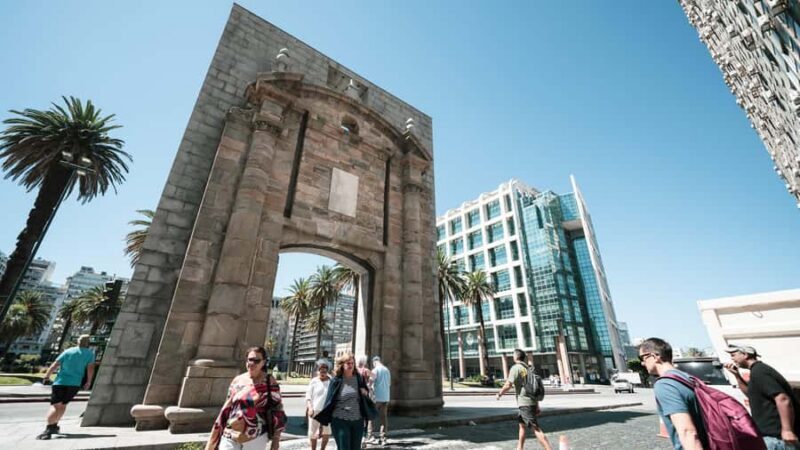
Independence Square is a natural place to pause and explore on foot. It marks the edge of the old center and gives you a feel for Montevideo’s civic heart. The bus stop itself is brief, but the square is worth more than a quick look if you have time to walk around.
This is also a useful point to begin or break up your ride. A full loop gives you the broad view, while getting off here lets you explore the center at your own pace. Keep an eye on the schedule before wandering far, since the next bus may not be just around the corner.
Civic buildings and a city viewpoint
The Municipal Palace stop offers a chance to visit the panoramic viewpoint at the Intendencia de Montevideo. From above, you can take in the city’s rooftops and get a better sense of how widely its neighborhoods extend. It is a useful stop if you want a view that helps orient you before riding farther out.
The route also passes the National Library and the Legislative Palace. The Palace is one of the tour’s major architectural sights, and its location gives you a look at the grand scale of Uruguay’s national institutions. The itinerary allows only a short pause at each stop, so decide in advance which buildings deserve a longer visit.
Markets, grills, and a taste of Montevideo
The Mercado Agrícola de Montevideo is a good place to get off if you want food, a break from the bus, or a look at a busy indoor market. The tour description points to classic Uruguayan grills and local meats and wines at the markets. If you stop for a meal, allow enough time to eat and check when the next bus is due.
The Mercado del Puerto is also highlighted as a place to find traditional grills, though it is not listed among the detailed itinerary stops provided here. Treat the printed map and schedule as your guide to the actual stops and connections on the day.
A market stop can turn a sightseeing ride into a more grounded city visit. You are not only looking at buildings from a bus window; you can sit down, eat, and take a break before heading back out. Just remember that a leisurely lunch may cost you a bus interval, particularly on the less frequent circuit.
More Great Tours NearbyThe Legislative Palace, Prado, and the city’s greener side
The Legislative Palace is one of the route’s most striking landmarks. Its monumental architecture gives you a sharp contrast with the market and neighborhood stops. If you want to study the building or its surroundings rather than take a quick photo, plan time to get off.
Farther along, Prado Park and the Botanical Garden offer a change of pace from downtown streets and commercial areas. These stops can be appealing if you want greenery and a quieter interlude. The route also reaches Nuevocentro Shopping and other retail destinations; those may be useful for a practical break, but they are less compelling if your limited time is focused on history and architecture.
The route’s long stretches between some sights are worth noting. One central loop has been estimated at about two hours, and some riders choose to stay aboard for the first circuit to get their bearings. That works well if you have a full day, but if your time is short, pick a few stops in advance rather than trying to see everything.




Tres Cruces and Centenario Stadium
Tres Cruces is a major transport and shopping area, and the stop can help you understand how Montevideo connects beyond its oldest districts. It is not necessarily a must-see for every visitor, but it is a practical landmark and part of the city’s broader picture.
Centenario Stadium is a more distinctive stop for football fans. The stadium gives the route a clear link to Uruguay’s sporting culture and adds variety to a circuit otherwise centered on civic buildings, markets, and parks. If you are interested in football history, this is one of the stops to prioritize.
From here the route continues to Parque Rodó, then returns toward the starting point. Use the map to decide whether to end your ride at the park or continue back to the port area.
The Rambla, beaches, and coastal neighborhoods
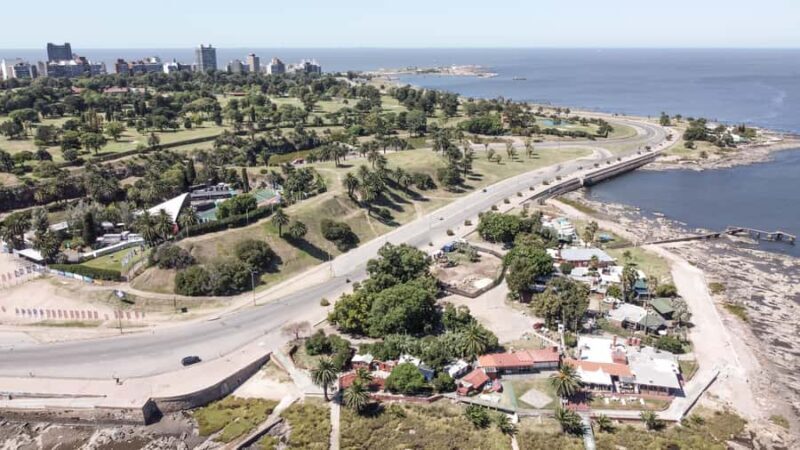
The coastal circuit is about seeing the city from its edge. It takes in the Montevideo Sign and beaches such as Malvín, with stretches along the Rambla where the Río de la Plata becomes the main attraction. The water views are a welcome counterpoint to the city’s formal buildings and busy shopping stops.
The route also reaches Carrasco Casino Hotel, the Tango and Turf Museum, and Montevideo and Punta Carretas shopping areas. This is a broad sweep rather than a concentrated monument tour. If your idea of a good city day includes sea views, beaches, and a look at residential districts, the circuit earns its place. If you have only a few hours and want the best-known landmarks, start with the central route.
Allow extra time for the coastal circuit. Its service may be less frequent than the central route, and a missed bus can mean a longer wait. At the stops, arrival-time information can help, but schedules are not a guarantee: departures have occasionally run late or been disrupted. Ask the crew if a connection matters to your plan.
Is $25 good value for a day?
At $25 per person, the ticket is most valuable when you use it to cover several distant parts of Montevideo. The central route and waterfront circuit reach places that would take more effort to connect on foot, and the audio guide, headphones, and printed map are included. If you ride both circuits and get off at a few stops, you are using the ticket as more than a simple sightseeing loop.
The value is less clear if you plan to stay in the old center or only want a brief coastal view. In that case, you may not get much from a full-day ticket. The tour works best when you have enough time to ride, explore, and wait for the next bus without watching the clock every few minutes.
The 24-hour period begins when you first activate the ticket. That can give you more flexibility than a ticket that expires at the end of the calendar day, but confirm the exact start time with staff when you board. If you want to use both circuits, make your plan around their schedules rather than assuming the transfer will be immediate.
Practical details before you board
The ticket is valid for 24 hours from first activation, and it is the only ticket option described. Headphones and a printed city map are included. The bus is listed as wheelchair accessible, and staff or greeters may speak Spanish, English, Portuguese, Italian, French, or German.
You can reserve and pay later, and cancellation is free up to 24 hours in advance for a full refund. Check the current terms when booking, especially if your plans may change.
For a smooth day, start by asking for the schedule, then mark the stops you care about. If you want both circuits, ask where the routes connect and how long you may have to wait. Bring water and protection from the weather for exposed stops, and do not count on squeezing a long lunch and every landmark into one loop.
Should you book the Montevideo bus tour?
Book it if you have a day in Montevideo, want a quick orientation, or need an easy way to reach both the center and the coast. The best reason to go is the combination of coverage and flexibility: you can see the grand buildings, markets, stadium, parks, and waterfront without arranging each journey separately.
Skip it if you prefer to explore only one compact district on foot, or if waiting between routes would frustrate you. For most first-time visitors with a full day, I would start on the central circuit, get off at the places that matter most, and add the Rambla route if the schedule leaves room.
Montevideo: Sightseeing Hop-On Hop-Off Bus Tour
FAQ
How long is the ticket valid?
It is valid for 24 hours from the time you first activate it.
Can I use the ticket on both bus routes?
Yes. The ticket gives you the option to explore one or both circuits during its 24-hour validity.
What languages are available for the audio guide?
The audio guide is available in Spanish, English, Portuguese, Italian, French, and German.
What is included with the ticket?
The ticket includes 24 hours of bus access, headphones, an audio guide, and a printed city map.
Where is the meeting point?
The meeting point is in front of Montevideo Port, at a stop marked by a totem.
Which route visits the Legislative Palace and Centenario Stadium?
Both are on the Central Circuit.
Which route goes along the coast?
The Rambla Circuit includes coastal stops such as the Montevideo Sign and Malvín Beach.
Is the bus wheelchair accessible?
Yes, the activity is listed as wheelchair accessible.
You can check availability for your dates here: