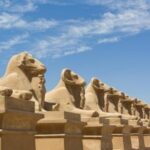
Luxor puts some of ancient Egypt’s best-known monuments within reach on a single, very long day from Hurghada. You’ll spend about five hours getting there, then visit Karnak, the Valley of the Kings, Hatshepsut’s temple and the Colossi of Memnon before the five-hour ride back.
I like two things about this plan: it pairs the scale of Karnak with the more intimate experience of royal tombs, and an Egyptologist guide can make the stories behind the carvings and monuments easier to follow. The included lunch and supplied water and snacks also help on a day that starts early and covers a lot of ground.
The trade-off is the mileage. Ten hours of driving leaves limited time for each site, and the advertised $105 price does not necessarily include entrance fees. Check the exact option you’re booking, especially if Tutankhamun’s tomb or a felucca ride matters to you.
- What to know before you book
- A long road to the ancient city
- Karnak’s scale is the day’s opening act
- Lunch and a choice on the Nile
- The Colossi of Memnon: a quick but striking stop
- Tombs in the Valley of the Kings
- Hatshepsut’s temple and the final visit
- What the price buys, and what it may not
- Who will enjoy this day trip
- Should you book it?
- FAQ
- How long is the tour?
- What sites does the tour visit?
- Are entrance fees included in the 5 price?
- Is Tutankhamun’s tomb included?
- Is the felucca ride included?
- What is included with lunch?
- What languages are available for the guide?
- What should I bring?
- The Best Of Hurghada!
- More Tours in Hurghada
- More Tour Reviews in Hurghada
- Not for you? Here's more nearby things to do in Hurghada we have reviewed
What to know before you book
 1 / 10
 2 / 10
 3 / 10
 4 / 10
 5 / 10
 6 / 10
 7 / 10
 8 / 10
 9 / 10
 10 / 10
- Five hours each way: Expect a long road day from Hurghada, with hotel pickup and return by air-conditioned minivan or bus.
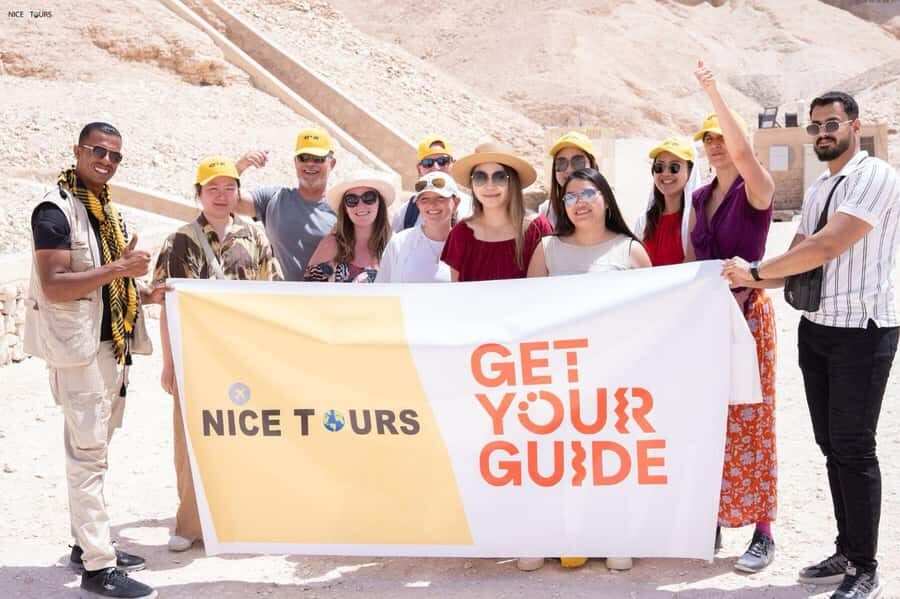
- Four major stops: The route includes Karnak, the Colossi of Memnon, the Valley of the Kings and Hatshepsut’s temple.
- The guide shapes the day: Guide names include Adam, Hamdy, Ahmed Bahaa and Aladdin, but the assigned guide can vary.
- Entry fees depend on your option: Confirm that your chosen package includes admission to Karnak, the Valley of the Kings and Hatshepsut’s temple.
- Add-ons change the experience: A felucca ride and a visit to Tutankhamun’s tomb are available only if you select the relevant options.
- Pack for a full day: Bring ID, comfortable shoes, sun protection, cash and a pillow for the road.

👉 See our pick of the 23 Best Shopping Tours In Hurghada
A long road to the ancient city
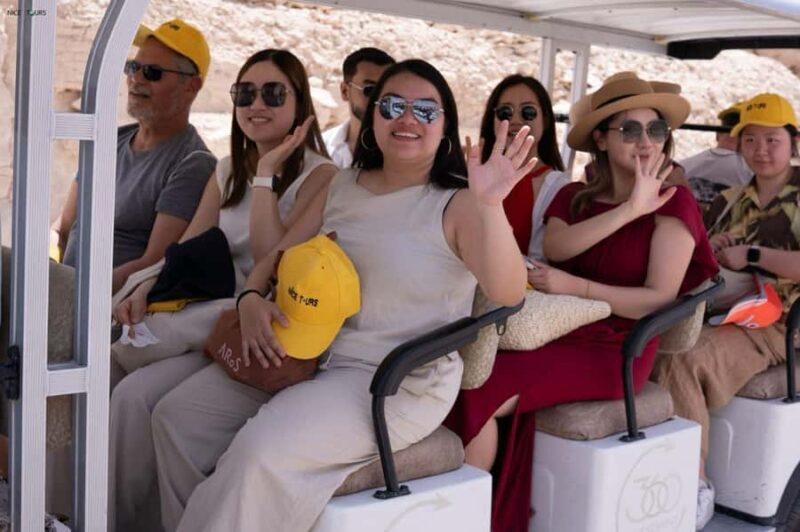
The tour starts with pickup at your Hurghada hotel and a roughly five-hour drive to Luxor. The published duration is 15 hours, so plan for an early departure and a late return, with the exact start time depending on availability.
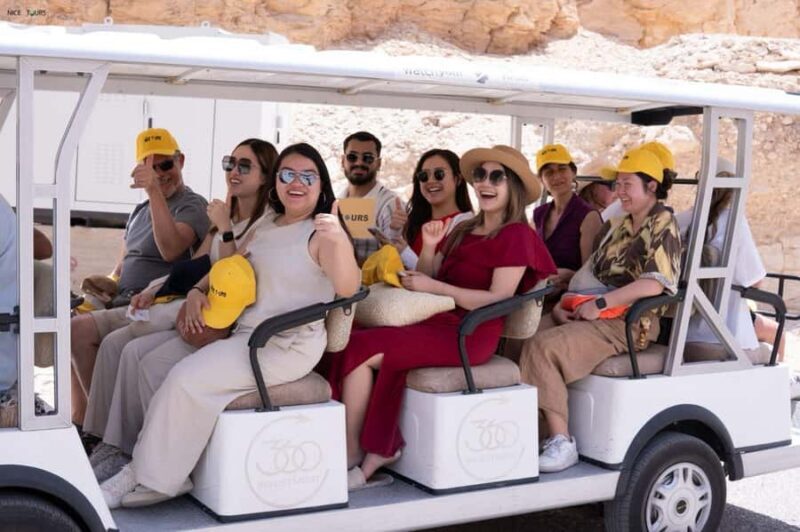
Air conditioning matters on a journey this long, particularly in hot weather. Past groups have described comfortable vans and punctual pickups, though one account noted a seating issue. If you have a concern about the vehicle or your place in it, raise it with the operator before setting off.
Water, soft drinks and snacks are included, which is useful when you leave before breakfast or don’t want to rely on finding food during the drive. A pillow is on the suggested packing list for good reason: a small comfort can make two long stretches on the road easier.
You can also read our reviews of more tours and experiences in Hurghada.


Karnak’s scale is the day’s opening act
Karnak is the first major stop, and its size gives you an immediate sense of how much ancient Thebes once mattered. This is not a single temple building but a vast complex, with monumental columns, gateways and carved surfaces that reward a slow look.
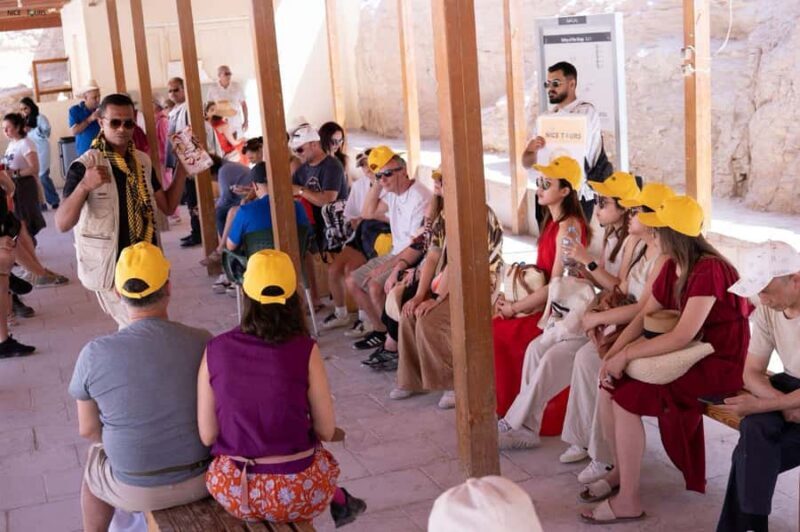
A guide can help you read the site rather than simply walk through it. The best explanations make a few key stories stick without burying you in names and dates. Several guides associated with this trip, including Adam, Hamdy and Ahmed Bahaa, have been praised for clear explanations, humor and a good feel for how much detail a group can absorb in one day.
The practical limitation is time. Karnak is enormous, and no short visit can cover every corner. Keep your camera ready, but give yourself a moment to look up at the columns and down at the carvings too. The photographs will be there later; the scale is easier to grasp in person.
Lunch and a choice on the Nile
After Karnak, the group stops for lunch at a local restaurant in Luxor. Lunch is included, but drinks at the restaurant are not, so carry some cash or a card if you want something beyond the supplied water and soft drinks. Food quality can be a pleasant surprise on a day trip, but it is sensible to keep expectations practical: this is a useful pause between major sites, not a long dining stop.
The Nile break offers a different view of Luxor. You can select an optional felucca ride for a quieter stretch on the water, with views of the city’s landmarks from the river. Check that the ride is included in your selected package before you count on it.
The kind of boat ride can matter. One person found the experience would have been better under sail rather than with an outboard motor, a reminder that the word felucca doesn’t guarantee a particular pace or sailing conditions. Treat this as a scenic add-on, not the core reason to book.
The Colossi of Memnon: a quick but striking stop
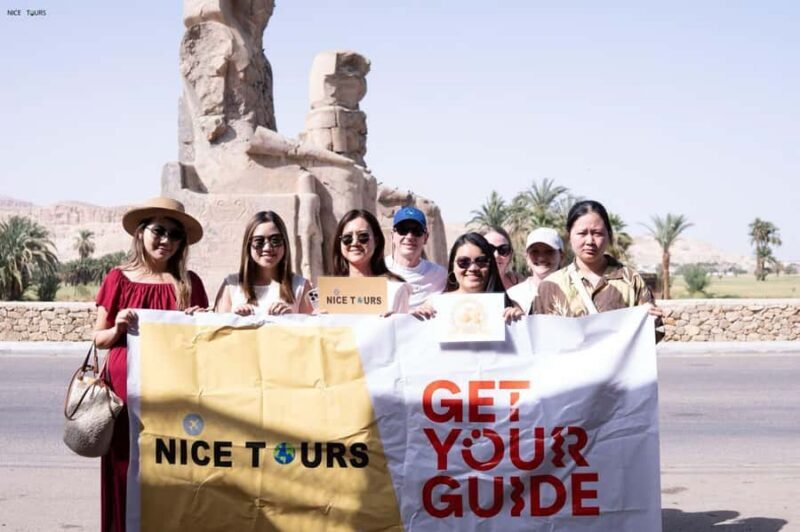
On the west bank, the Colossi of Memnon are two huge statues that have watched over the Theban Necropolis for centuries. They make a memorable stop and a useful change of scale after Karnak: here, the attraction is the imposing pair themselves and their place in the wider funerary landscape.
This visit is typically shorter than the major temple and tomb stops. That’s understandable on a packed itinerary, but it can feel brisk if you want time to study the statues or take photographs. Listen to the guide’s context, then use the pause to take in the setting before the group moves on.
Tombs in the Valley of the Kings
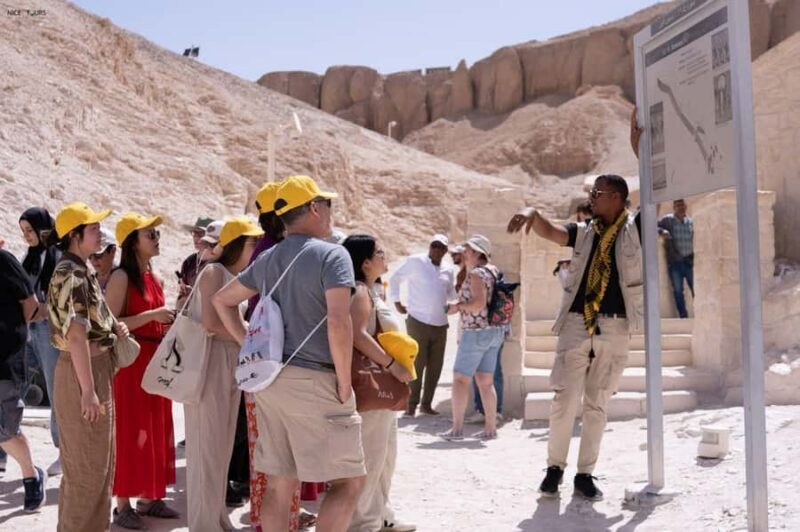
The Valley of the Kings is the day’s chance to step inside the burial place of Egypt’s rulers. The royal tombs are famous for their painted decoration and the stories tied to the pharaohs buried here. Your guide can explain why the valley matters and help you focus on the details that make a tomb more than a decorated underground room.
Admission to the Valley of the Kings is included only with the entrance-fees option. Read the package details closely before booking: the advertised starting price and the actual cost of a visit with entries may differ. The same condition applies to Karnak and Hatshepsut’s temple.
Tutankhamun’s tomb is an additional choice, not something to assume is part of the standard visit. If seeing it is a priority, select the option that specifically includes it. That small check can prevent a disappointing surprise at the site.
Expect a full, busy day on the west bank, with limited time to linger at every tomb. Comfortable shoes, light clothing and sun protection are sensible choices for moving between stops. The tour advises bringing a passport or ID card, along with cash and a credit card.


Hatshepsut’s temple and the final visit
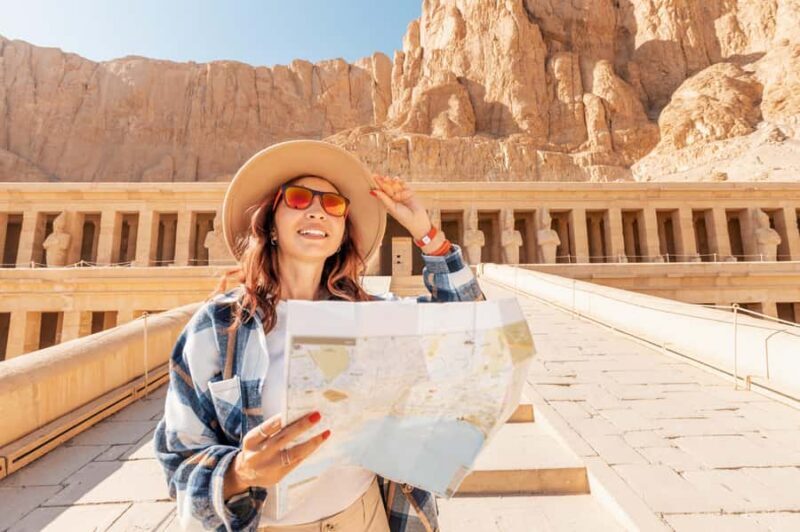
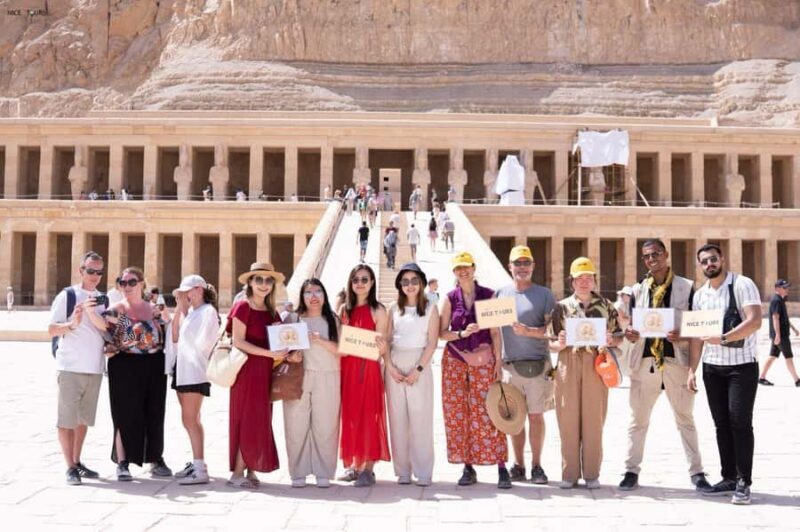
The Temple of Hatshepsut honours one of Egypt’s most famous female rulers. Its striking form and setting make it a strong final monument, especially after the enclosed tombs of the Valley of the Kings. Your guide can connect the building to Hatshepsut’s rule and explain what makes this temple distinct from the sites you’ve seen earlier.
Admission here is also tied to the entrance-fees option. Build that detail into your budget before you go, and don’t assume that a tour with transport and lunch automatically covers every ticket.
The itinerary places Hatshepsut’s temple after the Valley of the Kings, then begins the drive back to Hurghada. By this point you’ll have seen a lot, but you may also be tired. That’s the main reason to think of this as an efficient first visit to Luxor, rather than a leisurely way to explore every monument.
What the price buys, and what it may not
At $105 per person, the appeal is straightforward: one organized trip links Hurghada to several of Luxor’s biggest sights, with transport, an Egyptologist guide, lunch, snacks, soft drinks and water. For someone staying on the Red Sea coast, that saves the work of arranging a separate journey and a day’s visits.
But the price needs context. Entrance fees for Karnak, the Valley of the Kings and Hatshepsut’s temple are included only in the option that specifies them. The felucca ride and Tutankhamun’s tomb also depend on add-ons, and restaurant drinks are extra. Compare the total cost of the package you want, not just its headline price.
The tour’s greatest value is the combination of transport and explanation. These monuments can be overwhelming without context, and a good guide helps you decide what to notice. Names mentioned on this tour include Adam, Hamdy, Ahmed Bahaa, Aladdin, Ramez and Manal, though you should not expect a particular person unless the operator confirms it. The guides have been praised for answering questions, keeping explanations lively and helping with photos; the assigned guide is part of the day’s variable mix.
Who will enjoy this day trip
This outing suits you if you’re based in Hurghada, want to see Luxor’s headline ancient sites and are willing to trade comfort and spare time for convenience. It can also work well for families: guides have been described as patient with children and able to make the history engaging. Still, a 15-hour day and lengthy coach rides can be hard on young children, so consider your family’s stamina.
It’s a strong choice for first-time visitors who want a broad introduction and don’t mind moving at a brisk pace. If you’re deeply interested in ancient Egypt, or want to spend long stretches inside individual tombs and temples, an overnight stay in Luxor may suit you better. There is a shared-tour option with entrance fees and a one-way transfer to Luxor for people planning to stay there.
Hot weather can make the schedule feel even more demanding. Take the sun hat, sunglasses, sunscreen and comfortable clothes on the packing list seriously. The practical details are modest, but they make a real difference when you’re outside at monumental sites for much of the day.
Should you book it?
Book this tour if Luxor is a must-see and you want a guided, one-day route from Hurghada that covers Karnak, the royal tombs, Hatshepsut’s temple and the Colossi of Memnon. The combination is impressive, and a lively guide can turn a fast-paced visit into a memorable introduction.
Skip it if long road journeys leave you drained, or if you want unhurried time at every site. Before paying, confirm which entry fees are included and whether you want the Tutankhamun tomb visit or felucca ride. That check is the difference between a well-priced day out and a package that costs more than you expected.
Hurghada: Small-Group Luxor Highlights & Tut Tomb Day Tour
FAQ
How long is the tour?
The tour lasts about 15 hours. The drive from Hurghada to Luxor takes approximately five hours, with another five-hour drive back.
What sites does the tour visit?
The route includes Karnak Temple, the Colossi of Memnon, the Valley of the Kings and the Mortuary Temple of Hatshepsut.
Are entrance fees included in the $105 price?
Entrance to Karnak, the Valley of the Kings and Hatshepsut’s temple is included only if you select the entrance-fees option. Check your chosen package before booking.
Is Tutankhamun’s tomb included?
Tutankhamun’s tomb is included only if you select the option that specifically includes it.
Is the felucca ride included?
The Nile felucca ride is optional and depends on whether you select the add-on.
What is included with lunch?
Lunch at a local restaurant in Luxor is included. Drinks at the restaurant are not included.
What languages are available for the guide?
The listed live guide languages are Arabic, English, French, German and Spanish. A Spanish guide is also offered as an add-on.
What should I bring?
Bring your passport or ID card, comfortable shoes and clothes, sunglasses, a sun hat, sunscreen, cash and a credit card. A pillow is also suggested for the long drive.
You can check availability for your dates here: