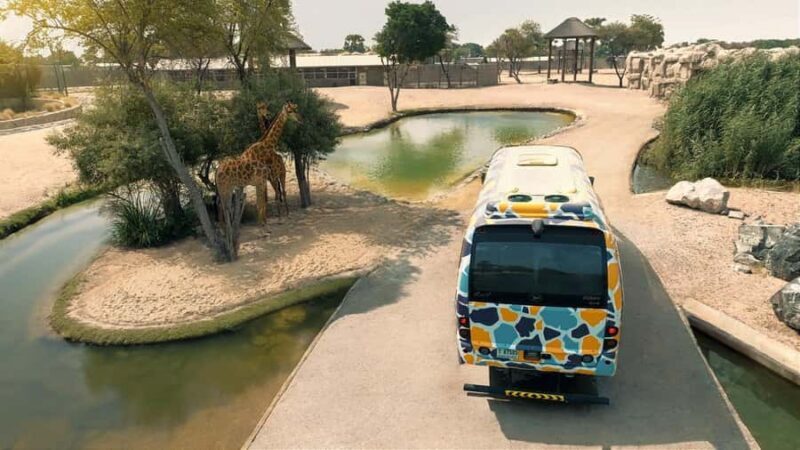
Dubai Safari Park’s biggest surprise is its scale: this 119-hectare sanctuary is a collection of distinct animal zones, not a quick loop around a small zoo. You can walk through themed villages, catch a short ride through the Arabian Desert zone, and add a bus tour for closer views in Explorer Village.
I like two things in particular: the variety of habitats, which gives the visit more purpose than simply ticking off animal sightings, and the mix of included activities, from scheduled talks to a children’s farm. The park also runs conservation and rehabilitation programs, a welcome part of its work with animals from around the world.
The catch is time and heat. You may need most of a day to see the main areas, and animals can be less visible when it is hot or they have retreated from view. Plan your route and check the day’s schedule before setting off.
- The park covers 119 hectares, so walking between villages takes time.
- Entry includes a 15-minute Arabian Desert safari, plus scheduled presentations and talks.
- Explorer Safari bus access depends on your ticket option, and gets you closer to animals in Explorer Village.
- The African, Asian and Arabian areas each have a different setting and collection of animals.
- Kids Farm and scheduled feeding sessions give younger visitors hands-on moments, with some encounters costing extra.
- A park built for a full day
- Start with the day’s schedule
- Arabian Desert: a short safari included with entry
- African Village: allow time to wander
- Asian Village: animals around forests and ponds
- Explorer Village: choose the bus for closer views
- Kids Farm and the live shows
- Shade, food and the realities of Dubai heat
- Getting to Al Warqa and planning your visit
- Is Dubai Safari Park worth a day?
- FAQ
- How long should I allow for Dubai Safari Park?
- What does the entry ticket include?
- Is the Explorer Safari bus included?
- Is the park train included?
- Are animal feedings free?
- Can children enter for free?
- Can I bring food, pets or a bike?
- What are the opening hours during Ramadan?
- The Best Of Dubai!
- More Safari Adventures in Dubai
- More Tours in Dubai
- More Tour Reviews in Dubai
- Not for you? Here's more nearby things to do in Dubai we have reviewed
A park built for a full day
 1 / 10
 2 / 10
 3 / 10
 4 / 10
 5 / 10
 6 / 10
 7 / 10
 8 / 10
 9 / 10
 10 / 10
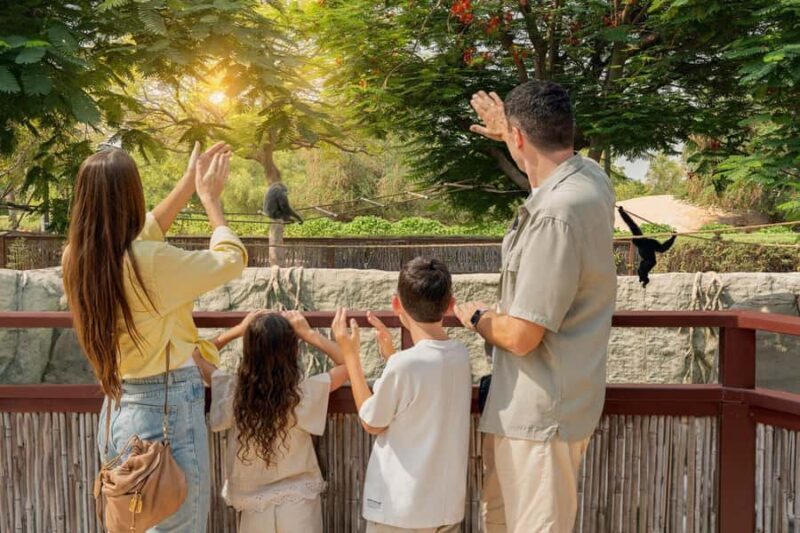
Dubai Safari Park sits in Al Warqa and is home to about 3,000 animals, including mammals, birds, reptiles, amphibians and invertebrates. The size matters. You are not just moving from enclosure to enclosure; you are crossing between themed zones, with animal habitats and visitor areas spread across a large site.
A one-day ticket gives you room to explore at your own pace. The basic entry option is listed at about $13 per person, with ticket choices that may include the Explorer Safari tour and train ride. Check exactly what your selected ticket covers before booking, since those options are not included with every entry pass.
The park’s design aims to echo the animals’ natural environments, and it also has conservation and rehabilitation programs. That does not make a zoo visit the same as seeing wildlife in the wild, of course. But it does give the park a broader purpose than entertainment alone, and the scale of the grounds gives animals more room than a compact city attraction can offer.

👉 See our pick of the 25 Best Shopping Tours In Dubai
Start with the day’s schedule
Before heading to a village, check the park’s opening hours and the times for animal presentations, talks and feedings on the official website. Activities run to an announced schedule, and the exact program can shape your route. If you arrive late, you may have to choose between areas or miss a presentation.
Last admission is 1.5 hours before closing. That is a cutoff for entering the park, not a sensible arrival time for seeing it. Plan to arrive early, especially if you want to explore several villages, pause for lunch and catch the live shows.
The entry ticket includes a 15-minute Safari Tour through the Arabian Desert Zone, three live animal presentations, wildlife talks, Young Explorers workshops and certain complimentary animal encounters. These free encounters include the Alwada Pony Walk, Duck Feeding and Bird Feeding, subject to the published schedule. Other feeds and close encounters cost extra and can be bought at the park’s ticket counter.
There is no fixed route that suits everyone. I would start by checking presentation times, then work the villages around the activities you most want to see. Keep some flexibility: the park is large, and a lively feeding session or a longer stop at the farm can easily stretch your plan.
You can also read our reviews of more tours and experiences in Dubai


Arabian Desert: a short safari included with entry
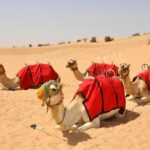
The included 15-minute ride through the Arabian Desert Zone is a useful first taste of the safari format. It gives you a guided look at the animals and setting without requiring you to walk the whole area. The short duration makes it a sampler, not a substitute for the longer Explorer Safari option.
This zone also gives the park a local focus. The desert setting helps connect the visit to the UAE rather than making the whole experience feel like a series of imported habitats. If the guided ride is important to you, check when it runs and build it into your schedule.
African Village: allow time to wander
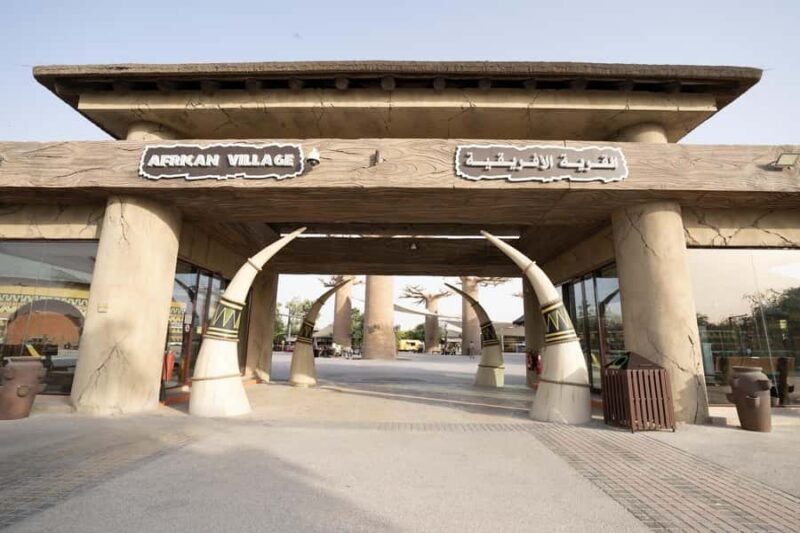
The African Village is one of the park’s main draws, with animals from the African savannah and a range that includes some of the world’s largest and smallest land mammals. Its themed environment makes this more than a quick stop for a photograph. Give yourself time to look around, and remember that animals may be resting or out of sight when you pass.
A bus safari can make sightings easier and bring you closer to some animals, but views are not guaranteed at every moment. The animals have space to move and hide, which is part of the point of creating habitat-like settings. If you need to see everything in one visit, temper your expectations: a large, open park does not work like a display case.
Asian Village: animals around forests and ponds
The Asian Village brings together animals that live in forest and pond settings. It offers a different mood from the open savannah zones, and it is worth giving this area its own time rather than treating it as a corridor between rides.
Staff-led activities and talks can add context to what you are seeing. Guides such as Glen and Flyvian have been praised for making visits more engaging, but guide assignments vary, so do not plan your day around a particular person. The more reliable bet is to check the schedule for talks and shows.
More Great Tours NearbyExplorer Village: choose the bus for closer views
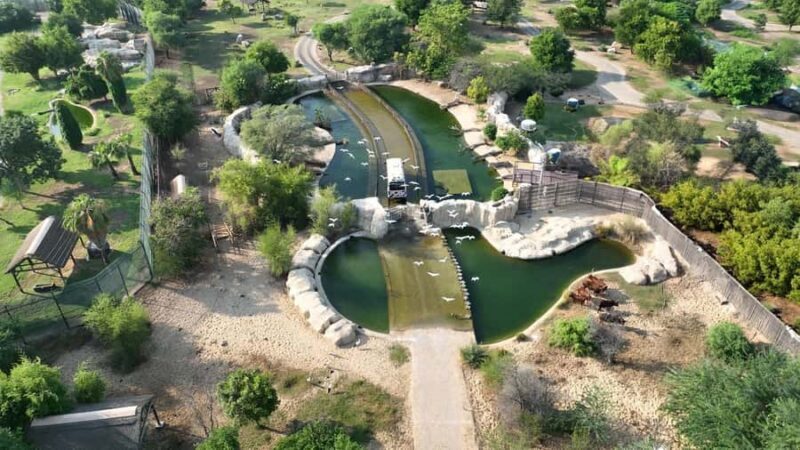
The Explorer Village is where the optional Explorer Safari bus earns its keep. The tour brings you through animal areas at close range, with a guide providing commentary along the way. If you have limited time, are visiting with young children, or simply want a break from walking, this is the add-on I would consider first.
It is not essential for everyone. You can walk around the park, and some visitors prefer the freedom to linger in each section. But at 119 hectares, walking every stretch takes effort, and animals can be hard to spot when they are tucked away. The bus can improve your chances of a close look, though it cannot promise that every animal will be visible.
Check whether your ticket includes this tour. The Explorer Safari is an option, not a guaranteed part of the lowest-priced entry pass. If you particularly want a paid animal encounter, such as giraffe feeding, book or arrange it early: popular sessions can fill for the day.



Kids Farm and the live shows
Kids Farm is a natural stop for families with younger children. Sheep, donkeys, ponies, goats, ducks and birds offer a more familiar kind of animal encounter than the larger safari areas. The Alwada Pony Walk and scheduled duck and bird feedings are among the complimentary encounters, while other activities may cost extra.
The Asian Village Theatre hosts educational animal shows, and the entry ticket includes three live presentations according to the announced schedule. These are worth planning around if you want more than a walk through the habitats. The trade-off is that a show takes you away from exploring, so check the times before deciding where to go first.
The Young Explorers workshops add another child-focused activity. Together, the farm, workshops and presentations make the park a good fit for families, but children aged 3 to 12 must be accompanied by an adult. Children under 3 enter free with an identity card required at the gate.
Shade, food and the realities of Dubai heat
Heat affects both your comfort and what you see. Some animals may stay indoors or out of sight when temperatures rise, so a hot day can mean fewer visible animals. Misting fans, shaded areas and rest spots around the park help, but they do not remove the need to pace yourself. Take breaks and avoid trying to cover every section at speed.
Food and drinks are not included in the ticket, and outside food is not allowed. There are food stalls and places to eat inside the park, so you can plan to buy lunch rather than carry a picnic. The park also has toilets and rest areas, practical details that matter when you are spending several hours on foot.
The train can help you move between areas, but it is an optional extra unless your ticket specifically includes it. If you plan to use it, check the route, times and type of train before relying on it to get around. Clear wayfinding is useful in a park this large, and it is worth keeping an eye on signs as you go.
Getting to Al Warqa and planning your visit
Hotel pickup and drop-off are not included. Check your route before leaving, especially if you plan to use public transport: not every nearby bus stop is at the park gate, and a short distance on a map may still mean a long walk. A taxi or other direct ride can simplify the arrival, but include that transport cost when you work out the day’s budget.
Tickets can be scanned at the gate, and the pass includes skip-the-ticket-line entry. The listed price starts at about $13 per person, though add-ons such as the Explorer Safari or train may change the total. Food, drinks and paid encounters also add to your spending, so the entry price is best seen as the starting point rather than the full cost of the day.
During Ramadan, the park’s stated hours are 10:00 a.m. to 6:00 p.m., with last entry at 5:00 p.m. for all ticket types. For other dates, check the official opening hours and activity schedules before you go. The park offers free cancellation up to 24 hours before the activity, and a reserve-now, pay-later option is available.
Is Dubai Safari Park worth a day?
For about $13, the entry ticket offers strong value if you have time to explore and enjoy animal habitats, talks and family activities. The included Arabian Desert ride and scheduled presentations add more than a simple walk-through visit. The Explorer bus is a worthwhile upgrade if close views and reduced walking matter to you.
I would book it if you can set aside several hours, ideally most of a day, and arrive early enough to catch the activities you care about. It is especially suitable for families, animal lovers and anyone who wants a change from Dubai’s malls and high-rise sights. If you have only a short stop in the city, dislike walking in the heat or expect every animal to be visible on demand, choose another activity or plan a shorter visit with clear priorities.
Dubai: Dubai Safari Park Entry Pass
FAQ
How long should I allow for Dubai Safari Park?
The ticket is valid for one day, and the park covers 119 hectares. Allow several hours at minimum; seeing the villages and scheduled activities can take most of a day.
What does the entry ticket include?
Entry includes access to the park, a 15-minute Safari Tour in the Arabian Desert Zone, three live animal presentations, wildlife talks, Young Explorers workshops and scheduled complimentary encounters. Check the day’s program for exact times.
Is the Explorer Safari bus included?
It is included only if you select a ticket option that includes it. The Explorer Safari bus takes you through animal areas at closer range.
Is the park train included?
The train is included only with ticket options that specify it. Check your ticket details before you go.
Are animal feedings free?
Some are. Complimentary encounters include the Alwada Pony Walk, Duck Feeding and Bird Feeding, subject to the schedule. Other feedings and encounters cost extra and can be purchased at the park’s ticket counter.
Can children enter for free?
Children under 3 are free, but an identity card is required at entry. Children aged 3 to 12 must be accompanied by an adult.
Can I bring food, pets or a bike?
No. Food, pets, bikes, smoking, vaping, drones, flash photography, skateboards and scooters are not allowed.
What are the opening hours during Ramadan?
During Ramadan, the stated hours are 10:00 a.m. to 6:00 p.m., with the last entry at 5:00 p.m. Check the official website for current hours and activity schedules.
You can check availability for your dates here: