A simple silver band looks modest on the workbench. Making one is anything but simple: you cut, shape, solder, hammer, and polish the metal yourself, with an instructor nearby to help when a saw blade snaps or a ring goes off-size. At Youngseafood, the finished piece is a souvenir, but the making is the main event.
I like two things here: you do much of the work yourself, and the instructors make room for careful teaching rather than racing through a short demonstration. The small group limit of six also means you can ask for help without shouting over a crowd.
The trade-off is time. Plan on three hours at minimum, and some classes take four or run longer, so this is not a quick stop between sightseeing plans. The industrial-building address can also be a little confusing, so confirm the exact venue before setting off.
- You work through real jewelry-making steps: Cut, stamp, bend, solder, texture, grind, and polish your piece.
- Small classes keep help close: Sessions have a capacity of six, with one or two instructors.
- Beginners are welcome: The teacher demonstrates each process and can help fix mistakes without taking over the whole project.
- Choose a personal design: More than 300 hand-stamping options include letters and cartoon characters.
- Allow three to four hours: The extra time gives you room to learn and finish carefully.
- Check which price you are booking: The US$42.49 starting price is for repair and restoration, while making jewelry costs more.
- A keepsake you make with your own hands
- Finding the studio near The Mills
- Choosing a ring, pendant, or bracelet
- From raw metal to finished jewelry
- What the instructors add
- Is the price worth it?
- Who should book this workshop?
- A good fit for a slower Tsuen Wan afternoon
- FAQ
- How long does the jewelry workshop take?
- Where is the workshop?
- Is the workshop suitable for beginners?
- What can I make?
- What materials are available?
- How many people can join a class?
- What does the US.49 starting price cover?
- What is the cancellation policy?
- The Best Of Hong Kong!
- More Workshops & Classes in Hong Kong
- More Tours in Hong Kong
- More Tour Reviews in Hong Kong
- Not for you? Here's more nearby things to do in Hong Kong we have reviewed
A keepsake you make with your own hands
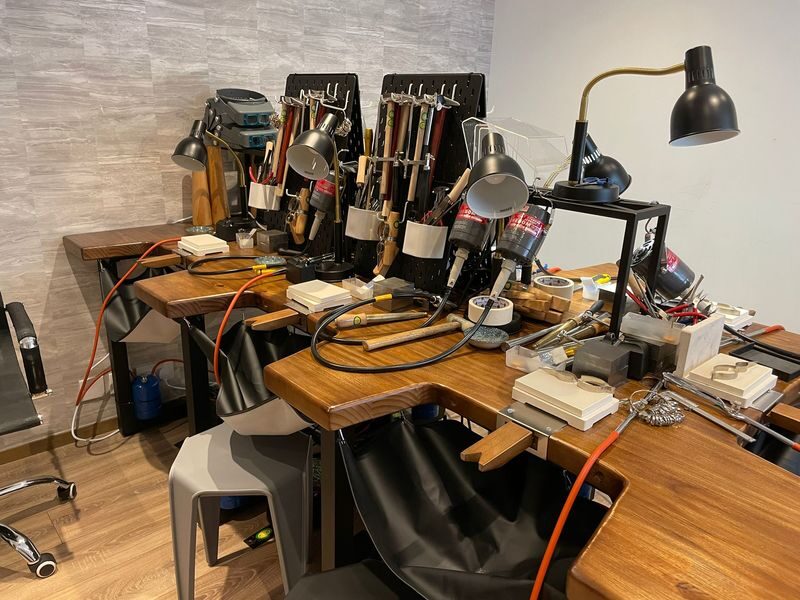
Youngseafood’s Tsuen Wan workshop turns jewelry into a practical craft lesson. You are not simply choosing a pendant and watching someone else finish it. You take part in the steps that transform raw material into something you can wear, from marking and cutting to shaping and polishing.
The workshop suits a date, a small outing with a friend, or a solo treat. Some couples make matching or interlocking rings; others choose a pendant or bracelet that carries a personal stamp. The point is not to produce a factory-perfect object at speed. It is to leave with a piece you helped make and a better sense of the work behind it.
Youngseafood is a local brand with a Made in Hong Kong ethos. Its studio is near The Mills, the former Nan Fung Cotton Mill site, in Tsuen Wan. The setting makes this a more hands-on change of pace from Hong Kong’s familiar shops and city sights, though the class itself takes place inside an industrial building rather than a polished retail showroom.
👉 See our pick of the Best Historical Tours In Hong Kong
Finding the studio near The Mills
The venue is given as Room 09, 13/F, Xin Yi Industrial Building, 36 Pak Tin Pa Street, Chai Wan Kok, Tsuen Wan. The meeting point is also described as Shun Yee Industrial Building, next to The Mills. Since both building names appear in the location details, confirm the precise entrance and building name with the workshop after booking rather than relying on a map pin alone.
Classes run in three-hour blocks: 10:00 to 13:00, 14:00 to 17:00, or 18:00 to 21:00. The activities themselves can take three to four hours, and a class may run over if people need more time to complete their pieces. Leave breathing room after your session, especially if you have dinner plans or a timed attraction to reach.
The listed capacity is six people, and one or two instructors lead the class. Private bookings are available for groups of six. That size is useful in a workshop where you need to see a demonstration, ask questions, and handle tools at your own pace.
You can also read our reviews of more tours and experiences in Hong Kong

Choosing a ring, pendant, or bracelet
The basic 925 silver ring, pendant, or earrings package is a sensible starting point if you are new to metalwork. It gives you a chance to personalize a wearable piece without beginning with a more elaborate design. You can add hand-stamped letters or motifs, with more than 300 stamp choices available to combine.
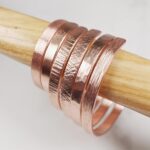
If you want a more decorative surface, the advanced feather design is one option for rings, pendants, or earrings. Bracelet classes are also available in basic and advanced feather versions. The package names indicate different designs, so check the exact piece and included material before choosing.
A hammered-texture piece is made by putting a chosen pattern into the metal, then cutting, soldering, and polishing it. The double-ring design involves cutting and stamping two pieces, bending them into rings, interlocking them, then soldering and finishing them. It is a particularly thoughtful choice for couples, though you will still need to concentrate on the craft rather than simply swap gifts.
Fingerprint jewelry gives the finished piece a personal mark, while the moissanite option adds a stone-setting process. That class includes carving a seat for the stone, setting it, and finishing the jewelry. These designs cost more than the basic class, and the extra steps make them a better fit if you have a specific look in mind.
Available materials include 925 sterling silver, brass, and red copper. The exact material options depend on the package and style. After successful payment and registration, staff contact you by WhatsApp within three working days to discuss material and style choices, so keep an eye out for that message.
From raw metal to finished jewelry
The class starts with planning and selecting your material and design. You can choose stamps for letters or images, and the instructor explains how the tools and processes work. This early stage matters: a few minutes spent deciding on placement can save you from stamping a name or pattern where it will not fit.
Next comes cutting and surface work. Depending on your chosen piece, you may use a jeweler’s saw to cut the metal, stamp it, hammer a texture into it, or press a pattern onto the surface. These are hands-on tasks, and beginners should expect to need a little patience. A ring that looks like a simple loop can involve several small adjustments before its shape is right.
Shaping and soldering follow. For a ring, you bend the metal into a circle; the double-ring design adds the challenge of making two pieces fit together. A torch is used to solder the joins. The instructor guides the work, but the aim is for you to take part rather than watch a professional do everything.
Then comes grinding and polishing, which gives the piece its finished look. This is a good reminder that jewelry making is not just stamping a cute design into silver. Each stage affects the next, and careful finishing can make a big difference to how the final item feels and looks.
The class lasts longer than a quick craft demonstration because the teaching is built into the process. You get time to practice, make adjustments, and ask for help. A few people have needed a teacher to rescue a mistake, such as a ring cut too small, but that is part of the appeal: you are learning with support, not being tested on whether you already know the trade.
What the instructors add
Patient, step-by-step guidance is the strongest part of the class. Instructors such as Ken and Sylvie are named in participant accounts, along with assistants and other teachers, but staffing may vary by date. The useful thing to expect is close help through each stage, not a particular instructor by name.
The teaching style seems designed to leave you with ownership of the result. You are shown what to do and given space to try it; the teacher checks your work and steps in when needed. That balance is especially helpful if you have never used a jeweler’s saw or handled a torch. You can take part without needing to arrive with any craft experience.
Some instructors also take photos and videos during the session, which can make a nice record of the process. Treat this as a possible bonus rather than a guaranteed service. The central keepsake is still the jewelry you make.
Is the price worth it?
Be careful when comparing prices. The advertised starting figure of US$42.49 is for jewelry repair and restoration, not a full jewelry-making class. Listed workshop packages start at US$114.69 for basic 925 silver rings, pendants, or earrings; advanced designs start at US$140.19. Bracelet options range from US$165.65 to US$191.15, and stone-set options begin at US$165.65.
A silversmithing class for four is listed at US$331.29 and requires four hours. A private class for six is US$420.49, also with a four-hour duration. Prices can change, so check the package and total at booking. The separate workshop descriptions also give prices of $900 per person for several standard designs and $1,200 for moissanite setting, without identifying the currency in those details. Confirm the amount and currency shown for your selected option before paying.
The value comes from the time, instruction, material, and finished object together. If you only want an inexpensive souvenir, a shop-bought piece will likely cost less and take less time. If you want to learn a craft and make a personal item yourself, a three-hour guided session is a more satisfying use of the money. The supplied package descriptions include a velvet pouch, silver polishing cloth, and jewelry paper bag with several named designs; check your chosen package to confirm what is included.
- The Peak Tram Fast-Track Combo Tickets: Peak Tram, Sky Terrace 428, Madame Tussauds HK
★ 4.5 · 49,191 reviews






Who should book this workshop?
I would put this high on the list for couples who want an activity with a shared result. Making matching rings or interlocking rings gives the class a personal purpose, and there is enough time to enjoy the process together. It also works well for friends, small groups, and anyone who likes learning by doing.
You do not need prior experience. The workshop is specifically suited to beginners, and instructors guide students through the steps. Still, it helps to arrive ready to focus. Cutting and finishing take care, and three hours is a meaningful chunk of a Hong Kong day.
This may not suit you if you dislike hands-on work, want a quick class, or are set on a perfectly identical piece with no visible handmade character. The charm of a DIY object is that it carries the small decisions and marks of its making. Your final result should be guided and finished, but the work is part of the point.
A good fit for a slower Tsuen Wan afternoon
Youngseafood is a strong choice when you want to bring home more than a standard souvenir. The class combines real steps of silversmithing with patient instruction and a small group setting, giving beginners a fair chance to complete a piece they are proud to wear. Its best feature is not simply the silver. It is the time and attention built into learning how to shape it.
Book if the craft itself appeals to you, especially if you are planning a date or want to make a meaningful gift. Choose a basic design for a first try, allow at least three hours, and confirm the venue and package details before you go. Skip it if your schedule is tight or you only want a finished piece without spending an afternoon at the workbench.
Youngseafood – Jewelery Workshop | Tsuen Wan | DIY handmade | Rings | Pendants | Earrings
“The whole 3 hours barely stopped; the master helped monitor the progress while also helping to take photos and videos.”
FAQ
How long does the jewelry workshop take?
The listed sessions run for three hours, from 10:00 to 13:00, 14:00 to 17:00, or 18:00 to 21:00. Some classes and designs require four hours, and the making process may take longer than three hours.
Where is the workshop?
The venue is listed as Room 09, 13/F, Xin Yi Industrial Building, 36 Pak Tin Pa Street, Chai Wan Kok, Tsuen Wan. The meeting point is also called Shun Yee Industrial Building, next to The Mills. Confirm the exact building details before setting off.
Is the workshop suitable for beginners?
Yes. The class is described as suitable for beginners, with instructors guiding students through the process and providing help as needed.
What can I make?
Depending on the package, you can make rings, pendants, earrings, or bracelets. Options include hammered textures, feather designs, double rings, fingerprint jewelry, and moissanite-set pieces.
What materials are available?
The workshop lists 925 sterling silver, brass, and red copper. Moissanite is available for the stone-setting design.
How many people can join a class?
The listed capacity is six people, with one or two instructors. Private bookings are available for groups of six.
What does the US$42.49 starting price cover?
The package details identify that price as jewelry repair and restoration service. Jewelry-making classes have separate prices, with the basic 925 silver ring, pendant, or earrings package listed from US$114.69.
What is the cancellation policy?
A full refund is available if you cancel at least 30 days before the activity date, using the destination’s local time.
The Best Of Hong Kong!

More Workshops & Classes in Hong Kong



More Tours in Hong Kong
- The Peak Tram Fast-Track Combo Tickets: Peak Tram, Sky Terrace 428, Madame Tussauds HK
★ 4.5 · 49,191 reviews



More Tour Reviews in Hong Kong
- The Peak Tram Fast-Track Combo Tickets: Peak Tram, Sky Terrace 428, Madame Tussauds HK
★ 4.5 · 49,191 reviews