At K Studio, a lump of clay becomes a lesson in patience. You’ll sit at a spinning wheel, learn to steady and shape the clay, and try to make a vessel of your own. It looks easy until your hands meet the wheel, which is exactly what makes this one-hour class such a good change of pace from Hong Kong’s usual hurry.
I like two things here: beginners get step-by-step coaching, and the finished piece is fired and glazed for you, turning a short activity into a keepsake. The ink-pattern option adds a more expressive finish, while the buy-one-get-one-free offer can make the class appealing for a pair.
One thing to weigh: the class is short, and the pottery is not ready that day. You’ll need to arrange collection or delivery later, and the stated group size differs across the details, so confirm how many people will share your session before booking.
- At a glance
- The wheel turns a simple idea into a hands-on challenge
- From a lump of clay to a cup or bowl
- Standard throwing or ink-pattern decoration
- A patient instructor matters more than a perfect first pot
- What happens after your hour at the wheel
- Timing, class size, and getting to the studio
- Is the offer good value?
- Who will enjoy K Studio most?
- Should you book this pottery class?
- FAQ
- How long is the pottery class?
- What will I learn during the wheel-throwing class?
- How many pieces will I make?
- Is the class suitable for beginners?
- Can I take my finished pottery home on the same day?
- What languages are available?
- What is included in the class price?
- The Best Of Hong Kong!
- More Workshops & Classes in Hong Kong
- More Tours in Hong Kong
- More Tour Reviews in Hong Kong
- Not for you? Here's more nearby things to do in Hong Kong we have reviewed
At a glance
- Make a real vessel: Learn centering, opening, widening, pulling, and shaping on a pottery wheel.
- Choose your finish: Book standard wheel throwing or an ink-pattern class with added surface decoration.
- Small-class guidance: The class description lists up to seven students, while another note says no more than two people are taught in each time period. Confirm the arrangement.
- Plan for the firing wait: Your piece is bisque-fired and glaze-fired after class. It is not available for same-day pickup.
- A pair-friendly offer: Both listed experiences have buy-one-get-one-free offers, with prices starting at US$45.89 for standard throwing and US$63.75 for ink patterns.

👉 See our pick of the Best Historical Tours In Hong Kong
The wheel turns a simple idea into a hands-on challenge
The class takes place at K Studio, in Room C03 on the 20th floor of Ming Wah Industrial Building in Tsuen Wan. The setting is an indoor studio rather than a street-side attraction, and the activity is focused on making rather than watching a demonstration from the sidelines.
The first surprise is how much control wheel throwing asks of you. Clay needs steady pressure and a light touch. The wheel spins, but your hands have to guide the form, and small movements can change the shape. You’ll be shown the basic steps, then practice them with the instructor nearby to correct your hand position or help if the clay starts to go off course.
That balance of explanation and practical work is a strength. You are not expected to arrive with pottery experience, and the class is designed for beginners. One parent even made a piece alongside a six-year-old child, which suggests the activity can work for families, though it’s sensible to confirm age suitability when booking.
You can also read our reviews of more tours and experiences in Hong Kong


From a lump of clay to a cup or bowl
The session covers the main stages of wheel work: centering the clay, opening a hole, widening the base, pulling the walls upward, and shaping the piece. These are the building blocks behind cups, bowls, plates, bottles, vases, and other everyday vessels.
You won’t be expected to master every technique in an hour. Think of the class as a guided introduction, with enough time to try shaping a piece and get help along the way. The instructor demonstrates first, then gives practical direction as you work. The goal is to create something personal, not to produce a flawless studio piece on your first try.
That makes the class more satisfying than a craft activity where the instructor does the hard parts for you. The teaching is intended to help you make your own work, with assistance and final adjustments when needed. If you already have a shape in mind, you can share reference images in advance and discuss the design with the instructor.
You receive 400 grams of white clay for one piece. That is a useful limit to keep in mind: this is an introduction to making one vessel, not an open studio session with time for a set of matching dishes. If you are hoping for a particular form, ask in advance whether it suits the class and available clay.
Standard throwing or ink-pattern decoration
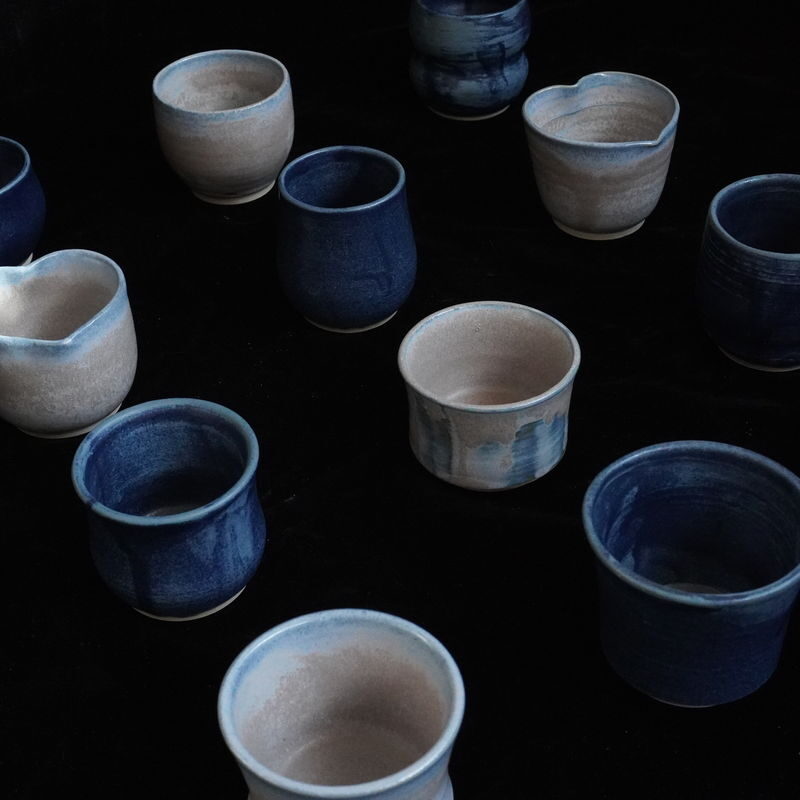
The standard pottery class concentrates on throwing and form. You’ll learn the wheel basics, create your piece, and leave the glazing to the instructor. You can choose a glaze color, and the instructor applies it after the session as part of the package.
The ink-pattern class adds decoration inspired by flowing ink marks. It builds on the same wheel-throwing foundation, but gives you a chance to add a more expressive surface treatment. Choose it if you care as much about the look of the finished piece as the process of shaping it.
The two options differ in price, with the standard class starting at US$45.89 and the ink-pattern class at US$63.75 under the stated buy-one-get-one-free offers. The actual value depends on the booking terms and what the offer covers. Check that the selected date, time, and number of participants are right before paying, especially since the voucher is valid only on its specified date and time.
There are a few possible extras. Adding a handle costs +80, though the currency is not specified in the details, so confirm the amount before agreeing. An extra self-glazing session is also available as an option, but it is not included in the standard instructor-glazed package.
A patient instructor matters more than a perfect first pot
The most consistently praised part of the experience is the teaching. The instructor is described as clear, patient, and attentive, with individual corrections when students struggle. That hands-on help matters because wheel throwing can feel awkward at first, and a quick adjustment to posture or pressure can make the difference between giving up and getting a shape started.
The tone also seems relaxed rather than performance-driven. You can ask questions, make mistakes, and receive help without being rushed through a polished demonstration. That is a good fit for a date, a friend outing, or a family activity where the shared attempt matters more than technical skill.
The class is conducted in Cantonese. Mandarin or English can be arranged by WhatsApp, so contact the studio before booking if you need instruction in either language. English-friendly teaching has been possible, but it is better to confirm rather than assume that every session will use English.
A practical tip: trim your nails before working with clay. Long nails can get in the way when your hands are close to the spinning piece. Wear clothes you don’t mind getting a little messy, though no special equipment is listed as necessary.
What happens after your hour at the wheel
Your piece goes through bisque firing and glaze firing after class. It cannot be collected on the same day, and the finished ceramic may take several weeks to be ready. Past class experiences point to a wait of around four to eight weeks, but the actual timing can vary, so ask K Studio for its current estimate.
The instructor-glazed package is convenient if you want to make the piece and leave the finishing work to the studio. You choose a glaze color, and the instructor applies it. If you want more control over the final design, ask about the optional self-glazing session and its extra cost.
Free engraving on the base is included, with a name or date as the suggested options. That small detail makes the piece more personal, particularly if you are making it as a gift or marking a special occasion. Delivery may be arranged through a third-party logistics provider, and delivery timing is an estimate rather than a guarantee. The details also state that you bear the risk concerning the item’s condition and use, so ask how collection and delivery are handled before you leave.






Timing, class size, and getting to the studio
The listed sessions run daily at 10:00, 11:30, 13:00, 14:00, 15:30, 17:00, 18:30, and 20:00. Each class is described as about an hour. Some past sessions have taken closer to an hour and a half, so avoid scheduling a tight appointment immediately afterward.
There is a mismatch in the group-size information. One description says a maximum of two people are taught in each class period, while the course information says classes can have up to seven students. A past class had six participants. Ask the studio how many people are booked into your chosen session if personal attention is important to you.
The meeting point is Ming Wah Industrial Building, Room C03, 20/F, Tsuen Wan. One class attendee found the walk from the subway station a little long, so allow extra time to locate the building and reach the studio. The address is more useful than relying on the broad location name alone.
Booking is by date and time, and the voucher is valid only for the specified slot. The listed policy allows no cancellations or refunds. That makes it worth checking your schedule, language needs, class size, and the BOGO terms before you commit.
Is the offer good value?
A pottery class is not just an hour of entertainment: the price includes clay, tools, use of the wheel, instruction, and firing fees. The standard package also includes instructor-applied glaze and free base engraving. Since two people can use the buy-one-get-one-free offer, it can be a strong value for a couple or friends, provided the offer applies to both seats in the way you expect.
The ink-pattern option costs more, but adds a decoration technique that can give the piece a more individual look. If you mainly want to try the wheel, standard throwing is the straightforward choice. If pattern-making is part of the appeal, the extra cost may be worth it.
Keep the limits in view. You make one piece, the session is short, and you wait weeks for the fired result. It is best priced as a guided creative experience with a keepsake, not as a full pottery course or a way to produce finished tableware on demand.
Who will enjoy K Studio most?
I’d choose this class for a pair looking for a hands-on date, friends who want a calm activity, or a parent and child who enjoy making things together. It also suits beginners who want patient guidance without signing up for a long course. The one-hour format is easy to fit into a day in Hong Kong, as long as you allow time to find the studio and do not expect to take your pottery home afterward.
It may be less suitable if you want a long, technically detailed workshop, need the finished piece immediately, or prefer to work without an instructor shaping or correcting your form. You should also confirm the group size if you are expecting near one-to-one teaching.
Should you book this pottery class?
Book K Studio if you want a relaxed first try at the pottery wheel, value clear instruction, and like the idea of taking home a piece you made yourself after it has been fired and glazed. The standard class is the better pick for learning the basics; choose ink patterns if surface design matters to you.
Before you pay, confirm the BOGO terms, the group size, your preferred teaching language, and the current wait for collection or delivery. If those details suit your plans, this is a thoughtful, hands-on way to spend an hour in Tsuen Wan, with a small handmade reminder waiting for you afterward.
Buy one get one free offer: K Studio | Pottery drawing experience class | Ink pattern drawing experience class | Tsuen Wan
“The instruction was very thorough. It was a very interesting class.”
FAQ
How long is the pottery class?
The class is listed as about one hour. Some sessions may run longer, so leave a little space in your schedule afterward.
What will I learn during the wheel-throwing class?
You’ll learn basic wheel control, including centering, opening, widening, pulling, and shaping the clay. The instructor demonstrates the techniques and guides your practice.
How many pieces will I make?
Each student makes one piece using 400 grams of white clay. Possible forms include cups, bowls, plates, bottles, and vases.
Is the class suitable for beginners?
Yes. No prior pottery experience is required, and the class is designed to teach basic techniques to beginners.
Can I take my finished pottery home on the same day?
No. Pieces go through bisque firing and glaze firing after the class, so they are not available for same-day pickup.
What languages are available?
The class is conducted in Cantonese. Mandarin and English can be arranged by contacting the studio through WhatsApp.
What is included in the class price?
Materials, tools, firing fees, and free engraving on the base with a name or date are included. In the standard package, the instructor applies the glaze; adding a handle costs +80, and an extra self-glazing session may be available.