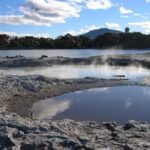
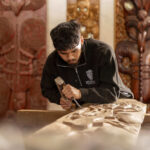
Whakarewarewa is not a staged village built for a show. It is a living Māori community, where geothermal heat has long helped shape daily life, from cooking to bathing. A local guide can connect the steaming ground and geysers to the people who call this place home.
I like two things in particular: the chance to hear about Māori life from guides with family ties to the village, and the small, memorable detail of tasting corn cooked in a hot pool. One consideration: the guided walk, geothermal trails, and cultural performance can be sold as separate options, so check your package before you book.
- A village on geothermal ground: See vents, mud pools, and geysers in the setting of a community that has lived here for generations.
- Local stories make the visit: Guides such as Wawi, Areiana, and Chief have been praised for clear, personal explanations.
- Corn cooked by the earth: Some guided tours include a free piece of corn from Parekohuru, the village’s largest cooking pool.
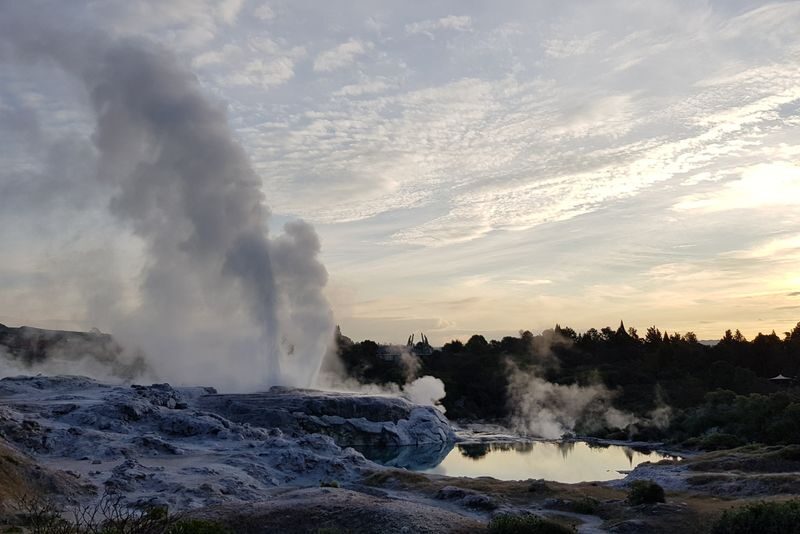
- Pohutu Geyser is a highlight: You may see it erupt, but activity is natural, so an eruption is not guaranteed.
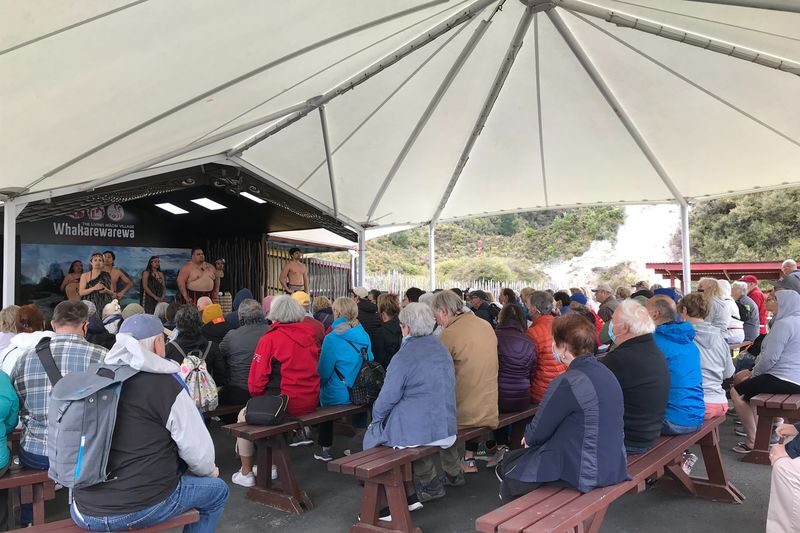
- The cultural show is separate: The roughly 30-minute performance includes Māori song, dance, and haka.
- Allow time to choose your package: A guided walk, self-guided trails, and performance tickets are distinct options.
- A living village, not a recreated set
- Start at Tryon Street and choose your ticket carefully
- Follow a guide into daily life
- Watch the geysers, but let nature keep its own schedule
- Taste corn cooked with geothermal heat
- Add the Māori cultural performance for song and haka
- Self-guided trails offer flexibility, with fewer explanations
- What the price buys you
- Who will get the most from the visit
- Should you book the Whakarewarewa tour?
- FAQ
- Where is Whakarewarewa Village?
- Is the guided village tour included with the cultural performance ticket?
- What can I see on the guided tour?
- Is Pohutu Geyser guaranteed to erupt during my visit?
- How long does the cultural performance last?
- Can I try corn cooked in a hot pool?
- How long should I allow for the geothermal trails?
- When should I arrive, and what happens if I am late?
- The Best Of Rotorua!
- More Guided Tours in Rotorua
- More Tours in Rotorua
- More Tour Reviews in Rotorua
- Not for you? Here's more nearby things to do in Rotorua we have reviewed
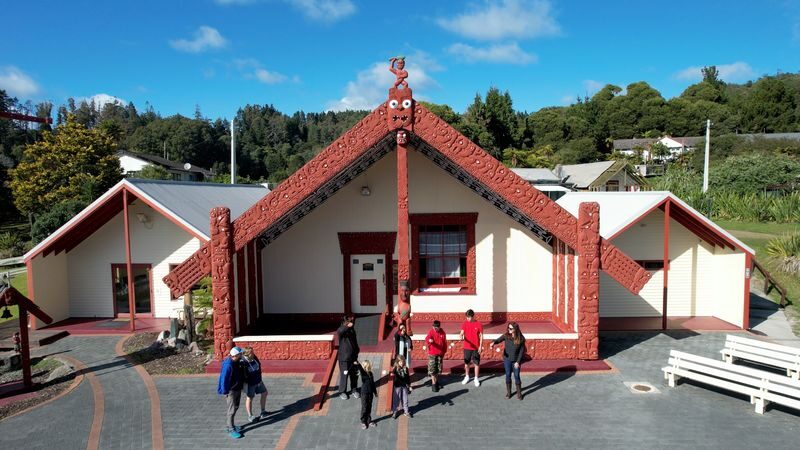
A living village, not a recreated set
 1 / 8
 2 / 8
 3 / 8
 4 / 8
 5 / 8
 6 / 8
 7 / 8
 8 / 8
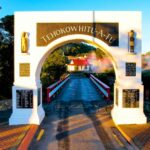
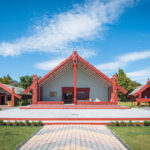
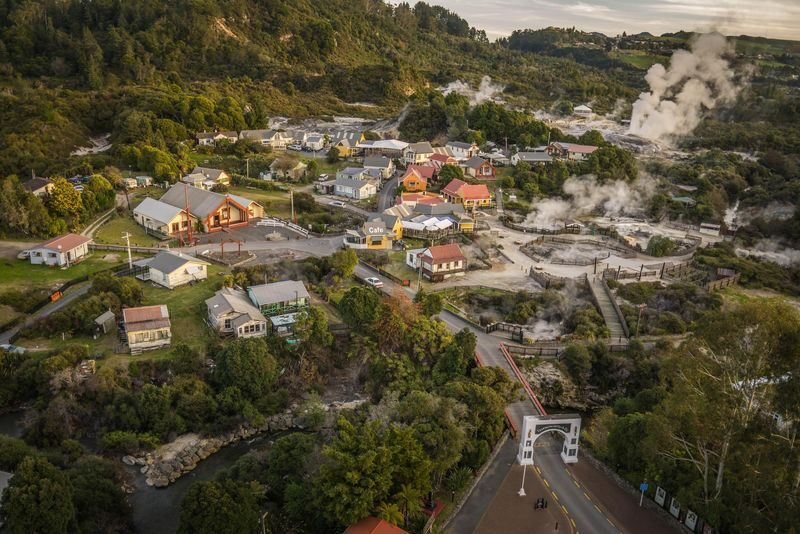
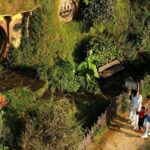
Whakarewarewa sits in Rotorua’s geothermal valley, where the ground steams and hot water is part of everyday life. The village is described as New Zealand’s only living Māori village on geothermal activity. More than five generations have lived here, and that continuity gives the visit a different focus from a geothermal park alone.
The point is not simply to look at bubbling pools. A local guide explains how residents have used heat from the earth for cooking, bathing, and warming their homes. That connection between place and daily routine is what makes the visit worth considering if you want more than a quick geyser photo.
Expect a real community, not an untouched view of the past. Residents live modern lives, and that is part of the story. If you arrive expecting a replica of an old village or a fully theatrical presentation at every turn, you may find the experience quieter and more ordinary than you imagined. Its value lies in hearing how tradition and present-day life sit side by side.
👉 See our pick of the 6 Best Guided Tours In Rotorua
Start at Tryon Street and choose your ticket carefully
The meeting point is 17 Tryon Street, Whakarewarewa, Rotorua 3010. Arrive 15 minutes before your scheduled activity. The voucher is valid only for its specified date and, where applicable, time. Late arrivals and no-shows are not refunded, and latecomers may not be allowed in after an event begins.
There are several ways to visit, and the package names matter. Options include the Geothermal Trails Self-Guided Experience, the Māori Cultural Performance, and the Whakarewarewa Iconic Village Guided Tour. An all-day option combining trails, a guided tour, and a performance has also been offered.
The listed starting prices vary by option. The supplied price summary gives a starting point of $24.25, while package prices shown include US$25.39 for the self-guided trails, US$21.09 for the performance, and US$33.09 for the guided village tour. Treat these as starting prices rather than one price for everything, and confirm the current price and inclusions before checkout.
This is especially important if the haka is high on your list. A performance ticket does not automatically include the guided village tour, and the guided tour package does not necessarily include the performance. Check the selected package rather than relying on the general description.
You can also read our reviews of more guided tours in Rotorua
Follow a guide into daily life
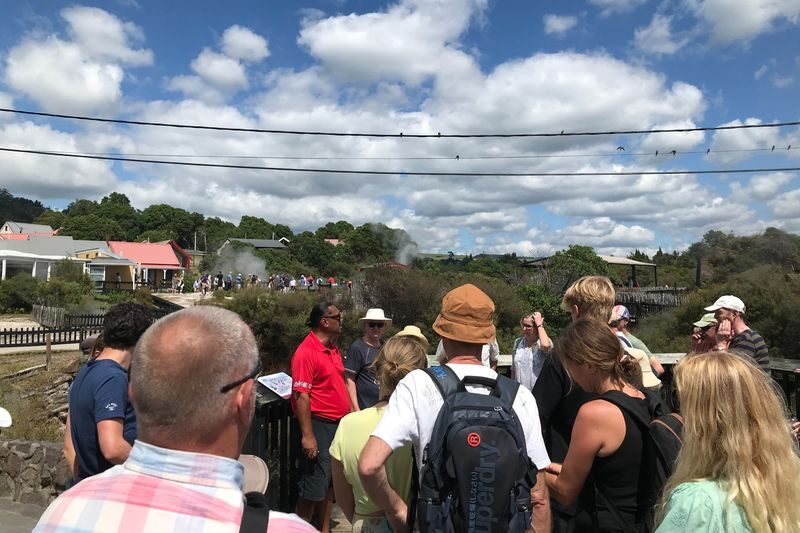
On the guided walk, your guide brings the village’s geothermal setting into focus. Steam vents and pools are not just dramatic scenery here. They help explain how families have cooked and bathed, and how the valley’s natural heat has shaped local routines and knowledge across generations.
The best reason to take the guided option is the context. You can see a geyser or a pool on your own, but a guide can explain how the land connects to people’s lives and traditions. Guides named Wawi, Areiana, and Chief have been singled out for welcoming, clear, detailed explanations. Individual guides and tour arrangements can vary, of course, but the personal perspective is central to what this visit offers.
Visitors have described guided walks lasting roughly an hour to an hour and a half, though timing can vary. One family completed a tour in under an hour and felt the village was compact; another described a tour of about 1.5 hours. If you have a performance booked afterwards, leave breathing room between activities rather than assuming the walk will take a set amount of time.
Some tours also reach a lookout with a view across the geothermal area. That can be a useful pause to take in the scale of the valley, especially after hearing about its use. Still, the village itself is not enormous, and you should not book expecting a long hike or a full day of guided walking.
Watch the geysers, but let nature keep its own schedule
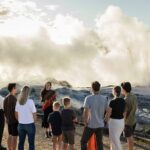
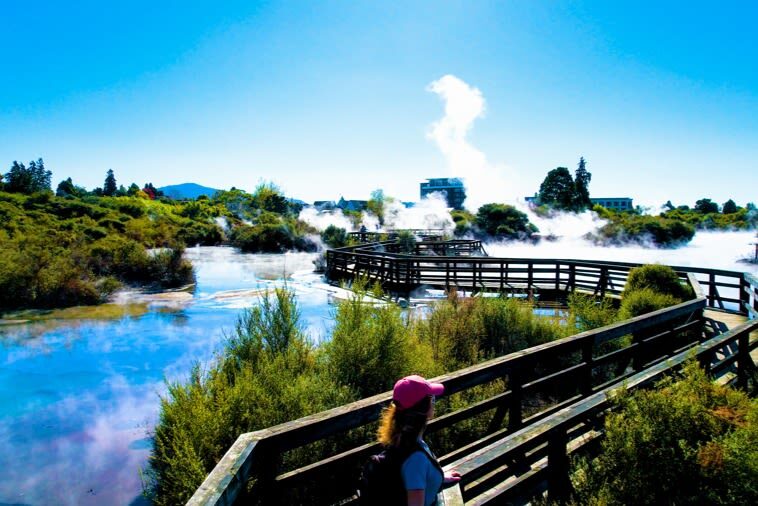
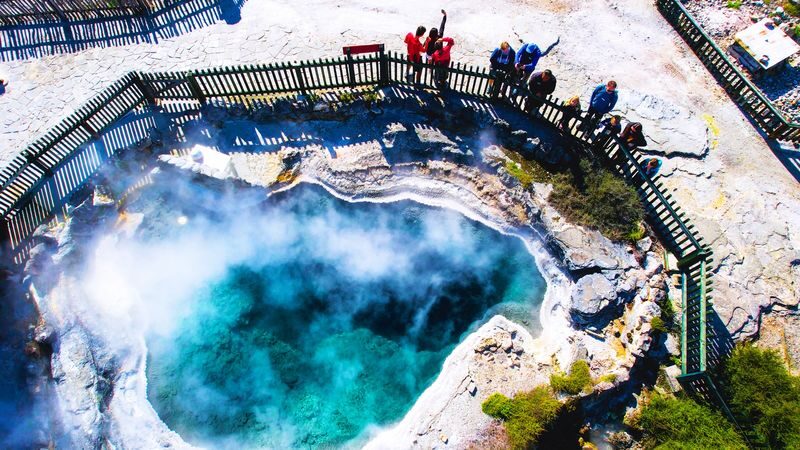
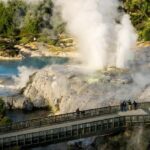
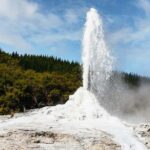
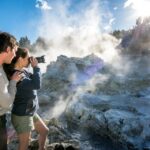
Whakarewarewa is home to Pohutu Geyser and the Prince of Wales Feathers geyser, alongside steaming vents and mud pools. Pohutu is a major draw: when it erupts, the plume makes a striking contrast with the village and the surrounding geothermal ground. Some visitors have described catching an eruption and getting a strong view during the tour.
But geysers are natural features, not timed stage acts. The available information does not promise an eruption during your visit, so treat one as a bonus rather than a guaranteed part of the itinerary. If you see it go off, enjoy the moment. If not, the guide’s explanation of the geothermal valley and the village’s use of its heat still gives the walk a clear purpose.
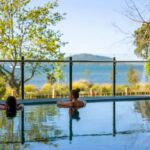
The geothermal details may feel more atmospheric in wet, cold weather. Rain and cool air meeting the steam can make the village seem wrapped in clouds. That can be lovely for photographs and mood, though wet weather also means you should dress for the conditions rather than count on a dry stroll.
Taste corn cooked with geothermal heat
A small but distinctive treat is a piece of corn cooked in Parekohuru, the village’s largest cooking pool. The warmth of the earth is not a backdrop here; it does practical work. Tasting food prepared this way gives you a simple, direct link to the cooking traditions your guide describes.
The corn is a modest inclusion, not a meal, so plan lunch separately if you need more than a snack. Still, it is exactly the kind of detail that makes the visit easier to remember: a local custom you can understand with your eyes, ears, and taste buds.
Be sure to check whether your selected package includes the guided tour and its corn tasting. The package details can differ, and a performance-only ticket is not the same as a village tour.
Add the Māori cultural performance for song and haka
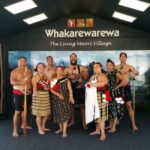
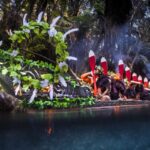
The cultural performance is a separate option and lasts about 30 minutes, according to the experience details and reported visits. It features Māori song and dance, with the haka as a powerful focal point. The performers also share aspects of Māori culture through the presentation, giving you more context than a sequence of dances alone.
The show has been described as energetic and engaging, and it can be especially appealing if you are visiting with children or want a clear, focused introduction to performance traditions. Some performances have invited people to join in a short song or dance. Do not count on participation being part of every show, but be ready to follow along if invited.
One practical detail catches some people by surprise: the performance may take place outside the village, near the reception area, rather than within the village itself. It is a compact show, not a long theatrical production. If you want to understand how geothermal life and village history connect, pair it with the guided walk instead of expecting the performance to cover everything.
Show schedules can differ by season. In one winter visit, only a midday performance was available, while other visits had different timings. Numbers are limited, particularly during the New Zealand summer, so pre-booking the performance is sensible if it is a must-see part of your day.
Self-guided trails offer flexibility, with fewer explanations
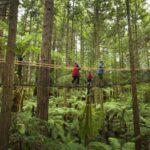
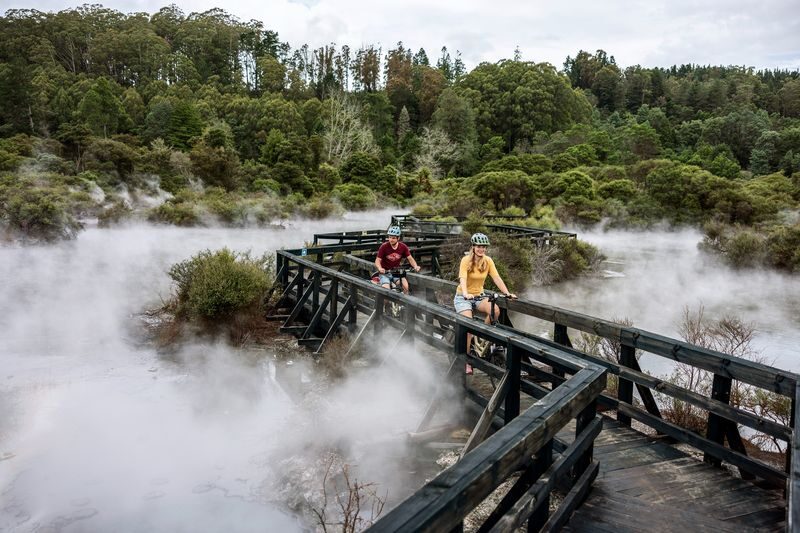
The self-guided geothermal trails suit you if you prefer to set your own pace or want to spend time looking at the pools without following a group. The trails have been described as taking about 45 minutes, with several lookout points and small mud pools along the way.
A map is provided, but it may not always be perfectly clear. The area is relatively small, which can make it easier to find your way, but you will get less cultural background than on a guided walk. If the human stories are the main reason you are coming, the guide is likely worth the extra cost.
You can also pair a self-guided visit with the performance, depending on the package you choose. Just keep the order and show time in mind so you do not end up rushing between the two.
What the price buys you
The value depends on what you want to learn. A performance-only ticket is the lower-cost way to see song, dance, and haka. The guided village tour costs more, but the local explanations are what turn geothermal scenery into a story about family life, tradition, and the practical use of natural heat.
If you are interested in both culture and geothermal features, the combined options can make better use of your time than buying only one element. Still, compare inclusions carefully. The listed package prices are not interchangeable, and the performance is not automatically bundled with the guided walk.
There is also a meaningful community dimension to the fee. The tour takes place in a village where people live, and visitors have noted that the cost helps support the continued care of the community and its traditions. That does not mean every moment will feel dramatic, but it helps explain why this is a different kind of visit from simply viewing a geothermal site.
Who will get the most from the visit
I would choose the guided tour if you want first-hand explanations of Māori life and the way residents use geothermal resources. It is a good fit for curious families, too: children have enjoyed both the walk and the performance, and the corn tasting offers a simple point of connection.
If you are mainly interested in an energetic cultural show, book the performance and check its location and schedule. If your priority is geysers and geothermal scenery, the trails or guided tour can work, but remember that an eruption is not guaranteed. For a fuller visit, combine the walk and show, with enough time between them to explore without watching the clock.
The main drawbacks are manageable but worth knowing. The village is compact, the tour may be shorter than a half-day outing, and the guide’s English can be difficult to follow for some visitors, particularly if the pace or accent is unfamiliar. If that is a concern, ask about language support when booking; a Korean translation was available for one small-group visit, but availability should not be assumed.
Should you book the Whakarewarewa tour?
Book it if you want a grounded introduction to Māori culture alongside Rotorua’s geothermal sights, especially if you value a guide’s personal connection to the village. The guided walk and the corn cooked in a hot pool make the visit distinctive, while the performance adds a lively, focused look at song, dance, and haka.
Skip the guided option if you only want a quick look at geothermal features and do not need the cultural context. If you do book, choose the package that matches your interests, confirm whether the performance is included, and arrive early. That small bit of planning can turn a short stop into a more rounded visit.
Whakarewarewa Village Guided Tour
“A personal guided tour has been proactively offered by the host namely 'Areiana' (if I spelled her name correctly) due to certain unforeseen circum…”
FAQ
Where is Whakarewarewa Village?
It is at 17 Tryon Street, Whakarewarewa, Rotorua 3010, New Zealand.
Is the guided village tour included with the cultural performance ticket?
No. The guided village tour and Māori cultural performance are separate package options. Check the details of the package you select.
What can I see on the guided tour?
The tour covers the living Māori village and its geothermal setting, including features such as steam vents, mud pools, and the area’s geysers. Guides explain how geothermal heat is used in daily life.
Is Pohutu Geyser guaranteed to erupt during my visit?
No. Pohutu is a natural geyser, and an eruption is not guaranteed during a particular visit.
How long does the cultural performance last?
The performance lasts about 30 minutes. Schedules may vary, so check the time for your chosen date.
Can I try corn cooked in a hot pool?
Some guided village tours include a free piece of corn cooked in Parekohuru, the village’s largest cooking pool. Check your package details to confirm what is included.
How long should I allow for the geothermal trails?
The self-guided trails have been completed in about 45 minutes. The guided village tour has taken roughly an hour to 1.5 hours, though timing can vary.
When should I arrive, and what happens if I am late?
Arrive at the meeting point 15 minutes before your scheduled activity. Latecomers may not be allowed into the venue after the event starts, and late arrivals and no-shows are not refunded.