At Geylang Serai, this food tour gets beyond the plate. You sample local dishes, look at the ingredients behind them in the wet market, then visit family-run food businesses around Joo Chiat. I like that you get both tastes and context, and that making popiah by hand gives you something to do, not just something to eat.
The other strong point is its focus on the east side’s food traditions, from Malay favorites to local coffee, belachan, and roti prata. The main consideration is practical: this is a food-heavy three hours, and the tour needs at least four participants to run. Come hungry, but pace yourself.
- What Makes This Food Journey Worth Your Morning
- Geylang Serai Makes a Good Starting Point
- Joo Chiat’s Shops Put Food Traditions to Work
- Make Your Own Popiah at Kway Guan Huat
- Putu Piring Is a Sweet Finish
- Three Hours, Several Stops, and a Full Stomach
- What the Price Covers, and What It Does Not
- Who Should Book This Singapore Food Tour
- Should You Book It?
- FAQ
- Where does the tour meet?
- How long is the tour?
- Is food included?
- Are the food stops halal-certified?
- Does the tour make popiah?
- What happens if the minimum group size is not met?
- The Best Of Singapore!
- More Food & Drink Experiences in Singapore
- More Tours in Singapore
- More Tour Reviews in Singapore
- Not for you? Here's more nearby things to do in Singapore we have reviewed
What Makes This Food Journey Worth Your Morning
 1 / 2
 2 / 2
- Geylang Serai Market brings the tour into a wet market and hawker centre, where you can connect local ingredients with familiar dishes.
- Joo Chiat’s family-run food businesses offer a behind-the-scenes look, including a visit to a well-known curry puff shop.
- Popiah is part of lunch and the activity: you roll your own at Kway Guan Huat before eating.
- Putu piring provides a sweet finish: you can watch the steamed rice cakes being made at a much-loved local stall.
- Food heritage is part of the conversation: the tour covers the origins of items such as coffee, belachan, and roti prata.
- The stops are halal-certified, an important detail for Muslim visitors planning where to eat.

👉 See our pick of the 25 Best Guided Tours In Singapore
Geylang Serai Makes a Good Starting Point
The tour begins at 9:00 a.m. at Geylang Serai Market, at the taxi stand in front of Joo Chiat Complex. Arrive about 10 minutes early. Paya Lebar MRT is roughly a 10-minute walk away, so you can reach the meeting point by train, then start the morning on foot.
Geylang Serai is a fitting place to begin a food-focused look at Singapore. The market and food centre bring together ingredients and prepared dishes, and the tour uses both settings to explain how food traditions carry into everyday meals. Rather than treating the hawker centre as a checklist of snacks, the guide can link what you taste to where the ingredients come from and how they are used.
You can expect to sample local dishes here, with a particular emphasis on Malay cuisine. Past tour participants have singled out dishes such as lontong, though the exact food served can vary. The useful thing is the range: you get to try several local favorites in one morning, and the guide’s explanations help you make sense of what is on the table.
A market visit adds a different kind of interest. You are introduced to local ingredients and spices, and shown how they turn up in familiar dishes. That context matters if you want to remember more than a name or flavor after the tour. It also gives you a better basis for exploring food centres on your own later in Singapore.
The trade-off is that a market is an active working place, not a quiet classroom. It can be hot and crowded, and you will be moving through a place where people are shopping and working. Past guides have been praised for keeping the group on track in those conditions, but you should still wear comfortable shoes and be ready to listen while standing.
You can also read our reviews of more food & drink experiences in Singapore



Joo Chiat’s Shops Put Food Traditions to Work
After the market, the route heads along Joo Chiat Road for visits to two family-run shops and food businesses. One is a famous curry puff shop. These stops take the tour beyond tasting and show you some of the work behind local food, from making and selling it to the family knowledge that keeps a business going.
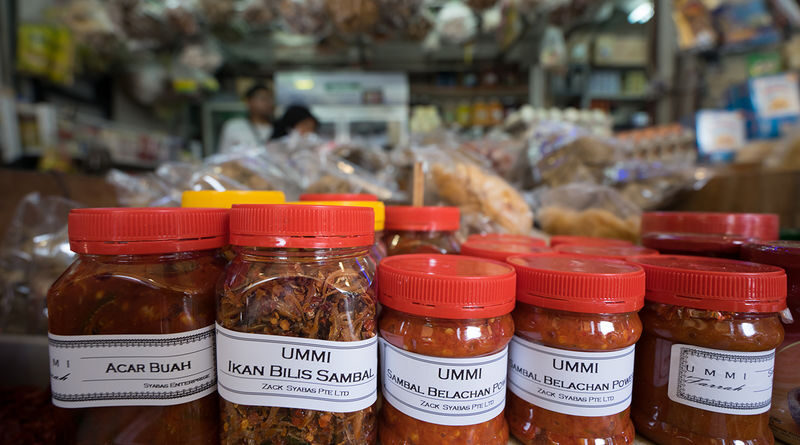
That behind-the-scenes angle is one of the tour’s best reasons to book. A hawker meal tells you what a dish tastes like; a visit to a food business can help explain how local food is made and passed on. The tour’s broader themes include the origins and heritage of local coffee, belachan, and roti prata. Those details give the meal a stronger sense of place.
There is no detailed description of each shop’s production process, so it is best not to expect a long factory tour or a cooking class at every stop. Think of these as intimate visits that add a practical look at the local food trade. You will have more opportunities to eat along the way, so don’t treat the early tastings as your entire meal.
Past participants have praised guides including Georgie, Boon, and Veron for sharing food knowledge and personal stories about the area. One guide, for example, shared practical tips about keeping food fresh. Your guide is not guaranteed to be one of those people, but the format gives the guide room to add local preferences and anecdotes that make the stops more useful than a simple tasting route.
Make Your Own Popiah at Kway Guan Huat
The hands-on popiah session at Kway Guan Huat is the tour’s clearest break from watching and sampling. You roll a popiah, a fresh spring roll, then sit down for lunch. It is a small activity, but it makes the food more memorable: you handle the ingredients and learn something about assembling a dish you have just encountered as part of the local food scene.
Popiah has been a particular favorite for some participants, and past comments have called it especially tasty. That is a good sign if you are curious about the dish, though taste is personal and the filling may not match what you know from home. One visitor from Taiwan, for instance, compared the experience to a familiar local snack while noting that the filling differed. The useful point is that the session gives you a new reference, not just another plate.
The popiah stop also functions as lunch, so it helps to manage your appetite before you arrive. The tour includes plenty of food before this point, and the guide may remind you to pace yourself. That advice is worth taking seriously. Sampling several dishes can add up quickly, especially if you arrive hungry and treat every early stop as a full serving.
Putu Piring Is a Sweet Finish
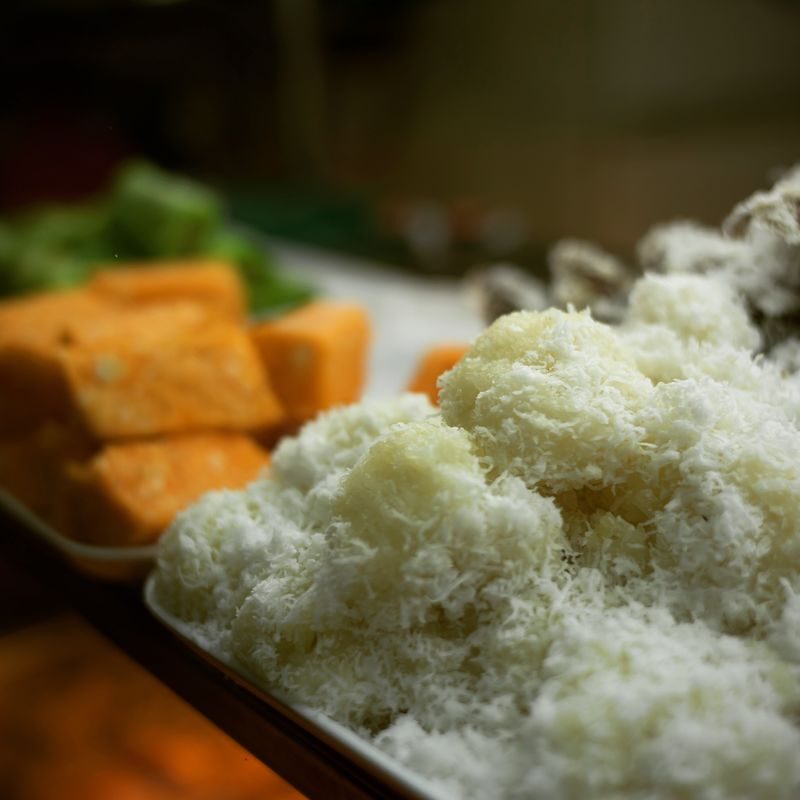
The final food stop is a putu piring stall. These steamed rice cakes are made in front of you, so you can see how the sweet treat takes shape before tasting it. The tour describes this as a favorite local stall and invites you to eat as many as you want, though your appetite may have other plans by then.
Ending with something sweet is a sensible finish to a morning of savory dishes. More important, the demonstration keeps the last stop from feeling like just one more snack. You see the food being prepared and get to connect the finished bite with its making. If you enjoy seeing how familiar-looking street foods are produced, this is a detail to look forward to.
The sweet finish is also a reminder that this tour is built around trying food, not simply hearing about it. The food sampling and popiah session are included. Personal purchases of food to take away are not, so budget separately if you want to bring home curry puffs or other items from the shops.
Three Hours, Several Stops, and a Full Stomach
The tour runs from 9:00 a.m. to about noon, returning to Geylang Serai Market. That half-day timing is convenient if you want a guided food experience without giving up your whole day. It also means the pace is brisk: the group moves among the hawker centre, wet market, food businesses, popiah session, and putu piring stop within roughly three hours.
Small groups have been part of past outings, including groups of five. That can make it easier to hear the guide and ask questions, but group size may vary. The tour requires at least four participants. If the minimum is not met, you can choose another date or request a full refund. That condition matters if your Singapore schedule is tight, so don’t assume a departure is guaranteed until the group is confirmed.
The schedule can also change with traffic or weather. Since the tour takes place around market and street settings, wear clothes suited to a warm morning and shoes you can comfortably walk in. The supplied details do not specify a full walking distance, so don’t plan on a precise mileage estimate.
You can also read our reviews of more tours and experiences in Singapore




What the Price Covers, and What It Does Not
The listed starting price is $80.99, while the Join In package information also shows a starting price of US$70.45. Those figures differ, so check the price for your chosen date and package before paying. The value depends on how much you want a guide to connect the food with the market, the neighborhood, and family-run businesses.
The fee includes an English-speaking guide, food sampling, and the popiah-making session. You also get a guided introduction to the wet market and visits to the food businesses. If you would otherwise pay for several tastings and a separate food tour, the package may be a practical way to combine them. If you mainly want a large lunch, you may find the value less clear: the point is variety and explanation, not a single substantial meal.
Personal food shopping is not included. The package is nonrefundable, so check your date carefully before booking. Food may contain allergens, including nuts and soya. If you have an allergy or dietary concern, check what is safe for you before eating; the tour information does not provide a dish-by-dish allergen list.
All featured stalls are halal-certified, which makes this route a useful option for Muslim visitors seeking local food experiences. Child tickets are listed for ages 7 to 21, and senior tickets for people 65 and older. Bring proof of age if you book one of those ticket types, as it may be requested before the tour begins.
Who Should Book This Singapore Food Tour
I would choose this tour if you want your food stops to come with useful explanations. It suits curious eaters who like Malay cuisine, want to understand local ingredients, and enjoy seeing how food is made. It is also a good fit if you prefer a structured morning with a guide rather than deciding what to try at the market on your own.
It may be less suited to you if you have a very small appetite, need detailed allergen assurances in advance, or prefer a slow visit to one neighborhood. The route covers several stops, and food is central throughout. You will get more from it if you can sample a range of dishes and stay engaged in warm, sometimes crowded market surroundings.
Should You Book It?
Book the Singapore Food Journey if you want a guided introduction to Geylang Serai and Joo Chiat that combines tasting with food traditions, market ingredients, and family-run businesses. The popiah session and the putu piring demonstration give the morning memorable, hands-on moments.
Skip it if you mainly want an inexpensive meal or cannot commit to a nonrefundable booking. For a food-curious visitor with three free morning hours, though, this is a thoughtful way to eat well and understand more about what is on the plate.
Singapore Food Journey Half-Day Guided Tour
“Great food, great guide, what's there not to love?!”
FAQ
Where does the tour meet?
Meet at 1 Geylang Serai, at the taxi stand in front of Joo Chiat Complex, by Geylang Serai Market. The start time is 9:00 a.m.; arrive 10 minutes early.
How long is the tour?
It runs from 9:00 a.m. until about noon, with the return point at Geylang Serai Market.
Is food included?
Food sampling and the popiah-making session are included. Personal purchases of food items are not included.
Are the food stops halal-certified?
Yes. All featured stalls are halal-certified.
Does the tour make popiah?
Yes. The tour includes a hands-on popiah rolling and lunch session at Kway Guan Huat.
What happens if the minimum group size is not met?
The activity requires at least four participants. If that minimum is not met, you can book an alternative date or request a full refund.