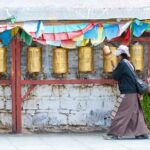
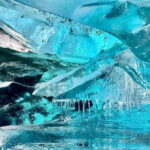
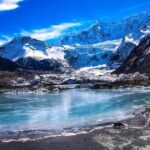
The appeal is the sheer range: in eight days, you go from the forest around Basum Tso to Namcha Barwa views, Everest Base Camp and the northern shore of Namtso. This is a road trip first and a sightseeing tour second, with long stretches between the big views.
I like the small 2 to 4 person group and the driver-guide’s photography help, including DSLR pictures, drone footage and a complimentary edited video. I also like that outdoor chairs and tables are provided for stops; a simple seat can feel like a luxury after hours on the road.
The main trade-off is the pace. Several days involve roughly 350 to 490 kilometers of driving at high altitude, and weather or road controls can change the plan. You also need to check eligibility: this tour is open only to residents of mainland China, Hong Kong and Macau.
- What makes this route different
- From Basum Tso’s forest to Sosong Village
- Crossing back toward Shannan or Lhasa
- Yamdrok Lake, Karola Glacier and Shigatse
- The climb to Everest Base Camp
- Siling Tso and the long way to Namtso
- What the small-group format buys you
- The price, inclusions and compromises
- Who should book this route
- FAQ
- How long is the tour?
- Who is eligible to join?
- How many people are in the group?
- Are meals included?
- What accommodation is included?
- Is the driver a professional tour guide?
- Are photos and drone footage included?
- Is medical oxygen provided?
- What should I bring?
- The Best Of Lhasa!
- More Photography Tours in Lhasa
- More Tours in Lhasa
- More Tour Reviews in Lhasa
- Not for you? Here's more nearby things to do in Lhasa we have reviewed
What makes this route different
- A forest start, then high passes: Basum Tso and Xin Tso bring a lighter walk through forest before the route turns toward the high-altitude road network.
- A chance to see Namcha Barwa at sunset: The second day ends around Sosong Village, where the tour aims for views of the mountain in evening light.
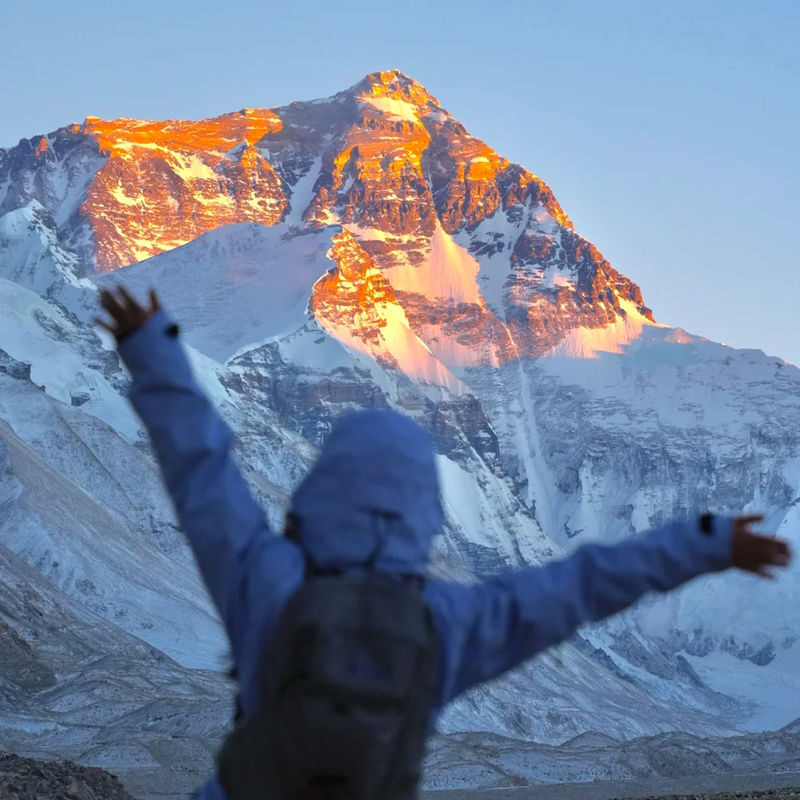
- Everest by road, with the famous 108 bends: The route climbs through Gyatso La and Gawula passes to Everest Base Camp, then returns to Shigatse the next day.
- A 2 to 4 person off-road vehicle: The listed vehicle class includes 4WD models such as a Tank, Wrangler, Prado or BJ40, with the exact model not guaranteed.
- Photography is part of the service: The driver-guide takes DSLR photos and drone footage, but weather, light and local restrictions determine what can be captured.
- A long final stretch to Namtso: Day eight goes via Bam Tso, Namtso’s north shore and Nagenla Pass before returning to Lhasa.
👉 See our pick of the 25 Best Tours In Lhasa
From Basum Tso’s forest to Sosong Village
Day one starts in Lhasa and follows the Lalin Expressway toward Basum Tso, then continues to Xin Tso and Jieba Village. The approximate distance is 360 kilometers. The mix of lake scenery, forest and a light trek gives the trip a gentler opening than a direct dash toward Everest.
The word light matters here: this is not described as a strenuous trek, but the altitude can still make an easy walk feel harder. Keep water and a warm layer close, and avoid treating the first day as a fitness test. The tour includes 10 liters of medical oxygen in the vehicle, but that should not be taken as a guarantee against altitude illness.
The first night is in the Xin Tso or Jieba Village area, in a hotel or inn of the stated standard. Rooms and the exact property depend on availability. Conditions in rural Tibetan areas can be basic, and water or power interruptions are possible, so pack toiletries, a flashlight and any personal items you rely on.
On day two, the route passes Sejila Pass and Lulang Town before reaching Sosong Village. The drive is listed at about 230 kilometers, and the target is a sunset view of Namcha Barwa. This is one of the trip’s strongest photo opportunities, but it is not a promised spectacle: cloud, season and light have the final say. The photography team cannot extend a stop just because the view does not cooperate.
Sosong Village accommodation is selected from a range of local hotels and guesthouses. Some listed options emphasize views, but a particular room or hotel is not guaranteed. If a mountain view is the reason you are booking, keep expectations flexible.
You can also read our reviews of more tours and experiences in Lhasa.
Crossing back toward Shannan or Lhasa
Day three is a longer return journey, about 480 kilometers. The route includes Buddha’s Hand Sand Dune, Mila Pass and the Eastern Tibet Grassland, then ends in Shannan or Lhasa, depending on the operating plan.
This day is less about settling in at one attraction and more about seeing the country change through the window. The driver-guide may explain the scenery en route, but this is not a professional guide service with a separate tour guide. If you want detailed cultural interpretation at each stop, this format may feel light on commentary.
There is also a slight itinerary ambiguity around the night’s location: the route description gives Shannan or Lhasa, and the accommodation plan lists hotels in both. Confirm the intended overnight stop before departure, especially if you have a separate booking or need to coordinate with someone in Lhasa.
Yamdrok Lake, Karola Glacier and Shigatse
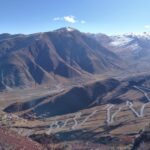
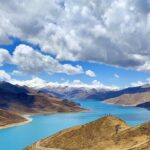
Day four heads from Shannan or Lhasa to Yamdrok Lake, Karola Glacier and Manla Reservoir, then continues to Shigatse. The stated distance is around 320 kilometers. It is a useful change of pace after the previous day’s long drive, with several scenic stops along the way.
Yamdrok Lake and Karola Glacier are the headline names here, but the day still involves substantial time in the vehicle. Treat photo stops as welcome breaks, not as long visits with unlimited time. The route can be reordered for weather, traffic or other practical reasons, while the operator says the main attractions will remain in the plan.
The night is in a standard room in Shigatse. Accommodation is twin-share by default. Solo travelers may be paired with another person of the same sex if room arrangements allow; anyone who wants a room alone should expect a single supplement. The exact hotel and room type are assigned according to availability.
The climb to Everest Base Camp
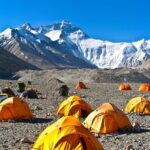
Day five is the approach to Everest Base Camp, around 350 kilometers from Shigatse. You pass Gyatso La, the entrance to the Mount Everest Nature Reserve, the 108 bends of Sky Road and Gawula Pass before reaching the base camp area.
The road itself is part of the experience. The 108 bends make the climb visually memorable, while Gawula Pass is a major viewpoint on the way toward Everest. Mountain weather can change quickly, so a clear view is never guaranteed. Bring warm layers even if Lhasa felt mild when you left.
The tour lists a standard room in the Basong Village area for this night, with several possible hotel options. Do not assume that the room is at the base camp itself. Ask the operator where the overnight stop will be for your date, and how much time the group expects to spend at the base camp.
Day six retraces the route via Gawula Pass and includes a G318 National Highway photo stop before returning to Shigatse, another drive of about 340 kilometers. That means the Everest visit is framed by two substantial road days. If you want a slow, multi-night stay in the Everest region, this eight-day circuit is not built for that.
Siling Tso and the long way to Namtso
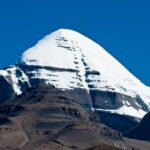
Day seven is the longest stated drive, about 490 kilometers. From Shigatse, the group goes via Namling, a wild hot spring and Jiegangri Snow Mountain to Siling Tso, then continues to Baingoin County.
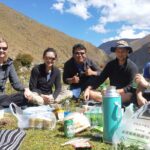
The hot spring stop and outdoor photography are unusual touches, but the details are not fixed. The tour describes opportunities such as boiling eggs in wild hot springs, prayer-flag blessings, starry-sky photography and outdoor picnics. These depend on conditions and timing. Picnic ingredients are self-provided, and the program does not promise a particular activity at a particular hour.
This is a day to travel light in the vehicle. Car space is limited, and the operator recommends keeping luggage within 26 inches. A small daypack for water, snacks and warm clothing will be more useful than repeatedly opening a large suitcase at roadside stops.
Day eight covers about 380 kilometers from Baingoin County via Bam Tso, the north shore of Namtso and Nagenla Pass, returning to Lhasa. The schedule gives an estimated arrival around 8 p.m. in normal conditions, but traffic controls, weather or road delays can push that later. Plan onward flights or trains for the following day, not the same evening.
What the small-group format buys you
The vehicle is a five-seat, four-wheel-drive model, and the group size is advertised as two to four people. That gives you more room and flexibility than a large coach, and it suits a route where photo stops and changing road conditions matter. It does not mean you can choose the exact vehicle, color or seat; the operator names several possible models but does not guarantee one.
The driver also acts as the group’s guide and photographer. A previous participant praised the driver’s steady handling on mountain roads, practical restaurant suggestions for people avoiding spicy food, and ability to explain scenery while driving. That is useful context, though one person’s experience does not guarantee the same driver or service on your date. No guide’s name is provided.
The photography package includes DSLR and drone shooting, original images and aerial footage, plus an edited video. Think of this as a helpful record of the trip, not a professional photo session on demand. The team cannot hold the schedule for ideal light, and photography may be restricted at checkpoints, bridges, military areas, private homes, temples and religious ceremonies. Ask permission before photographing local people, and be prepared to pay if you want pictures of people, yaks or Tibetan mastiffs near attractions.
Outdoor tables and chairs and the vehicle’s 10 liters of medical oxygen add practical value on a route with long drives and high elevations. The oxygen is shared vehicle equipment, not a substitute for medical care or a reason to ignore symptoms. The tour advises people with relevant health conditions, pregnant women, infants and older adults to seek medical advice and proceed cautiously.
The price, inclusions and compromises
The tour is shown at prices from US$1,124.39, while the specific 2 to 4 person package is also shown from US$977.75. Those figures do not match, so verify the live price for your date and package before paying. Seasonal dates and room availability may affect what you actually pay.
The quoted package includes seven nights of standard double-room accommodation, the 4WD vehicle, listed Tibet tickets and mandatory sightseeing vehicles, basic travel accident insurance, photography and drone footage, outdoor chairs and tables, and vehicle oxygen. The first and last gathering days do not include accommodation. Meals are not included, and the operator suggests sharing meal costs among the group. If you do not eat together, each person in the vehicle is expected to contribute 100 yuan per day toward the driver’s meals.
The value depends on what you want. You are paying for a difficult-to-arrange route, vehicle and driver, accommodation, listed admissions and photography support across eight days. You are not buying a comfort-focused holiday with all meals, a professional guide or guaranteed premium rooms. The vehicle will be your shared base for many hours, so the small group is a real advantage, but long drives remain long drives.
A further wrinkle is that the Everest portion may share a vehicle and guide schedule with a separate five-day Everest tour. The stated service, accommodation level and attraction benefits remain the same, but the group may coordinate vehicle capacity and split into their respective itineraries afterward. If you prefer a completely exclusive group, ask about a private custom arrangement.
Who should book this route
I would consider this tour if you want to connect Nyingchi, Everest and Namtso in one trip, value small-group transport and are comfortable with basic regional hotels and a demanding schedule. It also makes sense if photography support matters to you and you are happy to let weather decide whether the mountain views appear.
I would look elsewhere if you need a leisurely pace, a professional English-speaking guide, guaranteed hotel choices, or a trip that avoids very long drives. Most importantly, this particular product excludes foreign nationals and residents of Taiwan. Check eligibility before making plans, and arrange your return journey for the day after the tour.
Tibet Nyingchi Mount Everest 8-Day Panoramic Tour (Basum Tso + Xinco + Sosong Village + Yamdrok Lake + Karola Glacier + Shigatse + Mount Everest Base Camp + Namtso + 2-4 Person Off-Road Photography Small Group)
“The tour guide not only arranged the itinerary smoothly, but also took special care of our food preferences! Knowing that we are not used to spicy…”
FAQ
How long is the tour?
It is an eight-day route departing from Lhasa and returning there. The return is estimated at about 8 p.m. in normal conditions, but delays can make it later.
Who is eligible to join?
The tour is stated to be open to residents of mainland China, Hong Kong and Macau. Residents of Taiwan and foreign nationals are not eligible. Participants must be at least 10 years old.
How many people are in the group?
The package is described as a 2 to 4 person small group using a five-seat, four-wheel-drive vehicle. The exact vehicle model is not guaranteed.
Are meals included?
No. Meals are paid separately. The operator recommends sharing meal costs among the group; if you do not eat together, each person is expected to contribute 100 yuan per day toward the driver’s meals.
What accommodation is included?
Seven nights in standard double rooms are included. The first and last gathering days are not covered. Hotels are assigned based on availability, and solo travelers may need to pay a single supplement if a same-sex room share cannot be arranged or they prefer a room alone.
Is the driver a professional tour guide?
No separate professional guide is provided. A Chinese driver-guide handles reception during the route, drives and also provides the listed photography service.
Are photos and drone footage included?
Yes. The tour includes DSLR photography, drone aerial footage, the original files and a complimentary edited video. Results depend on weather, light, timing and local photography rules.
Is medical oxygen provided?
The vehicle is equipped with 10 liters of medical oxygen. The operator warns that the route is high altitude and advises people with relevant health conditions to consult a doctor before joining.
What should I bring?
Bring warm clothing, non-slip shoes, sunglasses, a hat, gloves, sunscreen, lip balm, toiletries, a flashlight, personal medication, snacks and a small daypack. The vehicle has limited luggage space, so the operator recommends keeping bags within 26 inches.