In Cheongun-dong, this small-group workshop pairs a traditional Korean tea ceremony with hands-on tea and cookie making. A host guides you through customs such as bowing and pouring, then you can put on ceremonial clothing, make a tea bag with Korean leaf tea, and prepare a sweet to enjoy with your cup.
I like two things especially: the chance to learn by taking part, rather than only watching, and the quieter, personal feel of a workshop for 2 to 12 people. One consideration is getting there. The address is away from Seoul’s easiest sightseeing routes, and arranging a car pickup can take time, so plan your ride in advance.
- What to know before you book
- A tea lesson with room to participate
- Ceremonial clothing makes the customs tangible
- Making a tea bag and a Korean sweet
- Cultural context beyond the cup
- A small group, not a guaranteed private lesson
- Getting to Cheongun-dong takes planning
- Is the price worthwhile?
- Who should book this workshop?
- FAQ
- Where does the tea ceremony take place?
- What is included in the package?
- Do I get to make tea?
- Is cookie making part of the activity?
- Can I wear traditional Korean clothing?
- What languages does the guide speak?
- Is there an age limit?
- How many people can join?
- What are the opening hours?
- Can I cancel and get a refund?
- The Best Of Seoul!
- More Tours in Seoul
- More Tour Reviews in Seoul
- Not for you? Here's more nearby things to do in Seoul we have reviewed
What to know before you book
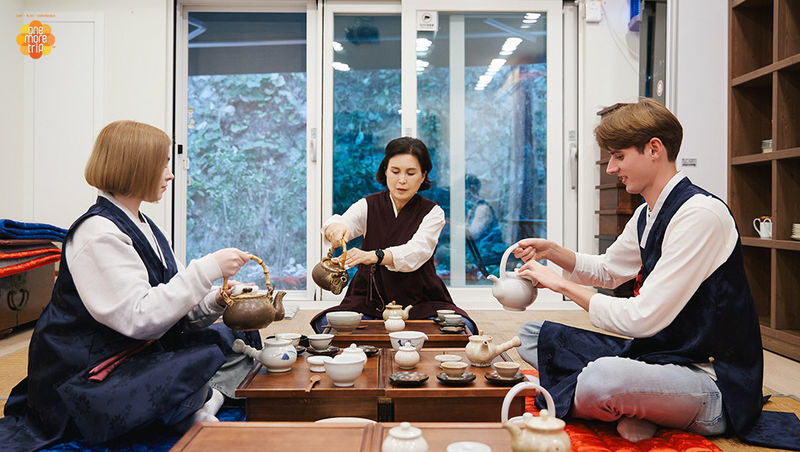
- You take part in the ceremony: The lesson includes traditional tea customs such as bowing and pouring.
- You can wear ceremonial clothing: The robes add a tactile element to the lesson, and hand-sewn garments have been part of the experience.
- You make tea and a sweet: The workshop includes preparing your own tea bag from Korean leaf tea and making tea cookies to taste with the tea.
- The host explains cultural context: The lesson can cover Korean tea traditions and their place in Korean culture.
- The setting is quiet and intimate: Group size is limited to 2 to 12, though the group may be smaller.
- Transport needs thought: The Cheongun-dong address can be awkward to reach by taxi, so do not leave the return ride to chance.
👉 See our pick of the 25 Best Guided Tours In Seoul
A tea lesson with room to participate
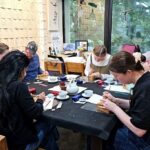
This is not simply a tasting where a cup arrives and the explanation ends. The host introduces the ceremony and its customs, then you have the chance to try parts of the process yourself. The details include bowing, pouring, and learning how Korean tea traditions differ from those of other countries.
That hands-on approach is useful if you are curious about Korean food and customs but want more than a quick demonstration. You get to observe the preparation closely, hear why the steps matter, and participate at a pace that suits a small class. The host-led format also gives you a chance to ask questions, though the exact lesson may vary.
The activity is presented in English, Japanese, or Korean. That matters in a cultural workshop, where a gesture or a small change in etiquette can carry more meaning than a list of ingredients. If you want a particular language, confirm it with the venue when arranging your session.
You can also read our reviews of more tours and experiences in Seoul.



Ceremonial clothing makes the customs tangible
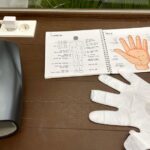
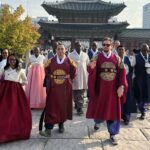
You can dress in a traditional Korean tea ceremonial robe during the experience. Clothing is more than a photo opportunity here: it helps set the tone for a ritual that asks you to slow down and pay attention to how tea is prepared and shared.
Hand-sewn ceremonial garments have been part of the sessions, and a participant who wears a US size 3X found a suitable option. That is encouraging, but it is not a formal size chart or a guarantee that every size will be available at every session. If fit is important to you, ask the host before you go.
The workshop’s quiet atmosphere is another part of its appeal. This is a good counterpoint to a day of busy streets and crowded attractions. You are not racing between landmarks; the focus is on a cup of tea, a few customs, and time to listen. If you prefer fast-paced activities, the measured rhythm may feel slow. For anyone who wants a calmer cultural stop, that is the point.
Making a tea bag and a Korean sweet
The tea portion includes making your own tea bag using Korean leaf tea. That gives you a small, practical connection to the ingredient, rather than leaving tea as something you only taste in a finished cup. You can also ask about the leaf and the way it is prepared, though the exact varieties and tasting notes are not specified.
The cookie-making part brings a second strand of Korean food culture into the session. You make tea cookies and taste them with the tea, turning the lesson into a modest cooking workshop as well as a ceremony. The available details do not specify the recipe, ingredients, or techniques, so do not book expecting a particular type of cookie or a full cooking class.
The pairing itself makes good sense. Tea and sweets are experienced together, and you can notice how the cookie changes the taste of the tea, or vice versa. If you have dietary needs, ask the host in advance. No special dietary accommodations are listed.
Cultural context beyond the cup
The ceremony offers a way to approach Korean tradition through an everyday object. Tea gives the host a natural path into subjects such as etiquette, the meaning of bowing, and the careful motions involved in preparing and serving a drink. One session has included discussion of Korean history and comparisons between Korean and Japanese tea ceremonies.
That context is particularly helpful if Korean customs have caught your attention through dramas or films. Screen portrayals can spark curiosity, but a guided lesson can explain what you are seeing and give you a chance to try the gestures yourself. The workshop is not a broad survey of Korean history; its value is in connecting a specific ritual to the culture around it.
Families with teenagers may find the activity works better than its quiet subject might suggest. The session has appealed to teens, in part because making and tasting something gives them a role beyond sitting through a talk. Still, it is not a high-energy attraction. It suits young people who are open to trying a cultural activity, and there is no age limit.
A small group, not a guaranteed private lesson
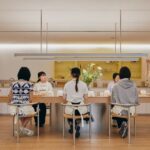
The stated group size is 2 to 12 participants. A session may feel nearly private if few people book, but you should not count on having the host to yourself. The small maximum is a real advantage: it leaves more room for questions and makes the ceremony easier to see than it might be in a large tour group.
The workshop is suitable for couples, friends, families, or solo visitors who are comfortable joining a small class. The same price applies to all ages, so families should check the final total carefully rather than assume children receive a reduced rate.
The calm setting and attentive host are central to the experience. The teaching style has been described as kind and clear, and the hosts may share the space as a personal home. That can make the session feel warm and direct, but it also means you should arrive with a respectful, guest-like attitude.





Getting to Cheongun-dong takes planning
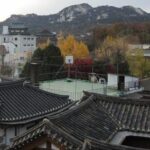
The meeting address is 12-5 Cheongun-dong, Jongno-gu, Seoul. Although it is in the city, do not assume it is an easy walk from the main sightseeing areas. The location has proved awkward to find by taxi, and arranging a car service for the return can take time.
I would arrange transportation before the workshop, especially if you have a fixed plan afterward. Check the address carefully, allow extra time to find the meeting point, and make a clear plan for how you will leave. The experience is open daily from 10:00 a.m. to 5:00 p.m., including public holidays, but you need to schedule a specific time directly through the venue’s reservation channels listed on your voucher.
The stated group size is 2 to 12. The session’s duration is not provided, so ask when booking if you need to coordinate it with another activity. Do not build a tight connection around an assumed end time.
Is the price worthwhile?
The activity is listed from US$60 for the Tea Ceremony and Making Tea Cookies package, while the summary price is shown from $66. Since those figures differ, check the final price and currency at checkout before you book. The listed inclusions are the tea experience and a guide who speaks English, Japanese, or Korean. Other personal expenses are not included.
Value depends on what you want from a Seoul activity. If you are after a quick snack or a low-cost tea tasting, this is more involved than necessary. But if you want a guided cultural lesson, ceremonial clothing, hands-on tea preparation, and a sweet-making activity in one visit, the price covers several parts of an experience that would be harder to arrange independently.
There are no age-based discounts, and the voucher is valid only for the date and time specified. Confirmation should arrive within 48 hours. The booking is nonrefundable, so check your schedule and transport plan before committing.
Who should book this workshop?
Book it if you are interested in Korean tea customs, traditional desserts, or the everyday cultural details that do not always fit into a sightseeing tour. It is especially well suited to visitors who enjoy listening, asking questions, and taking part at a relaxed pace. The option to wear ceremonial clothing and make a tea bag gives the session more variety than a talk alone.
It is also a thoughtful choice for a family with teenagers, a couple looking for a quieter activity, or anyone who wants a cultural break from Seoul’s larger attractions. The small group size and host-led format make it feel personal, while the tea and cookie work keep the lesson grounded in something you can taste.
Skip it if your schedule is too tight to manage the trip to Cheongun-dong, if you want a hands-on cooking class with a detailed recipe, or if your main priority is a large number of activities for the money. The workshop is about spending focused time with tea and its customs, not ticking off several sights.
Traditional Korean Tea Ceremony & Making Tea Cookies in Seoul
“It was a great and relaxing experience learning about traditional tea and eating homemade desserts!”
FAQ
Where does the tea ceremony take place?
The meeting address is 12-5 Cheongun-dong, Jongno-gu, Seoul.
What is included in the package?
The package includes the tea experience and a guide who speaks English, Japanese, or Korean. Other personal expenses are not included.
Do I get to make tea?
Yes. You can make your own tea bag using Korean leaf tea.
Is cookie making part of the activity?
Yes. The package includes making tea cookies and tasting them with the tea.
Can I wear traditional Korean clothing?
Yes. The experience includes the option to wear traditional Korean tea ceremonial clothing.
What languages does the guide speak?
The guide speaks English, Japanese, or Korean.
Is there an age limit?
No. The activity has no age limit, and the same price applies to all ages.
How many people can join?
The group size is 2 to 12 participants.
What are the opening hours?
The experience is available daily, including public holidays, from 10:00 a.m. to 5:00 p.m. You must arrange a specific time with the venue.
Can I cancel and get a refund?
No. Cancellations and refunds are not available. The voucher is valid only on the date and time specified.