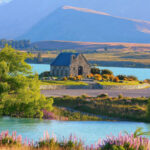
Lake Tekapo’s sky is the main event: far from town lights, the Milky Way can appear as a bright band overhead, and a telescope brings planets and star clusters into closer view. I like the small group, capped at 10, and the guide-led explanations that help you make sense of what you’re seeing.
I also like that transport to a private site, warm jackets and a digital photo are included. The trade-off is a big one: clouds, rain and even a bright moon can limit what you see, so this is a weather-dependent outing, not a guaranteed show.
- At a glance
- Leaving town for a darker patch of sky
- Learning the southern sky with a guide
- Taking turns at the 14-inch telescope
- The complimentary photo, with a few caveats
- Timing, seasons and the weather gamble
- What the price buys
- Who will enjoy this hour under the stars?
- Should you book Silver River Stargazing?
- FAQ
- How long does the Silver River Stargazing Experience last?
- Where does the tour meet?
- Is transport to the viewing site included?
- What is included in the price?
- What should I wear or bring?
- Can children join the tour?
- What happens if the weather is bad?
- How do I receive the tour photo?
- Is the experience wheelchair- or stroller-accessible?
- The Best Of Lake Tekapo!
- More Tours in Lake Tekapo
- More Tour Reviews in Lake Tekapo
- Not for you? Here's more nearby things to do in Lake Tekapo we have reviewed
At a glance
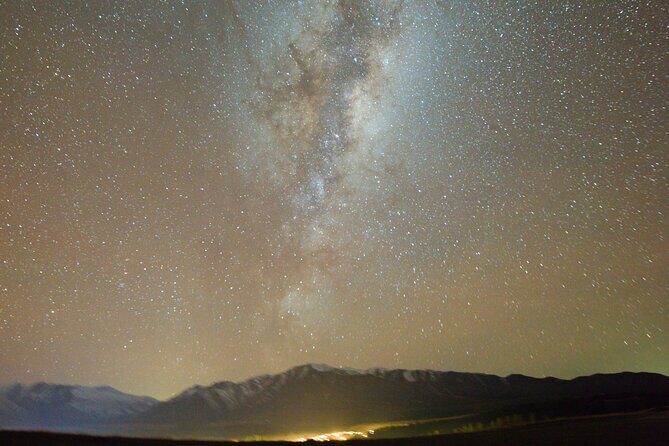
- A short ride to darker skies: The private viewing site is only a few minutes from Lake Tekapo township, but away from its lights.
- A 14-inch telescope: Take turns viewing stars, planets and clusters through a modern Meade telescope, with the guide helping you find your way around the sky.
- A guide who explains as you look: Guides such as Jojo, Wilson and Mary have been praised for clear, friendly explanations and an easygoing manner.
- A group of no more than 10: A small group means less waiting and more room for questions, though telescope viewing is still shared.
- Jackets and transport are included: The shuttle and warm jackets make a cold, dark outing easier to manage.
- The sky has the final say: Cloud cover and moonlight can change the experience, and severe weather may lead to a cancellation or rescheduling.

👉 See our pick of the 3 Best Tours In Lake Tekapo
Leaving town for a darker patch of sky
You meet at Silver River Stargazing, 12 Rapuwai Lane, in Lake Tekapo. Arrive 15 minutes before your selected departure time to check in. From there, a complimentary shuttle takes the group to a private site on a high-country station inside the Aoraki Mackenzie International Dark Sky Reserve.
The drive is short, generally around five to ten minutes. That quick transfer matters: you don’t need to arrange a separate ride or spend the evening driving out to find a dark spot. Yet the change from town to open country is striking. Once nearby lights fall away, the sky becomes the focus.
The company describes its private high-country location as part of a 50,000-acre area. You won’t be touring all that land; the point is that the viewing takes place well away from urban lighting. The site offers broad, 360-degree views, giving your guide room to point out constellations across the sky.
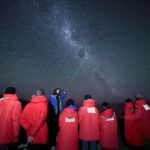
At check-in, warm jackets are available to borrow. Bring your own warm layers anyway, especially in winter, and ask for a jacket if you need one. A past visitor found the jackets were not offered without asking, so it’s sensible to confirm they’re available before boarding. There are no child-size jackets, which makes warm clothing particularly important for children.
You can also read our reviews of more tours and experiences in Lake Tekapo.


Learning the southern sky with a guide
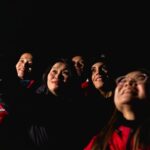
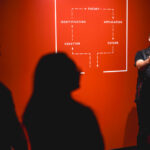
At the viewing site, your guide introduces the night sky with explanations and an astro-laser. Rather than simply pointing at a bright star, a good guide gives you landmarks and patterns to look for. You may learn to identify constellations such as the Southern Cross and hear how the visible stars change with the seasons.
Guides named in past experiences include Jojo, Wilson and Mary. Their styles differ, but the useful common thread is clear, accessible explanation. Jojo has been praised for humor and detailed talks; Wilson for guiding the group through the evening and setting expectations when conditions may change. Mary’s jokes and friendly manner also helped make the session feel relaxed.
The tour is in English, so you’ll get the most from it if you can follow spoken explanations. The subject is introductory rather than an advanced astronomy lecture, but the amount of detail can vary by guide and by what the sky allows. If you have a question, the small group format makes it easier to ask it than on a large coach tour.
The sky itself changes as the year turns. Some stars are visible throughout the year, while others appear only in certain seasons. That gives the experience a sense of place: you are looking at the southern sky from the Southern Hemisphere, not simply repeating a generic stargazing session.
Taking turns at the 14-inch telescope
The tour combines naked-eye viewing with time at a 14-inch Meade telescope. First, you learn to pick out stars and constellations overhead. Then the telescope offers a closer look at selected objects, which may include a planet or star cluster depending on the night.
That combination is more useful than a telescope alone. Looking up without equipment helps you understand the scale and shape of the sky; the telescope then reveals details that your eyes cannot resolve. Seeing a planet through a large scope can be a memorable first, but the exact objects depend on the season and conditions.
The group limit of 10 helps keep the queue manageable. Still, telescope viewing is shared, and one past participant noted that the setup used a single telescope. If you want extended time at the eyepiece, keep expectations realistic. The guide must give everyone a turn, and the session is also devoted to explanations and naked-eye viewing.
A clear sky makes a tremendous difference. With good conditions, you may see the Milky Way without a camera, along with stars and constellations spread across the dark. Some people report shooting stars, but those are chance sightings, not a promised feature. A bright moon can wash out fainter stars even when there are no clouds.
The complimentary photo, with a few caveats
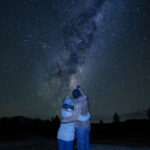
The tour includes a photo of you or your party beneath the starry sky, weather permitting. It’s a welcome extra because phone cameras often struggle to capture the night as your eyes see it. The operator sends a digital link after the tour, usually within 24 to 48 hours.
Photos are uploaded to a public Flickr account. You can download them from a computer, or use Flickr’s free app on a mobile device. The operator may also use tour photos on its website or social media, but participation in photos is voluntary. If you’d rather not be photographed, say so.
Treat the photo as a keepsake, not the main reason to book. The amount of time available for individual photos may be brief, and results depend on the conditions and camera work. One participant felt the photo was blurry, while others treasured theirs. Your own phone may capture something, but don’t count on it to reproduce the Milky Way clearly.
Timing, seasons and the weather gamble
The guided portion is described as about 75 minutes, although the experience is also advertised as one hour. Allow roughly an hour and 15 minutes for the tour itself, plus time to check in and travel by shuttle. Departure times vary through the year. In winter, sunset comes early, so tours can begin earlier; summer sessions start later, when the air is generally warmer.
Cold is part of the calculation. Even when you have a jacket, you’ll be standing outside in the dark. Wear warm clothing suited to the day’s forecast and bring a raincoat or poncho and a water bottle. The supplied jackets may not fit children, so dress them warmly before you arrive.
Weather can make or break the view. Clouds may block the stars, and the operator can cancel in very adverse conditions. Sometimes a later start is possible if the sky looks likely to clear. If the tour is cancelled, you may be offered a new time or a full refund. In less certain conditions, the operator may move the viewing location or proceed with limited visibility, so ask for a clear update if you have not received one.
A full moon is another factor, even under clear skies. It can brighten the sky enough to make faint stars and the Milky Way harder to see. If your schedule allows, keep some flexibility around your booking so you have more options if the forecast is poor.



What the price buys
The listed starting price is US$77.79, while the English join-in package is also shown from US$67.65. Prices can vary by booking details, so check the amount for your chosen date and time before paying.
The value is not just the telescope. Your price includes the shuttle from the office to the nearby private site and back, an English-speaking guide, use of the 14-inch telescope, warm jackets and a digital photo. For someone without a car, the transport and access to a dark viewing site are especially useful. A small group and guided explanations add more value than simply driving to a roadside lookout and hoping to recognize the constellations.
There are limits. You are paying for a guided introduction, not a private observatory session, and you won’t control which objects the telescope points at or how long you spend viewing each one. The tour also cannot control cloud, moonlight or wind. For a clear, dark night, the package offers a compact and convenient way to see the southern sky. For a cloudy night, the experience may be reduced or cancelled.
Meals, drinks and personal expenses are not included. The tour is not wheelchair- or stroller-accessible. Children aged 3 to 15 must come with a paying adult, and participants aged 16 or older pay the adult rate. Infants under 3 may be possible, but you must contact the operator before booking; only one infant can join each tour, and an infant still occupies a shuttle seat.
Who will enjoy this hour under the stars?
This is a good fit if you’re curious about astronomy but don’t need a technical lecture. A friendly guide, a few clear landmarks and a chance to look through a large telescope give beginners a useful introduction. Families with older children may find the Southern Cross and the telescope views make the night sky easier to connect with than a book or phone app.
It also suits you if you want a simple evening activity without arranging transport to a remote site. You meet in town, borrow a jacket, ride a few minutes and return to the same office. The small group helps keep the session personal, though you should be comfortable sharing telescope time and spending the evening outdoors.
You may want to compare it with an observatory tour if you are an experienced amateur astronomer seeking a longer session, more equipment or a more technical program. This experience is relatively short and introductory. Its appeal is the combination of an open dark-sky setting, an approachable guide and an easy ride from town.
Should you book Silver River Stargazing?
Book it if you want a guided first look at the southern sky and can accept that the weather decides how much you see. The short transfer, small group, 14-inch telescope, borrowed jackets and included photo make the outing straightforward and fairly good value on a clear night.
Before choosing a date, check the moon phase and forecast if your plans allow. Keep warm layers ready, arrive 15 minutes early, and ask promptly about any weather-related change. If you need a guaranteed view or several hours at a telescope, this is not the right promise to buy. If you want a concise, friendly introduction to Lake Tekapo’s dark sky, it is an appealing choice.
Silver River Stargazing Experience in Lake Tekapo
“The tour was amazing ! they picked us up and brought us to a mountain to see stars.. the sky was super clear and you can see the milky way. They ev…”
FAQ
How long does the Silver River Stargazing Experience last?
The guided stargazing session is described as about 75 minutes, though the experience is also listed as one hour. Allow extra time for check-in and the shuttle ride.
Where does the tour meet?
Check in at Silver River Stargazing, 12 Rapuwai Lane, Lake Tekapo 7999. Arrive 15 minutes before your selected departure time.
Is transport to the viewing site included?
Yes. Complimentary transport takes you from the office to the private stargazing site and back. The site is a few minutes from Lake Tekapo township.
What is included in the price?
The tour includes an English-speaking guide, return shuttle transport, use of warm jackets and a 14-inch telescope, a guided night-sky tour and a digital photo, weather permitting.
What should I wear or bring?
Wear warm clothing suited to the weather. Bring a raincoat or poncho and a water bottle. Jackets are available, but there are no child-size jackets.
Can children join the tour?
Participants must be aged 3 or older. Children aged 3 to 15 must be with a paying adult, and those aged 16 or older are charged the adult rate. Contact the operator before booking for an infant under 3; only one infant may join a tour, and the infant needs a shuttle seat.
What happens if the weather is bad?
The operator may cancel in very adverse weather, offer a later start if conditions may clear, or provide an option to reschedule or request a full refund if the tour is cancelled. Cloud and moonlight can also reduce visibility.
How do I receive the tour photo?
The photo is uploaded to a public Flickr account. Each person who booked is emailed a link after the tour, usually within 24 to 48 hours. On a mobile device, you’ll need the free Flickr app to access it.
Is the experience wheelchair- or stroller-accessible?
No. The activity is not wheelchair- or stroller-accessible.