Beyond Siem Reap’s temples, the countryside offers a different kind of discovery: a market, a Buddhist monastery and small family workshops linked by dusty village roads. On this half-day outing, you ride with a local driver and guide rather than navigate the backroads yourself.
I like two things in particular: the short visits to working family businesses, where rice wine, noodles and woven goods connect daily life with local craft, and the chance to reach places beyond the usual bus route. One consideration: the rides between stops can be brief, and the unsealed roads may be bumpy or dusty.
At a glance
- Phum Pheak Market opens the morning with a look at a local place to shop and gather.
- An old Buddhist temple and monastery bring the region’s religious life into focus.
- Family workshops may include rice wine, rice noodles, baskets and bamboo sticky rice cake.
- Vespa or tuk-tuk? Choose between a pillion ride on a Vespa or a tuk-tuk option, both with an English-speaking guide.
- The tour runs about four and a half hours, with hotel transfers, water, snacks and refreshments included.
- West Mebon and the Baray offer a final stop before the return to Siem Reap.
👉 See our pick of the 25 Best Guided Tours In Siem Reap
- At a glance
- A morning on the village roads
- Phum Pheak Market before the workshops
- Buddhist life at the old temple
- Rice wine, noodles and handwork
- West Mebon and the Baray
- What the ride feels like
- Guides make the stops make sense
- Does the price match the experience?
- Who should book this countryside tour?
- FAQ
- How long is the tour?
- Is hotel pick-up included?
- Can I choose a tuk-tuk instead of a Vespa?
- What should I bring?
- Are meals included?
- Who can take part?
- The Best Of Siem Reap!
- More Guided Tours in Siem Reap
- More Tours in Siem Reap
- More Tour Reviews in Siem Reap
- Not for you? Here's more nearby things to do in Siem Reap we have reviewed
A morning on the village roads
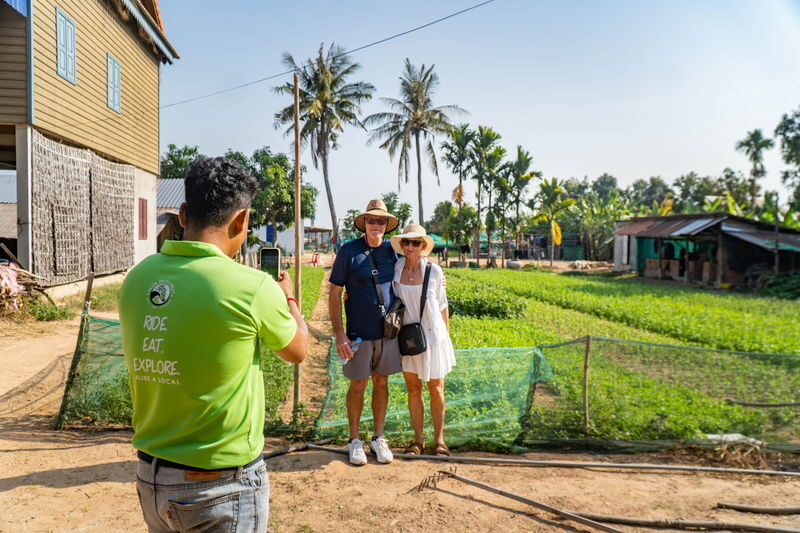
This tour is less about covering ground quickly than seeing how life works beyond the city. You leave Siem Reap by Vespa or tuk-tuk, then travel along a mix of village roads and unsealed tracks. The route links a market, a Buddhist site, local production stops and West Mebon, with a guide helping explain what you are seeing.
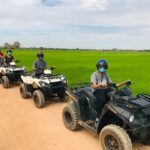
The Vespa option is a ride on the back of a scooter, not a self-drive rental. That makes it easier to watch the scenery and listen to your guide, but you should be comfortable sitting as a passenger on uneven roads. The tuk-tuk option gives you another way to make the trip; it is priced separately, so check the package details when booking.
The morning is scheduled from 8:00 a.m. to 12:30 p.m. Hotel pick-up and drop-off are available, with the operator confirming the time in advance. Transfers are shared, so your pick-up may be earlier or later than the selected time. Be ready in your hotel lobby ten minutes before the confirmed pick-up.
You can also read our reviews of more guided tours in Siem Reap


Phum Pheak Market before the workshops
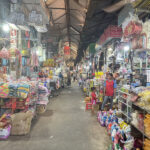
The first listed stop is Phsar Phum Pheak, also called Phum Pheak Market, west of Angkor Wat. A market is a useful place to start: it gives you a sense of the everyday commerce behind the temples and resorts, before the tour moves on to smaller-scale production.
The market visit is guided, but the exact activity can vary. One guide may take time to explain what is being sold; another may move the group along to keep the morning on schedule. The tour’s route and timings can shift with traffic and weather, so treat the clock as a guide rather than a promise.
Buddhist life at the old temple
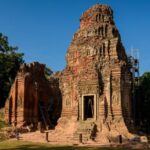
Around 9:30, the group visits an old Buddhist temple. This stop offers a chance to understand the place of Buddhism in Cambodia and see a religious setting outside the main temple circuit. One past route included a monastery where monks went about their routines, as well as a small animal sanctuary with peacocks.
Those details may not be part of every outing, so don’t count on seeing the same monastery or animals. The value is the broader glimpse into local religious life, which can make the region feel less like a string of monuments and more like a place where people live and worship. Be respectful, follow your guide’s directions and remember that a working religious site is not simply a photo stop.
Rice wine, noodles and handwork
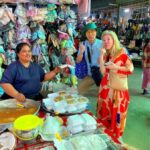
The family-business visits are the heart of the morning. Around 10:00, you visit a rice-wine maker and learn about a traditional small-scale process passed down through generations. The craft is concrete and easy to follow: you are seeing local production at close range, not just hearing a general account of rural life.
Other possible stops include rice noodle production, basket weaving, rattan goods and bamboo sticky rice cake. The schedule and what is being made can depend on the day. If a producer is not working when you arrive, your guide may still explain the process, but you may not see every step in action. That is worth knowing if you are booking mainly for a specific demonstration.
These are working family settings, not polished visitor centers. Conditions may feel basic, and some people may be more comfortable with that than others. I see that as part of the honest appeal, provided you arrive with an open mind and respect for the people who are showing you their work. If you want to support a craftsperson, you may find small items for sale; bring some spending money, since personal purchases are not included.
The food stops can be a memorable part of the tour, too. One route included bamboo sticky rice and a chance to try fried insects. These are possibilities rather than guaranteed menu items, so don’t book expecting a particular snack or tasting. Tell the operator about allergies, gluten intolerance, vegetarian needs or other dietary requirements in advance; special diets can be accommodated.
West Mebon and the Baray
The itinerary places West Mebon and the Baray at about 11:30, before the return around 12:30. This gives the morning a change of pace after the market and workshop visits, with time at a notable local site and nearby water.
The schedule also lists a meal stop at 11:00, but meals are not named among the included items. Snacks, bottled water and refreshments are included; ask before booking whether a meal is provided or whether you should plan to pay separately. This is a practical detail to settle, especially if you will be hungry after a morning out.
You can also read our reviews of more tours and experiences in Siem Reap



What the ride feels like
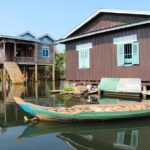
The roads are part of the experience, not just the connection between stops. Expect some unsealed village tracks and uneven surfaces. The ride can be fun and atmospheric, but it may be dusty and bumpy, and the time in the saddle is broken into short stretches. One account described the longest ride as about 15 minutes, with some legs only around five minutes.
That pattern suits you if the main draw is the stops and the countryside between them. If you want a long scooter ride, this may feel more like a series of short transfers than a motorbike excursion. Bring sunglasses and sunscreen, and consider clothing that can handle dust. A camera is also on the suggested packing list, though keep it secure while riding.
Guides make the stops make sense
An English-speaking guide is included, and the guide’s explanations can turn a quick visit into something more meaningful. Guides who have led the tour include Ravy and Oudom, Seyha, Sath, Phearon, Chantrea and Wandi. Those names are useful examples, not a promise of who will lead your departure.
The strongest moments come when the guide can connect the work to the people doing it. For example, a guide may explain how rice noodles are made even when production is not taking place that day, or help you understand the story behind a local craft. The guide also rides with or accompanies the group between stops, helping keep the morning on track and looking out for participants.
A past family group praised the care given to a young child, while another outing included four friends. Still, the listed age rules matter: participants must be at least two and under 60. Children aged 2 to 12 must travel with a paying adult. The activity is not recommended for anyone with limited mobility or certain medical conditions, including high blood pressure or epilepsy.
Does the price match the experience?
The advertised starting prices vary by package: the Vespa option with an English guide is listed from US$43.29, while the tuk-tuk option starts from US$39.75. A separate summary gives a starting price of $45.75, so check the live price and exact option before you pay. The amount can depend on the booking details.
For a half-day outing, the value comes from combining transport, a guide, several different stops, water, snacks, refreshments and round-trip hotel transfers. You are not paying only for a scooter ride. You are paying for access to a morning route that brings together local commerce, Buddhist life and family production without arranging each visit on your own.
It is a better value if you are curious about everyday life and willing to let the pace vary. It is less compelling if you mainly want a long ride, a formal museum-style visit or a guaranteed demonstration at every workshop. Personal expenses and tips are extra, and the meal stop should be clarified before you go.
Who should book this countryside tour?
I would choose this trip if you have already seen some of Siem Reap’s major sights and want a change of scale: small roads, local work and a guide who can explain the details. It is also a good fit for friends or families who like active mornings and do not mind a dusty ride. The tour’s mix of stops gives you more variety than a single workshop visit.
Think twice if you have difficulty riding as a passenger over uneven roads, need wheelchair or stroller access, or have a medical condition that makes the activity unsuitable. Luggage storage and delivery are not provided, so leave bags at your accommodation. And if your priority is a long, uninterrupted scooter ride, ask about the expected time on the road before booking.
My call: book it for the people and processes, not for the distance covered. The market, temple and family workshops offer a practical view of rural Siem Reap, while the Vespa ride adds a bit of adventure between them. Just go prepared for short rides, changing stop details and the simple conditions of working village businesses.
Siem Reap Countryside Half-Day Guided Vespa Tour
“Very great experience!! We had Ravy and Oudom as our guides and they were so friendly and informative, bringing us to the different countryside act…”
FAQ
How long is the tour?
The scheduled tour runs from 8:00 a.m. to 12:30 p.m., about four and a half hours. The schedule may change with traffic and weather.
Is hotel pick-up included?
Yes. Round-trip hotel transfers by tuk-tuk are included. The operator will confirm your pick-up time, and the transfer is shared, so it may be earlier or later than expected.
Can I choose a tuk-tuk instead of a Vespa?
Yes. There are Vespa and tuk-tuk options, each with an English-speaking guide. Check that you select the package you want when booking.
What should I bring?
Bring sunscreen, sunglasses and a camera. Since the route includes unsealed village roads, be prepared for dust and a bumpy ride.
Are meals included?
Snacks, bottled drinking water and refreshments are included. The schedule lists a meal stop, but a meal is not listed among the included items, so confirm this with the operator.
Who can take part?
Participants must be aged 2 or older and under 60. Children aged 2 to 12 must be accompanied by a paying adult. The activity is not recommended for people with impaired mobility or certain medical conditions, including high blood pressure and epilepsy.