A never-given engagement ring, an old umbrella and a note announcing a breakup turn private heartache into a small public exhibition. Shanghai’s Museum of Broken Relationships gives these objects room to tell their stories, then offers you a place to leave a message of your own.
I like two things in particular: the personal objects make the stories feel specific rather than abstract, and the Release Wall gives the visit a gentle ending instead of leaving you with a gallery of sadness. A cassette wall and photographs add variety to the displays.
One practical snag: the exhibition is compact, and the displays are in Mandarin. You may need a translation app to follow the stories, and allow extra time at admission in case staff need a while to find your Klook reservation.
- Key points to know before you go
- Personal keepsakes make the first room count
- The cassette wall adds a different kind of memory
- The Release Wall gives the visit a gentle finish
- Mandarin displays call for a little preparation
- A central stop on Nanjing East Road
- Does the .19 starting price feel worthwhile?
- Should you book the Museum of Broken Relationships?
- FAQ
- How long does a visit take?
- What does the ticket include?
- Where is the museum?
- Which floor is the museum on?
- What are the opening hours?
- Are the displays in English?
- Is there an age limit?
- Can I bring food, drinks or a pet?
- Can I cancel my ticket?
- Is the ticket valid on any date?
- The Best Of Shanghai!
- More Tickets in Shanghai
- More Tours in Shanghai
- More Tour Reviews in Shanghai
- Not for you? Here's more nearby things to do in Shanghai we have reviewed
Key points to know before you go
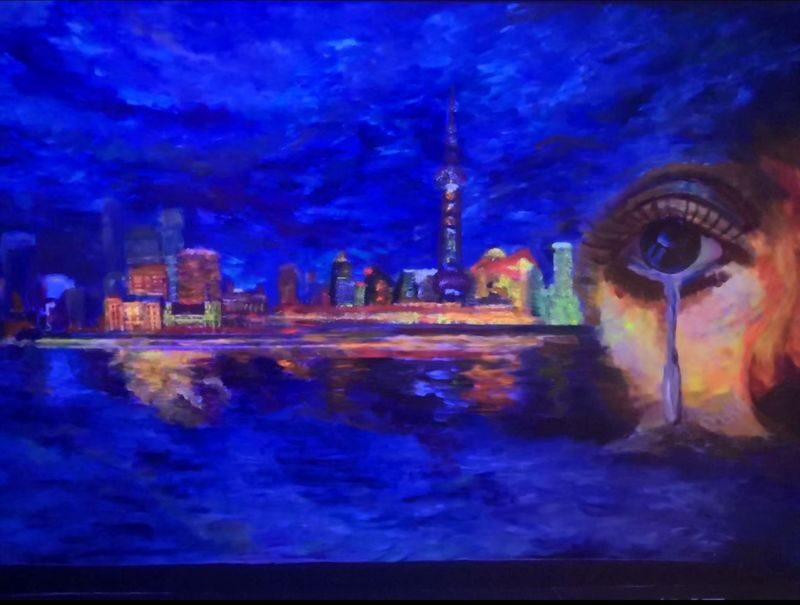 1 / 2
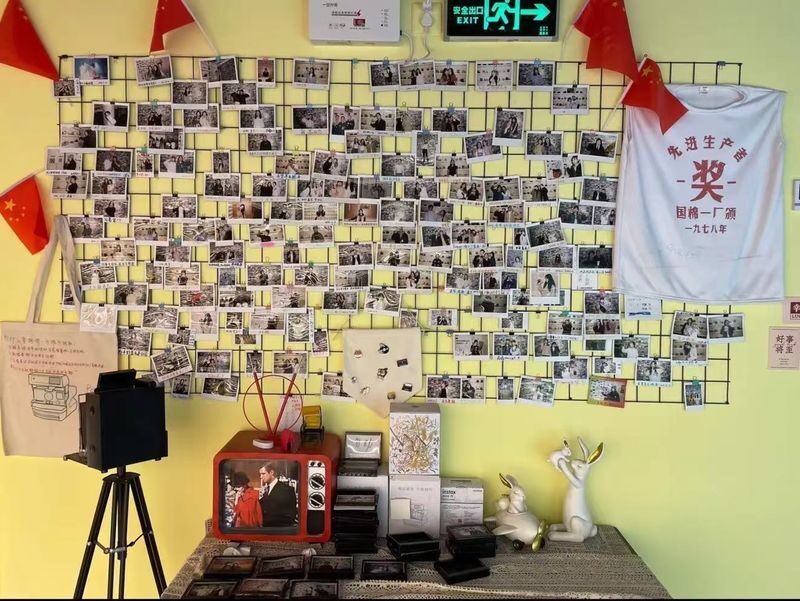 2 / 2
- A small exhibition, not a full-day museum: Plan on about an hour, with the exact pace depending on how long you spend reading.
- Objects carry the stories: Letters, keychains, rings, an umbrella and other keepsakes are paired with short accounts of the relationships behind them.
- The Release Wall invites participation: You can write a message to your past and leave it among other farewells and fresh starts.
- Mandarin is the language to prepare for: Bring a translation app if you do not read Mandarin.
- The location is central: The museum is in Shanghai Yuehui Plaza on Nanjing East Road, close to Nanjing East Road metro station.
- Admission is date-specific: The ticket is valid only for the selected date, so check your plans before booking.

👉 See our pick of the 25 Best Guided Tours In Shanghai
Personal keepsakes make the first room count
The museum’s central idea is simple: an object can hold a whole relationship. You move among old letters and glass cases filled with items such as keychains marked with lovers’ names, an engagement ring that was never given, and an umbrella that accompanied a couple on rainy nights. Each item is matched with a short account, tracing a path from the first spark to ordinary shared routines and, sometimes, a painful goodbye.
That approach works because it makes a familiar subject tangible. A breakup story can sound distant when it is told in general terms; a ring still waiting to be given, or a note ending a relationship, gives it an unmistakable human scale. You are not asked to judge who was right or wrong. The objects leave room for your own memories to surface.
One especially affecting example is a pillow embroidered with the words Forever and a Day. A couple in love for eight years had made it while preparing for their wedding, then separated a month before the ceremony because of disagreements tied to a long-distance relationship. The uneven stitching and a few mistaken colors are part of its appeal. The pillow is not polished or grand. It feels like the sincere work of someone who thought the future was settled.
This is where the exhibition can feel unexpectedly comforting. Its stories suggest that private grief is not always as singular as it seems. You might recognize a feeling, a keepsake, or the gap between what someone planned and what happened. The museum does not promise a cure, but it can offer the simple relief of seeing that other people have carried similar hurts.
You can also read our reviews of more tours and experiences in Shanghai


The cassette wall adds a different kind of memory
Alongside the letters and objects, you can see photographs and a wall of cassettes connected with memories of relationships. That change in format helps keep the exhibition from feeling like a row of glass cases. It also broadens the idea of what a keepsake can be: not just a ring or a note, but something tied to music, a period of life, or a shared routine.
The display is compact, so you will not need to set aside half a day. That is useful if you are fitting the museum into a larger Shanghai visit, or want a reflective stop between other plans. At the same time, a small footprint means the visit depends heavily on your interest in the subject. If you read slowly and take time with each story, an hour is a sensible estimate. If you move quickly, you may finish sooner.
Do not expect a conventional museum tour with a long sequence of rooms or a named guide. The ticket covers admission to the exhibition, and the information provided does not specify a guided tour. You can set your own pace, which is a plus if you want time to think, but less helpful if you need spoken explanations in English.
The Release Wall gives the visit a gentle finish
At the end of the exhibition is the Release Wall, where people leave messages to the relationships and versions of themselves they are ready to leave behind. The notes range from gratitude and good wishes to a promise to start again. Some are simple; others are playful, including a smiley face beside a declaration of independence.
This final stop changes the tone of the visit. Without it, the museum could feel like an archive of things that went wrong. The wall instead makes space for closure, or at least for a small act of letting go. You can read what others have written, and you may add your own message if that feels right. There is no need to turn it into a grand personal ceremony. A few words can be enough.
I like this balance. The exhibition acknowledges sadness without making it a spectacle. You are free to engage deeply or keep a little distance, and the closing wall offers a choice rather than demanding a particular emotional response. It is a thoughtful idea for anyone who wants a quiet, personal stop, though it may feel too earnest if you are looking for a light, novelty-style attraction.
Mandarin displays call for a little preparation
The exhibit text is in Mandarin. If you do not read it, a phone translation app can help you understand the short accounts beside the objects. Since the writing is a large part of the experience, translation makes a real difference: the keepsakes are moving on their own, but the context explains why a particular pillow, ring or note matters.
You can still appreciate the visual details without reading every line. But if you want the stories to land, arrive with your translation tool ready rather than trying to set it up at each display. The information available does not specify whether English translations or audio guides are offered, so do not count on them.
Keep your visit quiet. The museum asks people to avoid loud noise and anything that might disturb others. Outside food and drinks, as well as pets, are not allowed. Take care of your belongings, since the venue does not accept responsibility for lost items.
A central stop on Nanjing East Road
The museum is at Shanghai Yuehui Plaza, 353 Nanjing East Road, in Huangpu District, close to Nanjing East Road metro station. The meeting-point directions place it about a 50-meter walk from metro exit 3. That central location makes it practical to combine with other plans in the area rather than treating it as a separate day trip.
There is a small address detail worth checking before you set off: the directions identify the museum as being on the fourth floor, while another address detail gives F3. Since those floor references do not match, confirm the current floor or follow the venue’s latest directions when you arrive at the plaza. The building and street address are the useful anchors.
Opening hours are listed as 10 a.m. to 10 p.m. daily, Monday through Sunday. The ticket is valid only on the date you select, and the activity has no age limit. Booking can be made for the following day, with confirmation within 24 hours. If you need to cancel, the stated policy offers a full refund when you cancel at least 24 hours before the activity date, using local time.
One admission detail may take patience: staff may need extra time to locate a Klook reservation. Keep your booking information handy and allow a little breathing room before any tightly scheduled plans afterward. The ticket includes one admission; other personal expenses are not included.
You can also read our reviews of more museum experiences in Shanghai



Does the $6.19 starting price feel worthwhile?
At a starting price of $6.19, this can be good value if you are drawn to personal stories, unusual small museums or a reflective pause in the city. You are paying for a focused exhibition rather than a long list of activities. The value comes from the objects, the stories behind them and the chance to leave a note on the Release Wall.
The short duration is both an advantage and a limit. An hour is easy to fit into a day, and the central location keeps the outing straightforward. But if you expect a large museum or extensive English interpretation, the compact size and Mandarin displays may make the ticket feel less satisfying. The ticket is best treated as a thoughtful side stop, not a major attraction that will fill an afternoon.
I would put it on the list if you enjoy exhibits that connect everyday objects with human stories, or if you want a quieter experience between bigger sightseeing stops. It may suit a solo visit particularly well, since the displays invite private reflection, but there is no age limit and the subject is not restricted to one kind of visitor. If relationship stories are not your thing, or you want a high-energy activity, spend your time elsewhere.
Should you book the Museum of Broken Relationships?
Book it if you want an intimate, one-hour exhibition where a keychain, a letter or an unfinished wedding gift can tell a larger story. The Release Wall gives the visit a meaningful final note, and the low starting price makes it a modest commitment. Bring a translation app, verify the floor at Yuehui Plaza, and leave some flexibility for admission. Skip it if you prefer large-scale museums, English interpretation, or attractions built around spectacle.
Shanghai Brokenhearted Museum Ticket
“The museum is more of an exhibition with the compact size, but it does pack a lot to see! From old memories and pictures or relationships, to a coo…”
FAQ
How long does a visit take?
The stated duration is about one hour. Your pace will depend on how much time you spend reading the stories and looking at each object.
What does the ticket include?
It includes one ticket to the Museum of Broken Relationships. Other personal expenses are not included.
Where is the museum?
It is at Shanghai Yuehui Plaza, 353 Nanjing East Road, Huangpu District, Shanghai, near Nanjing East Road metro station. The directions place it about a 50-meter walk from exit 3.
Which floor is the museum on?
The directions identify the venue as being on the fourth floor, while another address detail says F3. Check the current floor information at the plaza or with the venue before heading up.
What are the opening hours?
The museum is listed as open daily, Monday through Sunday, from 10 a.m. to 10 p.m.
Are the displays in English?
The exhibition information is in Mandarin. Bring a translation app if you need help understanding the stories.
Is there an age limit?
No. The activity has no age limit.
Can I bring food, drinks or a pet?
No. Outside food, drinks and pets are prohibited.
Can I cancel my ticket?
A full refund is available if you cancel at least 24 hours before the activity date, using the destination’s local time.
Is the ticket valid on any date?
No. The voucher is valid only on the date you select, and on a specified time if one applies.