Seville’s Museum of Fine Arts is more than a room-by-room display of paintings. It occupies the former Convent of La Merced, where courtyards and church architecture give the art a strong sense of place. On this two-hour guided visit, you can connect Seville’s artistic past with the building that now holds it.
I like two things here: a guide can explain why the collection matters, and the contrast between the museum’s Renaissance and Baroque spaces and its paintings gives the visit variety. The collection spans Gothic art to Romanticism, with works by Murillo, Zurbarán, and other artists tied to Seville’s story.
The main consideration is the pace. You’ll be on your feet, and the tour involves stairs. Two hours is enough for an introduction, not a slow, close look at every gallery, so you may want to return on your own if a particular artist catches your eye.
- Key points before you book
- Why the Convent of La Merced changes the visit
- A two-hour introduction to Seville’s art
- What the guide adds to the paintings
- Starting beside Murillo’s statue
- Is the price good value?
- Who will get the most from this tour?
- Should you book the Seville Museum of Fine Arts tour?
- FAQ
- How long is the tour?
- Where do I meet the guide?
- How early should I arrive?
- Is museum admission included?
- What languages are available?
- How many people are in the group?
- Can children join the tour?
- Does the tour involve much walking?
- The Best Of Seville!
- More Walking Tours in Seville
- More Tours in Seville
- More Tour Reviews in Seville
- Not for you? Here's more nearby things to do in Seville we have reviewed
Key points before you book
 1 / 8
 2 / 8
 3 / 8
 4 / 8
 5 / 8
 6 / 8
 7 / 8
 8 / 8
- The former convent is part of the visit: The 13th-century Convent of La Merced supplies courtyards and architectural detail alongside the artworks.
- Expect a broad sweep of art: The collection ranges from Gothic works to Romanticism, with artists including Murillo, Zurbarán, and Pacheco.
- The guide is central to the experience: Admission and an English-speaking guide are included, so you can focus on the stories behind the works rather than planning your own route.
- Plan for walking and stairs: Wear comfortable shoes and be ready to spend much of the two hours moving through the museum.
- The group is small: The tour runs with four to eight participants, with a minimum of four needed for the activity to go ahead.
- Check the final price: The English join-in option is shown from US$20.15, while the summary price is listed from $23.15. Confirm the amount at checkout.
👉 See our pick of the 25 Best Guided Tours In Seville
Why the Convent of La Merced changes the visit
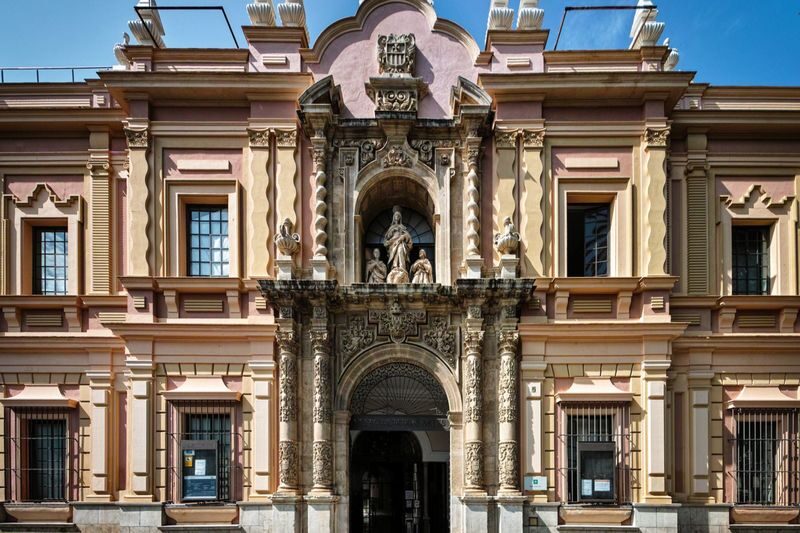
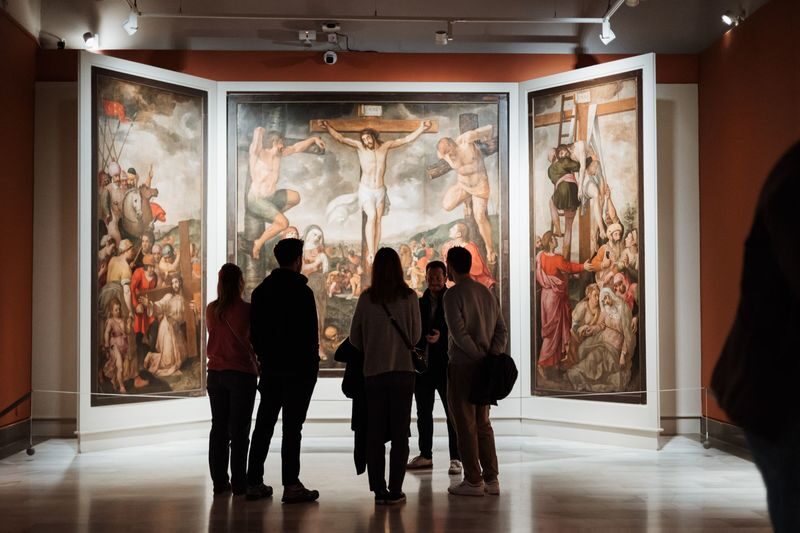
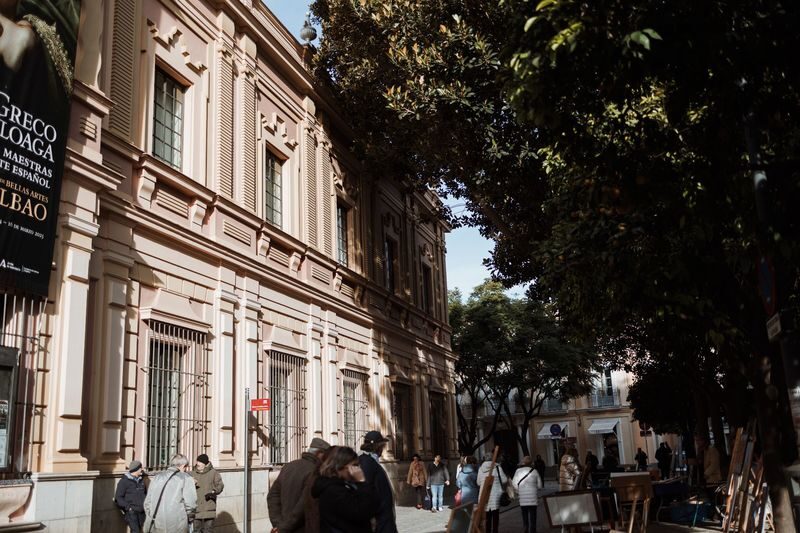
The museum is housed in the former Convent of La Merced, a building whose origins reach back to the 13th century. Its religious past is not just a footnote: it helps explain the setting for a collection shaped in part by the seizure of artworks from convents and monasteries in 1835.
That history gives the museum a different feel from a purpose-built gallery. You move between art and architecture, with the building’s courtyards offering a pause from the paintings. The Claustro de los Bojes and Claustro Mayor are named highlights, and the museum’s Renaissance and Baroque design adds another layer to the visit.
I’d think of the building as part of the collection, not just a handsome container for it. The courtyards can help you picture how the site once functioned, while the artworks tell a wider story about religious institutions and artistic life in Spain. The tour’s guide can join those threads together in a way that is hard to get from labels alone.
There is a practical trade-off. A historic convent is not necessarily as straightforward to navigate as a modern gallery, and this activity includes stairs. If mobility or access is a concern, check the museum’s official accessibility information before booking.
You can also read our reviews of more walking tours in Seville


A two-hour introduction to Seville’s art
The tour starts at 11:00 and returns to the same address at 13:00. That fixed two-hour window makes it easy to fit into a morning in the old town, but it also means you should expect a guided overview rather than an unhurried visit to every room.
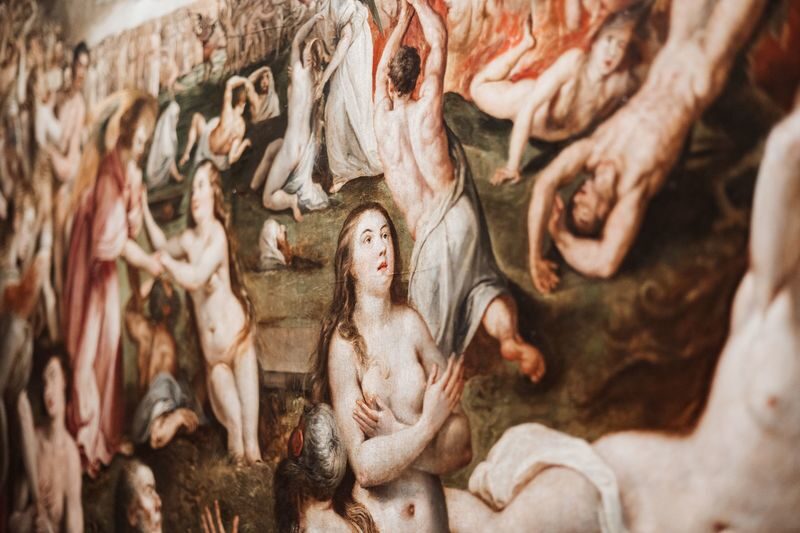
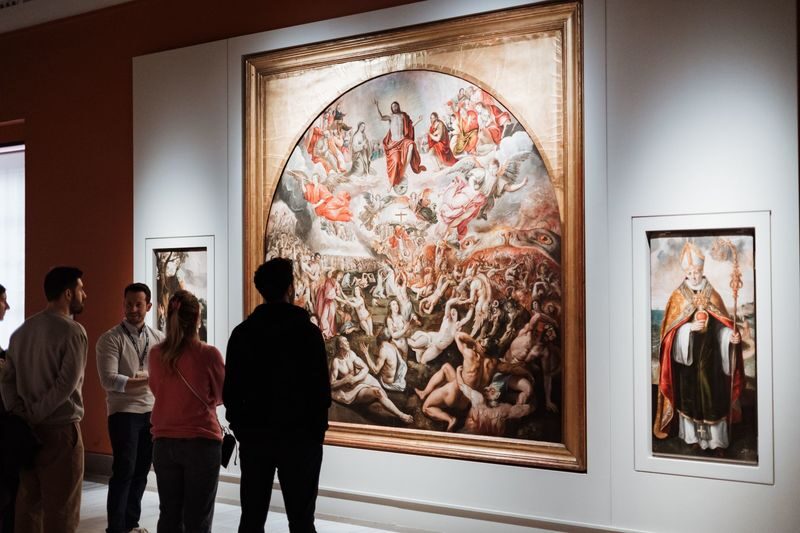
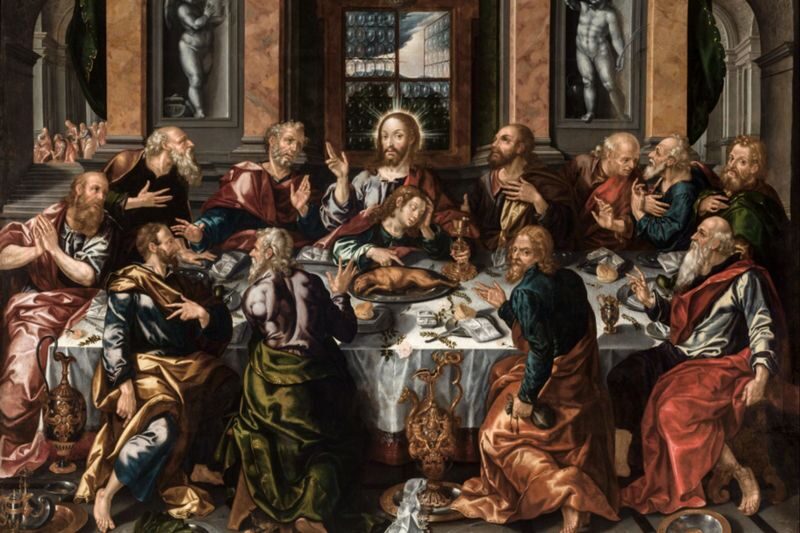
The collection covers a wide span, from Gothic art through Romanticism. That range is useful if you want a first introduction to Spanish art, since it lets you see changes in style and subject over time. The tour description includes sculptures as well as paintings, so the experience is not limited to canvases.
The museum is known as Spain’s second-largest art gallery. That is a substantial collection, but don’t take it to mean you will see everything in two hours. A guide-led route helps focus your attention on selected works and the stories that make them easier to remember. You can always return to a room or artwork that interests you, if the visit format and remaining time allow.
The artists named for the collection include Murillo, Zurbarán, and Pacheco. Their presence gives the visit a clear connection to Seville’s artistic legacy. Rather than treating the names as a checklist, listen for how the guide explains their place in the wider collection and what to notice in the works you see.
What the guide adds to the paintings
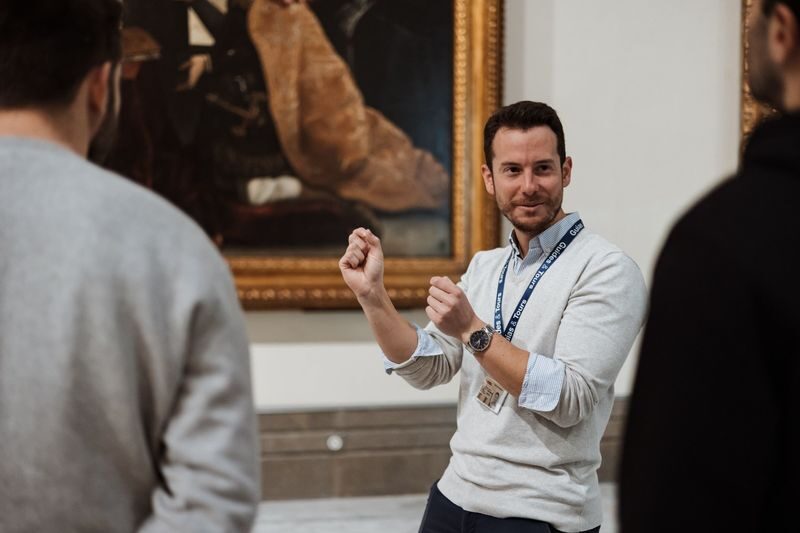
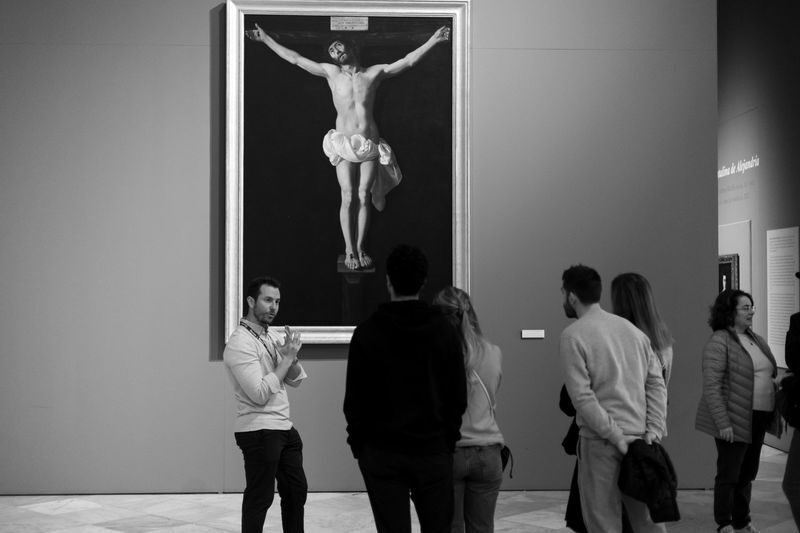
A museum visit can easily become a parade of frames and dates. The main value of this tour is the English-speaking guide, who is there to explain the history and stories behind the works. That context can help you understand why a painting matters, not just who made it.
Names associated with positive guide feedback include Augustine and Augusto. The tour details do not guarantee that either will lead your visit, so I would book for the museum and the guided format rather than for a particular person. The overall experience depends in part on the guide’s pace and explanations, as it does with any small-group museum tour.
The group size is four to eight participants. That is small enough to feel more personal than a large tour, while still being a shared visit rather than a private one. A minimum of four is required, so a departure may need to be changed if that number is not met. In that case, you can choose another date or request a full refund.
One useful question to keep in mind as you walk is how the building’s former religious life relates to the collection now inside it. Works taken from convents and monasteries became part of the museum’s holdings after 1835. That shift from religious setting to public museum gives the visit a historical thread beyond the artists’ names.
Starting beside Murillo’s statue
The meeting point is at Pl. del Museo, 9, next to the statue of Murillo. Arrive 15 minutes before the 11:00 departure so you have time to find the guide without a last-minute dash. The tour returns to the same address at 13:00.
There is no hotel pickup or drop-off. You’ll need to make your own way to the museum, and the meeting point is specific enough to locate once you are at the square. The voucher is mobile, and it is valid only on the date and time booked.
Late arrivals and no-shows are not refundable. That makes the early arrival advice worth following, particularly if you have other plans later in the day. The schedule may change because of traffic or weather, though the tour itself takes place at the museum.
The package options include join-in tours in English and Spanish. The English option is the one described here. Admission is included, along with the guide, so you do not need to buy a separate museum ticket for this activity.
Is the price good value?
The advertised starting prices are not identical: the tour summary gives a starting price of $23.15, while the English join-in option is shown from US$20.15. Treat both as starting figures, not a guaranteed final cost, and check the amount shown for your date before you pay.
For the price of a modest meal or a couple of museum extras, you get admission and two hours with an English-speaking guide. That can be good value if you want someone to put the artworks in context and help you use your limited time well. It is less compelling if you prefer to move slowly, read every label, or choose your own route without a group.
The tour does not include meals, drinks, transport to the museum, personal expenses, or tips. Those exclusions are easy to plan around, but remember that the ticket price is not a door-to-door experience. You are paying for the museum visit and guided interpretation.
You can also read our reviews of more museum experiences in Seville


Who will get the most from this tour?
I’d recommend it if you enjoy art but do not want to tackle a large collection alone. A guide can make the museum more approachable, particularly if you have limited time in Seville or want to understand how its art connects to the city’s religious and cultural past.
It also suits visitors who appreciate historic buildings. The former convent’s courtyards and Renaissance and Baroque features offer a change of pace from looking at artworks, and make the museum feel distinct from a standard gallery visit.
Families can bring children, but children aged 0 to 17 must be accompanied by a paying adult. Children aged 0 to 8 are free, though infants and children must still be included in the passenger headcount when booking. The walking and stairs are worth considering with young children.
This is not the best choice if you need a fully flexible visit or want extensive time with every artwork. The tour lasts two hours, involves a considerable amount of walking and stairs, and follows a guide-led format. Wear walking shoes and dress for the day’s weather.
Should you book the Seville Museum of Fine Arts tour?
Book it if you want a compact, guided introduction to one of Seville’s major art collections, especially if the mix of paintings, sculpture, and convent architecture appeals to you. The small group and included admission make the format straightforward, while the guide can supply context that turns a short museum visit into more than a quick look at famous names.
Skip it if you would rather explore at your own pace or have difficulty with stairs and extended walking. If you do go, arrive early, wear comfortable shoes, and treat the two hours as a well-focused introduction. Leave yourself the option of returning to the museum independently if you want more time with the works that speak to you.
Seville Museum of Fine Arts walking tour
“Our guide Augustine was brilliant. The trip was well worth the money.”
FAQ
How long is the tour?
The guided museum visit lasts two hours. It is scheduled from 11:00 to 13:00.
Where do I meet the guide?
Meet at Pl. del Museo, 9, next to the statue of Murillo, at the Seville Museum of Fine Arts.
How early should I arrive?
Arrive 15 minutes before the 11:00 departure time.
Is museum admission included?
Yes. Admission to the Seville Museum of Fine Arts and an English-speaking guide are included.
What languages are available?
Join-in tours are offered in English and Spanish. The package described here is the English tour.
How many people are in the group?
The group size is four to eight participants. At least four participants are required for the tour to run.
Can children join the tour?
Yes. Children aged 0 to 8 are free, but must be included in the passenger headcount. Anyone aged 0 to 17 must be accompanied by a paying adult.
Does the tour involve much walking?
Yes. The activity involves a considerable amount of walking and stairs. Comfortable walking shoes are recommended.