
Seoraksan is the main event: a dramatic mountain escape that trades Seoul’s city streets for forest trails, rocky peaks, and seasonal color. I like that you get a substantial stretch of time in the national park, and that round-trip transport saves you the work of arranging a long journey from Seoul.
I also like the mix of mountain, market, and lakeside scenery. The trade-off is a very early start and a long day on the road, with traffic and weather able to reshape the schedule.
- The mountain gets the most time: The standard schedule allows 3 hours and 30 minutes at Seoraksan, including lunch.
- The cable car costs extra: You can ask your guide for help paying on site, but the ride is not included.
- Sokcho adds a local-food stop: The fishery market gives you time to browse and buy lunch or snacks at your own expense.
- Season changes the side trips: Options include cherry blossoms, Nami Island, a flower festival, and Eobi Ice Valley.
- Guides often help with photos and food: Guides named Ruby 2, Michael, and Joey have offered photo help, translation, and meal suggestions.
- Expect a full day: Departure begins around 06:15, with returns to Seoul listed from 18:50 to 19:30.
- Seoraksan makes the long ride worthwhile
- Trails, viewpoints, and the optional cable car
- Lunch is part of your mountain time
- Sokcho’s fish market brings the day back to street level
- Yeongnangho Lake offers a quieter final stop
- Seasonal packages change the day’s character
- Guides can make the logistics easier
- The price makes sense if you use the included transport
- A long day, with traffic and weather in the equation
- Who should book this Seoraksan day trip
- FAQ
- How long is the Seoraksan stop?
- Is the cable car included?
- Are meals included?
- What other places does the standard tour visit?
- What seasonal package options are available?
- What languages are available from the guide?
- Where does the tour return in Seoul?
- How early should I arrive?
- Can children under 3 join for free?
- What happens if the tour does not reach the minimum number of participants?
- The Best Of Sokcho!
- More Tours in Sokcho
- More Tour Reviews in Sokcho
- Not for you? Here's more nearby things to do in Sokcho we have reviewed
Seoraksan makes the long ride worthwhile
 1 / 10
 2 / 10
 3 / 10
 4 / 10
 5 / 10
 6 / 10
 7 / 10
 8 / 10
 9 / 10
 10 / 10
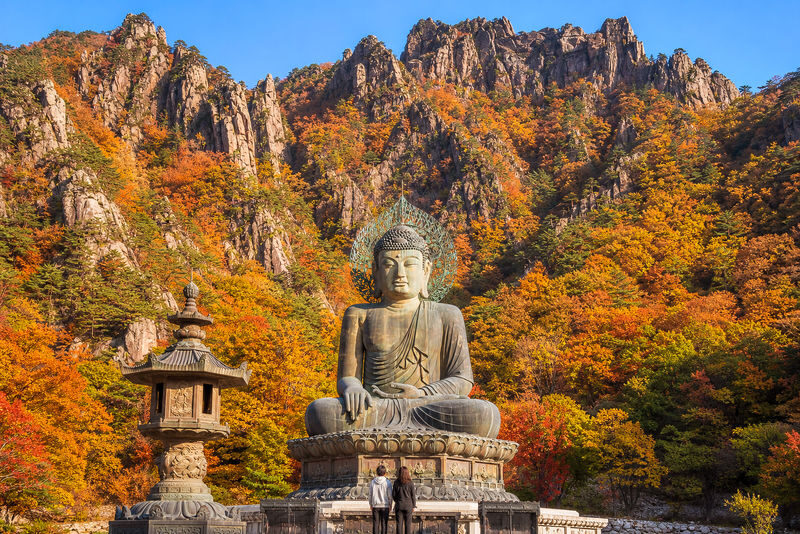
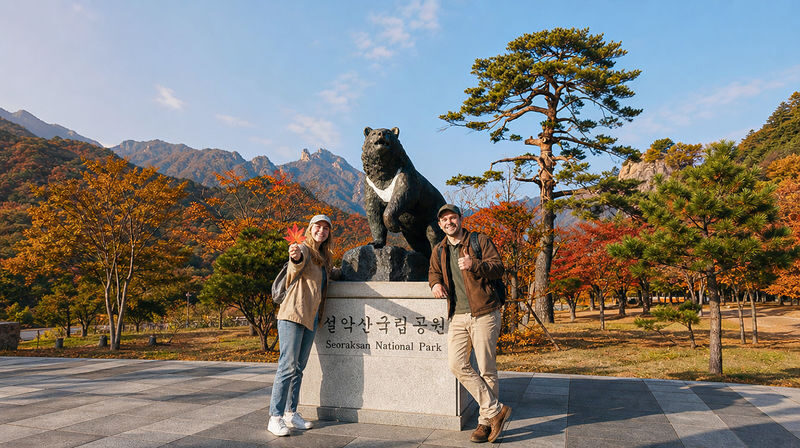
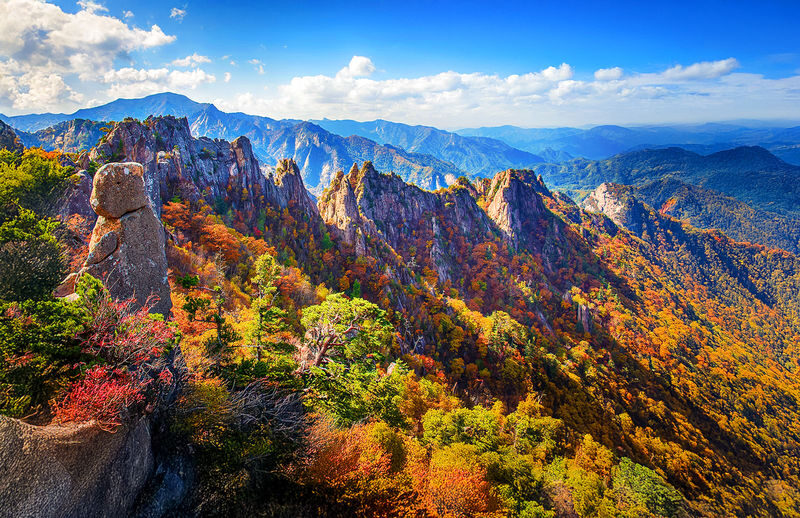
Seoraksan National Park is the reason to book this tour. It is one of Korea’s best-known mountain areas, and its appeal changes with the calendar: spring blossoms, summer greenery, autumn color, and winter snow each give the park a different character.
The journey from Seoul is long, but transport is included both ways. That matters here. Reaching Sokcho and the mountain independently takes planning, while this trip brings you straight to the park and then on to two stops in Sokcho.
The tour is best understood as a scenic sampler, not a guided trek. At Seoraksan, the park portion is self-guided, so you can choose how to spend your time within the available window. You are not being led along one fixed trail for the full visit.
The standard schedule sets aside 3 hours and 30 minutes at the park, and that time includes lunch. It is a useful amount for a first visit, but it goes quickly if you want both a hike and the cable car. Some seasonal versions have a shorter mountain visit, so check the details for the package and date you choose.

👉 See our pick of the Best Tours In Sokcho
Trails, viewpoints, and the optional cable car
The mountain stop is the most flexible part of the day. You can walk among the park’s trails and scenery, choose a manageable route, or consider the cable car if it is operating and you want a high viewpoint without committing to a longer hike.
The cable car is not included in the tour price. Your guide can help you pay for it on site, but the ride is optional and should not be treated as guaranteed. Weather can affect the day, and the available time is shared with lunch and exploring.
If you want to hike, bring shoes suited to uneven or slippery ground. One visitor specifically wished for advance warning about steep, slick sections, so take that seriously, especially after rain or in winter. Hiking poles may be useful for anyone who is unsure-footed, though they are not listed as provided.
You will need to manage your own time at the park. Keep a close eye on the guide’s meeting instructions and return time, particularly if you take the cable car or walk farther from the main area. A missed departure would affect the rest of the group and leave little room to recover the schedule.
You can also read our reviews of more tours and experiences in Sokcho.


Lunch is part of your mountain time
Lunch is not included, and the park visit’s 3.5-hour allowance includes time to eat. That means a sit-down meal can cut into your chance to walk or ride the cable car, so decide what matters most before you arrive.
The guides have sometimes advised people to choose food that can be served quickly. That is practical advice, not a small detail: a one-hour lunch break can feel short if a restaurant is busy or you are ordering for a group. You can also save time by bringing a snack or drink, though meals and beverages are your own expense.
Do not count on a leisurely lunch followed by an ambitious hike and a cable-car ride. Pick one main activity, then use any remaining time for a short walk, photos, or a relaxed meal. Your best plan will depend on weather, queues, and the park conditions that day.
Sokcho’s fish market brings the day back to street level
After the mountain, the tour stops at Sokcho Tourist and Fishery Market for about an hour. It is a welcome change of pace: instead of trail shoes and mountain views, you get a chance to browse local food stalls and see the working side of a coastal city.
This is a practical lunch or snack stop if you did not eat at Seoraksan, or a chance to try seafood and local dishes. Food and drinks are not covered by the tour price. You will have to choose, order, and pay for yourself, though guides have helped with translations and restaurant suggestions.
One hour is enough for a focused visit, but not an extended meal and a thorough market wander. If you spot something you want to eat, keep the clock in mind. Bring cash or a payment method you can use locally, but the tour information does not specify which payment types market vendors accept.
The market stop is also a useful reminder that this is not only a nature outing. You get a brief look at Sokcho’s everyday food culture, even if the pace does not allow a long, unhurried visit.
Yeongnangho Lake offers a quieter final stop
The standard schedule gives Yeongnangho Lake one hour of self-guided time. After the mountain and market, the lake provides a calmer place to stretch your legs and take in the surrounding scenery.
In spring, the lakeside can be especially appealing when cherry blossoms are in bloom. The seasonal version may use a different blossom location depending on conditions; the exact stop can change when flowers are not at their best or weather affects the plan. Blossoms are never a sure thing on a particular date, so treat them as a seasonal possibility rather than a promise.
Some people have enjoyed walking around the lake, while bicycles have also been available to borrow there. Availability is not guaranteed, so plan on walking rather than counting on a bike. Weather can also affect access to specific features, such as a bridge.
An hour is enough for a short stroll and photos, but not necessarily for circling the entire lake at a leisurely pace. Follow the guide’s meeting time, and avoid setting off on a route that could make you late.
Seasonal packages change the day’s character
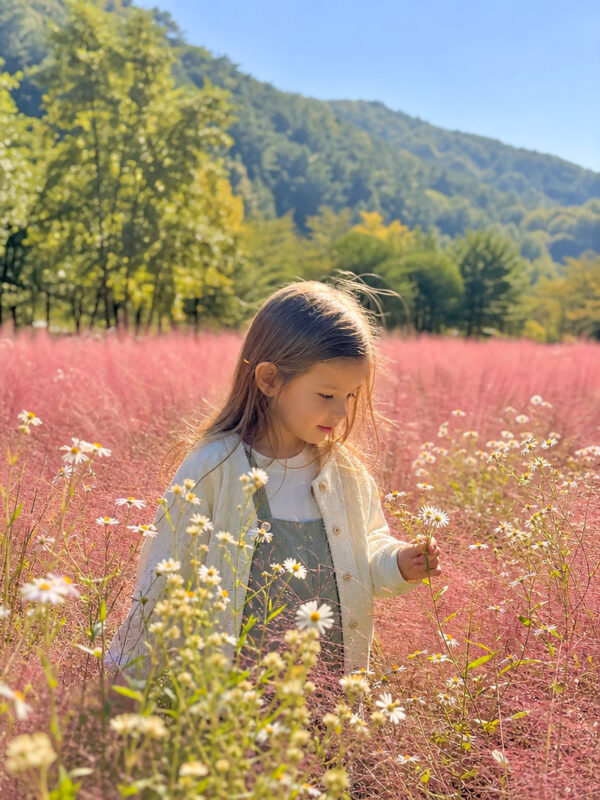
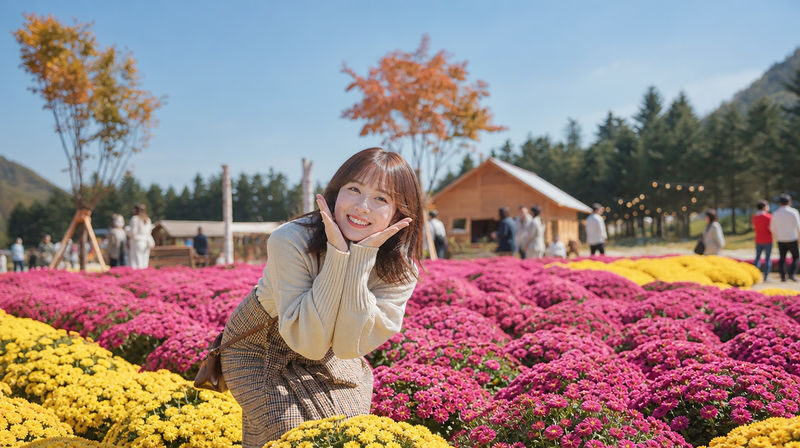
The tour has several seasonal versions, and the add-on stops can matter as much as the mountain. Spring options pair Seoraksan with a cherry-blossom lakeside visit, while autumn choices add Nami Island or a flower festival. A winter package combines the mountain with Eobi Ice Valley and Nami Island.
These are distinct outings, not interchangeable labels. If you book for blossoms, flowers, or ice, the natural display depends on the season and weather. Recent conditions have led guides to adjust stop order or swap locations to find better blossoms or manage rain. That flexibility can help, but it also means the exact sequence and appearance are not guaranteed.
Winter deserves particular care when choosing a package. Snow can make Seoraksan feel special, but late winter may bring little or no snow, and Eobi Ice Valley can be less striking when there has not been enough cold weather. If snow is your main reason for booking, check the forecast and recent conditions close to your date.
Autumn packages can also involve substantial driving between destinations. The additional stop may be worth it if you want a packed day, but it leaves less time to linger at any one place. Choose the version whose seasonal stop genuinely interests you, rather than assuming every add-on will be a highlight.


Guides can make the logistics easier
The guide is more than a voice on the bus. Guides on this tour have helped with photos, explained timing and meeting points, suggested food, and assisted with ordering or translation at the market. Ruby 2, Michael, and Joey are among the guides named by people who have taken different seasonal versions.
Photo help comes up repeatedly as a useful part of the service. If you are traveling solo or want a group picture, it is reasonable to ask, though it is not a formal photography service. Guides may also share updates through a messaging group, but communication methods can vary by departure.
Language support is listed in English, Chinese, and Korean. Individual guides may speak more than one language, but do not assume every guide speaks your preferred language beyond the tour’s stated options. The quality and style of commentary can vary: some guides give fuller explanations, while others focus on the practical points and let passengers rest during the long drive.
That practical focus is welcome after a 06:00 start. Still, if you want detailed natural or cultural interpretation, this is primarily a transport-and-sightseeing day, not a specialist hiking or history tour.
The price makes sense if you use the included transport
The advertised starting price is from US$59.65, while seasonal package prices are shown at different starting rates: spring from US$51.85, autumn Nami Island from US$105.25, autumn flower festival from US$90.19, and winter from US$93.95. Prices can vary by package, so compare the option and date you are actually booking.
For the base outing, the fare covers round-trip transfers, a guide, and admission to attractions. That is useful value for a destination several hours from Seoul, where arranging transport on your own would take effort and could add cost. The tour also links the mountain with Sokcho’s market and Yeongnangho Lake, making the journey more than a single park visit.
You still need to budget for lunch, drinks, personal purchases, and the cable car if you choose to ride. The higher-priced seasonal packages add destinations, but not necessarily more time at each stop. Think of the price as paying for transport and a structured day, not an all-inclusive outing.
If you value freedom to hike for as long as you like, a self-planned visit may suit you better. If you want to see Seoraksan and nearby sights without arranging the long-distance transport yourself, the package offers a convenient way to do it.
A long day, with traffic and weather in the equation
Departure times begin at 06:15, with additional listed times of 06:40 and 06:50. The information gives several departure times but not their matching pickup locations, so confirm your exact meeting point and time before setting out. Arrive at least 10 minutes early; late arrivals and no-shows are not refundable.
The return schedule lists Dongdaemun History & Culture Park Station at 18:50, Myeongdong at 19:00, and Hongik University Station at 19:30. These are estimates, not a promise that traffic will cooperate. Seoul traffic has extended the return on some days, and weather can also shift the order or duration of stops.
Plan for a full day away from your hotel. Keep your evening flexible rather than booking a fixed dinner, show, or train connection soon after the stated return time. The tour requires at least four participants; if that minimum is not met, you can choose another date or request a full refund.
Children aged 0 to 2 can join free if they do not need a separate seat. The voucher is valid only for the booked date and time. Changes are generally allowed until 24 hours before departure, subject to the stated exceptions for certain passes, presales, freebies, and vouchers not yet issued.
Who should book this Seoraksan day trip
This tour suits you if you want a mountain day but do not want to organize the transportation from Seoul. It is also a good fit for solo visitors, families, and photography-minded people who appreciate a guide’s help with timing, translation, and photos.
It is less suitable if you want a long, uninterrupted hike, a slow meal, or complete control over the day. The park time includes lunch, the market and lake visits are brief, and the extra seasonal stops can mean more time in the vehicle. You should also be comfortable with an early departure and a return that may be delayed by traffic.
I would book it for the convenience of reaching Seoraksan and for the variety of mountain, market, and lakeside stops. Choose the seasonal version carefully, bring proper shoes and weather-ready clothing, and keep your plans loose at both ends of the day.
Seoraksan Tour from Seoul | Scenic Trails & Colorful Mountain View
“We had a great Day exploring Seoraksan National Park and the Inje Flower Festival. Our guide Michael really did great. He's always on time and made…”
FAQ
How long is the Seoraksan stop?
The standard schedule allows 3 hours and 30 minutes at Seoraksan, including lunch. Seasonal packages may have different timing, so check the specific option you select.
Is the cable car included?
No. The cable car is not included in the tour price. Your guide can help you pay for it on site if you want to ride.
Are meals included?
No. Meals and beverages are at your own expense. The mountain stop includes lunch time, and the Sokcho market provides another chance to buy food.
What other places does the standard tour visit?
The standard schedule includes Sokcho Tourist and Fishery Market and Yeongnangho Lake, in addition to Seoraksan National Park.
What seasonal package options are available?
The options listed are spring Seoraksan and Cherry Blossom Lakeside, autumn Seoraksan and Nami Island, autumn Seoraksan and Flower Festival, and winter Seoraksan, Eobi Ice Valley, and Nami Island.
What languages are available from the guide?
The tour lists English-, Chinese-, and Korean-speaking guides. The language available on your departure may vary.
Where does the tour return in Seoul?
Listed return stops are Dongdaemun History & Culture Park Station at 18:50, Myeongdong at 19:00, and Hongik University Station at 19:30. Traffic or weather may change the schedule.
How early should I arrive?
Arrive at the meeting point at least 10 minutes before your departure time. Latecomers and no-shows cannot receive a refund.
Can children under 3 join for free?
Children aged 0 to 2 can join free if they do not occupy a separate seat.
What happens if the tour does not reach the minimum number of participants?
The activity requires at least four participants. If the minimum is not met, you can book an alternative date or request a full refund.