
Portugal’s royal wealth is on display here in a purpose-built museum wing, where crowns, jewels, medals, and silver objects bring the country’s royal past into close view. I like two things in particular: the broad range of objects, from Crown coins to diplomatic gifts, and the quiet, modern setting, which gives you room to look without a guide setting the pace.
The main catch is easy to miss: this ticket is for the Royal Treasure Museum, not Ajuda National Palace. Also compare the online price with the museum’s on-site rates before booking, especially if you are under 24, since a lower age-based price may be available in person.
- Eleven themes across three floors give the collection a clear structure, with gold, silver, jewels, coins, medals, and royal objects to explore.
- Brazilian stones and Crown treasures show the range of material in Portugal’s royal holdings.
- The museum has its own admission and does not include entry to Ajuda National Palace.
- Plan on one to two hours for a self-guided visit, with the last admission one hour before closing.
- Compare age-based prices before paying online, since an under-24 discount may be available at the museum.
- Bus routes 729, 732, and 742 serve the area around Largo da Ajuda.
- Royal Treasures, Not Palace Rooms
- Three Floors at Your Own Pace
- What to Look For in the Collection
- A Modern, Quiet Place to Look Closely
- How Long to Allow
- Ticket Price and the Palace Mix-Up
- Getting to Largo da Ajuda
- Who Will Enjoy This Visit Most
- Should You Book the Royal Treasure Museum?
- FAQ
- How long does a visit take?
- Does this ticket include Ajuda National Palace?
- What are the museum’s opening hours?
- Where is the Royal Treasure Museum?
- Which buses go to the museum?
- Are children admitted free?
- Is the museum wheelchair-accessible?
Royal Treasures, Not Palace Rooms
 1 / 6
 2 / 6
 3 / 6
 4 / 6
 5 / 6
 6 / 6
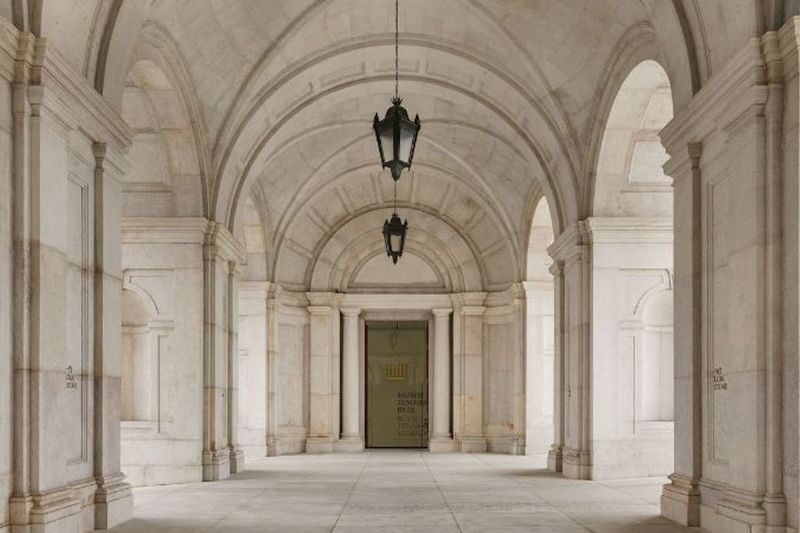
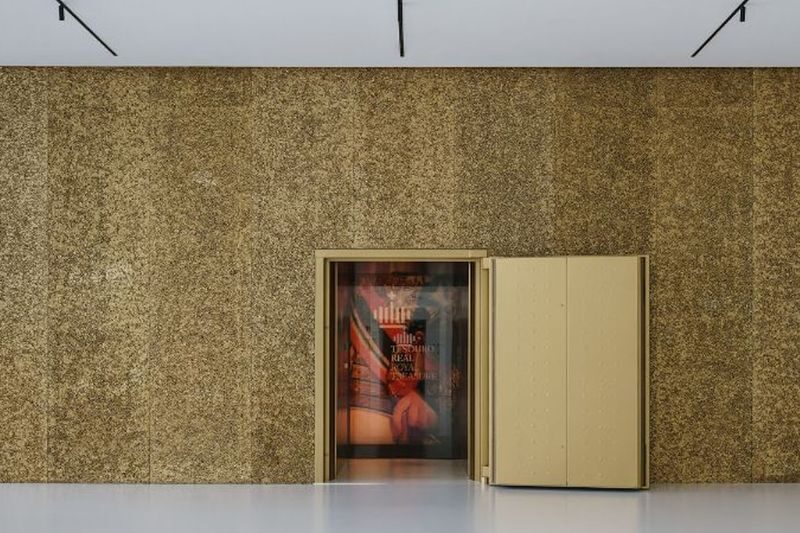
The Royal Treasure Museum gives you a focused look at objects linked to Portugal’s monarchy. It occupies a new wing of Ajuda National Palace, but the museum experience is distinct from walking through the palace itself. That difference matters when you plan your day: a museum ticket does not open the palace doors.
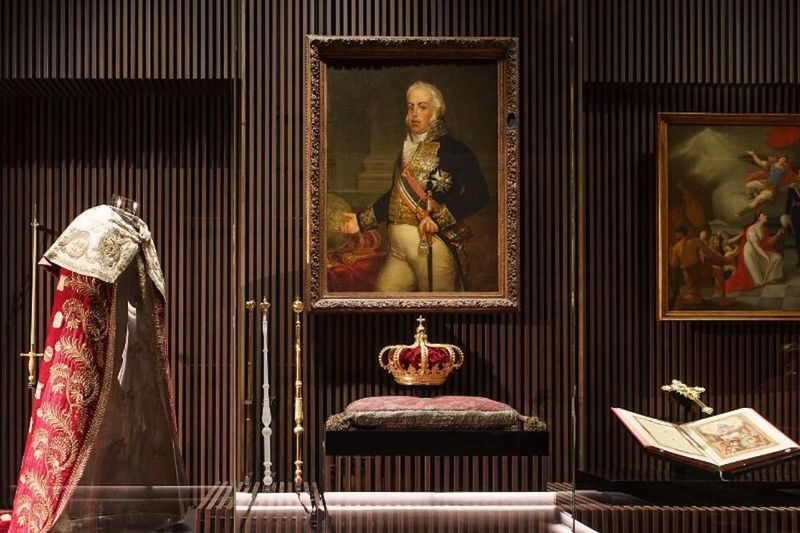
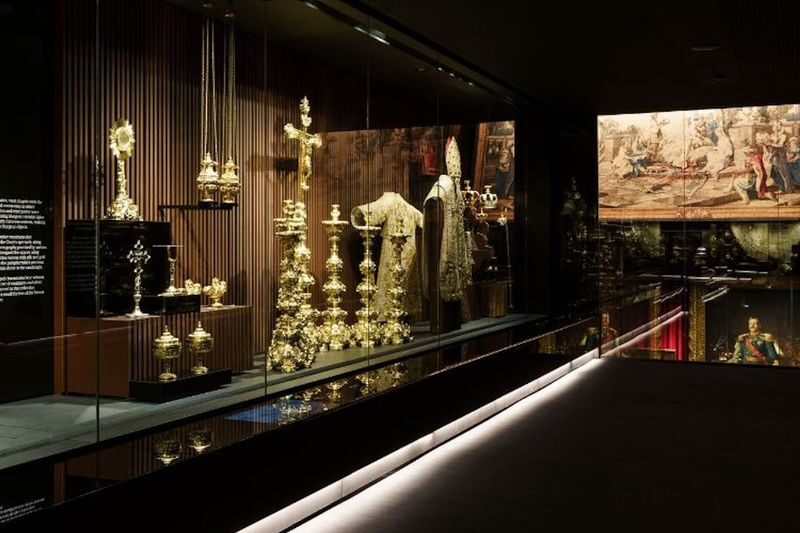
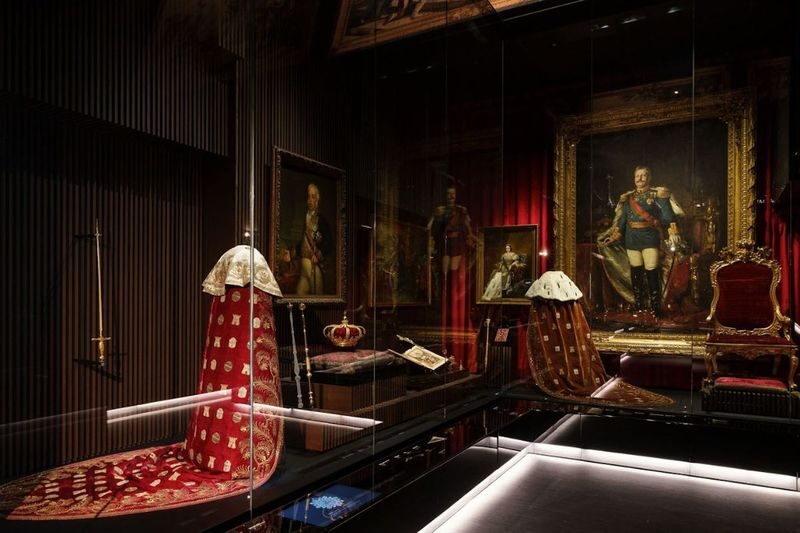
Inside, the collection spans 11 themes on three floors. It brings together crowns, jewels, medals, coins, royal ritual objects, Crown silverware, and precious items from private collections and diplomatic gifts. The breadth is part of the appeal. You are not looking at a single type of royal object, but at the many ways wealth and power were made visible, worn, exchanged, and used.
The displays include gold and silver, with dazzling stones from Brazil among the collection’s highlights. The Brazilian connection gives the jewelry and other precious pieces a wider story than court fashion alone. As you move from one kind of object to another, you can consider how materials, craftsmanship, and ceremony all helped shape the image of the Crown.
This is a museum for looking closely. A medal or a piece of silverware may not fill a room, but its details can reward a slower pace. Give yourself time to take in the workmanship rather than racing from one showcase to the next.
Three Floors at Your Own Pace
This is a self-guided visit, so you set the rhythm. There is no guide or fixed tour schedule included in the admission. That freedom is useful if you want to linger over jewelry, move quickly through objects that interest you less, or take a break between floors.
The three-floor layout and 11 themes give you a framework for the visit, though the available information does not specify a required route or the precise order of exhibits. Think of the themes as a way to sort a large collection into manageable parts. One section may draw you toward the glitter of gold and gems, while another may hold your attention with Crown coins, medals, or household silver.
The objects most likely to catch your eye are the crowns and palace jewelry. These are the pieces that make royal wealth immediately legible: precious materials arranged for display, ceremony, and personal adornment. But do not overlook the less showy objects. Medals and coins can speak to the official side of monarchy, while ritual objects and silverware suggest how royal authority was expressed in formal settings.
The museum also includes pieces from private collections and diplomatic gifts. That mix helps make the collection more than a display of palace possessions. It hints at how treasured objects could pass between families, institutions, and political circles, even if the museum visit itself is not a guided history lesson.
What to Look For in the Collection
Start with the collection’s range. Portugal’s Royal Treasury is presented through objects made from gold and silver, with jewelry, precious stones, coins, medals, and ceremonial pieces all represented. The variety makes this a better fit for visitors who enjoy comparing forms and uses than for someone seeking a single famous painting or one must-see room.
The Brazilian stones are a useful detail to keep in mind as you look. Their presence connects royal splendor with materials from beyond Portugal’s borders. You do not need specialist knowledge to appreciate their color and craft, but knowing that the collection includes Brazilian stones gives you another thread to follow through the displays.
Crown coins and medals offer a different kind of interest. They are smaller than a crown or a large piece of silverware, and may be easier to rush past. Take a moment to look at their designs and consider how an image on a coin or medal could communicate status and authority in a portable form.
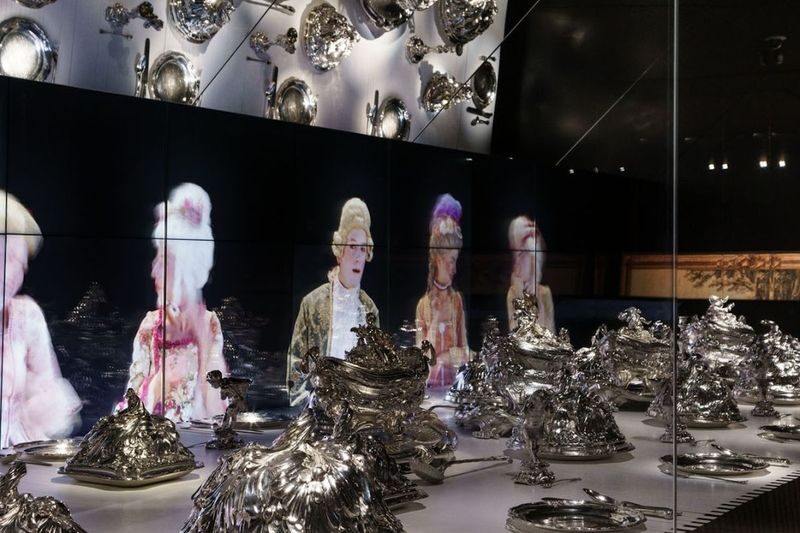
Royal ritual objects and Crown silverware bring the collection into the world of ceremony and court life. These are not simply beautiful things to admire from a distance. Their purpose helps explain why elaborate materials and careful workmanship mattered. The display can make royal power feel less abstract by showing the objects connected to its public rituals and daily presentation.
A Modern, Quiet Place to Look Closely
The museum’s modern setting is one of its practical strengths. A calm exhibition space can make it easier to focus on details, especially in a collection where many of the objects are small and finely worked. You can take your time without needing to keep up with a group.
That quiet character may also shape your expectations. This is not described as a lively, theatrical attraction with scheduled demonstrations or a guide-led performance. It is a museum visit built around viewing a large collection at your own pace. If you enjoy a measured stop with room to pay attention, that is a plus. If you want a highly interactive experience or a detailed guided account, the self-guided format may feel spare.
Interactive exhibits are part of the museum’s offer, alongside the 11 themes. The exact form of those exhibits is not specified, so do not plan around a particular activity or feature. Treat them as an added layer to the displays, not a substitute for the collection itself.
How Long to Allow
Plan for one to two hours. The shorter end may work if you focus on the highlights and keep moving; the longer end gives you time to take in all three floors without turning the visit into a sprint. Your pace will depend on how closely you examine the objects and how much time you spend with the interactive exhibits.
The museum is open daily from 10 a.m. to 7 p.m., with last admission one hour before closing. That means you should arrive by 6 p.m. at the latest, and earlier if you want a relaxed visit. A late arrival can leave you watching the clock when you would rather be looking at the collection.
You can book for the same day, and confirmation is instant. The voucher is valid only for the date selected, and for a specified time if one applies. Before you book, make sure the date fits your Lisbon plans rather than assuming you can use the ticket on another day.
Ticket Price and the Palace Mix-Up
Admission starts at $13.55, though the final price may depend on the option and date. For that cost, you are paying for access to a substantial collection spread over three floors, with enough variety to fill a one- to two-hour visit. The value is strongest if you enjoy decorative arts, royal history, jewelry, or objects made from precious materials.
The price is less compelling if you expect the ticket to include Ajuda National Palace. It does not. The museum is housed in a new wing of the palace, but the two admissions are separate, so check what you are buying before you arrive. If you want to see both, plan and budget for them as separate visits.
Age-based pricing deserves a second look. Children aged 0 to 6 enter free, and youth or student tickets are listed for ages 7 to 17. An on-site discount for people under 24 has also been reported, which could make buying at the museum cheaper for some younger adults. The available details do not establish the exact terms of that discount, so check directly before choosing between an online ticket and buying in person.
The ticket includes admission only. Personal expenses and tips are not included, though this is a self-guided museum visit rather than a tour where tipping a guide would be part of the plan. For a simple entry ticket, the main question is not what extras you receive, but whether the museum’s collection matches your interests and whether the online price beats the rate available at the door.
Getting to Largo da Ajuda
The meeting point is Largo da Ajuda in Lisbon. The address is also given as Largo da Ajuda, 1349-021, Lisbon, so use the Royal Treasure Museum name when checking directions and confirm that you are heading to the museum entrance rather than the palace entrance.
Carris buses 729, 732, and 742 serve the area. The information provided does not specify a particular stop or journey time, so check your route before setting out. If you are connecting this visit with other sights, allow time for the trip rather than treating the museum as an automatic extension of a central Lisbon walk.
When you arrive, present your voucher and exchange it for a physical ticket. Keep the voucher handy until you have completed that step. The museum is wheelchair-accessible, which helps make the visit possible for visitors with mobility needs, though the ticket details do not describe specific facilities or routes inside.
Who Will Enjoy This Visit Most
I would recommend the museum to you if royal jewelry, precious metals, coins, medals, or ceremonial objects hold your interest. It is also a good choice if you want a quiet, self-paced cultural stop and prefer to spend your time looking closely rather than following a guide.
Families can use the free admission for children aged 0 to 6, while youth or student tickets are available for ages 7 to 17. The collection’s visual appeal may help younger visitors connect with the objects, but the visit is self-guided, so you will need to set the pace and decide what holds their attention.
This may be a less satisfying choice if what you really want is access to Ajuda National Palace’s rooms. The museum’s name and location can make it easy to assume that one ticket covers both. It does not, so keep the distinction clear when deciding how to spend your time and money.
Should You Book the Royal Treasure Museum?
Book if you want a focused look at Portugal’s royal objects in a modern, quiet museum, and you have one to two hours to spare. The crowns, Brazilian stones, medals, and silverware give the collection variety, while the self-guided format lets you choose what deserves your attention.
Before buying, compare the online fare with any age-based price available at the museum, and remember that palace admission is separate. If those details suit your plans, the Royal Treasure Museum is a worthwhile stop for anyone curious about the objects behind royal ceremony and wealth. If you are mainly hoping to tour the palace rooms, buy the correct admission for that visit instead.
Royal Treasure Museum Ticket in Lisbon
“Impressive collection of royal treasures across centuries. Great experience, modern and quiet museum.”
FAQ
How long does a visit take?
Plan on one to two hours. The museum is self-guided, so you can move at your own pace.
Does this ticket include Ajuda National Palace?
No. It includes admission to the Royal Treasure Museum only. Ajuda National Palace admission is separate.
What are the museum’s opening hours?
The museum is open Monday through Sunday from 10 a.m. to 7 p.m. Last admission is one hour before closing.
Where is the Royal Treasure Museum?
It is at Largo da Ajuda in Lisbon. The address is listed as Largo da Ajuda, 1349-021, Lisbon.
Which buses go to the museum?
Carris bus routes 729, 732, and 742 serve the area.
Are children admitted free?
Children aged 0 to 6 are admitted free. Youth or student tickets are listed for ages 7 to 17.
Is the museum wheelchair-accessible?
Yes. The activity is listed as wheelchair-accessible.