Rome’s big sights can be spread across a lot of walking, so a pass that combines museum entry and public transport can make two busy days easier to plan. The Roma Pass is a self-guided city card, not a tour: you choose where to go, when to ride and which attraction gets your free entry.
I like two things about the offer. First, you can use the free admission at one museum or archaeological site that suits your plans, then pay reduced admission at other participating sites. Second, unlimited rides on Rome’s metro, buses, trams and urban ATAC rail can save you from turning every visit into a long walk.
There is a catch: the pass is digital, and a 48-hour version has little room for technical trouble or poorly timed reservations. One pass holder reported being unable to activate the voucher and losing access to both transport and a reserved Colosseum visit, so I’d set it up before you depend on it.
- One free site: Choose a participating museum or archaeological site for your included admission.
- Reduced entry after that: The pass gives discounted admission to other participating museums and archaeological sites.
- Four ways to ride: Unlimited access includes metro, tram, bus and urban ATAC rail.
- Reservations matter: The Colosseum, Roman Forum and Palatine Hill, Borghese Gallery and Mausoleum of Augustus require advance booking.
- Your phone is the ticket: Redeem the voucher in the Roma Pass app with a QR code or the supplied PNR and ticket codes.
- A short clock: The 48-hour pass begins with first use, so plan its start around your booked visits.
- What the Roma Pass buys you
- Colosseum, Forum and Palatine Hill
- Choosing your free museum
- Getting around on buses, trams and the metro
- Set up the app before you need it
- Does the price make sense?
- Who should choose this city card?
- Should you book the Roma Pass?
- FAQ
- How long is the Roma Pass valid?
- What public transport is included?
- Which attractions require reservations?
- What do I receive for admission?
- Is a tour guide included?
- How do I redeem the voucher?
- Which email contains the Roma Pass voucher?
- Can I cancel or transfer the pass?
- Does the pass include repeat entry to an attraction?
- The Best Of Rome!
- More City Tours in Rome
- More Tours in Rome
- More Tour Reviews in Rome
- Not for you? Here's more nearby things to do in Rome we have reviewed
What the Roma Pass buys you
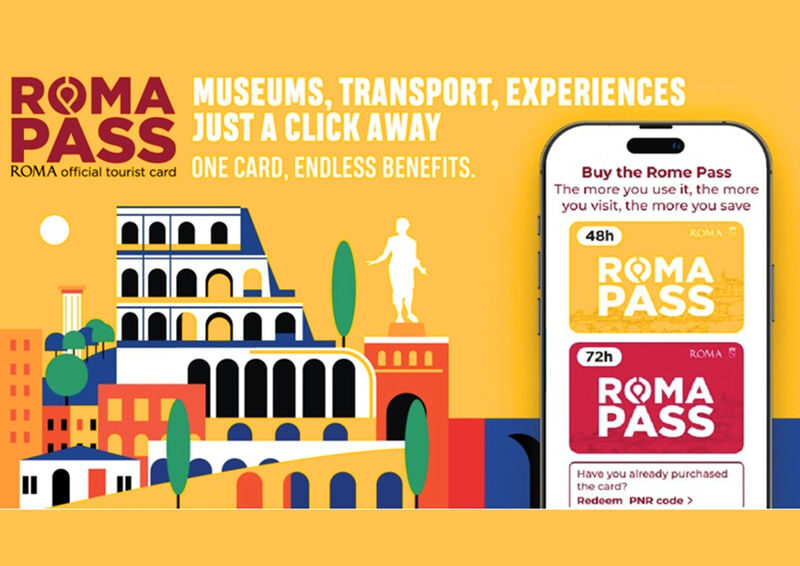
Think of the Roma Pass as a planning tool, not an all-inclusive ticket to every major sight. The 48-hour option includes free entry to one museum or archaeological site, discounted entry to other participating sites you visit afterward, unlimited public transport, discounts on participating tours, exhibitions and events, and unlimited use of P.Stop public toilets.
A 72-hour option is also offered. The details here focus on the 48-hour pass, so check the selected option carefully before buying. The advertised starting price is $49.30, but the value depends on your plans, the admission prices of the places you choose and how often you use public transport. The pass does not include a guide, and it does not let you re-enter an attraction after leaving.
That one-free-entry rule is worth understanding before you set out. Put the site with the highest admission cost, or the one you most want to visit, in the free-entry slot. You then get discounted admission at other participating museums and archaeological sites, but the pass does not promise free admission to every place on your list.
The attraction list spans ancient sites, art collections and history museums. That gives you room to build a visit around your interests rather than following a fixed route. The app has the full participating list, so check it before you count a particular sight toward the pass’s value.

👉 See our pick of the 25 Best Guided Tours In Rome
Colosseum, Forum and Palatine Hill
The Colosseum is the headline stop for many Rome visits, but it is part of a larger archaeological area that includes the Roman Forum and Palatine Hill. Together, these sites give you a way to explore the remains of ancient Rome across more than one landmark. The pass can help with admission costs, but a reservation is required for this group of sights.
That booking requirement changes how you should plan. Secure your entry time through the official ticketing website before building your 48 hours around the Colosseum. A pass is not a substitute for a reservation, and simply having it in the app does not guarantee that you can walk in at the time you want.
The area also takes time. If these ruins are your main reason for buying the pass, avoid squeezing them between several other appointments. You’ll get more from the free entry if you can give the site the time it deserves, then use public transport to reach another part of the city afterward.
You can also read our reviews of more city tours in Rome



Choosing your free museum
The best free-entry choice depends on what you want from Rome. For a look at the city’s art and civic collections, consider the Capitoline Museums or the Museum of Rome at Palazzo Braschi. If you want to focus on archaeological finds, the National Roman Museum includes several locations: Palazzo Massimo, Palazzo Altemps, Crypta Balbi and the Baths of Diocletian.
The Borghese Gallery is another notable option, but it requires a reservation. The Mausoleum of Augustus also requires advance booking. Before assigning your free entry to either, check the official ticketing site for availability and make sure your reservation fits the pass’s valid period.
Some stops offer a change of pace from the best-known ancient monuments. Castel Sant’Angelo and the Ara Pacis Museum are on the list, as are the Baths of Caracalla and Ostia Antica. These choices can help you build a day around a particular area or interest, although the pass itself does not arrange transport between sites or provide a guide to explain what you’re seeing.
The range is useful, but it can also make planning feel like a spreadsheet exercise. Keep it simple: pick one must-see for free admission, add one or two other sites you genuinely want to visit, then use the app to confirm participation and any booking rules. A long list of included names is not the same as a realistic two-day itinerary.
Getting around on buses, trams and the metro
Unlimited transport is a practical part of the pass, especially if your chosen sights are spread around Rome. The included network covers metro, tram, bus and urban ATAC rail. That gives you more options than walking between every stop, and it can make it easier to return to your accommodation or shift your plans across town.
There is no guided route or dedicated tour vehicle. You’ll be making your own way using the city’s public transport, so the pass is most useful if you’re comfortable navigating on your phone and willing to check routes as you go. It is not a replacement for planning, but it can take the pressure off paying for each eligible ride separately.
The first-use clock deserves attention. The pass is valid for 48 hours from first use, and the voucher is described as expiring at 23:59 on the day after the last day. Since the information also says validity runs from first use, treat the stated 48 hours as your working window and check the app’s displayed validity after activation. Starting early in the day may give you more usable sightseeing time than first activating it late at night.
Set up the app before you need it
This is a digital pass, so your phone and connection are part of the ticket. After booking, you should receive two confirmation emails, one from Klook and one from [email protected]. The Roma Pass voucher is in the Vox City email. Check your spam folder if either message is missing.
With an active internet connection, download the Roma Pass app from the Apple App Store or Google Play. Redeem the voucher by scanning its QR code in the app, or enter the PNR code and ticket code manually. Once redeemed, the pass is activated by scanning its QR code from the app at a participating attraction or on public transport.
I would do this before heading to a timed entry or relying on the pass for a ride. One pass holder had trouble getting the voucher accepted in the app, and as a result could not use public transport or enter a reserved Colosseum visit. That is one account, not proof that activation will fail, but it makes a useful point: don’t leave setup until you’re standing at the entrance with a reservation clock ticking.
If the QR code or codes do not work, the listed support contact is +39 02 82 90 07 39, or [email protected]. Keep the confirmation emails and codes handy. Since the pass is non-refundable, non-transferable and cannot be cancelled, it’s wise to sort out any activation issue promptly rather than assume it will resolve itself later.
Does the price make sense?
At a starting price of $49.30, the 48-hour pass is not automatically a bargain for every Rome itinerary. Its value comes from combining one free admission with reduced admission elsewhere and unlimited public transport. If you visit only one museum and walk most of the time, you may not use enough of those benefits to justify the cost.
It is more promising if you already plan to visit several participating attractions and expect to ride public transport regularly. Before buying, add up the admission prices for your planned sites, applying the pass’s free entry to the most expensive eligible visit and discounts to subsequent eligible admissions. Then consider how much you expect to use the included transport. The exact savings depend on your choices, so a busy schedule is not necessarily a cost-effective one if it includes places that are not part of the pass.
The discounts on participating tours, exhibitions and events, plus unlimited access to P.Stop public toilets, are useful extras. I would treat them as bonuses rather than the main reason to buy, since the listed information does not specify individual discount amounts or locations.
For a 72-hour visit, compare the 72-hour option with your actual schedule instead of assuming the extra day makes it better value. The best pass is the one that matches your reservations and your pace. A card that encourages you to rush through Rome just to use every benefit is not much of a bargain.




Who should choose this city card?
The Roma Pass suits independent visitors who want to make their own choices and have a clear plan for at least a few participating sites. It can also suit anyone who expects to use buses, trams, metro or urban rail often during a short stay. The app-based format gives you a single pass to manage, but it asks you to handle your own bookings, routes and timing.
It is less suited to a visit built around a single major attraction, especially if you prefer walking and do not plan to visit other participating museums or archaeological sites. It may also frustrate anyone who wants a guide or a fixed itinerary. Neither is included.
The small amount of feedback available points in both directions. One person found the pass easy to use and said they understood it clearly. Another could not redeem the voucher and lost access to both transport and a reserved Colosseum entry. The positive experience is encouraging, but the technical failure is serious enough to plan around. Install the app, redeem the voucher early and keep the confirmation details close.
Should you book the Roma Pass?
Book it if you’ve checked the attraction list, picked a likely free-entry site, made any required reservations and expect to use the included transport. Those are the conditions that make the pass useful, rather than simply having a card on your phone.
Skip it if your plans are still wide open, you expect to visit only one paid attraction, or you want a guide to organize the day. Rome rewards a little preparation, and this pass is best for someone happy to do that planning independently. The savings can be worthwhile, but only when your itinerary fits the card.
Roma Pass: Official City Card with Transportation
“It's easy to use and I understand it perfectly. I love it, it's excellent!”
FAQ
How long is the Roma Pass valid?
The 48-hour pass is valid for 48 hours from first use. A 72-hour option is also available. The voucher is described as expiring at 23:59 on the day after the last day, so check the validity shown in the app after activation.
What public transport is included?
Unlimited access includes Rome’s metro, tram, bus and urban ATAC rail.
Which attractions require reservations?
Reservations are required for the Colosseum, Roman Forum and Palatine Hill, Borghese Gallery, and Mausoleum of Augustus. Some other attractions may also require early booking.
What do I receive for admission?
The pass includes free entry to one museum or archaeological site of your choice, followed by discounted entry to other participating museums and archaeological sites you visit.
Is a tour guide included?
No. The Roma Pass is a self-guided city card, and a tour guide is not included.
How do I redeem the voucher?
Download the Roma Pass app with an active internet connection. Scan the QR code from the Vox City email, or enter the PNR code and ticket code manually.
Which email contains the Roma Pass voucher?
You should receive an email from Klook and a separate email from [email protected]. The voucher is in the Vox City email. Check your spam folder if it is missing.
Can I cancel or transfer the pass?
No. The pass is non-refundable and non-transferable, and cancellations are not available.
Does the pass include repeat entry to an attraction?
No. Re-entry to attractions is not included.