Picasso’s Paris museum pairs an unusually broad view of his work with a setting that is part of the appeal: a grand 17th-century mansion in the Marais. The collection spans paintings, sculpture, ceramics and more, giving you a chance to follow how his art changed over a long career.
I like two things in particular: the range of media and periods makes the visit more revealing than a gallery of paintings alone, and the mansion gives the art a memorable home. One consideration: this is a medium-sized museum, not a vast survey of every famous Picasso work, so it may feel brief if you expect a major-art-museum scale.
- A mansion in the Marais: The museum is at 5 Rue de Thorigny, in a 17th-century hôtel particulier.
- More than paintings: The collection includes over 5,000 works, with paintings, sculpture and ceramics among the forms on view.
- A look at artistic change: The displays trace Picasso’s development from youth to old age, with works arranged by period.
- Entry for both collections: Admission covers the permanent collection and temporary exhibitions.
- A manageable visit: Many visitors allow a few hours; half a day is ample for a relaxed look.
- Plan around the bag rules: Large bags and luggage are not allowed, and there is no luggage storage.
- Picasso’s work inside a Marais mansion
- Following Picasso from one period to another
- Paintings, ceramics and sculpture in the galleries
- The mansion is part of the visit
- How long to allow, and when to go
- What the ticket covers, and what it costs
- Getting there and packing light
- Who will get the most from this museum
- Should you book Picasso Museum admission?
- FAQ
- Where is the Picasso Museum in Paris?
- What does admission include?
- What are the museum’s opening hours?
- When is the last admission?
- Can I bring a suitcase or large bag?
- Is the museum wheelchair-accessible?
- Do children enter for free?
- How do I use the mobile voucher?
- The Best Of Paris!
- More Museum Experiences in Paris
- More Tours in Paris
- More Tour Reviews in Paris
- Not for you? Here's more nearby things to do in Paris we have reviewed
Picasso’s work inside a Marais mansion
 1 / 6
 2 / 6
 3 / 6
 4 / 6
 5 / 6
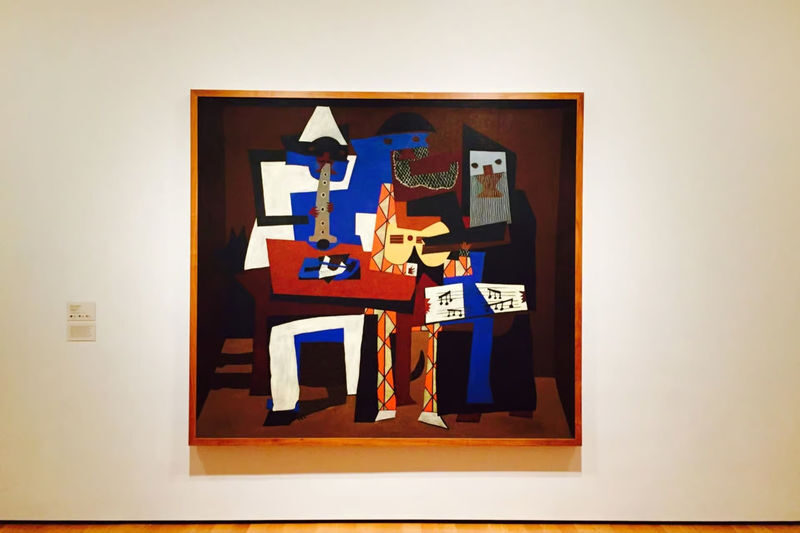 6 / 6
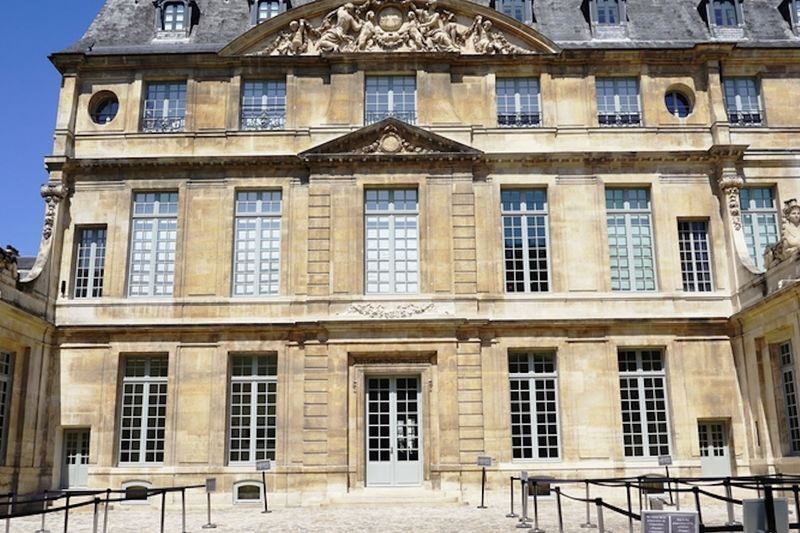
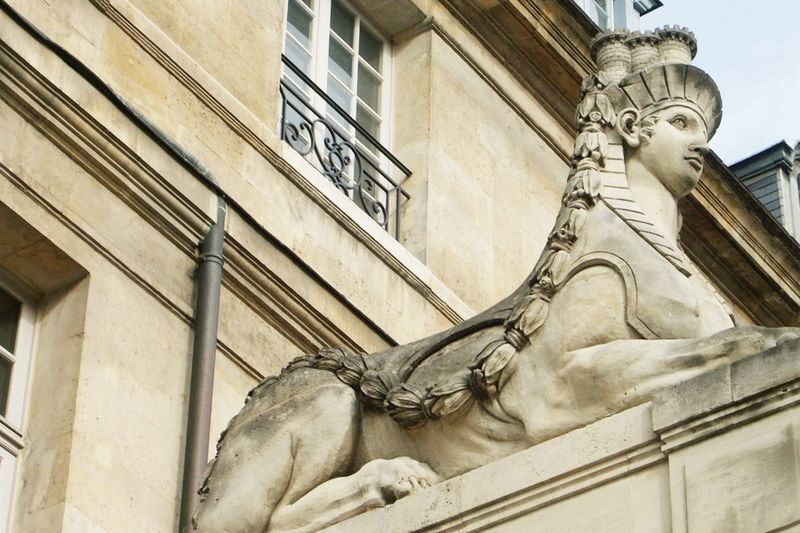
The Musée National Picasso-Paris is at 5 Rue de Thorigny, a short walk through the Marais’s old streets from nearby metro stops. The museum occupies a 17th-century private mansion, known in French as an hôtel particulier. Its historic rooms and courtyard make the building more than a container for the art: they give your visit a distinct sense of place.
The collection has more than 5,000 works by Picasso and other artists, including Cézanne, Degas and Matisse. Its size does not mean every room is packed wall to wall. Instead, the museum offers a focused introduction to Picasso’s work and changing interests, without the exhausting scale of a giant museum.
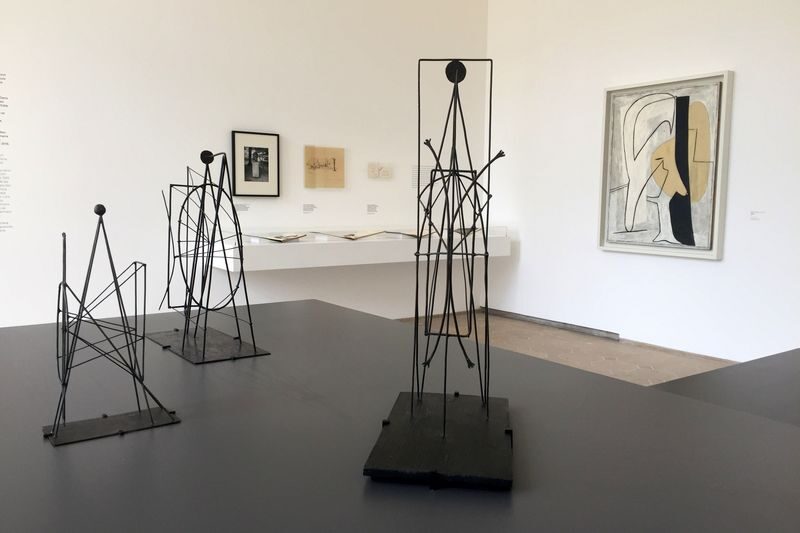
This is a useful place to see Picasso as more than the painter of one recognizable style. Displays cover different periods of his life, and the works extend across forms including painting, sculpture and ceramics. Some visitors also note literary work in the collection, a reminder that his creative life reached beyond the canvas.

👉 See our pick of the 25 Best Shopping Tours In Paris
Following Picasso from one period to another
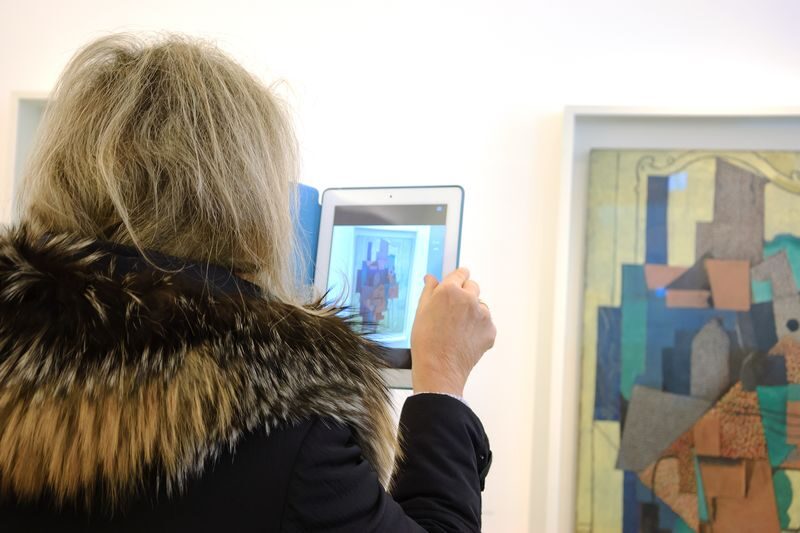
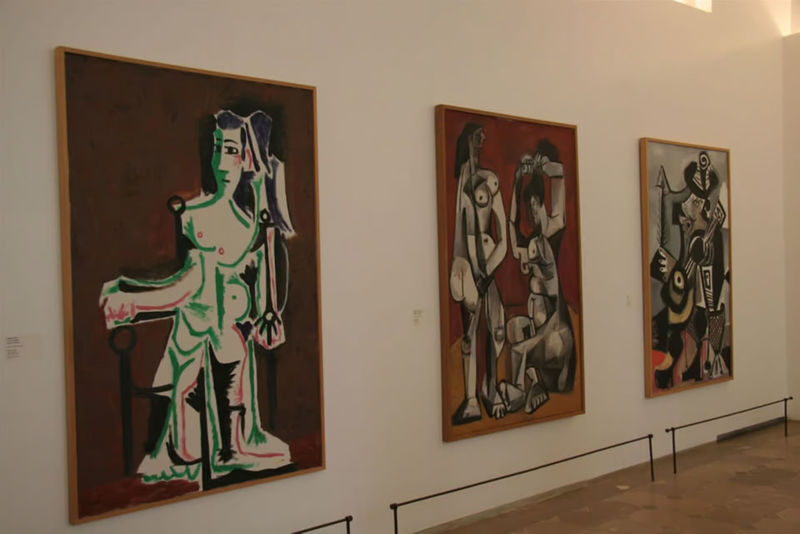
The museum’s main draw is the way it presents Picasso’s artistic development. Rather than treating him as a fixed icon, the displays help you see the shifts in his work over time. You can compare styles and ask what a painting or object might represent before reading its title or explanation.
That approach suits both committed art fans and curious newcomers. If you already know Picasso’s work, you can look closely at the range of media and the less familiar pieces. If you are still learning how to read modern art, the wall explanations and audio guide can help make the changes between periods easier to follow.
Do not expect every best-known Picasso painting to be here. The collection has many valuable works, but it is not a checklist of his most famous images. I would visit for the chance to understand the breadth and evolution of his practice, rather than arrive expecting a single iconic work to anchor the trip.
The museum also includes works collected by Picasso himself, as well as pieces by other artists. That gives the visit a second thread: you are not only looking at his output, but also getting a sense of the art and artists he valued.
You can also read our reviews of more museum experiences in Paris


Paintings, ceramics and sculpture in the galleries
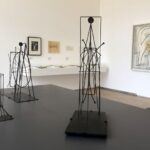
A practical advantage of this collection is its variety. A room of paintings can give way to sculpture or ceramics, so you see Picasso working through different materials and forms. This matters because his experiments look different when you can compare a painted image with a three-dimensional object or a piece made for everyday use.
The chronological arrangement helps you make sense of those changes. It gives you a framework for noticing what shifts from one period to the next, while the variety of media keeps the visit from feeling like a long sequence of canvases. Take your time with the labels, especially if you want context for works that may not be immediately legible.
Some modern art can be puzzling at first glance. That is part of the pleasure here: you can study an image, make your own guess, then use the title and explanation to refine it. The museum’s clear room flow and interpretive text help you do that without needing to join a guided tour.
The mansion is part of the visit
The building deserves attention between galleries. The museum’s historic architecture, interior details and courtyard add variety to a visit centered on one artist. If you rush from artwork to artwork, you may miss some of the pleasure of seeing how the collection sits within its setting.
Allow time to pause in the courtyard and look at the building’s decorative details. One visitor’s visit, including time for the courtyard and architecture, lasted about three hours. That is a useful guide if you like to read labels and take photographs, though your own pace may be faster or slower.
The mansion also makes the museum feel different from a large purpose-built gallery. Rooms and transitions are part of the experience, but the setting can mean the visit feels more intimate and compact. If you want a full-day museum outing, you will likely need to pair it with another stop in Paris.
How long to allow, and when to go
The museum is open Tuesday to Friday from 10:30 a.m. to 6 p.m., and Saturday and Sunday from 9:30 a.m. to 6 p.m. It is closed on Mondays. Last admission is 45 minutes before closing, and the evacuation process starts 20 minutes before closing, so an arrival late in the day leaves little room to explore.
For a comfortable visit, plan on a few hours. Half a day gives you time to follow the galleries, read explanations, see the building and take a break if needed. If your schedule is tight, a shorter visit can still work, but choose the parts of Picasso’s career or types of work you most want to see.
A morning visit can make it easier to set your own pace before the day fills up. The museum can become busier later, and advance booking is a sensible choice if you want a smoother arrival. The ticket provides priority access, but every visitor must pass through security, so do not treat it as a promise of instant entry.
What the ticket covers, and what it costs
Admission starts at $22.19 and includes the permanent collection and temporary exhibitions. That makes the price easier to assess: you are paying for access to both, not just a single gallery or one short-term display. The value is strongest if you have an interest in Picasso or want to see how his approach changed across different media.
Compared with a sprawling museum, this visit is relatively contained. That can be a benefit if your Paris itinerary is full, since you can see a substantial collection without setting aside an entire day. It can also be a drawback if you expect a huge number of monumental, familiar works.
Tickets are valid only for the date selected, and the activity offers free cancellation with at least 24 hours’ notice. You can present the mobile voucher at the entrance. Keep your phone accessible, but remember that security checks still apply.
Children aged 0 to 17 enter free. Free admission is also available to eligible EU residents under 26, disabled visitors and one carer, jobseekers, teachers, journalists and holders of specified cards, with valid identification. If you qualify, check the museum’s current conditions before paying for a ticket.




Getting there and packing light
The address is 5 Rue de Thorigny, 75003 Paris. Metro options include Saint-Paul on line 1, and Saint-Sébastien-Froissart or Chemin Vert on line 8. Bus routes 20, 29, 65, 75, 69 and 96 also serve the area.
The most important practical point is the bag policy. There is no room to store luggage or large bags, and suitcases are not allowed inside. Leave them at your accommodation or in your vehicle before setting out. Arriving with luggage can mean being refused entry, a frustrating problem to discover at the door.
The museum is wheelchair-accessible. For visitors who qualify for free admission, bring valid identification to show eligibility. These small preparations make the visit simpler and keep your time for the galleries rather than sorting out entry issues.
Who will get the most from this museum
I would put this museum high on the list for Picasso fans, anyone interested in modern art, and visitors who want to see more than paintings. The spread of media and periods gives you a fuller picture of his work, while the mansion makes the setting memorable in its own right.
It also works well for people who want a focused cultural visit rather than a day-long museum marathon. The relatively manageable scale leaves room to enjoy the galleries without trying to cover an enormous collection. If you are new to Picasso, the sequence of periods and explanatory text give you a starting point for understanding his art.
It may be less satisfying if you are looking for a long list of famous masterpieces or expect a large museum with hours of galleries. The collection is substantial in range, but the physical visit is compact compared with Paris’s biggest institutions. Set your expectations around depth and variety, not sheer size.
Should you book Picasso Museum admission?
Book if Picasso’s work interests you, or if you want a thoughtful museum stop in the Marais with paintings, ceramics, sculpture and a handsome historic setting. Admission includes both permanent and temporary exhibitions, and a few hours is usually enough to see the collection at an unhurried pace.
Think twice if your main aim is to see Picasso’s most famous works in one place, or if you have luggage with you and cannot leave it elsewhere. For everyone else, this is a well-sized visit with enough variety to reward a careful look. Book for your chosen date, arrive with only a small bag, and leave time to enjoy the building as well as the art.
Picasso Museum Admission in Paris
“If you love art and appreciate painters of different styles, you can buy a ticket and enjoy the museum. However, compared to other large museums, t…”
FAQ
Where is the Picasso Museum in Paris?
The Musée National Picasso-Paris is at 5 Rue de Thorigny, 75003 Paris, in the Marais quarter.
What does admission include?
The ticket includes priority access, admission to the permanent collection and admission to temporary exhibitions.
What are the museum’s opening hours?
It is open Tuesday to Friday from 10:30 a.m. to 6 p.m. and Saturday to Sunday from 9:30 a.m. to 6 p.m. It is closed on Mondays.
When is the last admission?
Last admission is 45 minutes before closing. The museum begins its evacuation process 20 minutes before closing.
Can I bring a suitcase or large bag?
No. Large bags and suitcases are not allowed, and the museum has no space to store luggage. Leave them at your accommodation or in your vehicle.
Is the museum wheelchair-accessible?
Yes, the activity information states that the museum is wheelchair-accessible.
Do children enter for free?
Yes. Children aged 0 to 17 enter free. Some other eligible visitors also receive free admission with valid identification.
How do I use the mobile voucher?
Present your mobile voucher at the venue and enter directly with it. All visitors must pass through mandatory security checks.