Busan’s food culture makes more sense when you taste the sauces, cook a local meal, and then browse a neighborhood market with someone who knows what to look for. In this four-hour class, English-speaking chef Heeyoung introduces Korean ingredients and customs before guiding you through dishes made with fresh seafood and seasonal produce.
I like two things in particular: you get to compare homemade Korean sauces with commercial versions, and the market visit gives you practical help choosing ingredients such as gochugaru or sesame oil. One consideration: this is a morning activity with a fixed start time, and the menu can vary by season, so it may not suit a slow-start kind of day or someone set on cooking one specific dish.
- What makes this Busan cooking class useful
- Start with Korean sauces, not just recipes
- Cook four dishes with seasonal changes
- Share the meal, then slow down for tea
- Learn to shop at 100-year-old Bupyeong Food Market
- Four hours, one morning, and a clear meeting point
- Is the price worth it?
- Who should book this class?
- FAQ
- How long does the cooking class and market tour last?
- Is the class taught in English?
- What dishes will I cook?
- Do we visit Jagalchi Fish Market?
- Where is the meeting point?
- Is there an age limit?
- What is included in the experience?
- The Best Of Busan!
- More Food & Drink Experiences in Busan
- More Tours in Busan
- More Tour Reviews in Busan
- Not for you? Here's more nearby things to do in Busan we have reviewed
What makes this Busan cooking class useful
- Taste homemade Korean sauces: Learn about traditional jangs and how fermentation shapes Korean cooking.
- Cook a local-style meal: Prepare four dishes, including a main, seafood pancake, soup, and seasonal dish.
- Follow the food from kitchen to market: Ingredients are sourced from Jagalchi Fish Market, while the guided shopping visit is at Bupyeong Food Market.
- Meet chef Heeyoung: Her English-language instruction combines cooking methods with food customs and local details.
- End with tea and a market walk: A tea ceremony gives the meal a quiet finish before you explore the century-old market.

👉 See our pick of the 4 Best 3 Day Tours In Busan
Start with Korean sauces, not just recipes
The class begins at a cooking studio in Seo-gu, near Toseong Station. The focus is Korean food basics: ingredients, traditional sauces, wine, and the ways these elements affect a dish. Rather than treating gochujang or doenjang as flavor shortcuts, Heeyoung explains the role of Korean jang, the family of fermented sauces and pastes that underpins much of the cuisine.
The tasting is one of the most useful parts for anyone who wants to cook Korean food at home. You can compare homemade sauces with commercially produced ones and notice the difference in flavor and texture. That context matters: a recipe may tell you how much paste to add, but tasting helps you understand why one product can give a dish a different character from another.
Heeyoung’s teaching style is described as detailed but accessible, with explanations of preparation methods, food history, and local customs. People with cooking experience can ask about technique, while beginners can follow the steps without needing a kitchen full of specialist knowledge. The class is in English, which also makes questions about unfamiliar ingredients easier to ask.
The group size can vary. Some sessions have felt small, with only a handful of participants, while one account describes a class of 12 that still ran smoothly. If you are hoping for a private lesson, do not count on it. The published activity is a group class, and the number of people on your date is not specified.
You can also read our reviews of more food & drink experiences in Busan

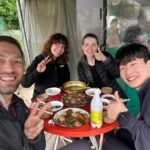
Cook four dishes with seasonal changes
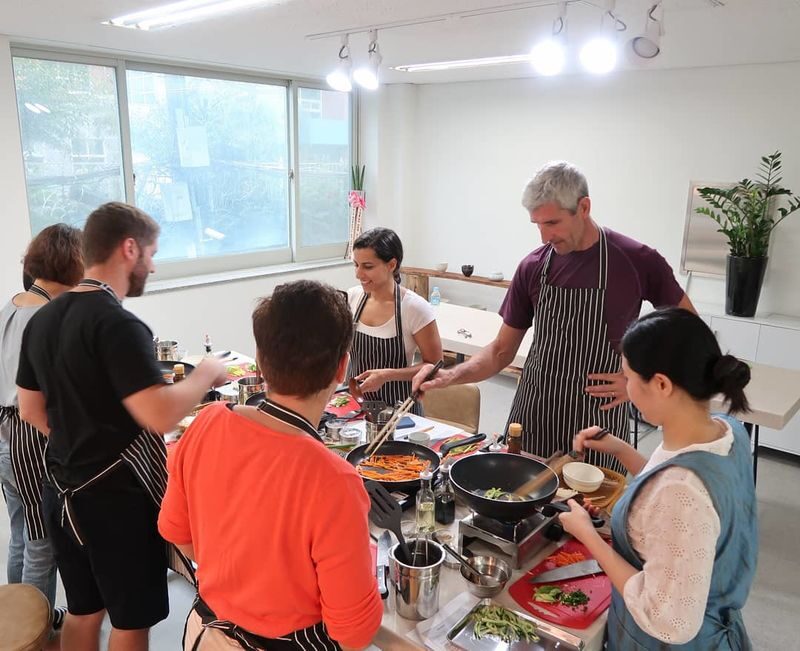
After the sauce tasting and introduction, you move on to cooking. The planned meal includes four dishes: a main dish, seafood pancake, seaweed soup with clam or mussel, and a seasonal dish. Examples from past menus include nakji bokkeum, a spicy stir-fried octopus dish, as well as squid and onion, seafood and green onion pancake, and seaweed soup with clam.
The menu is not fixed year-round. Heeyoung may adjust dishes to what is in season, so think of the listed dishes as a guide rather than a promise that every item will appear on your date. That flexibility is a plus if you want a meal shaped by local ingredients, but less ideal if you have your heart set on one exact recipe.
The seafood connection is especially fitting in Busan. Ingredients for the class come from Jagalchi Fish Market, South Korea’s largest fish market, which is described as a short ride from the studio. The class does not list a Jagalchi tour as a stop, though. The cooking takes place at the studio, and the market walk afterward is at Bupyeong Food Market.
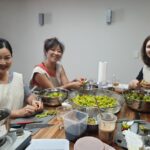
You will take part in the preparation rather than simply watch a chef cook. The class is designed for food lovers and local-food beginners alike, and the dishes are served as a shared meal. That makes the session more than a recipe demonstration: you learn the method, taste the result, and can ask how to adapt it later.
The practical payoff continues after the class. A PDF of the recipes is provided, giving you a way to revisit the dishes at home. Do keep in mind that reproducing a Busan seafood meal elsewhere depends on finding similar ingredients, and the recipes may need a little adjustment to what is available in your own market.
Share the meal, then slow down for tea
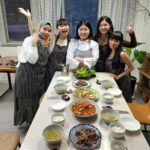
Once the cooking is done, the group sits down to eat. The meal gives you a chance to taste all four dishes together and see how the flavors balance, from a seafood pancake to soup and a main dish. Heeyoung joins the meal, so there is room for conversation about what you have cooked and how Korean food fits into everyday customs.
The tea ceremony follows lunch. Past sessions have included lotus leaf tea, and the activity description presents the ceremony as part of the regular experience. It offers a calmer pause after cooking and eating, and adds cultural context without turning the morning into a lecture.
This is a nice change of pace from a class that rushes straight from stove to shop. You get time to enjoy what you made, ask questions, and learn a little about Korean tea customs before heading outside. If you are mainly interested in hands-on cooking, the ceremony is not a long detour; it is one of the planned parts of the four-hour session.
Learn to shop at 100-year-old Bupyeong Food Market
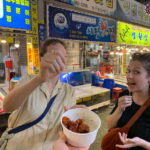
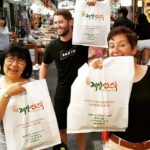
The final part is a guided visit to Bupyeong Food Market, described as a 100-year-old traditional market. Here, Heeyoung can point out local foods, explain what she buys, and help you find products such as Korean sauces or gochugaru. Past visitors have also bought homemade sesame oil and received advice on selecting fresh produce.
This guidance is particularly useful if Korean labels and market customs feel like a barrier. You are not left to guess which stall sells what or whether an ingredient is the right one for your kitchen. Heeyoung can help bridge the language gap and make shopping more approachable, though any purchases are separate from the class price.
The market visit is a walk rather than a large sightseeing circuit. Its value lies in seeing where local food shopping happens and learning how to make choices, not in covering a long list of attractions. If you like markets, you can stay curious and ask questions. If you prefer not to shop, you can still treat it as a short look at a working food market.
Four hours, one morning, and a clear meeting point
The activity runs from 09:50 to about 14:00, with the cooking class and market tour taking roughly four hours. The schedule may shift with traffic or weather. Arrive at least 10 minutes early, even though one part of the information says five minutes, and keep the start time in mind: late arrivals and no-shows are not refundable.
The studio is at 2F, 15 Gudeok-ro 186beon-gil, Seo-gu, Busan. From Toseong Station on Line 1, use Exit 3, turn left, and walk about a minute. Look for a wooden sign on the left, on the second block from the station; the entrance is beside it. The address is also provided in Korean: 부산시 서구 구덕로 186번길 15, 2층.
A mobile voucher is accepted, and confirmation is expected within 24 hours. If the confirmation email does not arrive, contact customer support. The voucher is valid only for the date and time booked. A full refund is available if you cancel at least 72 hours before the activity, using Busan local time.
You can also read our reviews of more tours and experiences in Busan


Is the price worth it?
The listed price appears in two forms: from US$123.20 in the summary and from US$112 for the cooking class and market tour package. Prices can vary, so check the total shown for your date before booking. The experience includes four hours of English-language instruction, sauce tasting, four dishes, the meal, a tea ceremony, a market tour, and a recipe PDF.
That is a fair amount for one morning, especially if you would otherwise book a cooking class and market tour separately. The value is strongest if you want to understand Korean food rather than simply make one popular dish. You get context for the sauces, help with the cooking, a meal, and practical guidance for shopping.
It may feel less worthwhile if you want a quick demonstration, have little interest in the market, or are mostly looking for a recipe you can follow without discussion. The class spends time on ingredients and customs as well as cooking. That is a benefit for curious eaters, but it is part of the format rather than an optional extra.
Who should book this class?
I would choose this experience if you enjoy cooking, want a better grasp of Korean sauces, or would like a friendly introduction to Busan’s food culture. It also suits beginners: the steps are explained clearly, and the recipes are shared afterward. A parent and adult child, a couple, or a solo food enthusiast can all find a good reason to join.
It is a strong choice for anyone who wants to bring home more than a souvenir. You may leave with a better sense of what to buy at a Korean market, how fermentation affects flavor, and how to recreate a few dishes. If you have dietary needs, ask in advance. One class accommodated gluten-free participants, but the activity information does not promise that every request can be met.
Book it if the combination of cooking, eating, tea, and market shopping sounds like your kind of morning. Skip it if you need a fully fixed menu, a private class, or a later start. For most food-minded visitors, the practical market advice and the attention to homemade sauces make this a more useful introduction than a stand-alone cooking demo.
Busan Local Food Cooking Class with Market Tour
“positively a great experience. everyone was engaged and had a fun time. learning about Korean food and tasting the fresh ingrediants was wonderful….”
FAQ
How long does the cooking class and market tour last?
The activity takes about four hours. The schedule is listed as 09:50 to 14:00, and it may change depending on traffic and weather.
Is the class taught in English?
Yes. It is a group class conducted in English by a chef who specializes in teaching Korean food.
What dishes will I cook?
The class includes four dishes: a main dish, seafood pancake, seaweed soup with clam or mussel, and a seasonal dish. The exact menu can vary.
Do we visit Jagalchi Fish Market?
The class uses fresh ingredients from Jagalchi Fish Market, but the guided market tour is at Bupyeong Food Market.
Where is the meeting point?
Meet at the Busan Cooking Class studio, 2F, 15 Gudeok-ro 186beon-gil, Seo-gu, Busan. It is about a one-minute walk from Toseong Station Exit 3.
Is there an age limit?
No age limit is listed for this activity.
What is included in the experience?
The class includes a Korean food introduction, homemade sauce tasting, cooking four dishes, a meal, a Korean tea ceremony, a guided Bupyeong Food Market tour, and a recipe PDF.