The museum’s most curious star is a 19th-century componium, an orchestrion said to produce endless musical variations on its own. Across four floors, you’ll also see instruments from different eras and regions, from a possibly 16th-century Jew’s harp to the harmonica of Belgian-American jazz musician Toots Thielemans.
I like the way the collection connects beautiful objects with the sounds they were built to make, and the range gives you plenty to follow, whether you’re drawn to classical keyboards or unusual instruments from around the world. One point to check before booking: the ticket information says the audio guide costs extra, though some ticket holders have found it included. Don’t count on it being part of your admission unless the current terms confirm that.
What to know before you go
- The componium is the oddball highlight: This 19th-century orchestrion can compose endlessly varied tunes, a treat for anyone curious about music-making machines.
- There are four floors to explore: More than 1,000 instruments span a broad sweep of places and periods, so plan time to browse rather than make a quick stop.
- The collection reaches from ancient to modern: Look for a Jew’s harp that may date to the 16th century and Toots Thielemans’ harmonica.
- Keyboard history gets its own focus: Displays trace how keys and keyboards developed in Western classical music.
- Check the audio-guide details: The ticket terms say it is not included and can be bought onsite, but the information is inconsistent.
- Admission starts at $22.25: It covers all galleries and exhibitions, while transport, meals and personal expenses are extra.

👉 See our pick of the 6 Best Shopping Tours In Brussels
- What to know before you go
- Start with the componium, then follow your ears
- Four floors, with room to follow your interests
- Look for the Jew’s harp and Toots Thielemans’ harmonica
- What to expect from the audio guide
- How long to allow, and whether the price is fair
- Getting there and planning the visit
- Who should make time for this museum
- Should you book the Musical Instruments Museum?
- FAQ
- How much does admission cost?
- Where is the Musical Instruments Museum?
- What are the opening hours?
- When is the last admission?
- Is the audio guide included with the ticket?
- Do children need a ticket?
- Is the museum wheelchair-accessible?
- Can I leave and come back in?
- How do I get to the museum by public transport?
- The Best Of Brussels!
- More Tickets in Brussels
- More Tours in Brussels
- More Tour Reviews in Brussels
- Not for you? Here's more nearby things to do in Brussels we have reviewed
Start with the componium, then follow your ears
 1 / 4
 2 / 4
 3 / 4
 4 / 4
The Musical Instruments Museum is not just a room full of old objects. Its appeal lies in the link between the shape of an instrument and the sound it was made to create. That connection matters in a collection this large: a carved body or elaborate keyboard is easier to appreciate when you can imagine the music behind it.
The componium makes a good first mental marker. This 19th-century orchestrion is described as being able to compose endless unique pieces, which gives you a striking example of people trying to mechanize musical invention long before modern electronic tools. It is an unusual object even in a museum devoted to instruments, and a natural stop for visitors who like the meeting point of music, craft and machinery.
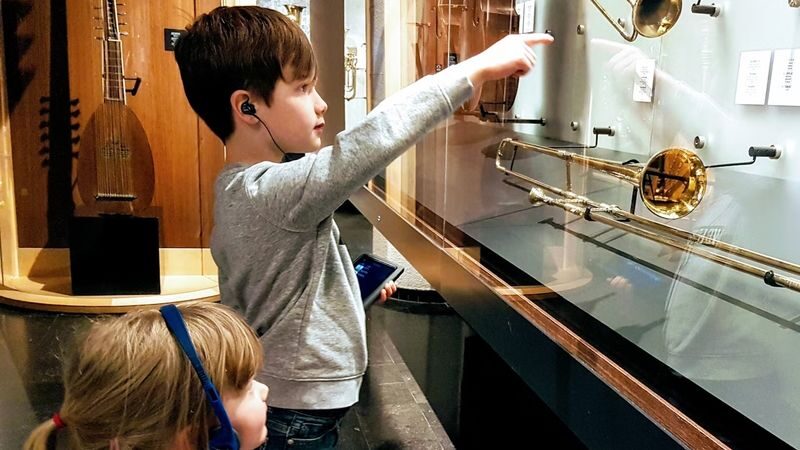
The museum spreads its collection across four floors, with more than 1,000 rare and historic instruments from around the world. There is no fixed guided itinerary included with this ticket, so you can set your own pace and decide what deserves your attention. If you are a committed music fan, you may want to linger over the details. If you are visiting with a mixed-interest group, choose a few highlights and keep moving before instrument fatigue sets in.
You can also read our reviews of more tours and experiences in Brussels
Four floors, with room to follow your interests
The broad sweep of the collection is one of the ticket’s strongest points. It reaches across different cultures and eras, while the displays also trace a path through Western classical music, from the late medieval period into the 19th century. That gives you more than a parade of pretty objects: the instruments show how musical traditions and designs changed over time.
You can begin with whichever theme catches your eye. The exhibits include ancient instruments, historic European pieces, classical instruments and more modern examples. The information provided does not give a floor-by-floor map of these themes, so don’t arrive expecting a prescribed sequence. Treat the galleries as a chance to explore, and use the museum’s own signage or any available guide to orient yourself.
One particularly useful thread is the evolution of keys and keyboards in Western music. If you have ever looked at a keyboard and wondered how its design became so familiar, this section offers a chance to follow that development through the instruments themselves. It also gives the museum a clear focus for visitors who might otherwise feel lost among so many different shapes and names.
The collection’s variety is a pleasure, but it can also be a lot to take in. More than 1,000 instruments is a generous amount of choice, not a promise that you should inspect every case. Give yourself permission to skip displays that do not interest you. A thoughtful visit is better than a rushed attempt to see everything.
Look for the Jew’s harp and Toots Thielemans’ harmonica
The Jew’s harp is a small object with an outsized sense of age. The museum has one that may date to the 16th century, a cautious description that is worth keeping in mind: its exact dating is presented as a possibility, not a certainty. Even so, it offers a fascinating glimpse of an instrument type that looks simple beside elaborate keyboards and orchestral machines.
Then there is the harmonica connected with Toots Thielemans, the Belgian-American jazz musician. It ties the collection to a distinctly Belgian musical figure and gives the museum a modern cultural reference point. You do not need to be a jazz specialist to appreciate the story: the object links a particular instrument to a musician whose name carries weight in Belgium and beyond.
These smaller, personal points of interest help balance the collection’s grander historical sweep. A visitor who is not deeply invested in music history can still connect with a known artist or a remarkably old instrument. I would keep these highlights in mind as anchors, then let the rest of the galleries surprise you.
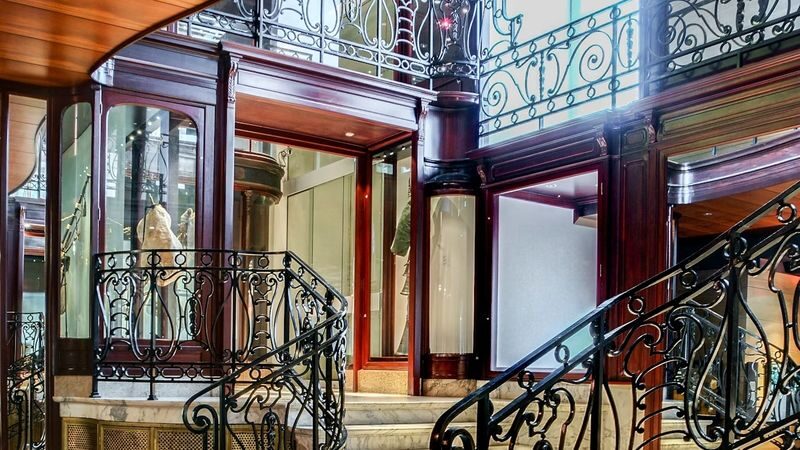
The collection is also described as containing some instruments that are works of art in their own right. That is a fair reason to slow down. Details of form and decoration can matter as much as the instrument’s place in musical history, especially when you are looking at objects that were built to be both functional and beautiful.
What to expect from the audio guide
Sound can change the way you experience a musical-instrument museum. A case can show you the size and craft of an instrument, but hearing a sample helps you understand what makes it distinctive. Some audio-guide content is said to include musical excerpts tied to displayed instruments, which would be especially useful here.
There is, however, a mismatch in the information provided. The ticket details say the audio guide is not included and can be purchased onsite for an additional fee. Yet some ticket holders have described an audio guide with their admission. The safest approach is to confirm the current arrangement before you visit and budget for an extra charge if you cannot verify that it is included.
That uncertainty is worth sorting out before booking, but it should not put you off the museum itself. You can still explore the galleries without an audio guide, especially if you are content to study the objects and read available labels. Just know that the sound excerpts could add a useful dimension to the visit, particularly if you want to compare the character of instruments rather than only their appearance.
How long to allow, and whether the price is fair
Admission starts at $22.25 and covers entry to all galleries and exhibitions. Transport, food and personal expenses are not included. For that price, the value depends largely on how much time you are willing to spend with the collection. This is not a quick photo stop: four floors and more than 1,000 instruments give you plenty to explore.
A visit of around three hours is a reasonable planning guide if you want time to see the main displays without sprinting through them. That is not a required duration, and your pace will depend on how much you enjoy reading about instruments or listening to samples. A focused visit can be shorter, while a music enthusiast could easily stay longer.
The ticket makes sense if you enjoy music, history, design or unusual machines. It is less compelling if you have only a short window in Brussels and do not expect to spend much time inside museums. In that case, weigh the admission cost against the time you have available and the other sights on your list.
Children aged 0 to 18 enter free, but they must be included in the passenger headcount and accompanied by a paying adult. Seniors aged 65 and above may be eligible for a senior ticket. Student-ticket holders need to bring a valid student ID. These rules can make the cost more favorable for some groups, but check which ticket type applies to each person before you buy.
You can also read our reviews of more museum experiences in Brussels


Getting there and planning the visit
The address is Rue Montagne de la Cour 2, 1000 Bruxelles, in central Brussels. Listed public-transport options include buses 27, 38, 71 and 95 to Royale, tram lines 92 or 93 to Royale, and metro lines 1 or 5 to Gare Centrale or Parc. Check your route on the day, since transit services and stops can change.
Opening hours are Tuesday to Friday from 9:30 a.m. to 5 p.m., and Saturday and Sunday from 10 a.m. to 5 p.m. The museum is closed on Mondays. Last admission is at 4:15 p.m., so an arrival close to that time would leave little room for four floors.
On public holidays, the listed hours are 10 a.m. to 5 p.m. The museum closes at 3 p.m. on December 24 and 31, with last tickets at 2 p.m. It is closed on January 1, May 1, November 1, November 11 and December 25. Hours and closure dates can change, so check the latest information before setting out.
The ticket is valid only on the selected date and, where applicable, time. To enter, take your mobile voucher to the information desk past the cashier for scanning. Re-entry is not allowed once you leave, so finish your visit before stepping out for a break.
Suitcases and oversized items are prohibited. A free cloakroom is available, and coats and large bags must be checked. Flash photography is not allowed. The museum is wheelchair-accessible; disabled visitors eligible for free tickets may bring one accompanying assistant, and an EU disability card must be shown.
Who should make time for this museum
I would put this museum high on the list for anyone who plays an instrument, follows classical or jazz music, or enjoys seeing how everyday objects change across centuries. The broad collection offers enough variety to reward curiosity, while the componium, the old Jew’s harp and Toots Thielemans’ harmonica give you memorable points to seek out.
It also suits visitors who like museums where looking closely is part of the experience. You can spend time admiring the workmanship, trace the development of keyboard instruments, or simply move between displays that catch your interest. The four-floor layout gives you options, though it asks for time and some energy.
Families can benefit from free admission for children aged 0 to 18, provided each child is accompanied by a paying adult and included in the headcount. The audio guide may help make the displays more engaging, but because its inclusion is unclear, confirm the details rather than assuming it comes with the ticket.
If you are not especially interested in music or historic objects, this may not be the best use of a limited Brussels afternoon. But if the idea of hearing about a self-composing orchestrion, comparing old instruments or tracing the history of the keyboard appeals to you, the museum offers a worthwhile and distinctive few hours.
Should you book the Musical Instruments Museum?
Book it if you have time for a proper museum visit and want more than a quick look at familiar instruments. The collection’s range, the unusual componium and the link to Toots Thielemans make it a strong choice for music-minded visitors and curious browsers alike.
Before paying, check the audio-guide arrangement and the current opening hours. If you are comfortable exploring at your own pace and can give the four floors a few hours, this ticket is a sound choice. If your Brussels schedule is tight or music holds little interest for you, save the time and money for another stop.
Musical Instruments Museum ticket in Brussels
“Fascinating museum for people with keen interest in musical instruments. Exhibits from ancient to modern instruments are spread over 4 levels, and…”
FAQ
How much does admission cost?
Tickets start at $22.25. Admission covers the Musical Instruments Museum’s galleries and exhibitions.
Where is the Musical Instruments Museum?
It is at Rue Montagne de la Cour 2, 1000 Bruxelles, Belgium.
What are the opening hours?
The museum is open Tuesday to Friday from 9:30 a.m. to 5 p.m., and Saturday and Sunday from 10 a.m. to 5 p.m. It is closed on Mondays. Public-holiday hours are listed as 10 a.m. to 5 p.m.
When is the last admission?
Last admission is at 4:15 p.m. On December 24 and 31, the museum closes at 3 p.m. and last tickets are issued at 2 p.m.
Is the audio guide included with the ticket?
The ticket information says it is not included and can be purchased onsite for an extra fee. Because some admission details differ, check the current terms before visiting.
Do children need a ticket?
Children aged 0 to 18 enter free, but they must be included in the passenger headcount and accompanied by a paying adult.
Is the museum wheelchair-accessible?
Yes, the activity information identifies the museum as wheelchair-accessible. Disabled visitors eligible for free admission may bring one accompanying assistant and must present an EU disability card.
Can I leave and come back in?
No. Re-entry is not allowed after you leave the venue.
How do I get to the museum by public transport?
Bus routes 27, 38, 71 and 95 stop at Royale. Tram lines 92 and 93 also stop at Royale, while metro lines 1 and 5 serve Gare Centrale or Parc.