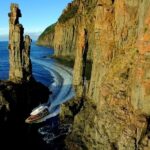
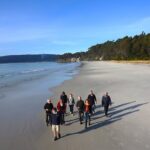
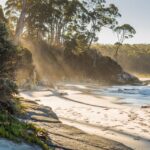
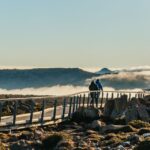
Maria Island’s best trick is that its history, coast and wildlife all share the same small, car-free island. On foot, you can move from a convict settlement to wave-cut sandstone and fossil beds, with wombats or wallabies appearing along the way.
I like two things especially: the guides help you find wildlife you could easily walk past, and the day links several very different sights without asking you to plan ferry connections and trails yourself. The small-group cap of 16 also keeps the walk more personal than a big coach outing.
The trade-off is the pace and distance. A full summer day can mean more than 10 kilometres on foot, and the route can change with weather, tides and daylight. You need to be ready to walk, carry your own lunch and accept that wild animals do not keep appointment times.
At a glance
- Two 4.5-kilometre cliff circuits: The summer plan aims to cover both Painted Cliffs and Fossil Cliffs, plus Darlington.
- A rare fossil walk: Marine fossils, some around 300 million years old, are exposed along the Fossil Cliffs circuit.
- Wildlife on its own terms: Wombats, wallabies and Cape Barren Geese are among the animals you may see; sightings are never guaranteed.
- A guide makes a difference: Guides help with local history, plants and animal spotting, and past leaders have included Matt, Ben, Nicholas, Lucas and Peter.
- Pack for a long day: There are no shops on the island, and a full summer route can top 10 kilometres of walking.
- Season changes the plan: Summer tours aim for the full circuits; winter tours follow a shorter route shaped by the day’s conditions.
👉 See our pick of the 4 Best Workshops And Classes In Hobart
- At a glance
- A full day from Hobart to a car-free island
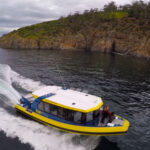
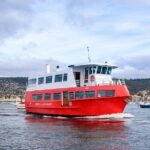
- The ferry crossing begins the change of pace
- Darlington gives the island its human story
- Painted Cliffs are shaped by water and time
- Fossil Cliffs put an ancient sea under your boots
- Wildlife spotting is part skill, part luck
- The guide helps tie the day together
- Pack lunch, water and shoes you can get dirty
- What the price covers, and what it does not
- Who should choose this Maria Island day
- FAQ
- How long is the tour?
- How much walking should I expect?
- Are wombat sightings guaranteed?
- What food and drink should I bring?
- What should I wear?
- Where is the meeting point, and when should I arrive?
- Are children allowed on the tour?
- The Best Of Hobart!
- More Wildlife Experiences in Hobart
- More Tours in Hobart
- More Tour Reviews in Hobart
- Not for you? Here's more nearby things to do in Hobart we have reviewed
A full day from Hobart to a car-free island


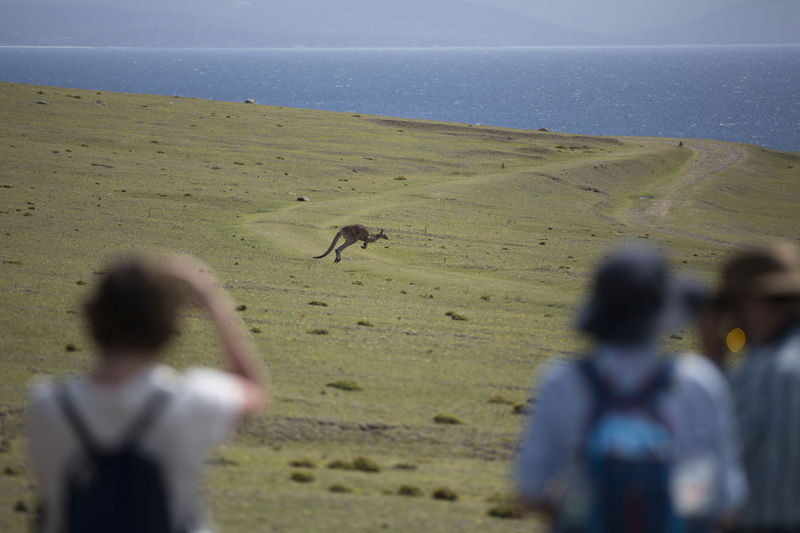
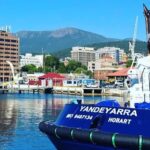
This is a day tour with a long reach beyond Hobart. You meet in the city, travel to the ferry, cross to Maria Island and spend the main part of the day walking before returning to Hobart around 5pm. The exact schedule can shift with weather and traffic, and the ferry connection makes a prompt departure important.
The early start is part of the bargain. Summer departures meet at 6:40am for a strict 6:45am departure. In winter, meet at 7:55am for an 8am departure. Arrive ten minutes early; the group cannot wait for late arrivals because it needs to meet the ferry.
Round-trip transfers, ferry fees and the national park entrance fee are included, along with an English-speaking guide. That removes several moving parts from a day that would otherwise require you to arrange transport, a boat crossing and your own route. The group is capped at 16, a useful size for hearing the guide and keeping the walk together.
You can also read our reviews of more tours and experiences in Hobart
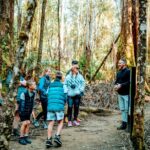


The ferry crossing begins the change of pace
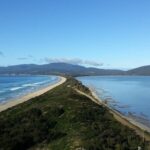
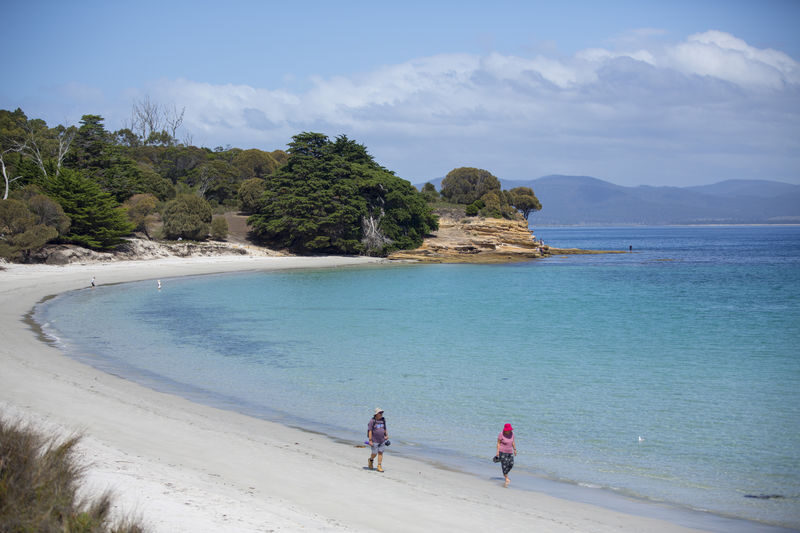
Maria Island lies off Tasmania’s east coast, in the Glamorgan-Spring Bay area. The ferry is not just a way to get there. It marks the shift from a city-based day to an island where there are no cars and no shops, and where your own feet set the pace.
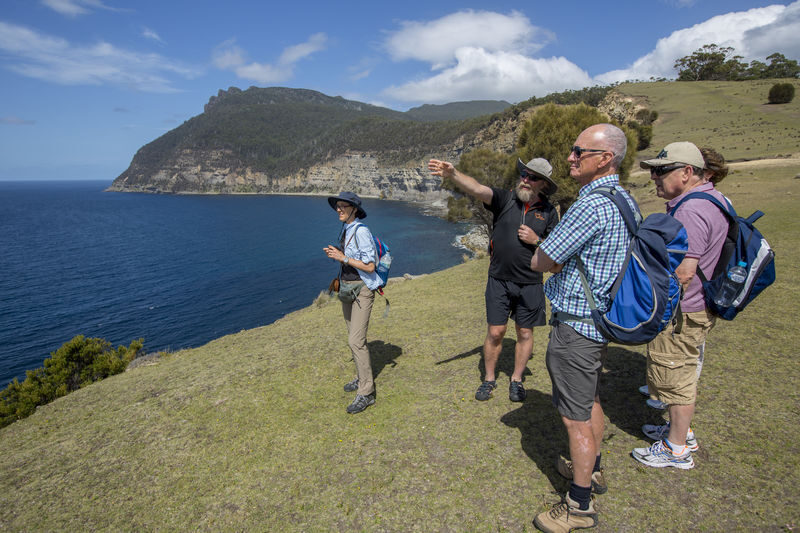
Once ashore, expect a walking-focused visit rather than a drive between attractions. The tour aims to cover as much ground as conditions and time allow, using a selection of the island’s Great Short Walks. That gives you a structured introduction to a large island, but it also means the guide has to keep an eye on walking speed and the ferry schedule.
You may spend several hours on Maria Island, but time at each stop is not fixed. One day may allow both cliff circuits and a good look around Darlington; another may call for a shorter, more guide-led route. If covering every highlight matters most to you, summer’s longer daylight offers the best chance, not a promise.
Darlington gives the island its human story
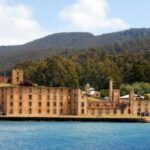
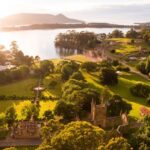
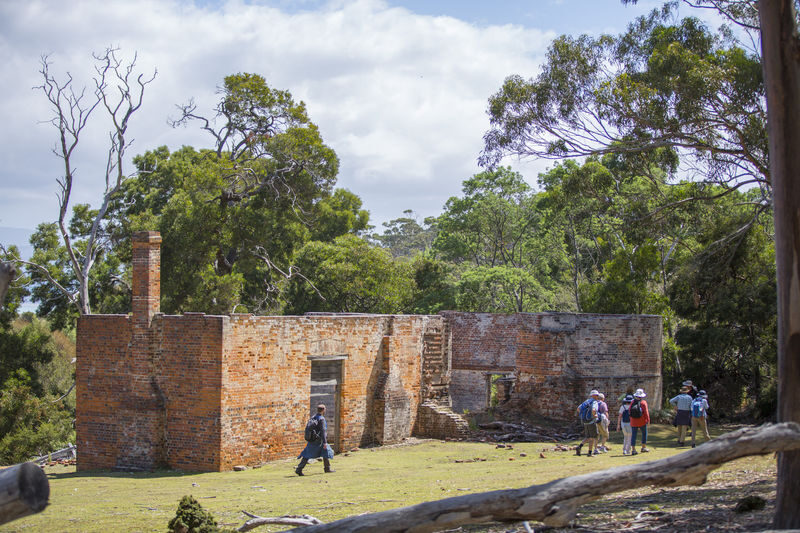
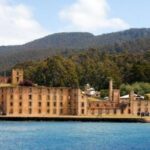
Darlington is a preserved convict settlement and a World Heritage site. Its historic buildings and former probation station offer a striking change from the island’s open coast and wildlife. The place helps put Tasmania’s convict past into the setting where people lived and worked, rather than leaving history as a label on a map.
The stop also asks for a little patience. Guides may spend time explaining the site and its history, which gives context but can reduce time available for the cliffs or lunch if the day runs tight. A visitor on one winter trip felt the historic stop took too much of the available time. That is a useful reminder: this tour balances history, walking and wildlife, and the balance may not suit everyone equally.
If you are keen on all three, Darlington is part of the appeal. If you mainly want to cover miles of coast, tell yourself that the route is not a race to tick off every stop. The guide has to work within daylight, ferry timing and the conditions on the island.
Painted Cliffs are shaped by water and time
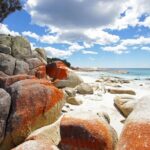
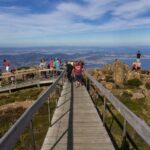
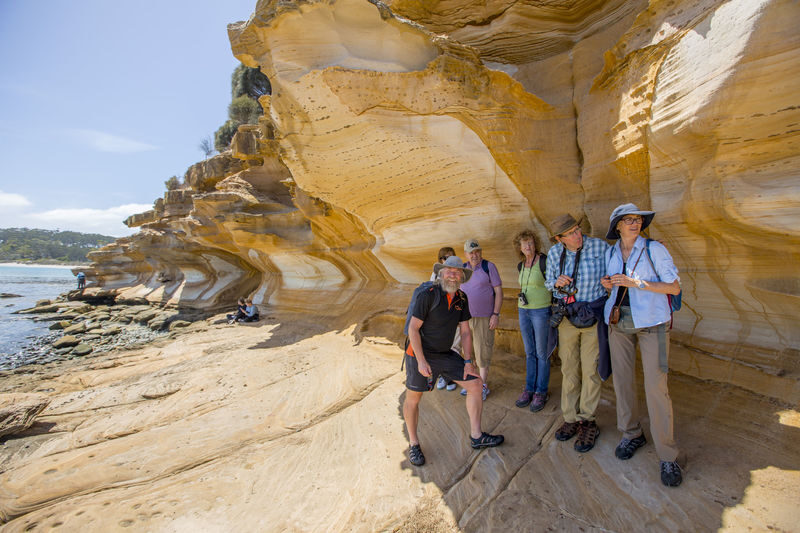
The Painted Cliffs circuit is a 4.5-kilometre round trip to sandstone formations marked by iron oxide. The rocks have been shaped by waves, and their unusual patterns make this one of the day’s most distinctive coastal walks. You get more than a viewpoint: the circuit brings you close to the texture and colour of the sandstone.
Tide conditions matter. At high water, the route may be difficult or impossible to cross, so the guide may need to alter the plan. This is not a stop you can insist on regardless of the day. In summer, the tour aims to include the full circuit; in winter, the shorter day and local conditions can make that less likely.
Give yourself time to look closely rather than only taking a quick photograph. The cliffs are a natural feature, not a staged attraction, and their appearance can change with light and weather. If this circuit is high on your list, be flexible about when or whether it fits into the day.
Fossil Cliffs put an ancient sea under your boots
The Fossil Cliffs circuit is another 4.5-kilometre loop. The exposed marine fossils date back around 300 million years, a time when this part of Tasmania was beneath the sea. It is an unusually tangible way to encounter deep time: the evidence is in the rock beside the path, not behind glass.
The fossil walk pairs well with Painted Cliffs because the two circuits reveal different sides of Maria Island. One shows sandstone marked by iron oxide and waves; the other exposes ancient marine life. Together, they make the walking feel like more than a scenic outing.
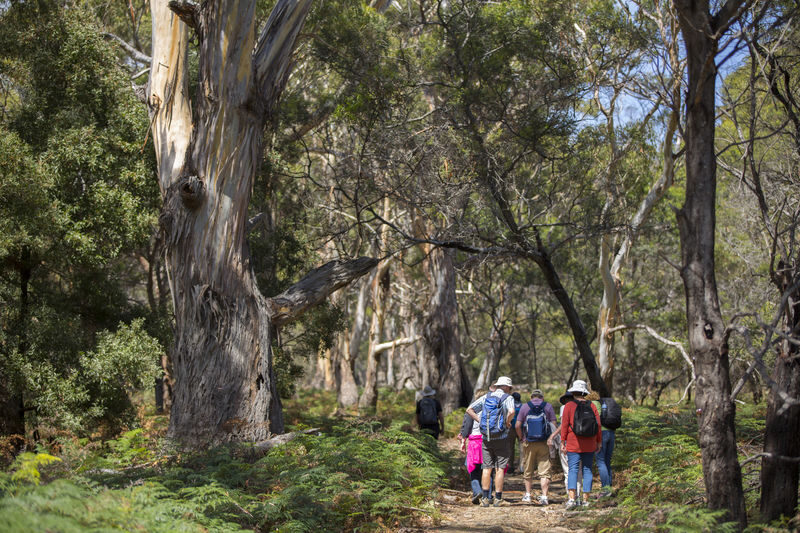
The full summer plan aims to include both circuits and time in Darlington, which can bring the day’s total above 10 kilometres. That is a substantial amount of walking once you factor in slopes, uneven ground and stops. You do not need to be an elite hiker, but you should be comfortable spending much of the day on your feet.

Wildlife spotting is part skill, part luck
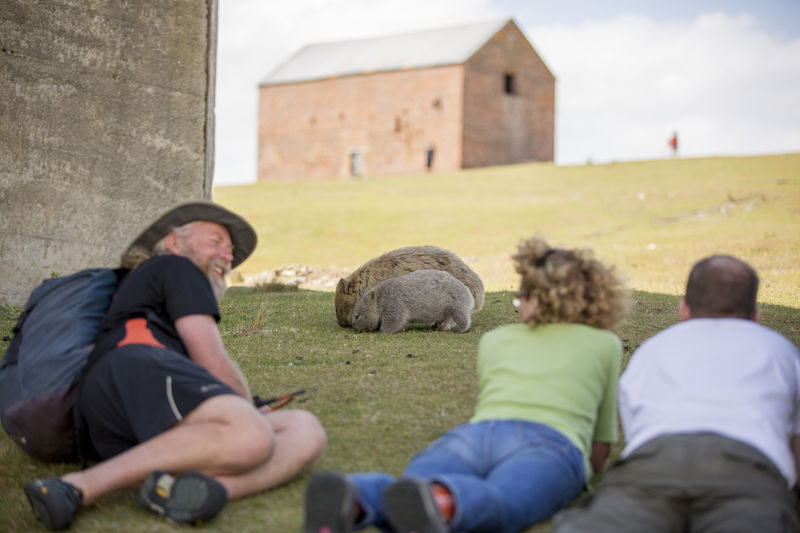
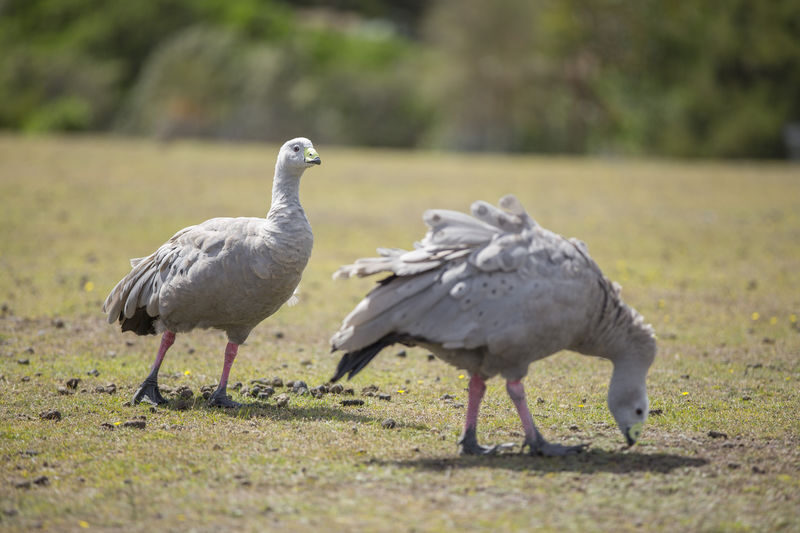
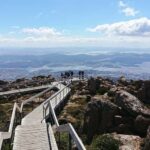
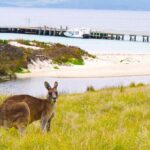
Maria Island is known for native wildlife, including wombats, wallabies, Cape Barren Geese and Tasmanian Devils. Wombats and wallabies are often the animals people most hope to see. Guides can help you notice movement, signs and animals in places you might otherwise pass, and their knowledge of local wildlife adds real value to the walk.
Still, these are wild animals, not a scheduled show. Wombats are nocturnal, so a daytime sighting is a stroke of luck. You might see several, or only find one sleeping in the shade. Some departures have also spotted pademelons, kangaroos or an echidna, but no particular sighting is assured.
A respectful approach matters. Wildlife viewing is led by eco-certified guides, who keep the group from treating animals as props. Keep your expectations open, give animals room and enjoy the island even if the hoped-for wombat does not appear. The coast, fossils and historic settlement still make the day worthwhile.
The guide helps tie the day together
A good guide does more than point out a wombat. The walk includes history, geology, plants and practical decisions about where to go next. Past guides have included Matt, Ben, Nicholas, Lucas and Peter, among others; you should not assume you will have a particular person on your departure.
The best moments often come from the guide’s eye and local understanding. Animal signs can be easy to miss, and Maria Island is large enough that independent navigation takes attention. A guide can choose a route, explain what you are seeing and adjust the plan when tide or weather affects access.
There is a practical side to group walking, too. Some people have found the pace brisk, while others have appreciated that guides set a manageable rhythm and offer chances to pause. If you walk slowly or need frequent rests, consider that the tour is active and that the group has to keep to the ferry timetable. The cap of 16 helps, but it does not turn a full-day hike into a leisurely stroll.
Pack lunch, water and shoes you can get dirty
There are no shops on Maria Island. Bring lunch, snacks and a large refillable water bottle in a comfortable day pack. A brief bakery stop on the way to the ferry may be available if you have not brought food, but do not make that your only plan. Meals and drinks are not included.
Wear walking shoes suited to outdoor conditions. Hiking boots are a sensible choice if you have them, especially in wet or muddy weather. Paths can be slippery, and the island has wombat droppings underfoot. This is not the day for clean white trainers or shoes you mind scuffing.
Dress for changing outdoor conditions and bring rain-ready gear if the forecast calls for it. Cloud does not remove the need for sun protection; strong UV can still be an issue on an overcast day. A day pack also leaves your hands free and keeps your food, water and personal gear together as you walk.
What the price covers, and what it does not
The advertised price starts at $180.50, while the package is also shown from US$156.99. Since the amounts use different currency labels, check the price and currency shown at checkout before booking. The fare includes a full-day tour from Hobart, return transfers, ferry fees, park admission and an English-speaking eco-certified guide.
That bundle offers practical value if you do not want to coordinate the drive, ferry and island route yourself. It also gives you a guide who can help locate wildlife and explain the history and natural features. For a small group, a full day of transport and walking, and the key access fees, the price buys convenience as well as the outing.
You still pay for your own lunch, snacks and drinks, and you need to carry them. The value is strongest if you want a guided introduction and are happy to spend the day walking. If you would rather choose your own pace, linger at one place or skip a long hike, a guided active day may feel too structured.
Who should choose this Maria Island day
I would put this tour near the top of the list for hikers, wildlife lovers and anyone who wants a practical first visit to Maria Island without arranging every transfer. It is especially appealing if you want a mix of scenery, convict history and a chance to see wombats in the wild.
It is less suitable if you have limited mobility, dislike early starts or do not want to walk several kilometres. Children under eight are not permitted, and the activity is not wheelchair-accessible. Children aged 16 and over pay the adult rate.
The main question is not whether every highlight is guaranteed. It is whether you will enjoy a full day outside, with a guide setting the route and the island setting the terms. If that sounds good, the combination of fossil beds, sandstone cliffs, Darlington and wildlife is a strong reason to go.
Hobart Maria Island National Park – Nature & Wildlife Adventure
“The tour guide gave a very thoughtful explanation, allowing us to learn a lot more about the island's history. The tour allowed us to truly enjoy t…”
FAQ
How long is the tour?
It is a full-day tour from Hobart, with a listed return time of around 5pm. The schedule can change with traffic and weather.
How much walking should I expect?
In summer, the tour aims to cover the 4.5-kilometre Painted Cliffs circuit and the 4.5-kilometre Fossil Cliffs circuit, plus time at Darlington. More than 10 kilometres of walking is possible on a full summer day. Winter routes are shorter and adapted to the conditions.
Are wombat sightings guaranteed?
No. Wombats and other wildlife live freely on the island, so sightings cannot be promised. The guide will lead wildlife viewing respectfully and help look for animals.
What food and drink should I bring?
Bring lunch, snacks and a large refillable water bottle. There are no shops on Maria Island, and meals and beverages are not included.
What should I wear?
Wear comfortable walking shoes suited to hiking and outdoor conditions. Hiking shoes or boots are a good choice, particularly if the paths are wet or muddy. Bring clothing suitable for the weather.
Where is the meeting point, and when should I arrive?
Meet at the Tasmanian Travel & Information Centre, 20 Davey Street in Hobart. Summer tours meet at 6:40am for a 6:45am departure; winter tours meet at 7:55am for an 8am departure. Arrive ten minutes early because late arrivals cannot be accommodated.
Are children allowed on the tour?
Children under eight are not permitted. Children aged 16 and over are charged the adult rate.