The Mona Lisa is only one stop in a museum so vast that a first visit can feel like trying to read a library by opening one book at random. This three-hour guided tour gives you a route through famous works and royal rooms, with an expert guide to explain what you are seeing along the way.
I like two things in particular: you get reserved access, which can save time dealing with entry arrangements, and the guide connects the art to stories, from theories about the Mona Lisa’s identity to the grim events behind The Raft of the Medusa. The trade-off is that the Louvre is still busy, and a fixed three-hour tour can only show you a small part of it.
- What to know before you book
- A focused route through a very large museum
- The Mona Lisa, with context beyond the crowd
- Venus de Milo and Victory of Samothrace
- From royal palace to public museum
- What reserved access means in practice
- Is the price worth it?
- Timing, meeting point and practical details
- Who will get the most from this tour?
- Should you book it?
- FAQ
- How long is the Louvre tour?
- Where is the meeting point?
- How early should I arrive?
- What artworks and rooms are included?
- Is the tour in English?
- Is the entrance ticket included?
- Can I bring a stroller or use a wheelchair?
- Is the Louvre open every day?
- The Best Of Paris!
- More Guided Tours in Paris
- More Tours in Paris
- More Tour Reviews in Paris
- Not for you? Here's more nearby things to do in Paris we have reviewed
What to know before you book
 1 / 8
 2 / 8
 3 / 8
 4 / 8
 5 / 8
 6 / 8
 7 / 8
 8 / 8
- Mona Lisa and major works: The tour includes the Mona Lisa, Venus de Milo, Victory of Samothrace and Canova’s Psyche Revived by Cupid’s Kiss.
- A palace, not just a gallery: The route also takes in the Apollo Gallery, Napoleon Apartments and crown and jewel collections.
- Three hours with a guide: The morning departure runs from 10:30 to 13:30, with an English-speaking guide.
- Small group format: The tour is described as having 10 people or fewer, though group size can feel different in a crowded museum.
- Meet outside at the Arc du Carrousel: Look for a guide in blue, and arrive 15 minutes early.
- Plan for a focused visit: The Louvre is enormous. This tour covers selected highlights, not every wing or gallery.

👉 See our pick of the 25 Best Shopping Tours In Paris
A focused route through a very large museum
The Louvre rewards a little focus. Its scale can be exhilarating, but without a plan you can spend a lot of energy finding your way and still leave wondering what you missed. This tour offers a guided route through well-known works and rooms, so you can spend more of your limited time looking and listening.
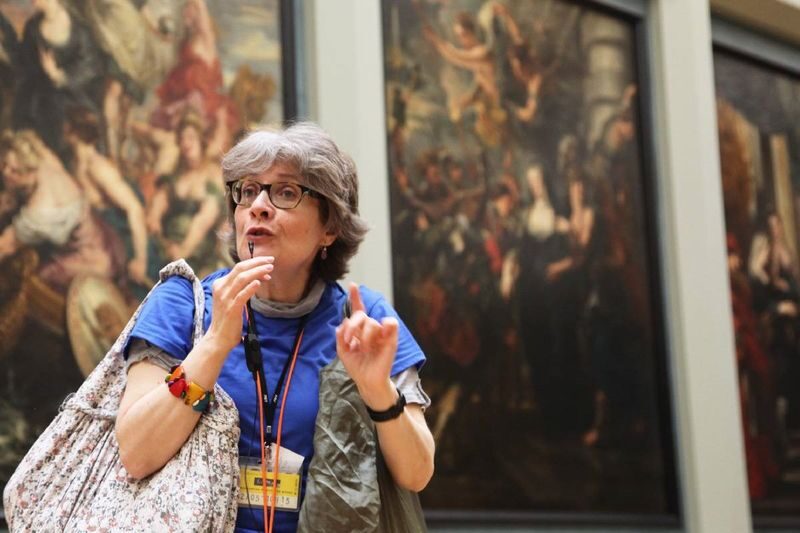
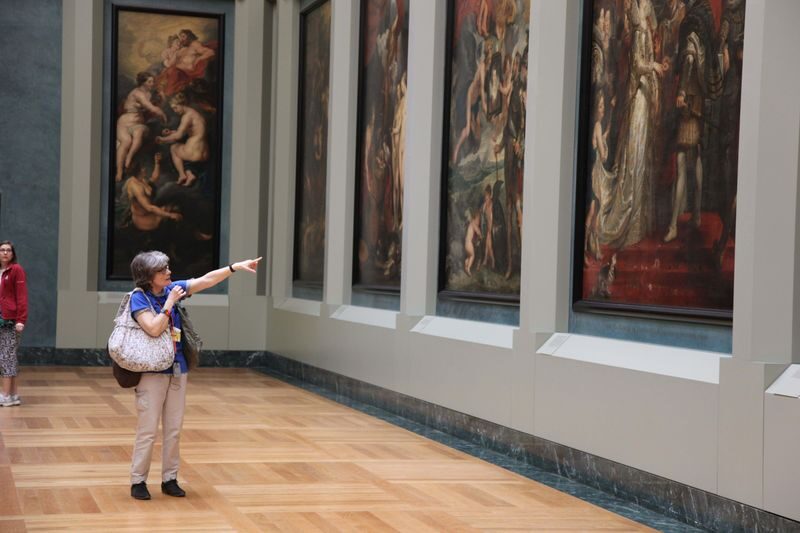
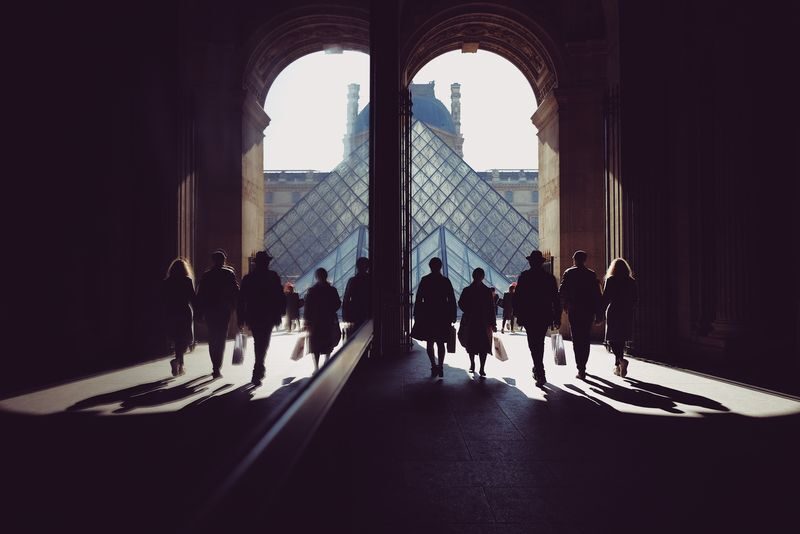
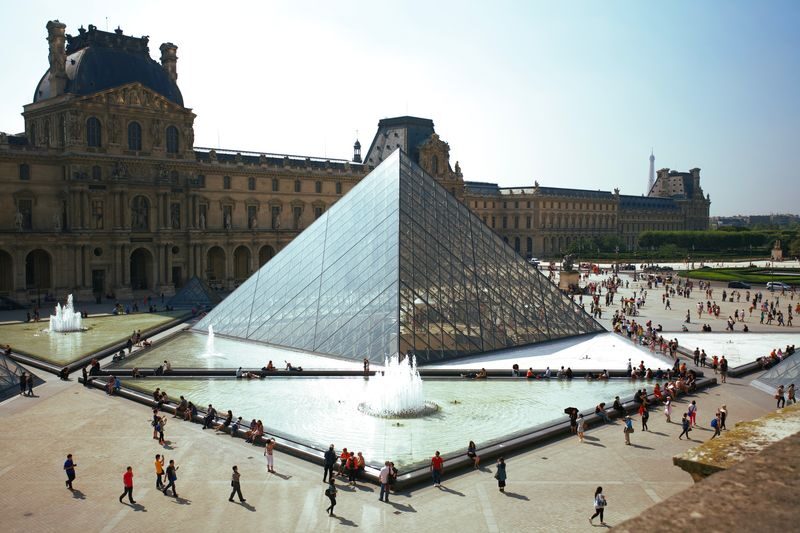
Your tour begins at 10:30 and lasts three hours. The group meets outside the museum by the Arc du Carrousel, the triumphal arch topped with a horse-drawn chariot. With your back to the entrance of the Louvre Pyramid, the arch is a useful landmark. Arrive 15 minutes early and look for the guide in blue. Finding the meeting point matters: a late start can eat into an already short visit.
The tour is advertised for groups of 10 or fewer. That is a useful size for a museum visit, where it helps to hear the guide and keep the group together. Still, the Louvre’s crowds can make any group feel larger, especially around famous paintings. If a very intimate experience is important to you, check the exact group format for the package and date you are booking.
You can also read our reviews of more guided tours in Paris



The Mona Lisa, with context beyond the crowd
The Mona Lisa draws a crowd for good reason, but standing in front of her is not always the quiet, close encounter people picture. The room can be busy, and the painting is protected behind glass. A guide can make the stop more worthwhile by giving you something to think about beyond the familiar smile.
Here, the guide shares stories about the portrait, including theories about the sitter’s identity. That context helps turn a quick look into a more thoughtful one. You are not just ticking off a famous painting; you have a question to carry with you as you look.
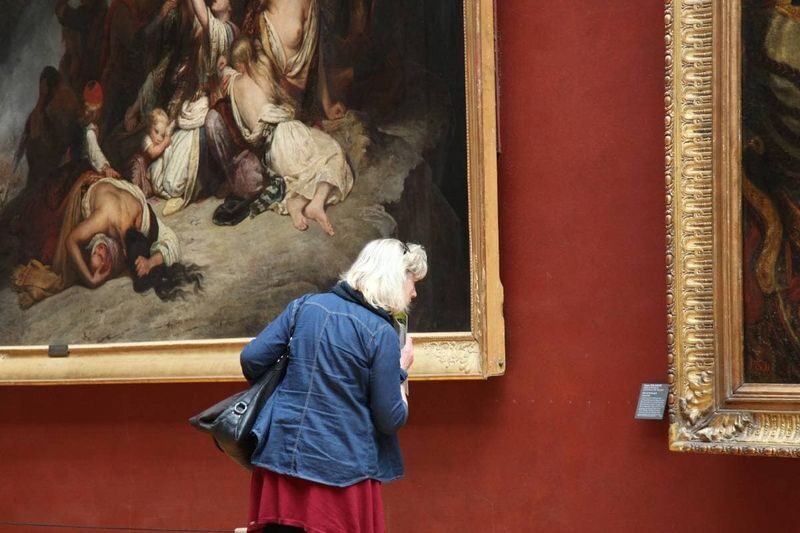
The tour also includes other works that can make the Louvre’s art feel more varied. The guide discusses the story behind Théodore Géricault’s The Raft of the Medusa, a work shaped by a dark real-life event, and introduces Canova’s Psyche Revived by Cupid’s Kiss. The point is not to turn every stop into a lecture. It is to give you a few details that make the work easier to see and remember.
Venus de Milo and Victory of Samothrace
The Venus de Milo and Victory of Samothrace are two of the Louvre’s best-known sculptures, and both reward seeing in person. Their size and presence are hard to take in from a picture. The guide helps you place them within the museum’s broader collection and gives you a reason to pause rather than simply move on to the next famous object.
The tour also includes Psyche Revived by Cupid’s Kiss, a sculpture by Antonio Canova. Its subject and title offer a different mood from the grandeur of the ancient Greek works. Taken together, these stops show how much a Louvre visit can shift between periods, materials and styles, even within a short route.
There is a practical limit, of course. Three hours is enough for a well-chosen selection, not a full survey of the museum. If you want to spend long stretches with one work or explore rooms at your own pace, you may prefer to follow a guide-led visit with another, self-directed museum visit.
From royal palace to public museum
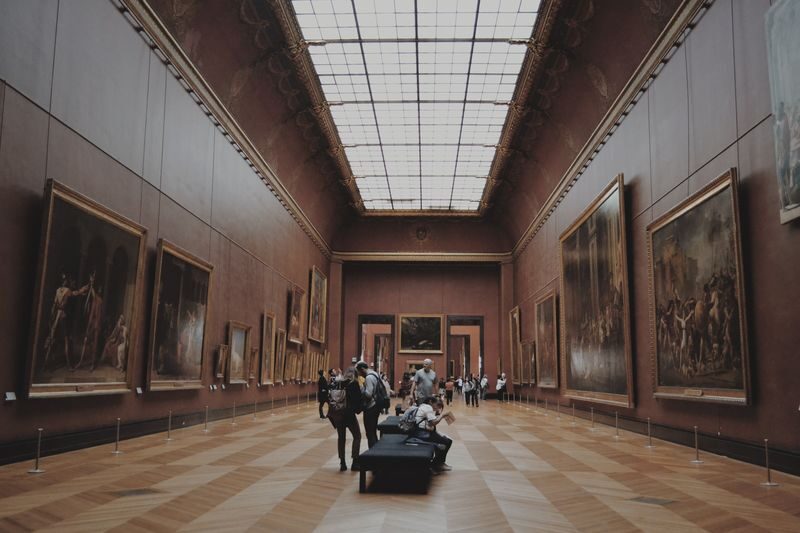
The Louvre’s past as a royal palace gives the visit a second thread beyond the artworks. The tour includes the Apollo Gallery, Napoleon Apartments and crown and jewel collections. These rooms help explain how the building served power and display before it became the museum millions of people visit today.
I like this part of the route because it widens the picture. A museum can feel like a string of isolated masterpieces, but the palace rooms connect art, architecture and French court life. The crown and jewel collections, in particular, offer a glimpse of the objects used to signal rank and authority.
The tour’s mix of paintings, sculpture and royal interiors is a good fit if you want an introduction rather than a specialist art lesson. You do not need to arrive with an art-history background. The guide’s stories are meant to make the works approachable, and past departures have been led by guides including Maryam, Sid, Carolina, Elisse and Addy. The guide for your date may be someone else.
What reserved access means in practice
Reserved access is valuable at a museum as popular as the Louvre. Your admission ticket and reservation fee are included, so you do not have to arrange those separately. It can also make the entry process simpler than turning up without a plan.
But reserved access does not make the museum empty, nor does it guarantee a perfectly smooth start. Entry arrangements can sometimes cause delays, and busy days mean crowds inside. A previous tour group lost about half an hour waiting for access information, even though the guide was well prepared to lead the visit once inside. Give yourself a little patience and do not schedule a tight appointment immediately after the stated 13:30 finish.
An audio headset is provided when appropriate. That can help you follow the guide in a crowded room, though it is still wise to stay close and keep track of the group. The guide’s ability to keep everyone together matters in a museum where it is easy to get distracted by the next gallery.
You can also read our reviews of more museum experiences in Paris



Is the price worth it?
The tour is listed from $140.80, while the morning package option is shown from $122.45. Prices can vary by package and date, so check the amount for the departure you choose. The stated inclusions are an English-speaking guide, an entrance ticket listed at EUR 28, a reservation fee listed at EUR 90 per group, and an audio headset when appropriate. Personal expenses and tips are not included.
The value is not just the ticket. You are paying for a guide to choose a route, explain key works and help you use three hours well. If you are new to the Louvre, that structure can spare you the uncertainty of deciding where to go in a museum with so much to see. The guide’s stories can also give the famous works more meaning than a quick look on your own.
If you are comfortable planning your own route and are content to explore without a guide, a separate museum ticket may suit you better. The guided option makes most sense if you want context and an efficient introduction, or if it is your first visit and you would rather not spend the morning navigating alone.
One pricing detail is worth checking: entry to the Louvre is free for visitors from the EU aged 18 to 26. The tour information also lists the entrance ticket and reservation fee as included, so confirm how those charges apply to your booking before paying if you qualify for free entry. Children aged 0 to 3 are free, while children aged 0 to 17 must be accompanied by a paying adult. Infants and children still need to be included in the passenger count.
Timing, meeting point and practical details
The morning tour starts at 10:30 and returns to the Arc du Carrousel at about 13:30. The listed schedule can change with traffic and weather, though the visit itself is inside the museum. The Louvre is open Monday, Wednesday, Thursday, Saturday and Sunday from 09:00 to 18:00, and Friday from 09:00 to 21:45. It is closed on Tuesday.
Bring a mobile voucher for the tour. Children under 18 should have an ID card, and anyone under 18 must be with a paying adult. The activity is not stroller- or wheelchair-accessible; check the Louvre’s official accessibility information if you need details about access for people with disabilities.
The tour ends at the same meeting point, but do not assume the guide will have time to escort you through more galleries after the scheduled finish. If you want to continue exploring, ask the guide about the end of the tour and leave room in your own plans.
Who will get the most from this tour?
This is a strong choice for a first-time visitor who wants a guided introduction to the Louvre’s best-known works and a taste of its royal history. It also suits you if you enjoy hearing stories and context rather than simply reading labels, or if the museum’s scale feels daunting.
Families with older children may appreciate the clear focus, but remember that children under 18 need an adult and ID. The tour is less suitable if you need stroller or wheelchair access, want an unhurried visit to a particular gallery, or prefer to set your own pace. A three-hour route gives you a useful frame, not a complete Louvre education.
The best guides make the difference. The strongest experiences have been described as clear, engaging and relaxed, with guides who share history and take care to keep the group together. At the same time, a guide’s style and the day’s crowd levels can shape the experience. Expect a structured overview, not a private visit or a quiet room.
Should you book it?
Book this tour if you want to see the Mona Lisa, major sculptures and royal rooms with an English-speaking guide, and you value a planned route over wandering on your own. The mix of art and palace history is its real strength.
Think twice if you want a long, quiet look at each work, need accessible transport through the museum, or hope to cover the entire Louvre in one morning. You will see a thoughtful selection, not the whole collection. For many first visits, that is a sensible trade: three hours, a clear route and enough stories to make the art stick.
Louvre Museum with Mona Lisa Portrait Guided Tour in Paris
“The tour is great. The guide is very professional, sharing interesting stories and history of different exhibits. She took good care of every membe…”
FAQ
How long is the Louvre tour?
The tour lasts three hours, from 10:30 to 13:30.
Where is the meeting point?
Meet at the Arc du Carrousel, at Place du Carrousel, 75001 Paris. Look for a guide in blue beside the arch.
How early should I arrive?
Arrive 15 minutes before the 10:30 departure.
What artworks and rooms are included?
The tour includes the Mona Lisa, Venus de Milo, Victory of Samothrace, Canova’s Psyche Revived by Cupid’s Kiss, the Apollo Gallery, Napoleon Apartments, and crown and jewel collections.
Is the tour in English?
Yes. An English-speaking guide leads the tour.
Is the entrance ticket included?
Yes. The listed inclusions cover an entrance ticket and reservation fee. Entry to the Louvre is free for visitors from the EU aged 18 to 26, so check how that applies to your booking.
Can I bring a stroller or use a wheelchair?
The activity is not stroller- or wheelchair-accessible. For further information about accessibility at the Louvre, consult the museum’s official website.
Is the Louvre open every day?
No. It is closed on Tuesdays. It is open from 09:00 to 18:00 on Monday, Wednesday, Thursday, Saturday and Sunday, and from 09:00 to 21:45 on Friday.