Amsterdam’s Hash Marihuana & Hemp Museum is less a celebration of getting high than a look at how cannabis and hemp have shaped medicine, culture, industry, and daily life. I like that your ticket takes you through two distinct museum spaces, and that the displays connect cannabis history with hemp’s practical uses, from rope and clothing to newer materials.
I also like the built-in flexibility: explore at your own pace with an audio guide, then spend time with the live plants and the exhibits that catch your eye. One caveat: this is a compact museum, not a grand collection with a full day’s worth of displays. If you want a detailed, highly interactive experience, you may find it brief or a little uneven.
- What to know before you go
- Start with the story behind the plant
- Two nearby spaces, two different angles
- Artifacts, plants, and a vaporizing area
- Hemp’s everyday uses are worth your time
- Use the audio guide, but set your own pace
- Location and practical details
- Is admission good value?
- Should you book it?
- FAQ
- How much does admission cost?
- What are the opening hours?
- What languages are available for the audio guide?
- Is the museum wheelchair-accessible?
- How do I get to the museum by public transport?
- Do children need a ticket?
- The Best Of Amsterdam!
- More Museum Experiences in Amsterdam
- More Tours in Amsterdam
- More Tour Reviews in Amsterdam
- Not for you? Here's more nearby things to do in Amsterdam we have reviewed
What to know before you go
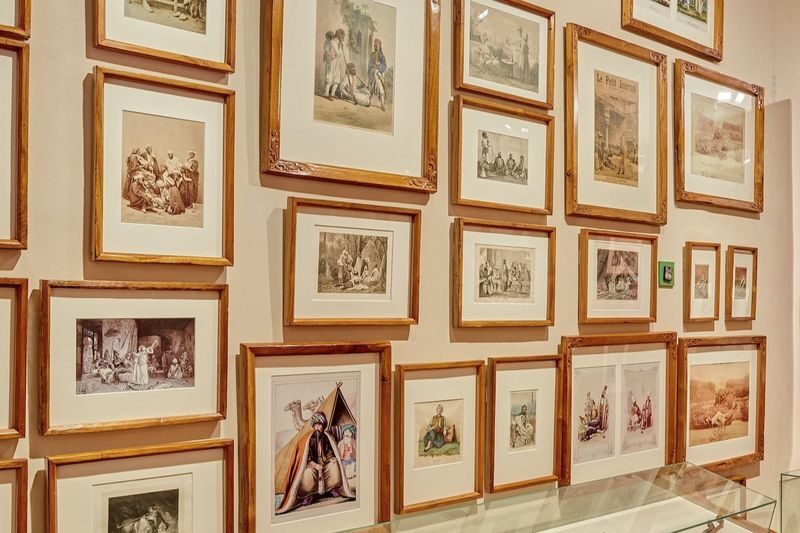
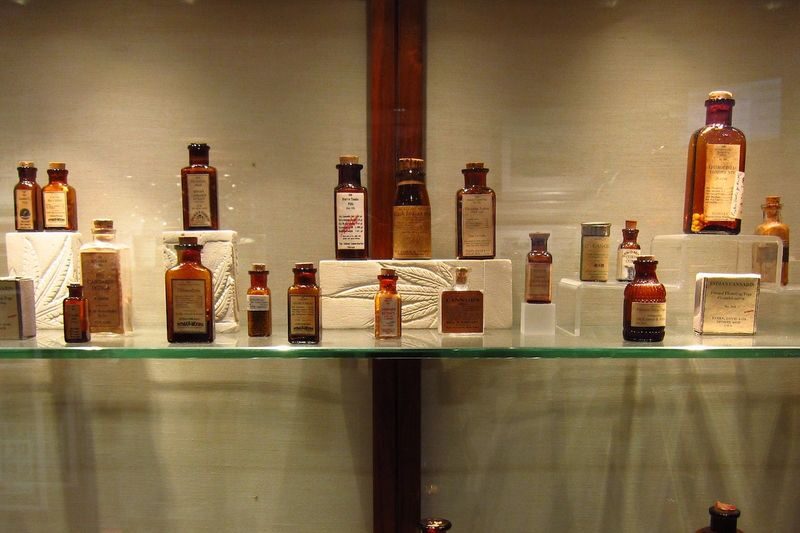
- Two museum spaces tell different stories: One focuses on cannabis history and culture; the other explores hemp as a useful plant fiber.
- More than 7,000 artifacts: Displays include objects connected with cannabis use across different periods and cultures.
- Live plants and a vaporizing area: You can see cannabis plants growing and, where available, try select strains in the designated area.
- The audio guide is included: Choose from English, Dutch, German, French, Portuguese, Spanish, Italian, or Russian.
- It’s easy to fit into a city day: The museum is at Oudezijds Achterburgwal 148, about a four-minute walk from Nieuwmarkt station.
👉 See our pick of the 24 Best Shopping Tours In Amsterdam
Start with the story behind the plant
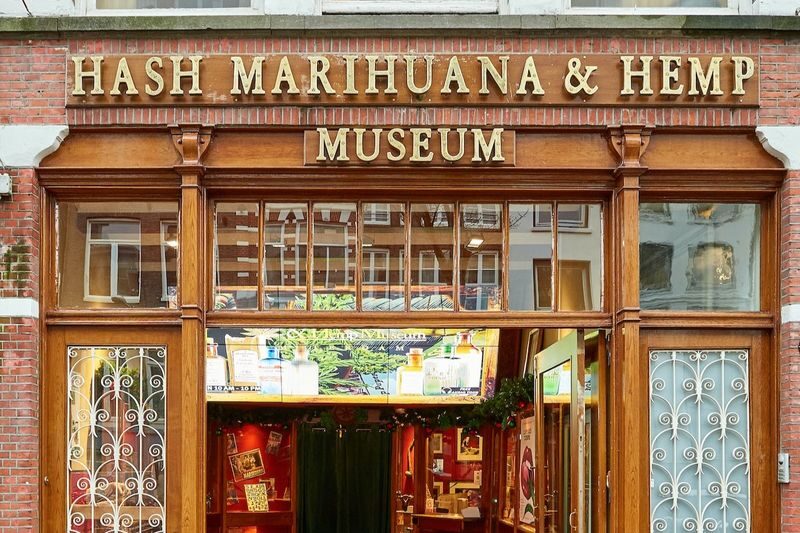
The museum sits in Amsterdam’s Red Light District, on Oudezijds Achterburgwal, a canal-side street that makes the location part of the visit. Inside, the subject is broader than the neighborhood might suggest. The museum traces cannabis through different cultures and eras, including its recreational and medical uses, while also taking a serious look at the plant’s place in biology, art, and industry.
That wider frame is useful. Cannabis can be a polarizing subject, and the displays offer a way to consider its history without reducing it to a single modern debate. You’ll see artifacts and information about how people have used the plant, and the audio guide helps add context as you move through the exhibits.
The museum describes itself as the world’s oldest marijuana museum. Its collection includes more than 7,000 global artifacts, though the space itself is small. That combination matters: there is plenty to look at, but it is not a huge institution where every item has its own long gallery. If you enjoy reading labels and listening to commentary, you can take your time. If you prefer big rooms and interactive installations, the visit may feel modest.
You can also read our reviews of more museum experiences in Amsterdam



Two nearby spaces, two different angles
Admission covers two museum spaces on the same street. The main museum focuses on cannabis history, including its place in medicine and entertainment, and displays tools and objects from different periods. You’ll get a clearer sense of how the plant has been used and understood over time, rather than seeing only modern paraphernalia.
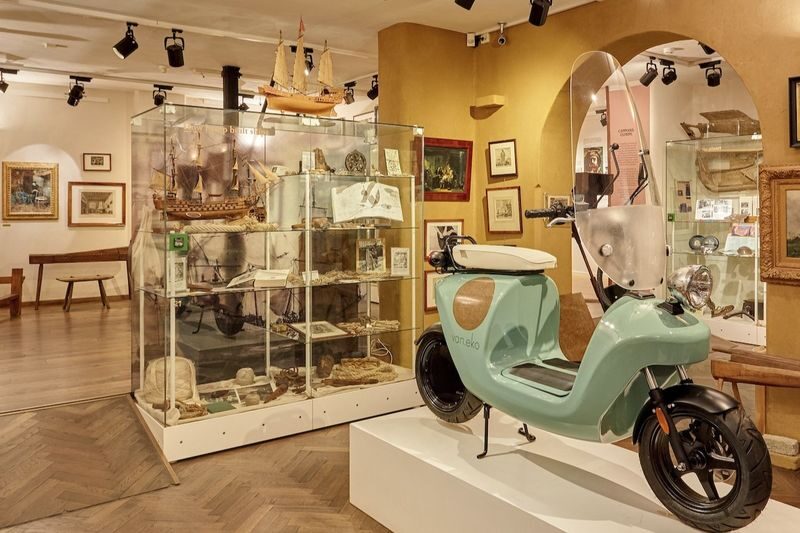
The second space shifts the focus to hemp fiber. It looks at how hemp can be turned into practical materials such as rope and clothing, and how the fiber has been used in products including chairs and cars. That change of subject is one of the visit’s strengths. It helps explain why hemp matters beyond its association with cannabis cultivation, and gives the museum a more grounded, everyday dimension.
The two spaces are close together, with one described as roughly 30 meters from the other. That makes the transition simple, though it is worth paying attention to where you are headed so you don’t assume the entire visit is in one building. The second display is smaller, but it adds an important counterweight to the first: this is also a museum about a versatile crop and its materials.
Artifacts, plants, and a vaporizing area
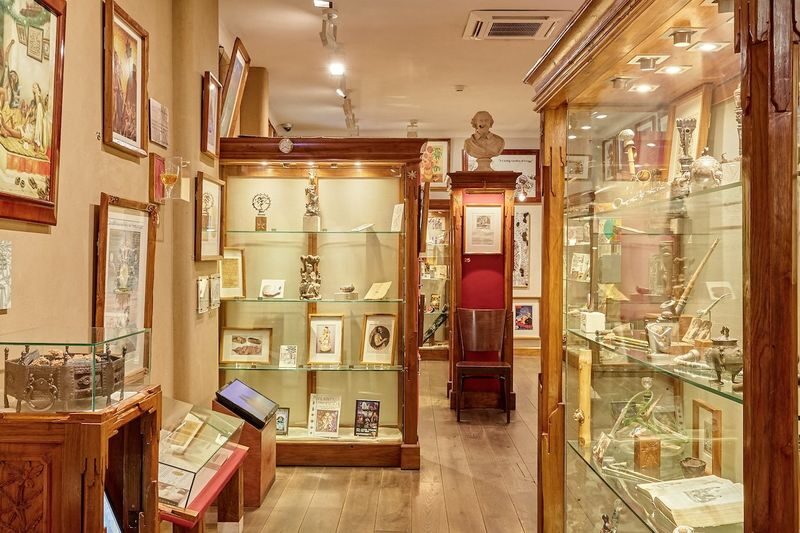
The collection is the heart of the visit. You’ll encounter more than 7,000 objects connected with cannabis from around the world, including tools and items from different periods. The displays offer a concrete way to follow the plant’s cultural and medical roles. They may be most rewarding if you’re curious about how those roles have changed, rather than expecting a purely hands-on attraction.
Live cannabis plants add a different kind of detail. Seeing the plant growing helps connect the historical objects with the biology behind them. The museum also has a vaporizing area where visitors can try select strains. Treat this as an optional part of the visit, not the main event: the displays and historical context are the core of the experience, and the information provided does not set out the practical terms for using the area.
Photography is allowed for personal use. Commercial photography and video, as well as live broadcasts, are prohibited. If you like documenting museum visits, keep your camera use to ordinary personal photos.
Hemp’s everyday uses are worth your time
It would be easy to hurry through the hemp displays after seeing the cannabis collection. I wouldn’t. The hemp section gives the visit its most useful surprise: fiber from the same plant can be made into rope, clothes, furniture, and other materials. The exhibits also cover environmental applications, including car materials.
That practical focus can change the way you think about hemp. Instead of treating it as a footnote to cannabis, the museum presents it as a durable material with a long record of use. You may not leave with a technical education in fiber production, but you’ll have a better grasp of why hemp has been useful in so many settings.
One past visit included a complimentary cup of cannabis tea. It is not listed as part of the admission, so don’t count on it being available; if you’re curious, ask the staff when you arrive. That small detail aside, the hemp displays are the best reason to make sure you visit both spaces rather than stopping after the main hall.
Use the audio guide, but set your own pace
Your admission includes an audio guide in eight languages: English, Dutch, German, French, Portuguese, Spanish, Italian, and Russian. That’s a practical plus, especially if you want more context than the exhibit labels provide. You can take in the displays at your own pace instead of trying to keep up with a scheduled group.
There is no fixed tour duration listed. The museum is compact, and the time you spend will depend on how much you read, how carefully you use the audio guide, and whether you linger at the plants or the hemp displays. A visit of around an hour may suit someone moving briskly; if you listen to more commentary and examine the exhibits, allow closer to a couple of hours. Those are planning estimates, not a guaranteed visit length.
The museum works best when you arrive with a little curiosity and no need to rush. Read what interests you, skip what doesn’t, and give the hemp section a fair chance. If you’re short on time, it is still a manageable stop between other central Amsterdam sights.





Location and practical details
You’ll find the museum at Oudezijds Achterburgwal 148, 1012 DV Amsterdam, in the Red Light District. Nieuwmarkt station is about a four-minute walk away. Waterlooplein station is about an eight-minute walk by bus, according to the available directions.
Opening hours are listed as 10:00 to 22:00 every day, Monday through Sunday. Check the selected date and time on your booking, since the voucher is valid only for that date and, where applicable, the chosen time. You can enter directly with your voucher.
The museum is wheelchair-accessible. Children aged 0 to 12 enter free but must be accompanied by a paying adult; visitors aged 13 and older pay the adult rate. The activity is available for same-day booking, with instant confirmation. Free cancellation is available if you cancel at least 24 hours before the activity date, using local time in Amsterdam.
Is admission good value?
Admission starts at $11.75, though the final price can vary. For that, you get access to two museum spaces and an audio guide, with no need to book a longer tour or commit to a fixed group schedule. If you’re interested in cannabis culture, hemp materials, or Amsterdam’s history, that is a reasonable price for a compact educational stop.
The value depends on your expectations. You may find the collection informative and unusual, especially if you want to understand hemp’s uses as well as cannabis’s cultural history. But if you expect an expansive museum or a highly polished, interactive presentation, the small scale may leave you wanting more. The exhibits are best approached as a focused visit, not a major half-day attraction.
I’d choose this museum if you like small specialist collections and want a broader view of cannabis and hemp than the usual Amsterdam stereotypes. It is also a handy option when you want a flexible indoor stop in the center. If the subject doesn’t interest you, or you prefer large museums with extensive interpretation, spend your time elsewhere.
Should you book it?
Book if you’re curious about the history of cannabis and hemp, and especially if the fiber exhibits sound as interesting to you as the cannabis displays. The two-space format, live plants, and multilingual audio guide make the visit more varied than a single room of objects, while the central location makes it easy to fit into a day around the old center.
Skip it if you expect a large museum or need a full afternoon’s activity. This is a small, specific attraction, and its value lies in the subject matter and the contrast between cannabis history and hemp’s practical uses. Go in with that expectation, and you’ll know whether the modest admission price suits your plans.
Hash Marihuana & Hemp Museum Admission in Amsterdam
“great to visit, learnt about the history”
FAQ
How much does admission cost?
Admission starts at $11.75. The price may vary.
What are the opening hours?
The museum is listed as open daily from 10:00 to 22:00.
What languages are available for the audio guide?
The included audio guide is available in English, Dutch, German, French, Portuguese, Spanish, Italian, and Russian.
Is the museum wheelchair-accessible?
Yes, the activity is listed as wheelchair-accessible.
How do I get to the museum by public transport?
The museum is about a four-minute walk from Nieuwmarkt station. The listed bus directions place it about an eight-minute walk from Waterlooplein station.
Do children need a ticket?
Children aged 0 to 12 enter free but must be accompanied by a paying adult. Children aged 13 and older are charged the adult rate.