Gyeongju packs a thousand years of Silla history into a day of temples, royal tombs, old villages, and a palace pond lit for the evening. This tour gets you there from Busan without the work of arranging several regional connections, and past guides have included Mr Kim and Nova.
I like two things in particular: the route pairs Bulguksa and Yangdong Village with the tombs and observatory, so you see different sides of Korean history; and it ends at Donggung Palace and Wolji Pond after dark, when reflections make the final stop feel distinct from the daytime visits. The trade-off is a long day, roughly 08:30 to 21:50, with lunch and dinner on your own.
- At a glance: six useful points
- Why Gyeongju works as a day trip from Busan
- Bulguksa Temple: a strong first stop
- Yangdong Village: a quieter change of pace
- Daereungwon and Cheonmachong: royal history at ground level
- Hwangnam-dong, Cheomseongdae, and Gyochon
- Donggung Palace and Wolji Pond after dark
- Transport, pace, and what the price covers
- Guides, language, and small-group feel
- Who should book this Gyeongju tour?
- FAQ
- How long is the tour?
- Which attractions are included?
- Are lunch and dinner included?
- Where does the tour meet in Busan?
- Is there a minimum group size?
- Can children join the tour?
- The Best Of Gyeongju!
- More Historical Tours in Gyeongju
- More Tours in Gyeongju
- More Tour Reviews in Gyeongju
- Not for you? Here's more nearby things to do in Gyeongju we have reviewed
At a glance: six useful points
- A full day out of Busan: Pickup times range from 08:30 at Nampo to 09:40 at Haeundae, with evening drop-offs at the same areas.
- Several very different Gyeongju stops: Expect a Buddhist temple, a traditional village, Silla royal tombs, an old observatory, and palace grounds.
- An evening finale: Donggung Palace and Wolji Pond get about 45 minutes, with the tour timed for the night view.
- Meals cost extra: Lunch and dinner are not included. Guides have helped with restaurant recommendations and dietary needs.
- A guide can add context: Past tours have included English-speaking guides such as Mr Kim and Nova, but a specific guide is not guaranteed.
- Check your meeting point carefully: The supplied directions conflict on the exit number for Nampo and Busan stations, so confirm the exact pickup location before setting out.

👉 See our pick of the 5 Best Historical Tours In Gyeongju
Why Gyeongju works as a day trip from Busan
Gyeongju was the capital of the Silla kingdom, which ruled for about a thousand years. Its historic sites are spread across the area, so a day tour’s main advantage is practical: you can visit several of them without planning transport between each stop yourself.
The day also gives you more than one kind of place. Bulguksa is a major temple; Yangdong preserves a traditional village setting associated with the Joseon era; Daereungwon brings you face to face with the rounded royal tombs of Silla; and the palace pond gives the day an atmospheric close. That range is useful if you have only one day for Gyeongju and want a guided overview rather than a single-site visit.
There is a cost to that breadth. You will spend time on the road, and each stop has a limited window. This is a sampler, not a slow, in-depth visit to every site. If you want long stretches for museum displays, cafés, or wandering without watching the clock, plan an overnight stay in Gyeongju instead.
You can also read our reviews of more historical tours in Gyeongju


Bulguksa Temple: a strong first stop
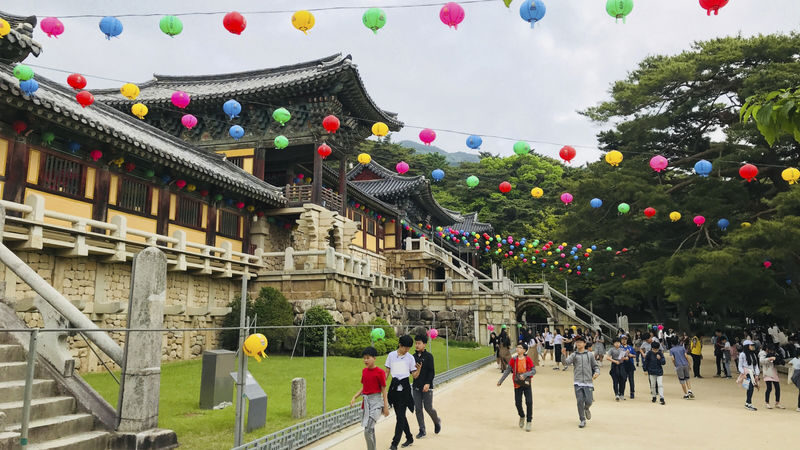
Bulguksa is one of Gyeongju’s signature sights and a UNESCO World Cultural Asset. Its temple buildings and grounds make a useful introduction to the city’s Buddhist heritage, and the site is substantial enough to reward a walk rather than a quick photograph.
The supplied route places Bulguksa first, followed by lunch, though the order and timing can shift with traffic or weather. You should expect to walk around the temple grounds, so comfortable shoes are a sensible choice. One past visitor specifically advised wearing good walking shoes for the day as a whole.
A temple visit can feel different depending on how much context you have. The tour’s guide commentary is meant to help explain the significance of the places, and past guides have been praised for clear explanations. Still, don’t expect a private lecture at every building or unlimited time to linger. The point here is to get a solid first impression before moving on.
Yangdong Village: a quieter change of pace
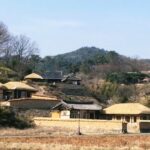
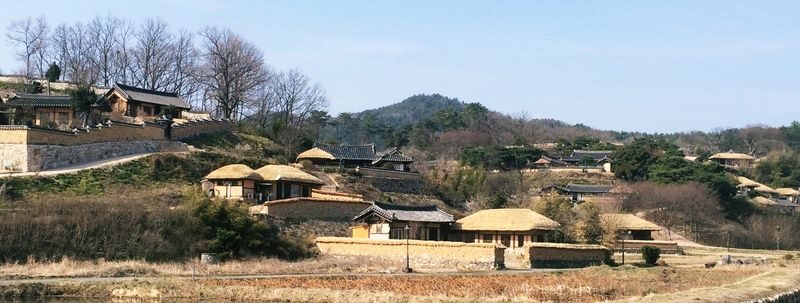
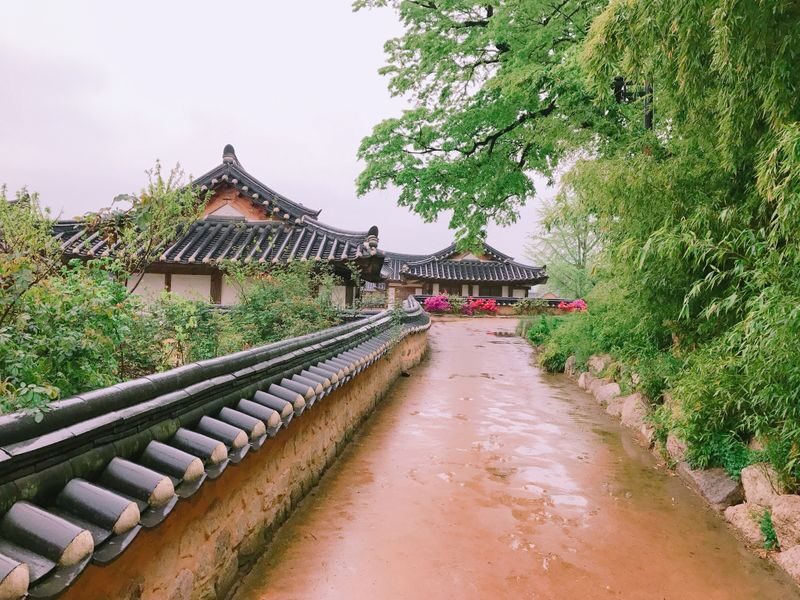
Yangdong is described as Korea’s largest traditional village and is home to cultural heritage connected with the Joseon dynasty. Its quieter, rural character is a welcome contrast to the temple and city-centre monuments. You can walk among traditional homes and take in a setting that feels more like a lived-in community than a single isolated landmark.
The village is also the planned lunch stop, with the meal paid for separately. A guide has recommended a local restaurant serving bulgogi, and one past visitor reported paying KRW 12,000 per person for bulgogi baekban. That is a useful reference point, not a guaranteed menu or current price. If you have dietary needs, tell the guide or operator in advance; a past guide helped arrange a vegetarian meal.
This stop has particular value if you want to see how historic Korean architecture and village life differ from royal and religious sites. Its drawback is that you will need to balance your walk with the day’s schedule. The route includes many stops, so treat this as a purposeful stroll, not an afternoon to explore every lane at your own pace.
Daereungwon and Cheonmachong: royal history at ground level
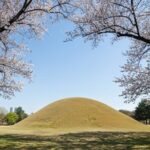
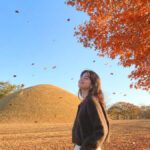
Daereungwon Royal Tomb Complex is one of Gyeongju’s most recognizable places. Its broad, grass-covered burial mounds rise from the park-like grounds, giving the area a distinctive silhouette. The complex also includes Cheonmachong, a tomb associated with an unknown Silla royal figure.
The tour includes admission to Daereungwon and Cheonmachong. That matters because the tomb is not just an exterior mound: the visit gives you a closer look at the burial site and the objects associated with Silla royalty. The site description refers to more than 10,000 artifacts held within the complex, though the day’s visit is not a substitute for a detailed museum itinerary.
The grounds are also a good place to pause and absorb the scale of Gyeongju’s ancient capital. You are not looking at a single palace ruin or a reconstructed scene. The rounded mounds are part of the city’s everyday landscape, and their presence makes the royal past unusually visible. Keep in mind that the schedule also includes Hwangnam-dong, Cheomseongdae, and Gyochon, so time here may feel short if tombs are your main interest.
Hwangnam-dong, Cheomseongdae, and Gyochon
Hwangnam-dong café street offers a break between historic stops. The tour description places a coffee break here, but food and drinks are not included. It is a chance to sit down briefly before returning to sightseeing, rather than a long café visit.
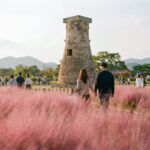
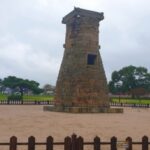
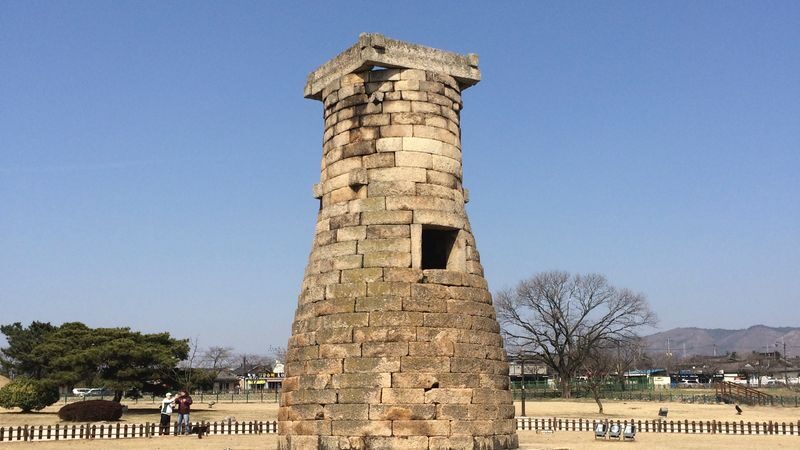
Cheomseongdae Observatory is presented as Asia’s oldest surviving astronomical watchtower. It was used to observe the stars and support weather forecasting. The structure is modest in size compared with a temple complex, but its age and purpose make it a memorable stop. You can appreciate it best with a little explanation, especially if you are curious about how astronomy and seasonal observation fit into life in Silla-era Korea.
Gyochon Traditional Village adds another traditional setting to the day. The route includes a lunch stop at Yangdong and mentions Gyochon as a later visit, so follow the day’s specific schedule rather than assuming every meal takes place there. The supplied itinerary lists dinner at your own expense before the evening palace stop, but it does not specify a restaurant or dining duration. Ask the guide about the plan and keep some flexibility.
You can also read our reviews of more tours and experiences in Gyeongju

Donggung Palace and Wolji Pond after dark
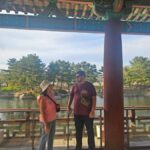
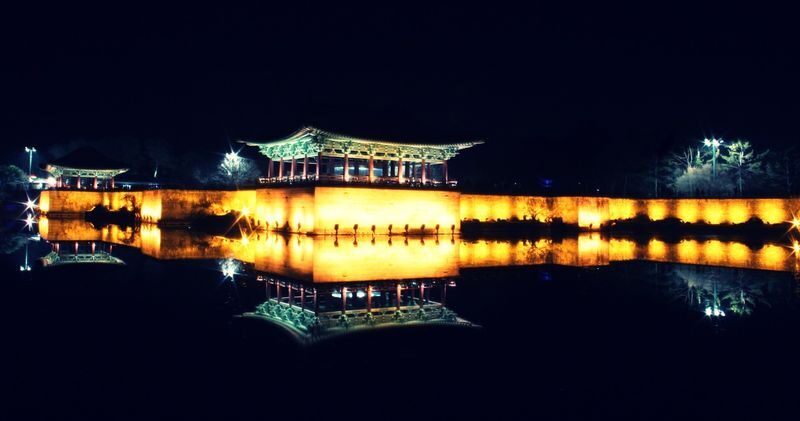
The final stop is Donggung Palace and Wolji Pond, also known as Anapji. The tour allows about 45 minutes for the night view. Palace structures reflected in the pond are the visual payoff after a day spent among temples, villages, and tombs.
Timing matters here. The tour is scheduled to finish after dark, but the precise arrival and return depend on traffic, weather, and the day’s pace. In winter, darkness comes earlier, and one past group left earlier than expected after seeing the night scenery. That can be welcome if you are tired, but it also shows why the published schedule should be treated as an outline rather than a minute-by-minute promise.
Forty-five minutes is enough for a focused walk and photographs, but not a leisurely visit to every corner. Bring a phone or camera if you want pictures, as photography is permitted throughout the tour. If night views are your priority, this final stop is a strong reason to choose the full-day route over a shorter daytime excursion.
Transport, pace, and what the price covers
The tour starts at several Busan stations: Nampo at 08:30, Busan Station at 08:40, Seomyeon at 09:00, or Haeundae at 09:40. Drop-offs are scheduled from 21:00 at Haeundae to 21:50 at Nampo. Arrive ten minutes early. Late arrivals and no-shows are not refundable.
There is a notable detail to check before departure: the meet-up information gives Nampo Station Exit 2 and Busan Station Exit 2, while the directions section says to use Exit 3 for both. It also warns that the Busan pickup is at the subway station, not the KTX station. Confirm the exact meeting point with the operator rather than guessing from the exit number.
Transport may be in a 12-seat van, a minibus, or a larger bus, depending on the number of people. The listed vehicle ranges from a Hyundai Starex or similar for groups of up to 10 passengers to a 45-seat bus for larger groups. The tour requires at least five participants; if that minimum is not met, you can choose another date or request a full refund.
The tour includes round-trip transfers, tolls, parking, and admission to Bulguksa, Yangdong Village, Donggung Palace and Wolji Pond, and Daereungwon. Meals, drinks, personal expenses, and insurance are extra. That makes the price easier to judge: you are paying chiefly for transport between dispersed sights, admissions, and the structure of a guided day, not for meals.
The supplied prices differ: the headline starts at US$71.55, while the package information gives a starting figure of US$65.45. Prices can change, so check the live total before booking. At either figure, the value is strongest if you want several sites in one day and would otherwise need to arrange transport yourself. It is less compelling if you prefer to explore slowly or already have a car and a clear Gyeongju plan.
Guides, language, and small-group feel
Past tours have been led by guides named Mr Kim and Nova. Mr Kim was noted for explaining sites, helping with photos, recommending lunch, and keeping the day on schedule. Those details point to the practical role a good guide can play: they can turn a series of stops into a connected day and help with small decisions, especially around meals and timing. But guides can change, so do not book on the assumption that a particular person will lead your departure.
The operator asks you to indicate language preferences at checkout. English commentary has been available on past departures, and some past visitors also described Chinese-language support. The exact language offering for your date is not specified, so confirm it if commentary is important to you.
Group size also varies. Some departures have used a small van with eight passengers, while larger numbers may require a minibus or bus. Smaller groups can make transitions simpler, but the vehicle and group size are not guaranteed.
Who should book this Gyeongju tour?
I would consider this tour if you are based in Busan, have one day for Gyeongju, and want a broad introduction with transport and admissions bundled together. It suits people who like a full schedule, appreciate having historical context, and are happy to trade some independence for convenience.
It is also a sensible choice if you want the night view at Wolji Pond without arranging your own late return to Busan. Families can bring children: ages 0 to 2 join free if they do not need a separate seat, children aged 3 and up are charged the adult rate, and children aged 3 to 12 receive a KRW 5,000 cash refund from the guide after the tour. The activity is listed as wheelchair- and stroller-accessible, though the day still includes walking at several sites.
Choose another plan if you dislike long days, need generous time at each stop, or want meals included. The schedule is ambitious, and traffic or weather can change it. You can cancel for a full refund at least 48 hours before the activity date, according to the supplied terms, but check the current booking conditions when you reserve.
My call: book it for efficient coverage of Gyeongju’s major sights from Busan, especially if the combination of Yangdong Village and the evening pond appeals to you. Skip it if you would rather stay overnight and explore at a slower pace. Bring good shoes, budget separately for meals, and confirm your pickup exit before travel day.
Gyeongju Historical Daereungwon Royal Tomb Complex, Yangdong Village, and Anapji Full Day Tour from Busan
“tour was great and able to understand some of the historical.”
FAQ
How long is the tour?
It runs from morning pickups in Busan to evening drop-offs. Scheduled pickup times range from 08:30 at Nampo to 09:40 at Haeundae, and drop-offs range from 21:00 at Haeundae to 21:50 at Nampo.
Which attractions are included?
The route includes Bulguksa Temple, Yangdong Village, Daereungwon Royal Tomb Complex and Cheonmachong Tomb, Hwangnam-dong café street, Cheomseongdae Observatory, Gyochon Traditional Village, and Donggung Palace with Wolji Pond.
Are lunch and dinner included?
No. Lunch and dinner, along with drinks, are at your own expense. A past guide recommended a bulgogi restaurant in Yangdong Village, but restaurant arrangements and prices may vary.
Where does the tour meet in Busan?
Pickups are listed at Nampo Station, Busan Station, Seomyeon Station, and Haeundae Station. The supplied details conflict on the exit number for Nampo and Busan stations, so confirm the precise meeting point before the tour. At Busan Station, the pickup is at the subway station, not the KTX station.
Is there a minimum group size?
Yes. At least five participants are required. If the minimum is not reached, you can book an alternative date or request a full refund.
Can children join the tour?
Yes. Children aged 0 to 2 can join free if they do not occupy a separate seat. Children aged 3 and older pay the adult rate, while children aged 3 to 12 receive a KRW 5,000 cash refund from the guide after the tour.