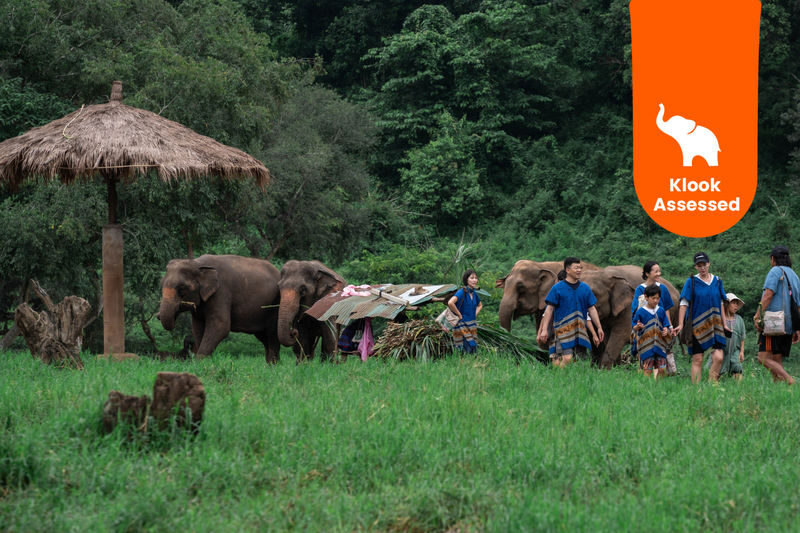
New Elephant Home puts elephant care at the center of the visit: you can prepare food, feed the animals, and, on selected programs, help bathe them. I like that the focus is on learning and close contact rather than rides or shows, and that the center has passed Klook’s onsite welfare assessment.
I also like the choice of a short feeding visit or a longer outing with the waterfall and bamboo rafting. The trade-off is that the cheapest option does not include hotel pickup and drop-off, and the location details can be confusing: the center is in Mae Taeng, Chiang Mai, though the tour information also names Pai. Confirm your meeting point and transfers before booking.
- At a glance
- A close encounter built around care
- Preparing food, then meeting the elephants
- A guide makes the difference
- Choosing between the short visit and a longer day
- Bamboo rafting and Bua Tong Waterfall
- The Karen village option
- Getting there and planning your visit
- Is this the right Chiang Mai elephant visit for you?
- FAQ
- Where is New Elephant Home?
- How much does the experience cost?
- How long does the visit last?
- Can I feed the elephants?
- Does every package include bathing elephants?
- Is hotel pickup included?
- What extra activities can I choose?
- What should I bring?
- Can children join?
- What do I need to show when I arrive?
- The Best Of Pai!
- More Tours in Pai
- More Tour Reviews in Pai
- Not for you? Here's more nearby things to do in Pai we have reviewed
At a glance
 1 / 9
 2 / 9
 3 / 9
 4 / 9
 5 / 9
 6 / 9
 7 / 9
 8 / 9
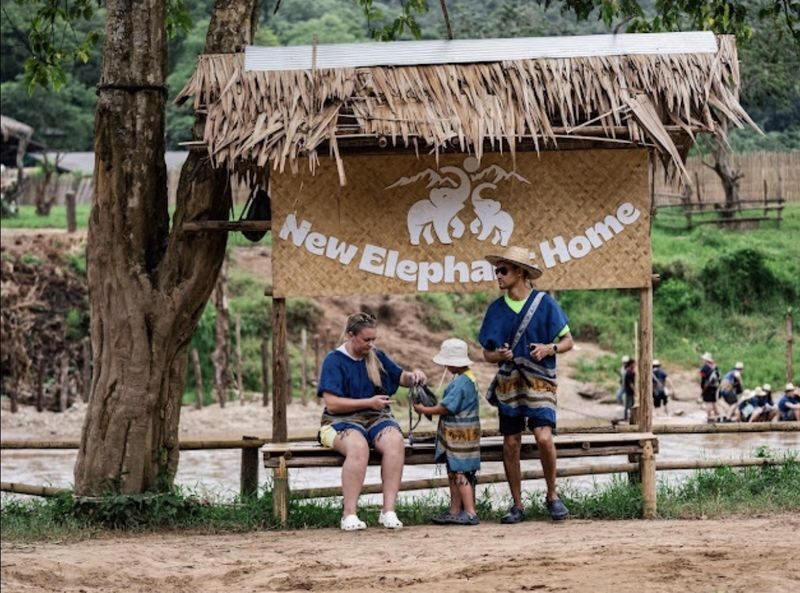 9 / 9
- Prepare food for the elephants: Make elephant food and vitamin balls before feeding them.
- Choose your level of involvement: The basic feeding option is listed as one hour; half-day care programs offer more time and activities such as bathing.
- Add a waterfall or river outing: Higher-priced packages combine the elephant visit with Bua Tong Waterfall, bamboo rafting, or a Karen village.
- Expect a guide-led visit: Guides explain elephant behavior and care, with names such as Amy, Nim, Poppy, and Mr. Big appearing in recent tour experiences.
- Check transport carefully: The feeding option is marked no transfer, while other packages may have different arrangements. Verify what your specific choice includes.
- Pack for water and sun: Sunscreen is advised, and a change of clothes is useful for waterfall or bathing activities.

👉 See our pick of the 5 Best Private Car With Driver Services in Pai
A close encounter built around care
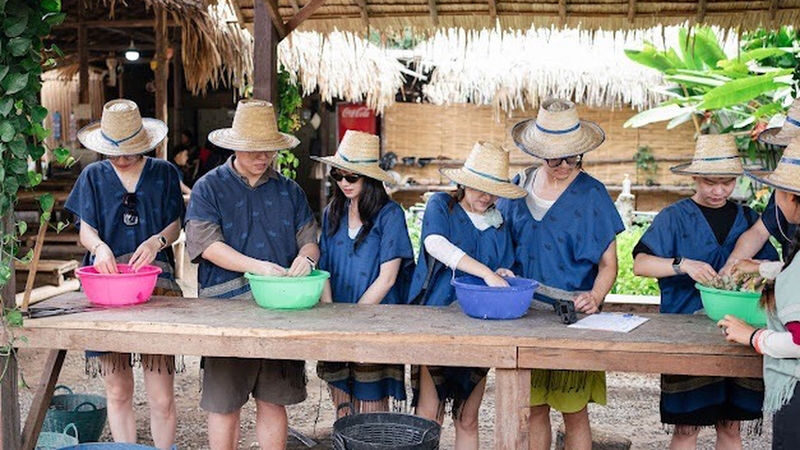
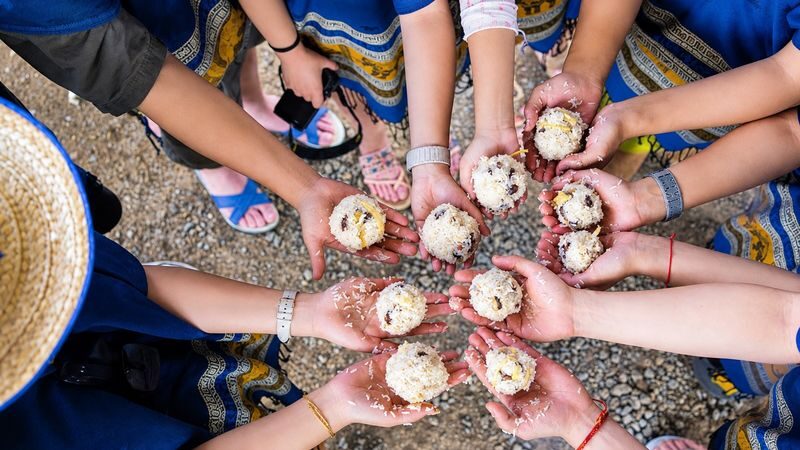
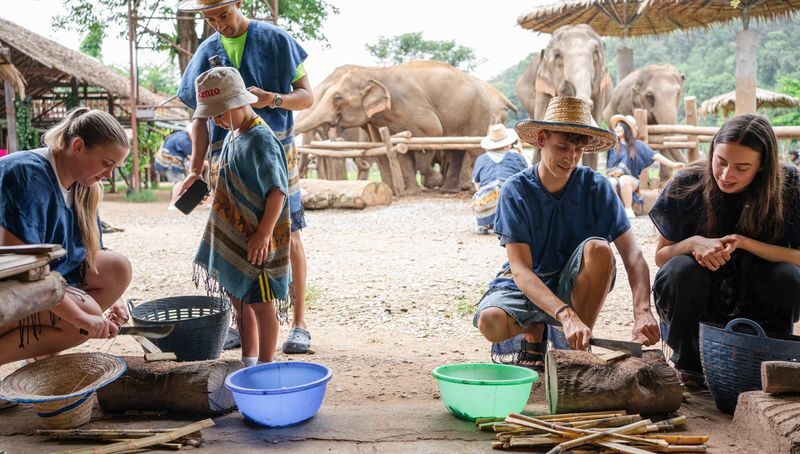
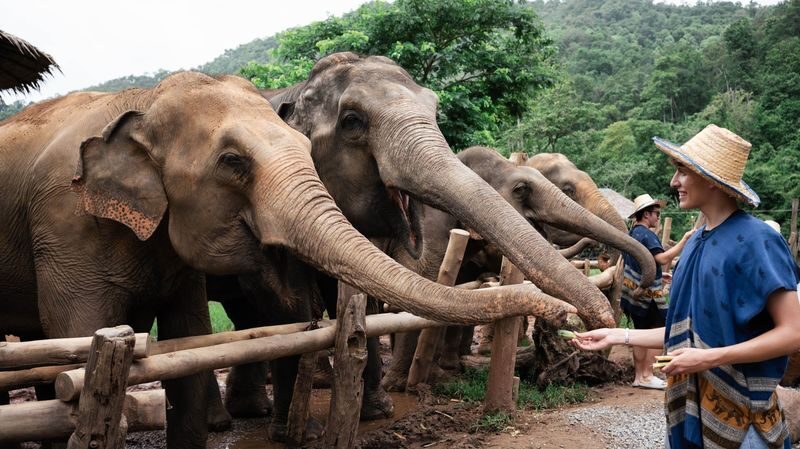
At New Elephant Home, the appeal is not just getting close to elephants. The activity is framed around feeding and learning, with staff and guides introducing the animals and explaining their behavior and welfare. You can help prepare food, including vitamin balls, then take part in a feeding session.
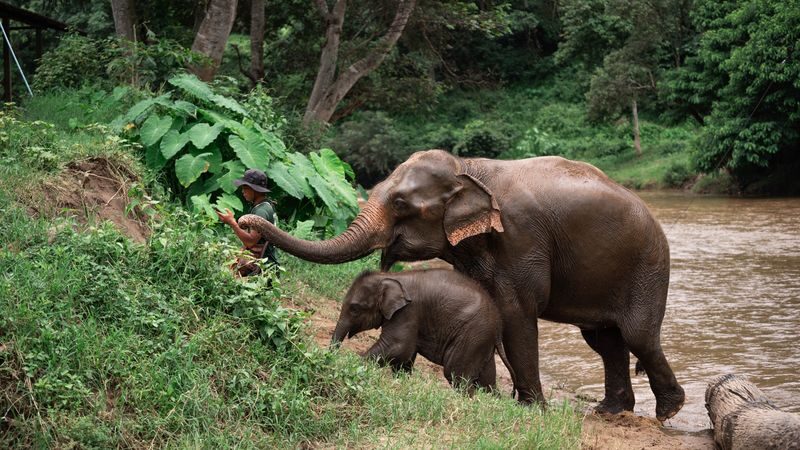
That hands-on element gives the visit a practical rhythm. Instead of standing back for a quick photo, you have a small task that brings you closer to the animals and helps explain how their daily care works. The setting is described as a valley beside a quiet river, so the visit also has a calmer, rural feel than a stop focused only on staged animal encounters.
The center has passed Klook’s onsite welfare assessment. That is a useful point of reference, though no single assessment tells you everything about an animal facility. I’d still pay attention to how the elephants are handled during your visit and follow the guide’s instructions closely.
The tour information and recent experiences describe feeding and bathing, but those activities vary by package. The short feeding option is not the same as a half-day care program. Check the exact activities listed for your chosen package rather than assuming every visit includes bathing or a long walk with the elephants.
You can also read our reviews of more tours and experiences in Pai.


Preparing food, then meeting the elephants
Food preparation is a small but worthwhile part of the program. You may help make food for the elephants and vitamin balls, then offer the food during a guided session. This puts the animal’s needs ahead of a photo opportunity and gives your guide a natural opening to talk about diet, behavior, and care.
The elephants are the main attraction, of course, and getting close can be exciting. Keep your movements steady, listen to instructions, and give the animals space when asked. Their size is impressive at close range, even when they seem relaxed. This is a good setting for children to learn that an elephant is not a prop, but children should stay attentive and follow the guide’s directions.
On the half-day care options, bathing is part of the experience described by the operator and in many accounts of the visit. Expect to get wet and possibly muddy. Bring a change of clothes if you plan to take part, especially if you are combining the visit with a waterfall stop. The basic feeding package does not promise the same range of activities, so read the inclusions before paying more or less.
A guide makes the difference
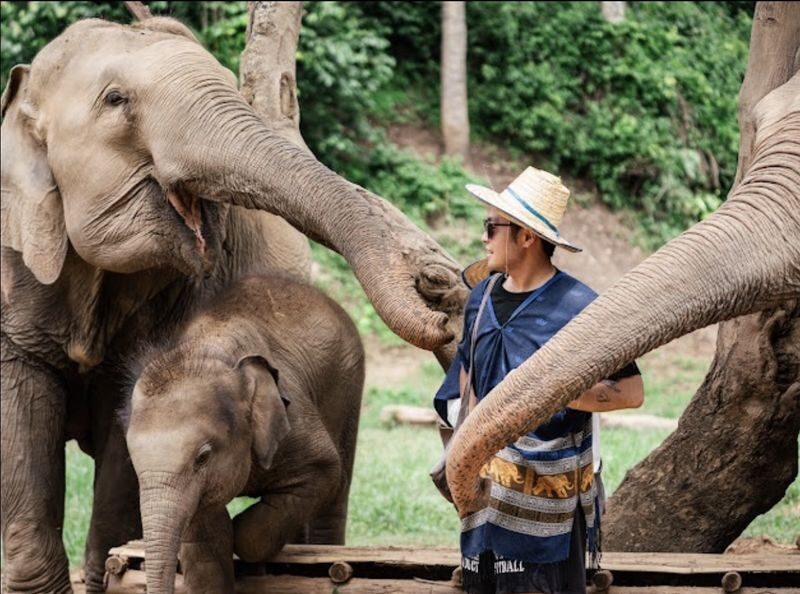
The guide is central to the visit. The program includes an English, Chinese, or Thai-speaking guide, and the guide explains elephant behavior and care while helping the group move through the activities. Recent guide names include Amy, Nim, Poppy, Mr. Big, Satin, and Yu, but the person you meet depends on the day and language arrangements.
The strongest accounts of the experience describe patient explanations, help with photos, and guides who look after the group. That matters here: a good guide can make the difference between a quick feed-and-photo stop and a visit where you understand what you are seeing. You can also ask questions as they come up, rather than trying to make sense of the animals on your own.
Group size is listed as one to 20 participants. A smaller group can make it easier to hear explanations and take turns during feeding, while a group near the maximum may mean more waiting. Ask about language needs when booking if you want to be sure you can follow the guide.
Choosing between the short visit and a longer day
The least expensive package, Elephant Feeding with no transfer, starts at US$26.79 and is listed as a one-hour activity. It is the simplest choice if your priority is meeting and feeding the elephants and you can arrange your own transport. The price is appealing, but remember that hotel pickup and drop-off are not included in this option.
The morning half-day care program starts at US$38.25, and the afternoon version starts at US$38.65. These cost more but allow a fuller visit, with care activities beyond the short feeding session. If you want time to learn about the elephants and take part in more than one interaction, the modest difference in price may be worthwhile.
Two broader options add Bua Tong Waterfall. Elephant care, bamboo rafting, and the waterfall starts at US$55.25. Elephant care, a Long-neck Karen village visit, and the waterfall starts at US$50.55. These packages are better suited to you if you want to make a day of the outing rather than travel to Mae Taeng for a brief animal visit alone.
The higher price buys variety, not just extra elephant time. The waterfall adds a chance to get into the water and climb the sticky limestone surface; bamboo rafting trades activity for a slower river ride through green surroundings. The Karen village option adds a short cultural stop, though it is described as small, with handicrafts for sale. If you want a more substantial village visit, this stop may feel limited.
Prices are listed as starting rates, so check the cost for your date and the exact package. Also check what is included in transport, meals, and refreshments. The tour information says Thai buffet food is served with a river view on the broader care outings, but the base feeding package lists refreshments and elephant food, not a meal.
Bamboo rafting and Bua Tong Waterfall
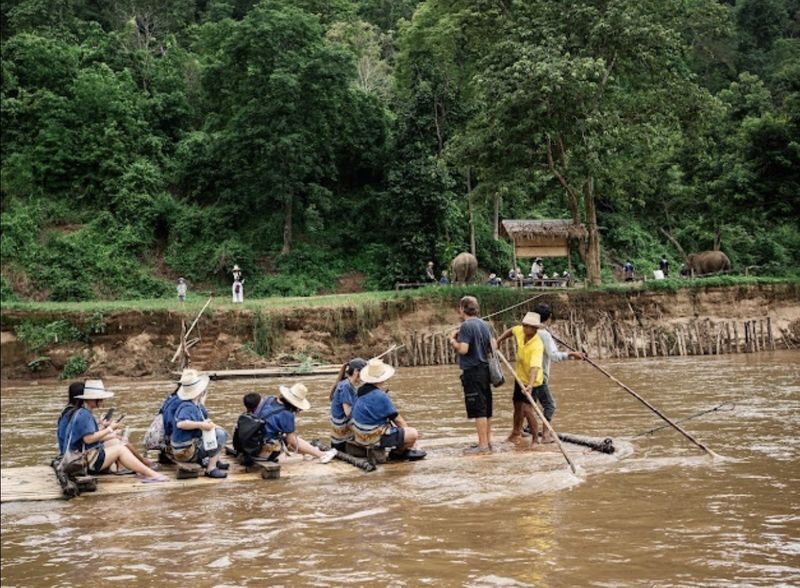
The add-on package with bamboo rafting gives the day a gentler finish. You float down the river on a bamboo raft, surrounded by green scenery. It is not presented as a high-adrenaline activity; its value is the chance to slow down after the elephant visit and enjoy the water and countryside. Bring a hat or other sun protection, as the raft can leave you exposed to the sun.
Bua Tong, also called Sticky Waterfall, is the more physical stop. Its distinctive limestone surface allows you to climb up the falls, but you need to watch your footing and be comfortable moving on wet rock. It is fun for people who like getting into the water, but less appealing if you want to stay dry or have difficulty climbing.
Pack a full change of clothes if you choose a waterfall or bathing package. A swimsuit is another practical option, and sunscreen is specifically recommended. The water activities can leave you soaked, so a dry set of clothes makes the ride back more comfortable.
The schedule can change with traffic and weather, and the order of stops may shift. That flexibility can help the day run more smoothly, but it means you should avoid planning another activity too tightly around the return time.


The Karen village option
The package with a Long-neck Karen village stop pairs the elephant visit with Bua Tong Waterfall. The village is described as small, and you may walk through it in less than ten minutes. The main draw is the chance to see handicrafts and support local sellers, rather than a long or detailed cultural program.
Go with realistic expectations. If you want a brief stop and are interested in handmade goods, it may suit you. If you are looking for an in-depth introduction to Karen culture, the short visit may not offer enough context on its own.
Getting there and planning your visit
New Elephant Home is at 118 Moo 2, Chotana Road, Kuetchang Subdistrict, Mae Taeng District, Chiang Mai 50150. The information also identifies Chiang Mai as the departure point, but one location field names Pai. Because the address places the center in Mae Taeng, verify the pickup or meeting point with the operator before booking, especially if you are staying in Pai.
The base feeding option clearly says no transfer, and hotel pickup and drop-off are listed as not included. Other packages may have separate transport arrangements. Do not assume a transfer is part of your booking simply because the broader day-trip description mentions round-trip hotel transport; check the specific package details and confirmation.
Departure slots are offered at various times from 09:00 to 16:00, with return times depending on the departure and the selected itinerary. Arrive ten minutes before your chosen departure. The schedule may change slightly according to group size, traffic, or weather.
Children aged three and under can join free, while children aged four and over pay the adult rate. Participants must be under 75. Pets are not allowed, and anyone who appears intoxicated may be refused service without a refund. Bring your mobile voucher and passport to exchange for a physical ticket at New Elephant Home.
Is this the right Chiang Mai elephant visit for you?
I’d choose New Elephant Home if you want a guided, hands-on introduction to elephant care and appreciate having optional nature activities to add. The food preparation and feeding make the animal visit active without making it a performance, while the half-day options give you more time than a brief stop.
For the best value, match the package to what you actually want. Choose the no-transfer feeding option for a short visit if you can arrange transport. Pay more for the half-day program if bathing and a fuller care experience matter to you. Add rafting or the waterfall if you want a varied day and do not mind getting wet.
I would pause before booking if you need a guaranteed pickup, want a long cultural visit, or are uncomfortable with close contact around large animals. Confirm the address and transport details first, then choose the package whose time and activities fit your plans.
New Elephant Home Elephant Conservation Center in Chiang Mai
“Mr. Chin is very good at what he does as a tour guide. Hope to have him as a guide in my future trips in this region!”
FAQ
Where is New Elephant Home?
It is at 118 Moo 2, Chotana Road, Kuetchang Subdistrict, Mae Taeng District, Chiang Mai 50150. Some tour information also names Pai, so confirm the meeting or pickup point before you travel.
How much does the experience cost?
Prices start at US$26.79 for Elephant Feeding with no transfer. Half-day elephant care starts at US$38.25 in the morning and US$38.65 in the afternoon. Packages with other activities start at US$50.55.
How long does the visit last?
The Elephant Feeding option is listed as one hour. Other options are half-day or combine elephant care with additional stops, so check the duration for your selected package.
Can I feed the elephants?
Yes. Elephant feeding, including elephant food, is included in the listed experience. Some programs also include preparing food and vitamin balls.
Does every package include bathing elephants?
The broader care program describes bathing, but the short feeding option does not specify it. Check the inclusions for your chosen package before booking.
Is hotel pickup included?
Hotel pickup and drop-off are not included in the Elephant Feeding option. Transport arrangements for other packages may differ, so confirm what your selection includes.
What extra activities can I choose?
Depending on the package, you can add bamboo rafting, Bua Tong Waterfall, or a Long-neck Karen village stop.
What should I bring?
Bring sunscreen. For packages with bathing or the waterfall, a swimsuit or a full change of clothes is useful because you may get wet.
Can children join?
Children aged zero to three can join free. Children aged four and older are charged the same rate as adults.
What do I need to show when I arrive?
Present your mobile voucher and passport, then exchange the voucher for a physical ticket at New Elephant Home.


