The Dutch Resistance Museum tells the story of a society under occupation through the people who resisted it, and the people whose daily lives were shaped by Nazi rule. You move from historical context to individual choices, with artifacts, documents, photographs, and personal accounts giving the history a human scale.
I like two things in particular: the audio guide gives you a way to follow the exhibits at your own pace, and the museum connects acts of resistance to the wider pressures Dutch civilians faced. Free lockers are useful, too, especially if you are carrying bags around Amsterdam.
One consideration: this is a serious history museum, not a quick, light stop. The material may be more rewarding if you take time with the audio and displays, and visitors unfamiliar with Dutch may find some content less accessible even with the English guide.
- Key things to know before you go
- A story of resistance, not just battles
- Following the timeline through occupation
- Artifacts, letters, and personal stories
- Using the audio guide and multimedia
- How long to set aside
- Is the ticket worth the price?
- Practical details for your visit
- Who should book this museum?
- Should you book?
- FAQ
- How long does a visit take?
- What are the museum’s opening hours?
- What does the ticket include?
- How do I use the audio guide?
- Where is the Dutch Resistance Museum?
- Are children admitted free?
- Is the museum accessible by wheelchair or stroller?
- How do I redeem the ticket?
- The Best Of Amsterdam!
- More Tickets in Amsterdam
- More Tours in Amsterdam
- More Tour Reviews in Amsterdam
- Not for you? Here's more nearby things to do in Amsterdam we have reviewed
Key things to know before you go
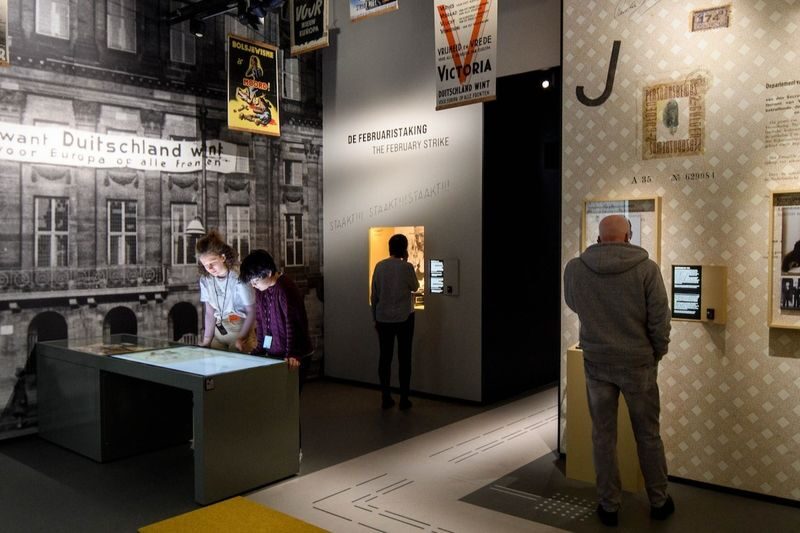
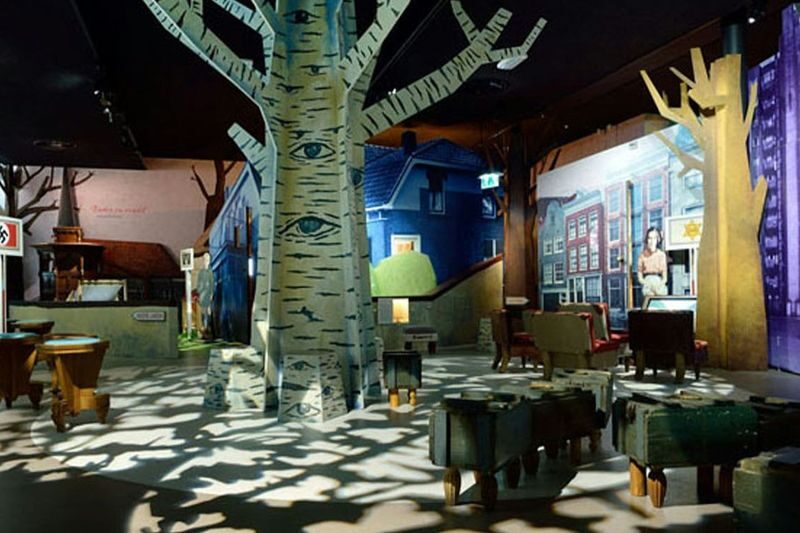
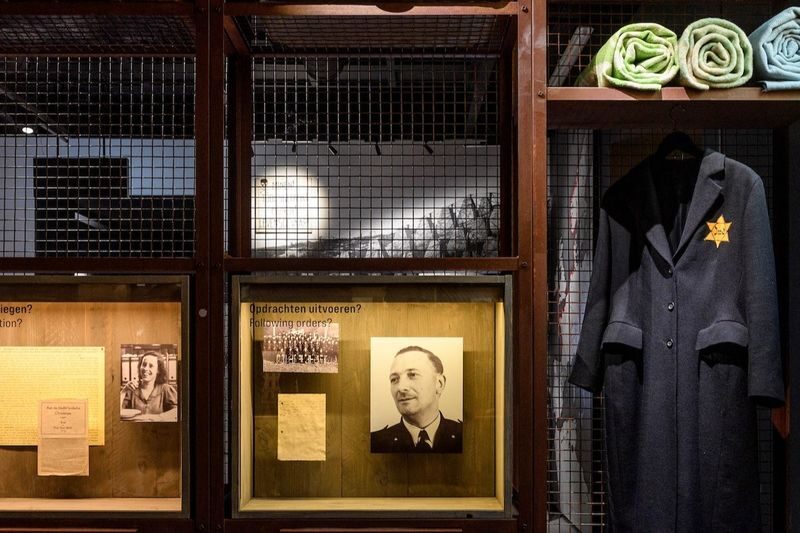
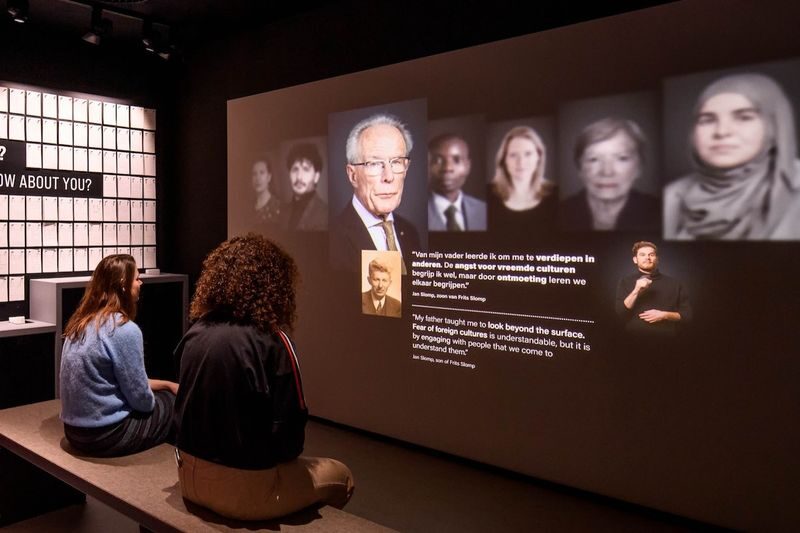
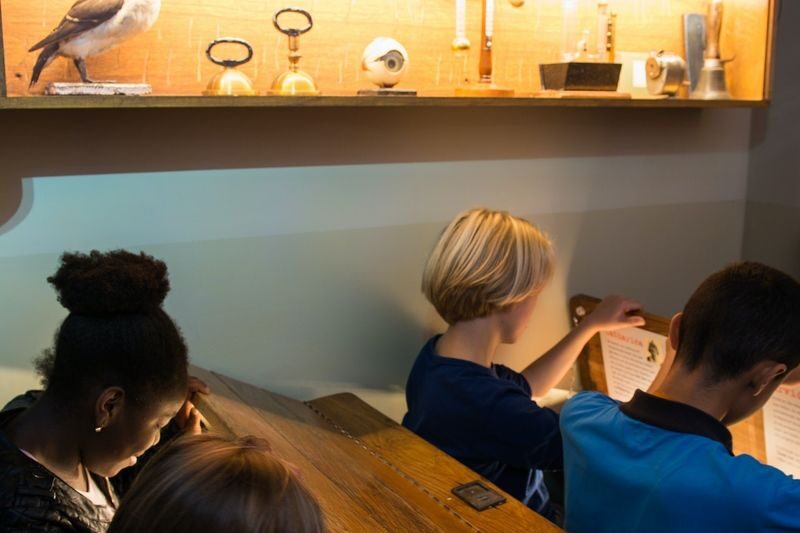
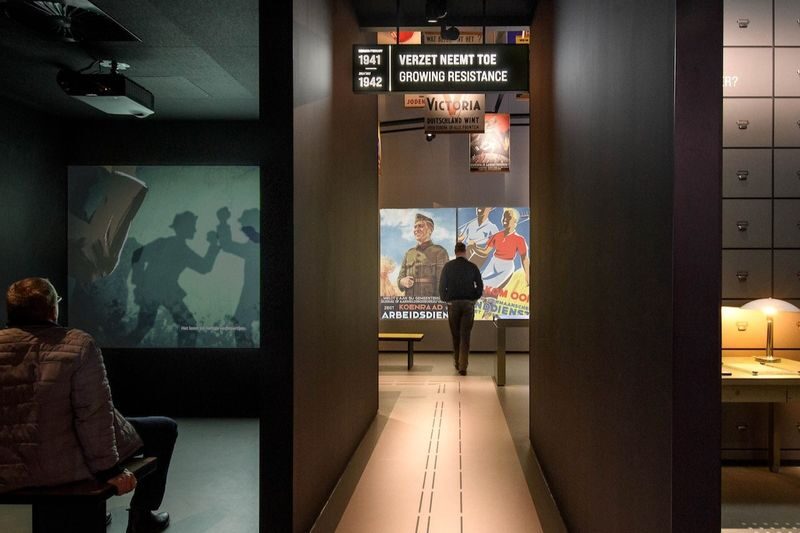
- A timeline anchors the story: Follow key milestones in the resistance movement and see how the occupation changed daily life.
- Personal accounts make the history human: Letters, photographs, documents, and wartime objects help bring individual choices into focus.
- The audio guide is included: Choose Dutch or English, then tap the device at exhibits to hear the related account.
- Plan for one to three hours: A quick visit is possible, but the many displays can easily hold your attention longer.
- Lockers are free: Leave belongings on site before exploring the galleries.
- The museum is accessible: The activity is wheelchair- and stroller-accessible, and its video content includes Dutch sign language interpretation and Dutch subtitles.
👉 See our pick of the 24 Best Shopping Tours In Amsterdam
A story of resistance, not just battles
The Dutch Resistance Museum offers a close look at a complicated question: how do ordinary people respond when their country is occupied? Its focus is not only on the people who joined resistance groups. It also sets their actions against the policies of the German occupation and the pressures that shaped life for Dutch citizens.
That context matters. Courage can sound simple when you hear about it from a distance. Here, the exhibits connect acts of resistance with the risks, sacrifices, and uncertainty that people faced. Personal stories help you see that resistance took different forms and involved individuals and communities, not one single organization or approach.
Expect a thoughtful visit rather than an entertainment attraction. The displays use historical materials and multimedia to explain what happened and how people responded. If you are travelling with children or teens, the subject can prompt useful conversations, though the gravity of the topic is worth bearing in mind.
You can also read our reviews of more tours and experiences in Amsterdam



Following the timeline through occupation
A chronological timeline gives the museum’s story a clear spine. It helps you place key moments in the development of resistance and understand that opposition did not happen in a vacuum. The wider occupation, including Nazi policies and their effects on daily life, forms an important part of the picture.
As you move through the material, look for the links between broad events and personal decisions. A document or photograph can show the scale of a historical change; an individual account can help you grasp what that change meant to someone living through it. That combination makes the museum more than a collection of dates and objects.
The museum presents a range of resistance strategies. Rather than treating resistance as one dramatic act, it shows that individuals and groups responded in varied ways. The precise details are best taken from the exhibits and audio guide, which add context to the materials in front of you.
Artifacts, letters, and personal stories
Wartime artifacts, letters, and documents are at the heart of the visit. Their value is not simply that they are old. They offer traces of how people communicated, made choices, and lived with the consequences of occupation. Photographs and personal accounts add faces and voices to the historical record.
I would give these displays time. It is tempting to move quickly from one object to the next, but the audio guide helps explain why a particular item matters and what it can reveal about resistance life. The result is a more considered visit, especially if you are interested in the personal side of history.
Some material may feel more immediate than a general overview of World War II because it concerns people and communities dealing with the occupation in their own country. The museum also asks you to consider civilians’ lives, not only the actions of resistance fighters. That wider view is one of its strongest qualities.
Using the audio guide and multimedia
Admission includes an audio guide in Dutch or English. At the museum, you can use the audio device by tapping it at an exhibit to hear the related story. This is a practical format: you can set your own pace, pause to look closely, or move on when you are ready.
The guide is worth using if you want more than a visual walk through the galleries. One visitor may be content to read and look; another may want to hear how an artifact fits into the larger story. The audio format gives you that extra context without requiring you to join a scheduled group.
Multimedia presentations add another layer. The museum’s video content includes Dutch sign language interpretation and Dutch subtitles, with audio in multiple languages. That is helpful for different visitors, though the exact language options for each individual video are not specified. If you rely on English, the English audio guide is the clear choice.
How long to set aside
The suggested visit length is one to three hours. I would treat one hour as a brisk visit and three hours as a better allowance if you like to listen to the audio and spend time with the historical materials. The museum’s detailed displays can make it easy to stay longer than planned.
If your day in Amsterdam is tightly scheduled, decide in advance whether you want a broad overview or a slower visit. A shorter stop can give you the main chronological outline, but it may leave less time for the individual stories that give the subject its emotional weight.
There is no listed group size or live guide, so plan for a self-paced museum visit rather than a guided tour with a fixed itinerary. You can focus on the sections that interest you, though following the timeline will help keep the history in order.
You can also read our reviews of more museum experiences in Amsterdam





Is the ticket worth the price?
Tickets start at $21.65, with admission to the museum and exhibitions plus the Dutch or English audio guide included. For a museum visit that can occupy one to three hours, the price offers reasonable value if you want a focused account of the occupation and resistance rather than a brief photo stop.
The audio guide is part of that value. It gives you a way to understand the exhibits without paying extra for a separate guide, and the free lockers remove one small nuisance from the day. The main return is the time you spend with the historical material, so the ticket makes most sense if this subject interests you.
The museum is not the right choice for every itinerary. If you have little interest in World War II history or want a more playful attraction, you may prefer another Amsterdam stop. If you want to understand how occupation affected daily life and how people resisted, this museum offers a substantial and personal account.
Practical details for your visit
The Dutch Resistance Museum is at Plantage Kerklaan 61, 1018 CX Amsterdam. It opens from 10:00 to 17:00 Monday through Friday and from 11:00 to 17:00 on Saturday and Sunday. Check the hours against your chosen date before setting out.
Present your mobile voucher at reception. The voucher is valid only on the selected date and, where applicable, time. Booking can be confirmed instantly, though the voucher may not be issued immediately. Free cancellation is available within 24 hours for bookings made more than two days ahead; same-day and next-day bookings cannot be cancelled, and issuing the voucher in advance makes the booking non-refundable.
Children aged 0 to 6 can enter free, but still need a ticket included at checkout. Visitors aged 0 to 17 must be accompanied by a paying adult, and anyone aged 18 or older pays the adult rate. The museum is wheelchair- and stroller-accessible.
Who should book this museum?
I would put this museum high on the list for anyone interested in World War II, Dutch history, personal accounts of resistance, or the moral choices people face under occupation. It also suits visitors who prefer to explore at their own pace and use an audio guide rather than follow a live group.
Families can visit, but the subject is serious. The age guidance allows children under 18 with a paying adult, and the museum’s accessibility is a practical plus for families using a stroller. Whether the content suits a particular child depends on their age and interest in wartime history.
If you are choosing between this museum and another history attraction, think about what you want from the visit. This one focuses on resistance, occupation, and the lives of Dutch civilians, with artifacts and personal accounts at its center. Allow enough time to listen and read, rather than squeezing it into the last half hour of a busy day.
Should you book?
Book the Dutch Resistance Museum if you want a careful, human account of how the Nazi occupation affected Dutch society and how people resisted. The included English audio guide, free lockers, and flexible one-to-three-hour visit make it easy to plan.
Skip it if you are seeking a light attraction or have no time to engage with the subject. For a considered museum visit with personal stories and historical context, the ticket is a worthwhile use of part of your Amsterdam day.
Dutch Resistance Museum Ticket
“A really thoughtful museum that displays a lot of historical materials and videos. Follow the signs with an audio guide! Well worth spending three…”
FAQ
How long does a visit take?
Plan for one to three hours. A shorter visit gives you less time with the exhibits and audio guide, while three hours allows a more unhurried look.
What are the museum’s opening hours?
It is open from 10:00 to 17:00 Monday through Friday, and from 11:00 to 17:00 on Saturday and Sunday.
What does the ticket include?
It includes admission to the Dutch Resistance Museum and its exhibitions, plus an audio guide in Dutch or English.
How do I use the audio guide?
Use the museum’s audio device and tap it at an exhibit to hear the related story.
Where is the Dutch Resistance Museum?
It is at Plantage Kerklaan 61, 1018 CX Amsterdam, Netherlands.
Are children admitted free?
Children aged 0 to 6 can enter free, but they still require a ticket included during checkout. Children aged 0 to 17 must be accompanied by a paying adult.
Is the museum accessible by wheelchair or stroller?
Yes. The activity is wheelchair- and stroller-accessible.
How do I redeem the ticket?
Present your mobile voucher at reception. It is valid only for the selected date and, if applicable, time.