The most appealing twist here is that you make gimbap not just as lunch, but as a small creative ritual. I like the color-inspired choices, which give you a personal way into the activity, and the picnic box with traditional bojagi wrapping, which makes the finished meal feel like more than a cooking exercise.
One thing to weigh is the format: this is a short, guided class, not a broad survey of Korean cooking. You’ll focus on gimbap, sauces, and a gentle moment of reflection, so book it for that specific mix rather than expecting a full cooking course or a long meal.
- At a glance
- A cooking class with a quieter purpose
- From fresh ingredients to your own rolls
- Sauces add a taste of Korea
- The picnic box is part of the point
- A 90-minute pause in Seoul
- What the price buys
- Who should book this class
- Booking details worth checking
- Should you book it?
- FAQ
- How long is the K-Kimbap class?
- Where does the class take place?
- What time does the class start?
- What will I make?
- Are dipping sauces included?
- What is included in the experience?
- Can I take the gimbap home?
- Is the class suitable for children?
- Can I cancel for a refund?
- The Best Of Seoul!
- More Cooking Classes in Seoul
- More Tours in Seoul
- More Tour Reviews in Seoul
- Not for you? Here's more nearby things to do in Seoul we have reviewed
At a glance
 1 / 10
 2 / 10
 3 / 10
 4 / 10
 5 / 10
 6 / 10
 7 / 10
 8 / 10
 9 / 10
 10 / 10
- Make your own gimbap: Prepare Korean-style rolls with fresh local ingredients.
- Use color as a prompt: Explore how colors can connect with mood and emotion.
- Try Korean dipping sauces: Taste selected sauces alongside the gimbap you make.
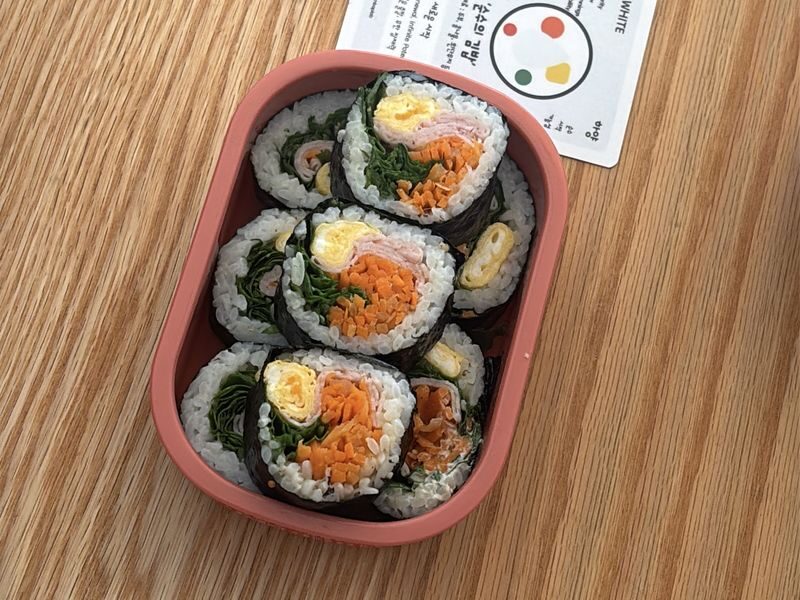
- Pack a picnic lunch: Take your handmade food in a Korean-style lunch box wrapped in bojagi.
- Slow down for a moment: The 90-minute class includes gentle meditation and self-reflection.
👉 See our pick of the 25 Best Guided Tours In Seoul
A cooking class with a quieter purpose
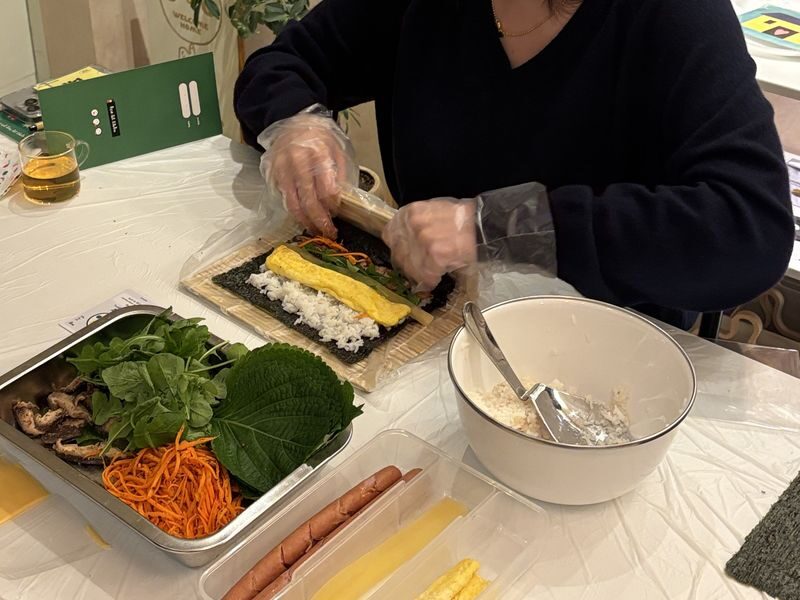
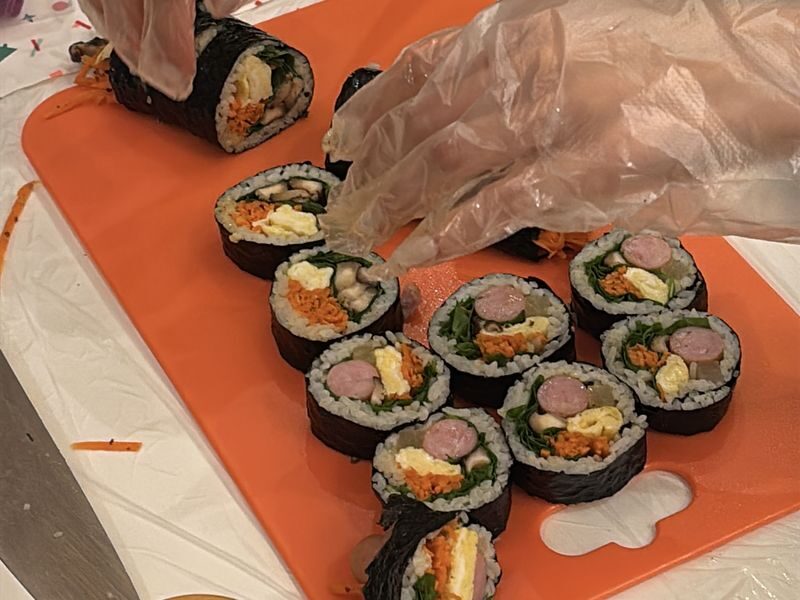
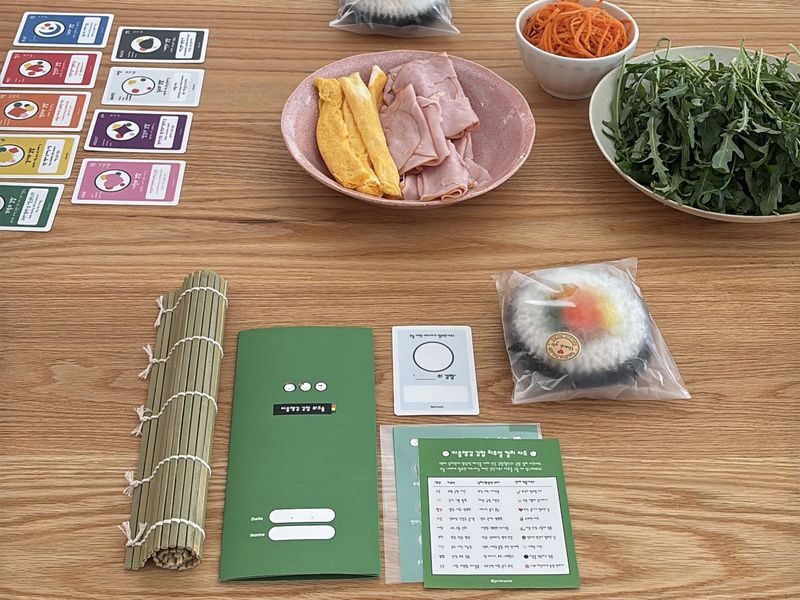
Gimbap is familiar, practical Korean food: rice and fillings rolled in seaweed, easy to carry and well suited to a picnic. At this class, the familiar dish becomes the focus of a slower activity. You’ll choose ingredients, make your own rolls, and use color as a way to think about mood and emotion.
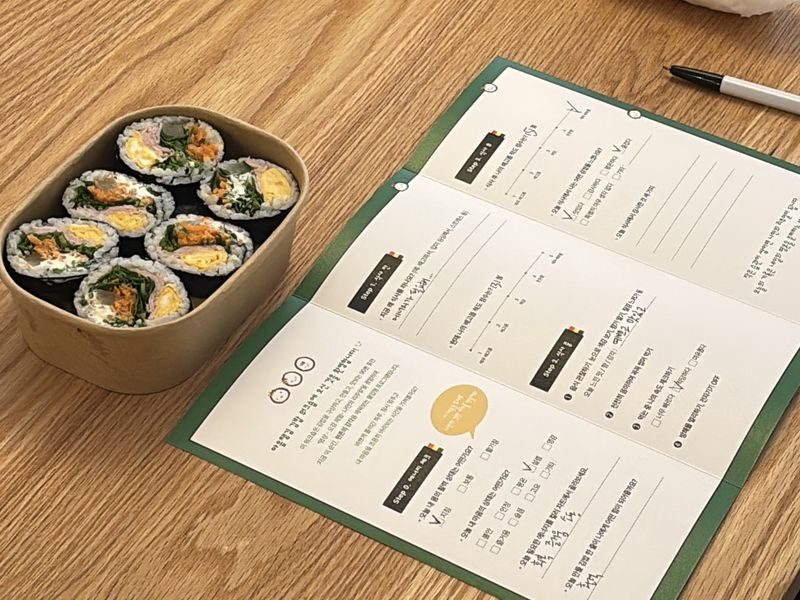
That gives the class two jobs. You learn through making and tasting, and you get a brief pause from the usual rush of sightseeing. The meditation is described as gentle, so you should expect a light self-reflection element, not a demanding wellness session or a long meditation retreat.
The approach may appeal if you enjoy hands-on food activities but want something a little more thoughtful than following a recipe. You do not need to arrive with a particular level of cooking skill. The class is presented as suitable for beginners as well as people who already feel comfortable in a kitchen.
You can also read our reviews of more cooking classes in Seoul


From fresh ingredients to your own rolls
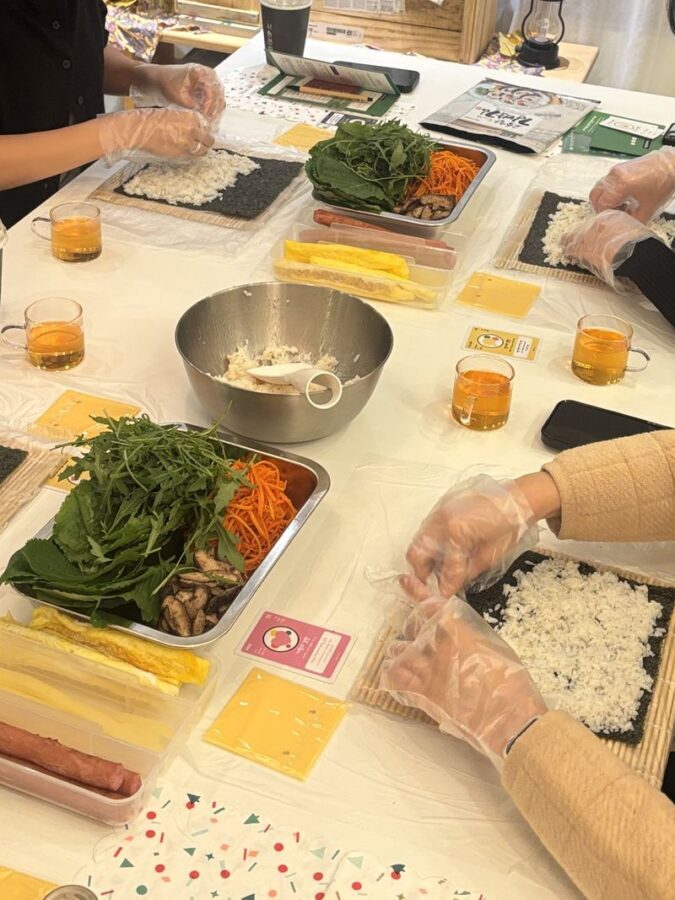
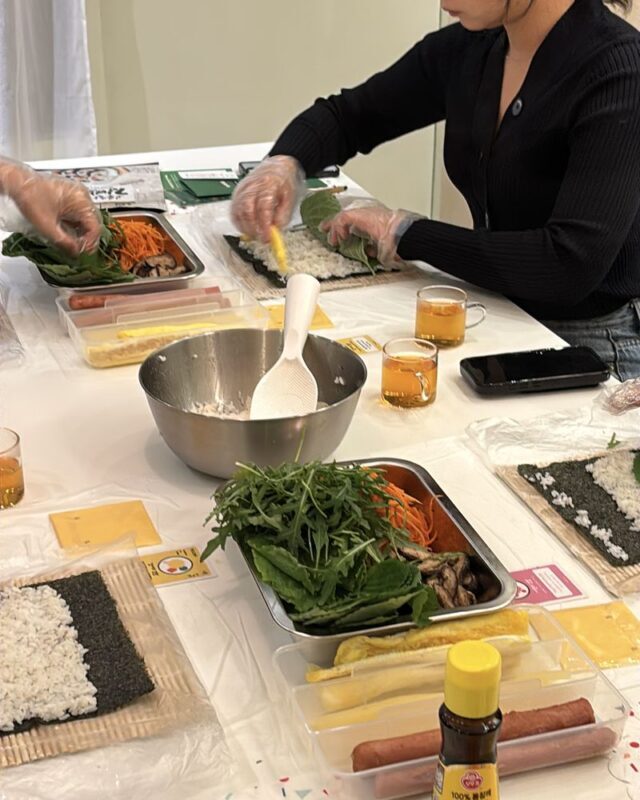
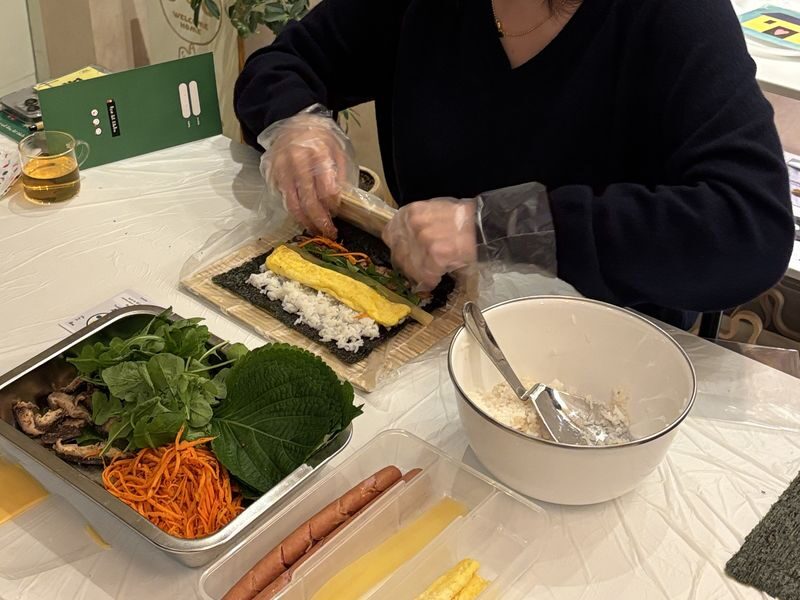
The central activity is making color-inspired K-Kimbap with fresh local ingredients. The exact menu can change with the season and ingredient availability, so don’t expect a fixed set of fillings. That flexibility can be a plus: you get to work with what is in season, though the details of your particular roll may differ from those made at another time of year.
The color theme gives the cooking a personal angle. Instead of treating the ingredients only as a checklist, you’ll consider how color relates to your feelings. It’s a simple idea, but it can make the preparation more engaging, especially if you like creative activities and don’t mind a little self-reflection alongside the practical work.
The class is guided in English, and the format is described as organized and easy to understand. That matters if you are new to Korean food or have never made gimbap before: the point is to take part, not arrive with specialist kitchen skills. If you cook often, you can still enjoy the chance to make a Korean staple in a setting focused on both food and ritual.
Sauces add a taste of Korea
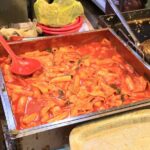
After making the gimbap, you’ll try selected Korean dipping sauces chosen to complement it. This is a useful part of the experience because a familiar roll can taste quite different with a new accompaniment. You get a little room to compare flavors rather than simply eating what you have made and moving on.
The specific sauces are not named in advance, so keep expectations flexible. If you have a strong interest in a particular Korean sauce, this class does not promise that it will be included. Its focus is on tasting a variety of selected pairings, with the menu subject to seasonal availability.
Meals and beverages are included, but the supplied details do not name the drink. The picnic food and drink give the class a pleasant finish, while keeping the emphasis on the food you have prepared yourself.
The picnic box is part of the point
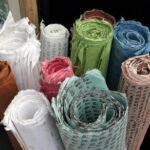
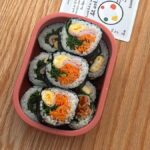
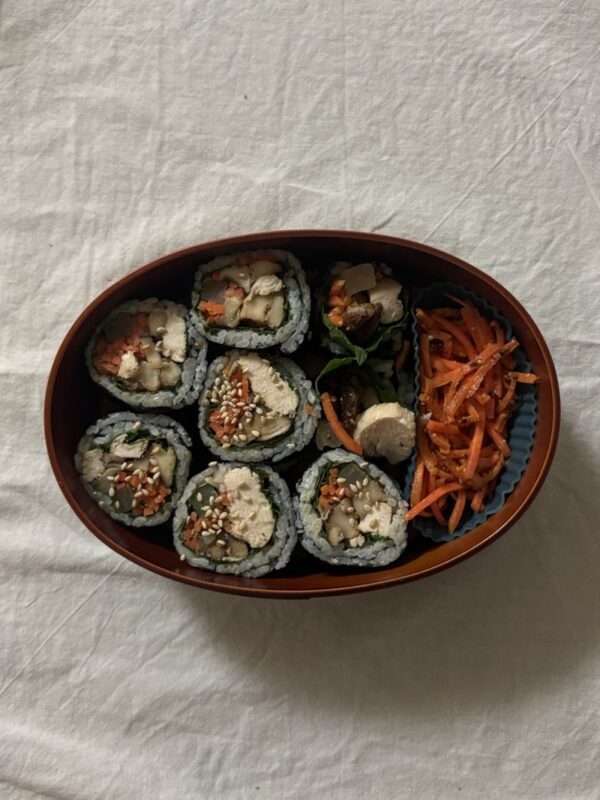
You’ll pack your gimbap in a lunch box and receive Korean-style wrapping cloth, called bojagi. It’s a practical souvenir of the activity: the food is ready to take home, and the cloth adds a traditional touch to the presentation.
A past participant described finishing with a picnic basket and drink, then taking the fresh gimbap for a picnic. That detail hints at the class’s most satisfying payoff: you don’t just practice a technique and leave the result behind. You have a meal to carry with you. The exact picnic setup may depend on the package and day, so treat the lunch box and bojagi as the confirmed inclusions rather than assuming a particular basket or outdoor setting.
If you have a full day of sightseeing planned, the take-home meal may be especially handy. The class ends around lunchtime for the stated 11:00 start, giving you food for later without needing to book a separate meal immediately afterward.
A 90-minute pause in Seoul
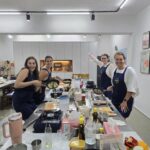
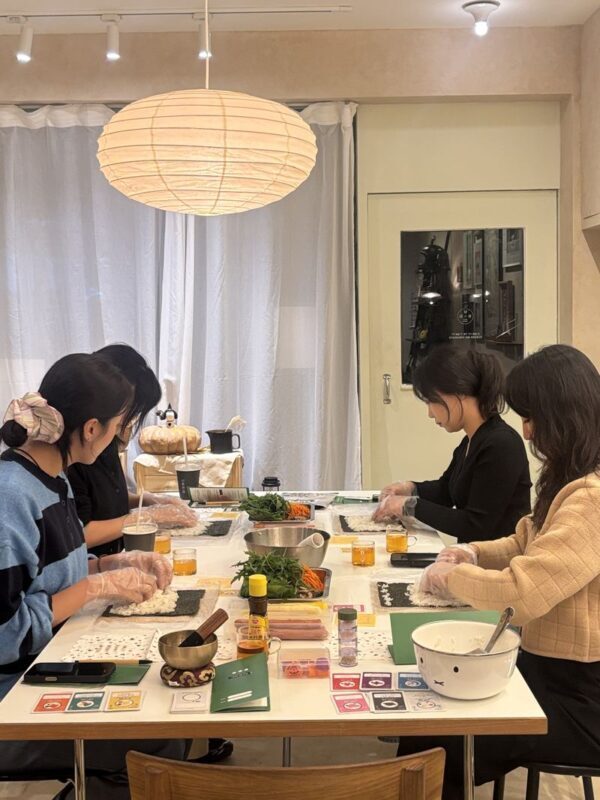
The class lasts 90 minutes, with a stated departure time of 11:00 and return time of 12:30. It takes place at K-Vibe Studio, on the first floor of 34 Gangnam-daero 79-gil in Seocho-gu. The meeting and return point are the studio, so this is a stationary activity rather than a tour that moves between city sights.
That short, contained schedule makes it easier to fit into a Seoul itinerary. You can plan around a late morning activity and still have much of the day free. At the same time, 90 minutes is not a lot of time for a broad introduction to Korean food, so expect a focused class rather than a leisurely, multi-course cooking session.
The class is described as clean, organized, and easy to follow, and the teacher as welcoming. The location has also been described as easy to find and clearly marked. Those practical details matter: you don’t want to spend the start of a short class hunting for the entrance. Still, check the exact address before setting out, since the studio is specified as a first-floor location within a Gangnam-area street address.
You can also read our reviews of more tours and experiences in Seoul


What the price buys
The experience is advertised at prices that differ in the supplied details: one starting price is US$62.29, while the Experience package is shown from US$56.65. Treat those as starting figures, not a guaranteed final amount, and check the price and inclusions for your chosen date before booking.
For the cost, you’re paying for more than ingredients. The package includes an English-speaking guide, meals and beverages, lunch box packaging, and bojagi wrapping. You also get the guided color and reflection theme, plus the chance to prepare your own food. If you value a hands-on cultural activity and a meal to take away, that combination can make the price worthwhile.
It is less compelling if your main goal is to learn several Korean recipes or spend hours cooking. The class centers on one dish and a short ritual. Compare it with a broader Korean home-style cooking class if you want more variety, or with a kimchi-making activity if preserving and fermentation interest you more.
Who should book this class
I’d consider this a good fit for food-curious visitors, gimbap fans, and anyone who likes an activity with a calm, reflective element. It could also suit a beginner who wants a friendly introduction to making a Korean dish without taking on a full cooking course.
The class may be less suitable if you want a busy sightseeing tour, a large menu, or a detailed lesson in Korean cuisine. Its appeal is in the combination: hands-on food preparation, color and mood, a taste of sauces, and a neatly packed lunch to take away.
Children aged 4 to 7 are listed as free. If you’re booking for a family, check the final booking details for any conditions that apply to the child’s participation, since the supplied information does not explain them.
Booking details worth checking
Confirmation is provided within 24 hours. If no confirmation email arrives, contact customer support. Your voucher is valid only for the date and time specified, so keep the selected session in mind when planning the rest of your day.
The menu can change with the season and ingredient availability. The schedule can also change due to traffic and weather, although this is a studio-based class rather than a route with multiple sightseeing stops. You can receive a full refund if you cancel at least 48 hours before the activity date, using the destination’s local time. Tips and personal expenses are not included.
Should you book it?
Book this if you want a compact Seoul activity that pairs making gimbap with a gentle moment of reflection, and if the idea of leaving with your own picnic lunch appeals to you. The English guidance, take-home packaging, and beginner-friendly format make the experience accessible without asking you to devote half a day to cooking.
Skip it if you want a wide-ranging Korean food lesson or a tour of Seoul’s sights. This is a focused class, and its value depends on whether you enjoy the thoughtful ritual as much as the food. If you do, 90 minutes gives you a pleasant change of pace and something handmade to eat afterward.
K-Kimbap Mindful Cooking Class & Ritual Experience
“This class was perfect for a beginner or a more skilled cook in the kitchen. Everything was organized, clean, and easy to understand. The teacher m…”
FAQ
How long is the K-Kimbap class?
The experience lasts 90 minutes.
Where does the class take place?
It takes place at K-Vibe Studio, 1F, 34 Gangnam-daero 79-gil, Seocho-gu, Seoul.
What time does the class start?
The listed departure time is 11:00. Confirm the time shown for your booking.
What will I make?
You’ll make Korean-style gimbap with fresh local ingredients. The menu may change with the season and ingredient availability.
Are dipping sauces included?
Yes. You’ll try a variety of selected Korean dipping sauces to pair with your gimbap.
What is included in the experience?
The package includes an English-speaking guide, meals and beverages, lunch box packaging, and Korean-style bojagi wrapping cloth.
Can I take the gimbap home?
Yes. You’ll pack your handmade gimbap in a lunch box to take with you.
Is the class suitable for children?
Children aged 4 to 7 are listed as free. The supplied details do not specify other child-related conditions.
Can I cancel for a refund?
You can receive a full refund if you cancel at least 48 hours before the activity date, using destination local time.