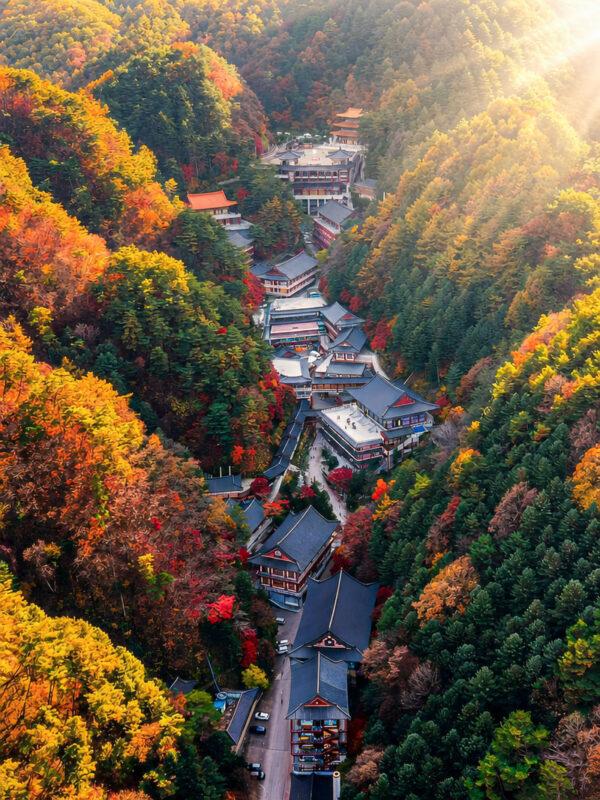
Guinsa Temple rises through a wooded valley, its buildings and halls spread along a steep route that makes the visit feel like more than a quick photo stop. I like this tour for three very different stops in one day and for having a guide and transport take care of the long journey from Seoul.
I also like that the schedule leaves time to explore the temple, cave and river views rather than simply stopping for a snapshot. The trade-off is real: the uphill walking and long road transfers can make this a tiring day, and traffic may push the return later than planned.
- What to know before you go
- A long road from Seoul to Danyang
- Guinsa Temple: a climb with a payoff
- Ondal Cave: cool stone and local legends
- Dodamsambong: three rocks beside the river
- A guide can make the road time count
- What the price covers, and what it does not
- Is this Danyang day trip right for you?
- FAQ
- How long is the Danyang tour from Seoul?
- What attractions are included in the standard route?
- Is transport from Seoul included?
- Are attraction admission fees included?
- Is lunch included?
- How much walking is involved?
- Is the tour suitable for wheelchair users or strollers?
- What should I wear or bring?
- Where does the tour return in Seoul?
- The Best Of Seoul!
- More 1-Day Tours in Seoul
- More Tours in Seoul
- More Tour Reviews in Seoul
- Not for you? Here's more nearby things to do in Seoul we have reviewed
What to know before you go
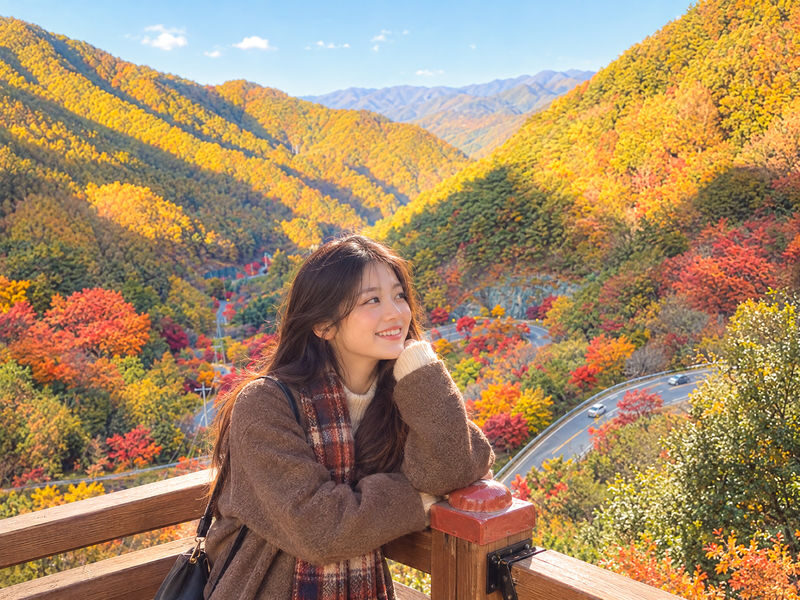
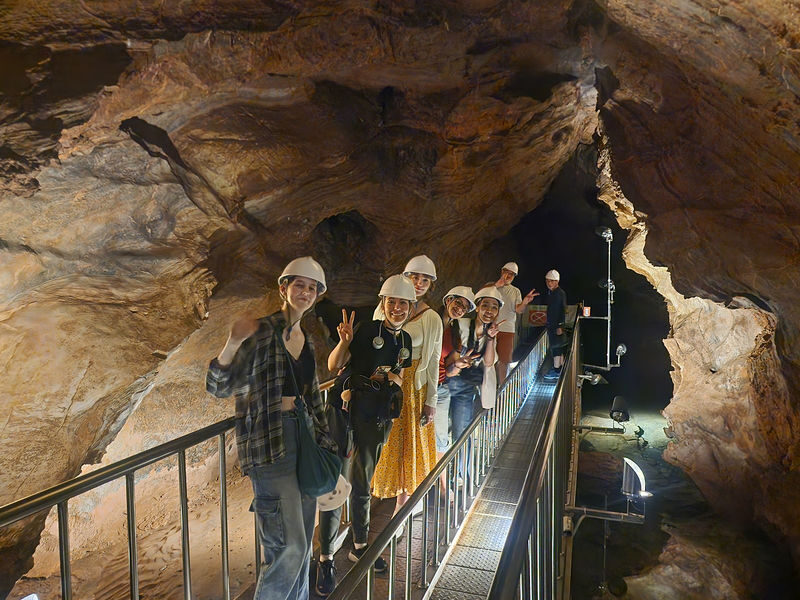
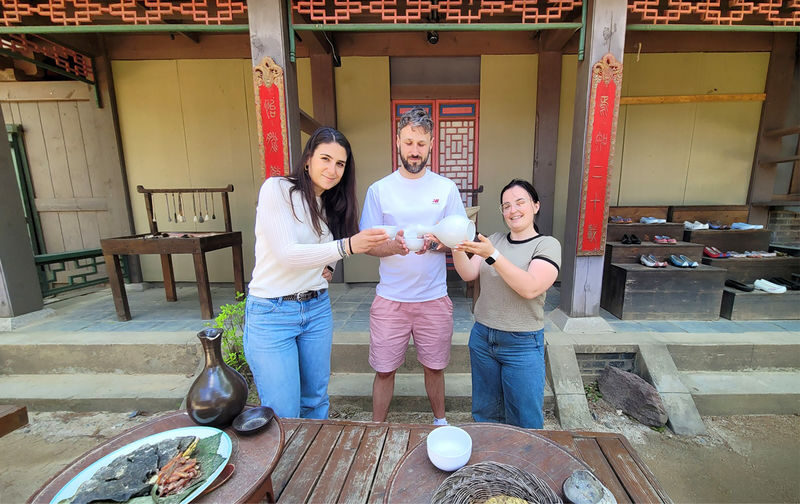
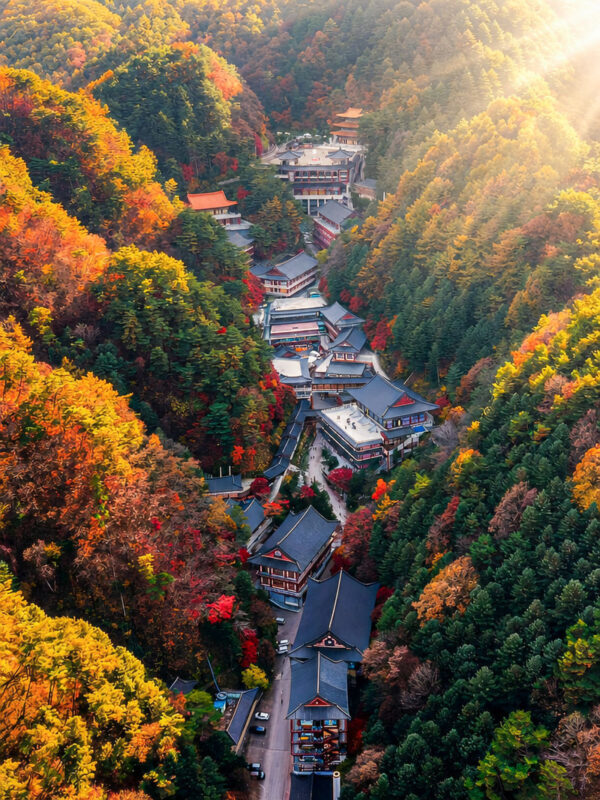
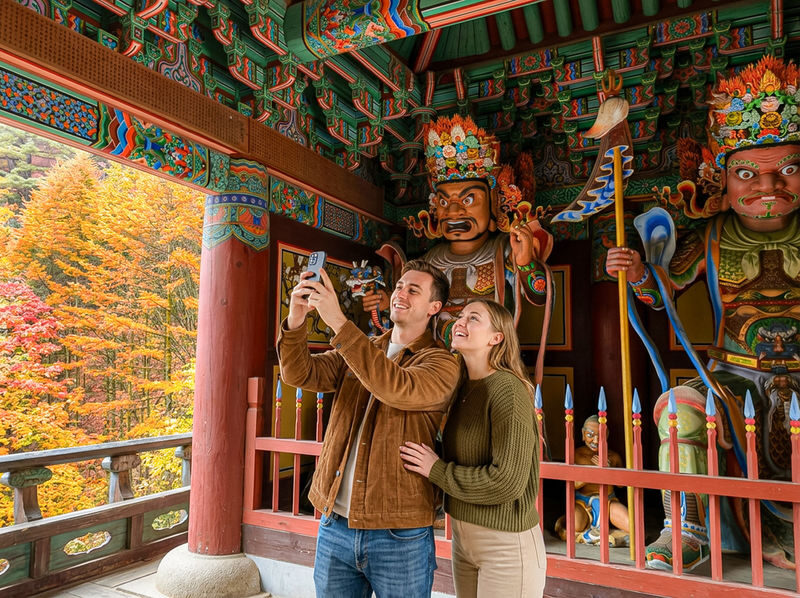
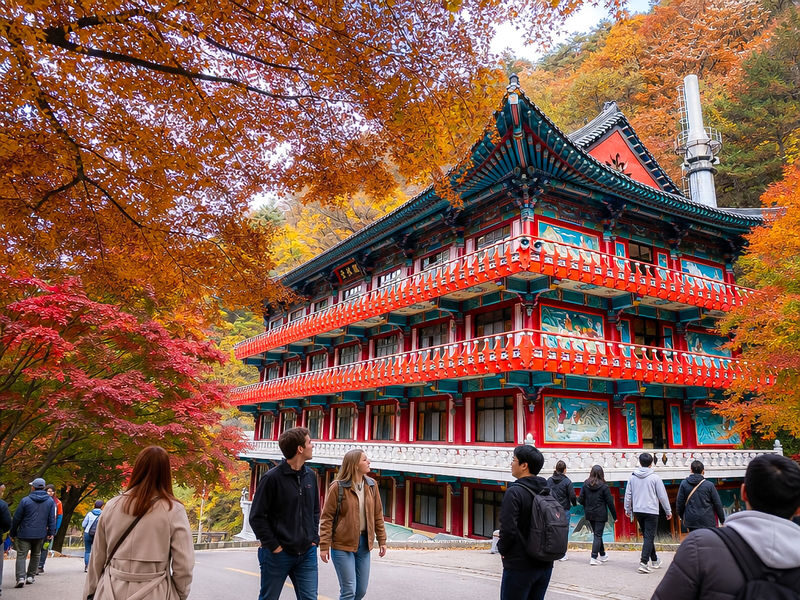
- Guinsa is the physical test: Expect uphill walking and stairs. Wear shoes with a good grip and consider your fitness before booking.
- The cave brings a change of pace: Ondal Cave offers limestone formations and local legends; if it is being renovated, the stop changes to Gosu Cave.
- Dodamsambong is a riverside photo stop: Its three distinctive rock formations are the final main attraction on the standard route.
- You get transport and admissions: For the shared package, round-trip transfers, attraction admissions and an English- or Chinese-speaking guide are included.
- This is a full day, not a quick outing: The published schedule runs from early morning to evening, with about five and a half hours of driving in the planned itinerary.
- Autumn has a different route option: A separate package visits Bobaljae Maple Road and the Ondal Film Set and Cave instead of Dodamsambong.
👉 See our pick of the 25 Best Guided Tours In Seoul
A long road from Seoul to Danyang
Danyang sits in Chungcheongbuk-do, far enough from Seoul that the journey is a major part of the day. The planned drive is about three hours each way, with the return leg listed at two and a half hours. That makes the included vehicle more than a convenience: it saves you from working out separate transport between rural sights, and lets a guide handle the route.
Still, those are estimates, not guarantees. Traffic has stretched the drive considerably, especially around a national holiday. One unusually bad day turned a planned three-hour trip into an eight-hour journey; other days have taken about four hours each way. If you have a fixed dinner reservation or evening plan in Seoul, leave room for delay.
The tour sets off from the Myeongdong area, with departure times shown at 06:15, 06:45 and 07:00. The exact pickup time and point matter, so check your booking details rather than assuming all times apply to you. Arrive at least five minutes early: late arrivals and no-shows are not refundable.
Return drop-offs are listed for Dongdaemun History & Culture Park Station, Myeongdong Station and Hongik University Station, with times from 17:30 to 18:15. The schedule can change with weather and traffic, so treat these as planned stops, not a promise of precise arrival.
You can also read our reviews of more tours and experiences in Seoul
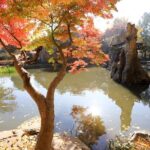

Guinsa Temple: a climb with a payoff
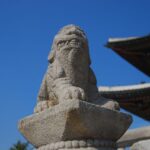
The tour’s first major stop is Guinsa Temple, described as Korea’s largest temple. You have about an hour and 45 minutes there, and the visit is self-guided, though your guide may share context before or during the walk. Guides including Edward and Yohan have been praised for explaining the temple and helping groups manage the climb.
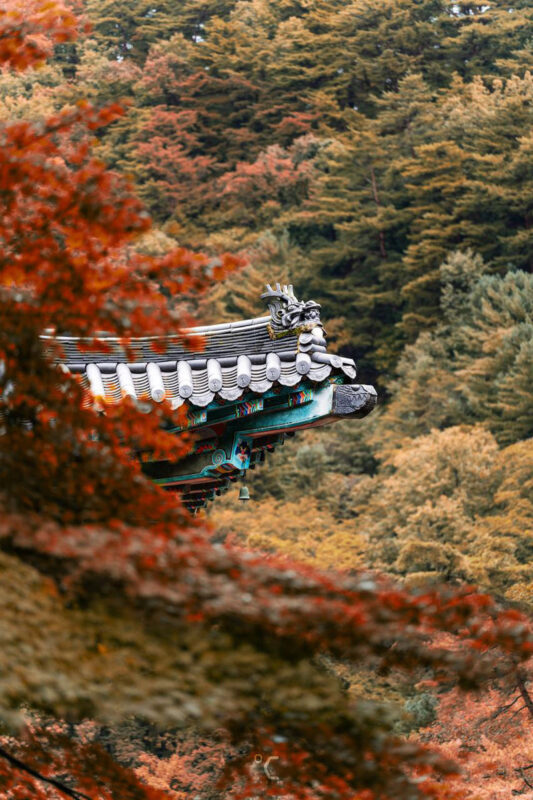
The temple’s setting is part of its appeal. Its halls and buildings rise into a wooded valley, with flowers adding seasonal color. This is not a flat, compact temple compound where you can see everything in a few easy steps. The route involves a significant uphill walk and stairs, so reaching the upper halls takes effort.
I’d plan to use most of the allotted time at a steady pace rather than rush from one building to the next. In summer heat, the climb can feel tougher; in cooler weather, the mountain setting may be more comfortable. Bring water and wear supportive shoes. If steep paths, stairs or extended walking are difficult for you, this stop deserves serious thought before booking.
The guide can add meaning to what you see. The tour is presented as a chance to learn about Korean culture, including the Joseon era, and some guides offer history and stories along the way. But the temple visit itself is self-guided, so expect a mix of explanation and independent time, not a continuous lecture.
Ondal Cave: cool stone and local legends
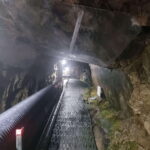
Next comes Ondal Cave, with about two hours scheduled for the stop, including lunch time. The cave offers a sharp contrast to the temple: instead of climbing between open-air halls, you step into a limestone setting shaped by striking rock formations and stories associated with the site.
The cave is a particularly good reason to choose this outing if you want more variety than temples and viewpoints alone. Its formations give you something to notice at close range, while the legends offer a cultural thread to the visit. The amount of time here also includes lunch, so don’t assume you have two full hours inside the cave.
Lunch and drinks are not included. Bring money for a meal and any personal purchases, and keep an eye on the group’s return time. If Ondal Cave is under renovation, the tour substitutes Gosu Cave. The alternative means the day still includes a cave visit, though the exact experience changes.
Some package options include the Ondal Film Set as well as the cave. Check the package name carefully: the standard itinerary lists Ondal Cave, while the autumn option specifically names the film set and cave. That distinction matters if visiting the filming location is a priority.
Dodamsambong: three rocks beside the river
The standard route ends its sightseeing at Dodamsambong, a riverside landmark known for three distinctive rock formations. The stop is about 40 minutes, making it the briefest visit of the day. It is a chance to take in the setting and photographs without another long uphill temple walk.
After the effort at Guinsa, this is a gentler final attraction. The appeal is visual: the three formations give the site a clear focal point, and the river setting makes it feel different from both the wooded temple and the cave. Keep expectations in proportion, though. Forty minutes is a short visit, not a leisurely afternoon by the water.
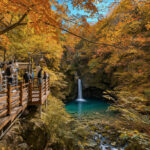
There is also a separate autumn package that visits Bobaljae Maple Road instead of Dodamsambong. The tour overview mentions Bobaljae Observatory as a panoramic viewpoint, but the standard route described here lists Dodamsambong. If the observatory or autumn foliage is your main reason for booking, choose a package that specifically names Bobaljae.
A guide can make the road time count
The stops are the main event, but the guide can shape how the day feels between them. Names praised for clear explanations, practical help and friendly company include Edward, Jin, Ruby, Yohan and Richard. That is not a guarantee of who will lead your departure, but it gives you a sense of the service this tour aims to provide.
Guides have helped with photographs, shared food recommendations, offered weather advice and kept groups informed as plans changed. One guide even helped a participant who had left a wallet at a hotel. Those small acts matter on a day with several stops and a long drive: good organization can make the travel feel less like dead time.
The guide may also be your driver, or the tour may have a separate driver and guide. The supplied experiences include both arrangements. Either way, the guide’s role is especially useful at a self-guided stop, where clear instructions about meeting times and routes help you enjoy some independence without losing track of the group.
The tour is offered with English- or Chinese-speaking guide service. If language is important to your visit, confirm the language available for your date when booking.


What the price covers, and what it does not
The tour starts from $62.65, though the price depends on the package and date. The standard package featuring Guinsa Temple, Dodamsambong Scenic Rocks and Ondal Film Set and Cave is shown from $86.15; the autumn route starts from $89.49. These figures can vary, so check the selected package before paying.
For a shared tour, the value comes from bundling round-trip transport, admissions and a guide into a single day trip. Danyang’s attractions are spread out, and arranging all the connections yourself would take planning. If the alternative is hiring transport or piecing together local travel, the bundled format can be worthwhile, especially if you want several sights in one visit.
Food, drinks, personal expenses and insurance are not included. Budget for lunch and bring a payment method for any purchases. Children aged two and under can join free if they do not occupy a separate seat.
A private option is also available, starting from $484.79, with Guinsa and Bobaljae on a customizable route. It has different terms: admissions are not included, and the total duration is capped at 10 hours from pickup to drop-off. If that period is exceeded, an extra 40,000 KRW per hour applies. The shared-tour price and inclusions should not be assumed to apply to this private option.
Is this Danyang day trip right for you?
I’d choose this tour if you want to see several of Danyang’s main sights in one day and value having transport and a guide arranged from Seoul. The temple, cave and riverside rocks offer a satisfying change of scene, and the guide can add useful context along the way. It suits people who like active sightseeing and are happy to spend a good part of the day on the road.
I would think twice if you have mobility difficulties, dislike stairs, are prone to motion sickness or need a firm return time. The activity is not wheelchair- or stroller-accessible, and the walking at Guinsa can be demanding. Traffic can also stretch the day well beyond its planned timing.
For most able-bodied visitors who want a full day outside Seoul, the mix of cultural and natural sights is the appeal. Book it with comfortable shoes, a flexible evening schedule and realistic expectations about the drive. If those conditions sound fine, Danyang offers a rewarding change from city sightseeing.
Danyang The Hidden Gem of Korea One Day Tour From Seoul
“Our tour guide Victoria was friendly, organized, and knowledgeable. The tour was great and very fun. I would definitely recommend it to anyone. Ple…”
FAQ
How long is the Danyang tour from Seoul?
The tour is listed as 10 hours. The planned schedule starts in the early morning and returns to Seoul from about 17:30, but traffic and weather can change the timing.
What attractions are included in the standard route?
The standard route visits Guinsa Temple, Ondal Cave and Dodamsambong Peaks. If Ondal Cave is under renovation, it is replaced by Gosu Cave.
Is transport from Seoul included?
Yes. Round-trip transfers from the designated Seoul meeting point are included in the shared tour.
Are attraction admission fees included?
Admissions are included for the shared tour. They are not included in the private tour option.
Is lunch included?
No. Lunch time is included in the schedule, but meals and beverages are at your own expense.
How much walking is involved?
A considerable amount. Guinsa Temple involves uphill walking and stairs, and the tour includes other walking at its stops.
Is the tour suitable for wheelchair users or strollers?
No. The activity is not wheelchair- or stroller-accessible.
What should I wear or bring?
Wear comfortable shoes suitable for uphill paths and stairs. Bring money for lunch, drinks and personal expenses.
Where does the tour return in Seoul?
Listed return stops include Dongdaemun History & Culture Park Station, Myeongdong Station and Hongik University Station. Check your booking details for the stop and timing assigned to your tour.