Jingtiancun’s pottery tradition begins not at a shop counter, but on the clay hills: you dig up raw material, then follow it through preparation, shaping, glazing, and firing. That hands-on path gives this Dali outing a useful sense of how a finished cup or ornament comes into being.
I like two things in particular: you work with local clay under an artisan’s guidance, and the visit links a 600-year-old dragon kiln with a family lunch served among handmade pottery. A personal piece is part of the appeal, and pre-made pottery is also included to take home.
One practical caution: the stated schedule is inconsistent. One description starts with a Didi ride around 9:00, while the departure details show 11:00. Confirm your pickup time and transport arrangement before booking, and check which price applies to the family-lunch option.
- What makes this pottery visit worthwhile
- From clay hill to family table
- Meeting the 600-year-old dragon kiln
- Making something with your own hands
- Lunch among the handmade plates and cups
- Timing, transport, and the price
- Who should book this Dali craft experience?
- Should you book it?
- FAQ
- Where does the pottery experience take place?
- How long is the pottery experience?
- Is lunch included?
- What will I do during the visit?
- Is there an English-speaking guide?
- Do I get to take pottery home?
- Is transport included?
- Can I change or cancel my booking?
- The Best Of Dali!
- More Tours in Dali
- More Tour Reviews in Dali
- Not for you? Here's more nearby things to do in Dali we have reviewed
What makes this pottery visit worthwhile
 1 / 4
 2 / 4
 3 / 4
 4 / 4
- Clay comes from the village hills: You dig your own clay, then learn how raw material is prepared for pottery.
- The dragon kiln gives the craft a real setting: The village’s traditional kiln is described as 600 years old.
- You follow the process, not just the finished product: The artisan explains fermentation, shaping, glazing, and firing.
- Glaze color has a local recipe: You learn about glaze ingredients and how different formulations can produce different colors.
- Lunch is part of the experience: The family meal is served among handcrafted plates and cups, tying the food to the pottery.
- You have more than one keepsake option: You make a personal piece and receive pre-made pottery, with delivery of your own work available if requested.

👉 See our pick of the 2 Best Shopping Tours In Dali
From clay hill to family table
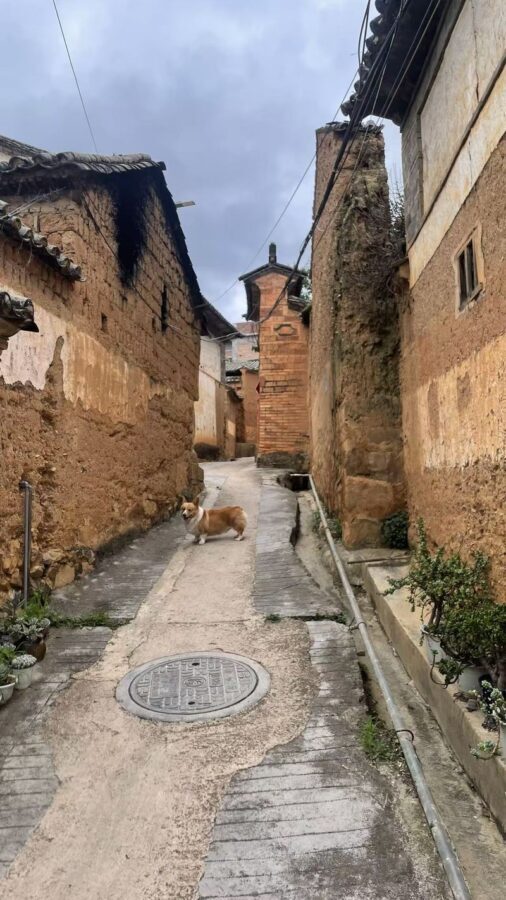
Jingtiancun is in the Xiaguan area of Dali, and the activity is built around a village craft rather than a workshop detached from its source. Pottery-making here is said to have been passed down for about 600 years. That length of time is a good reason to pay attention to the materials and methods, not just the finished objects.
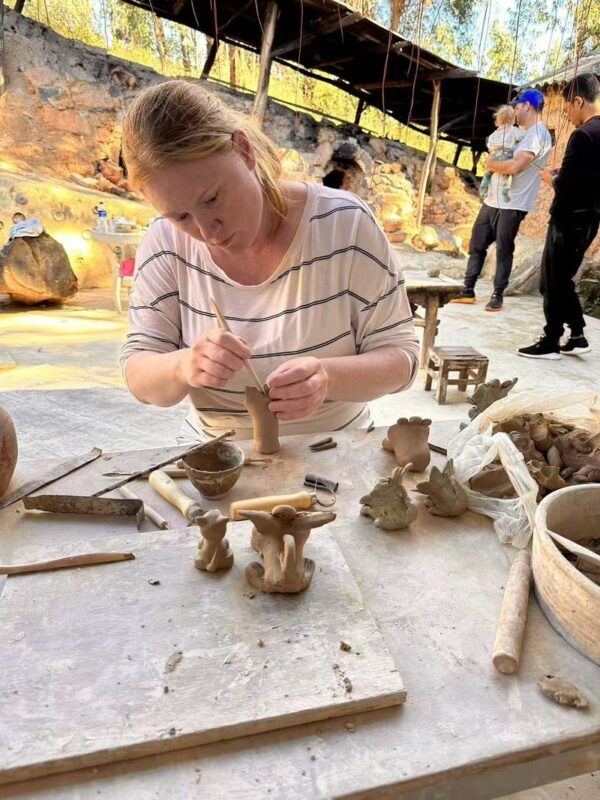
The visit starts with a welcome from a local artisan near the village entrance. You then head to the traditional dragon kiln and walk up to nearby clay hills to dig different kinds of clay. That first step is a simple but memorable change from buying a souvenir: you get to handle the raw material before it becomes one.
Expect the work to be guided. The artisan explains how clay is fermented and prepared, then moves through shaping, glazing, and firing. The information provided does not specify how long you spend at each stage or which stages you personally complete, so it is sensible to think of this as a guided introduction with a hands-on making session, rather than a full course in pottery.
The itinerary also describes making a Wa Mao, a local pottery form, at its place of origin. That is a particularly appealing detail for anyone who likes crafts with a connection to place. Ask the artisan what form your own piece can take, since the exact design and finished item are not specified.
You can also read our reviews of more tours and experiences in Dali.


Meeting the 600-year-old dragon kiln
The kiln visit gives the craft a physical anchor. Rather than hearing only that the village has a long pottery tradition, you see the traditional dragon kiln itself and learn how firing fits into the process. The provided details do not say whether a firing is taking place during your visit, so do not assume you will see the kiln in operation.
The kiln is worth seeing even as part of a broader workshop, because pottery is shaped by more than a maker’s hands. Clay, glaze, and firing all affect the result. The artisan’s explanation of these stages helps you understand why two pieces made from local materials can have different finishes.
Then comes the walk up to the clay hills. You get to dig different kinds of clay, an activity that makes the raw material less abstract. It also gives the session a physical element, so wear shoes you do not mind getting dusty. The route is described as a walk uphill, but no information is provided about its length or difficulty. If mobility or exertion is a concern, ask the operator before booking.
Making something with your own hands
After seeing where the clay comes from, you learn how it is prepared and shaped. The process includes fermentation, forming, glazing, and firing. That sequence is useful context even if your own piece cannot pass through every stage during the visit. Pottery takes time, and a handmade item may need steps that extend beyond a short activity.
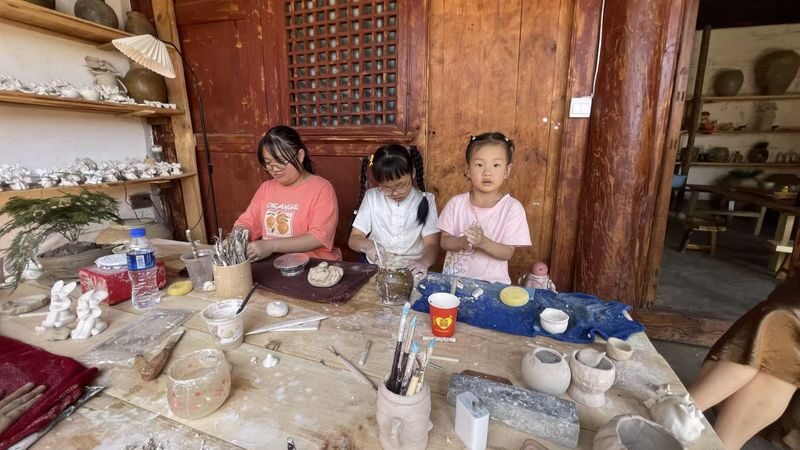
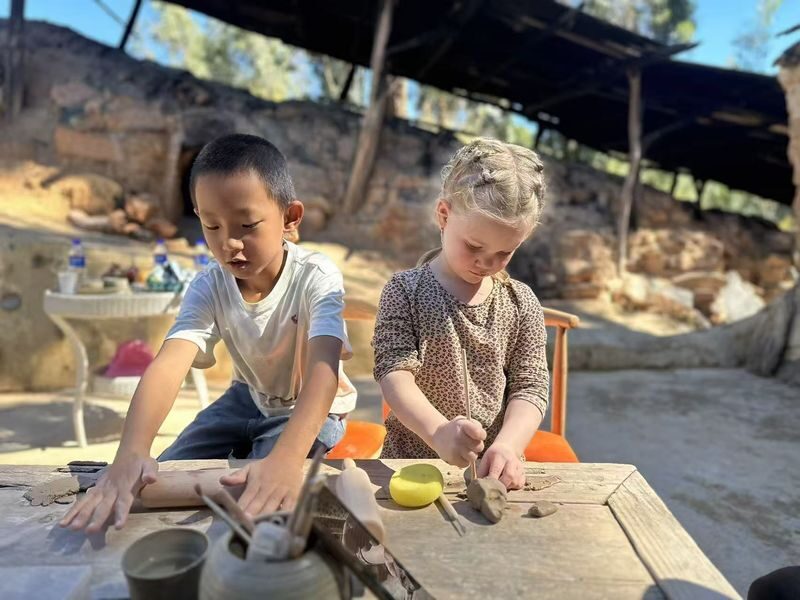
The most personal part is working with the clay under an artisan’s guidance. You start with raw earth and move toward a shaped object, learning to recognize the clay and the materials used for glaze. The workshop also explains how local glaze formulas produce different colors. That can change the way you look at everyday pottery later: a glaze is not simply a finish chosen from a shelf, but a result of materials and formula.
The details do not promise a specific type of item, nor do they state when your piece will be fired or ready. If you are hoping to bring your own finished work home that day, ask whether that is possible. The activity does say that delivery of your personal handicraft can be arranged if you wish, which may be the practical choice if firing or finishing takes longer.
You also receive pre-made pottery from local artisans to take home. This matters because your handmade piece and the ready-made items serve different purposes. Your own work carries the memory of the process, while a finished piece lets you bring home something already usable or display-ready. The exact number and type of pre-made items are not specified, so confirm what is included in your chosen package.
Lunch among the handmade plates and cups
The family-lunch option places a meal between the village visit and the afternoon craft session. Lunch is described as a meal with a local family, served in a home where you can see pottery used at the table. Plates and cups are part of this clay-to-table experience, so the craft is not confined to a display shelf.
This is a meaningful pause in a hands-on outing. You see pottery not only as an object to make or buy, but as part of ordinary family life. The menu, dietary options, and length of lunch are not specified, so ask ahead if you have food restrictions or need to plan around a tight schedule.
After lunch, the session returns to the making process. You learn about raw materials for glaze and how local formulas affect color, then continue shaping your piece. The sequence gives you both a view of the village tradition and time to try the craft yourself, rather than making the visit only a kiln tour.
Timing, transport, and the price
The schedule needs clarification before you go. One description says to arrange your own Didi to Jingtiancun between 9:00 and 11:00, with a local artisan welcoming you at the village entrance. Another set of departure details gives an 11:00 departure and a 14:17 return. The activity portion is also shown at 14:15, which does not neatly fit the earlier description of clay work and lunch beginning around 11:00.
Because those times do not align, confirm the actual start time, meeting point, and whether the Didi ride is included or self-arranged. The listed address is Jingtiancun, Fengyi Town, Xiaguan, Dali, Yunnan. The return point is described as your hotel or personal address, but the transport arrangement should still be checked directly.
Prices shown begin at $49.45, while the family-lunch pottery option is also listed from $44.95. Those figures do not match, so treat them as starting prices rather than a guarantee of what your selected date or package will cost. Confirm the final price and exactly what it covers before paying.
For the value, the appeal is the combination of a local artisan, clay digging, kiln context, guided making, lunch, and pottery to take home. It is more involved than a quick demonstration, but the value depends on how much hands-on time you get and whether delivery of your own piece costs extra. Ask about both points before booking.
The activity includes admission, a Chinese-speaking guide, and English-speaking staff. It does not include personal expenses or tips. The information does not specify group size, so ask if you prefer a small session or need to know how much individual help you can expect.


Who should book this Dali craft experience?
I would consider this outing if you enjoy making things, want a closer look at a village tradition, or prefer an activity that connects local materials with everyday life. It should suit families and curious beginners, although children and infants must be included in the passenger headcount. No minimum age or child-specific workshop details are provided, so check those before booking with young children.
It may be less suitable if you need a tightly timed half-day plan. The conflicting schedule is the main concern, and the walk to the clay hills may not work for everyone. There is also no stated guarantee that your personal piece will be ready to take home immediately.
A single five-star assessment describes digging clay and making a Wa Mao in the village, and stresses the appeal of being in a place with few tourists. That fits the activity’s strongest quality: you are going to a working craft setting, not simply watching a staged demonstration. Still, the amount of quiet or visitor traffic can vary, and no group-size limit is given.
Should you book it?
Book this if you want to get your hands into the material and are happy to ask a few practical questions before setting out. Digging clay, learning about glaze, and eating lunch among handmade pottery make a good case for spending time beyond Dali’s better-known sights.
Before you commit, confirm the actual start and return times, transport, final package price, what pre-made pottery is included, and how delivery of your own piece works. If those details line up with your plans, this is a thoughtful choice for a craft-focused day in Jingtiancun.
Dali Old Pottery Village Handicraft Experience
“this was great experience ever ! we mining mashed clay , make our wo Wamao at there original birthplace. yet 600years village none tourist, just u…”
FAQ
Where does the pottery experience take place?
It takes place in Jingtiancun, Fengyi Town, in the Xiaguan area of Dali, Yunnan, Mainland China.
How long is the pottery experience?
The departure and return details show 11:00 to 14:17, but another schedule describes travel from around 9:00 and activities continuing after lunch. Confirm the actual timing with the operator.
Is lunch included?
A pottery experience option with a family lunch is listed. Check that you select this package and confirm its final price.
What will I do during the visit?
You visit a traditional dragon kiln, dig different kinds of clay, learn about clay preparation, shaping, glazing, and firing, and make a pottery item with an artisan’s guidance.
Is there an English-speaking guide?
English-speaking staff are included. A Chinese-speaking guide is also included.
Do I get to take pottery home?
You are set to receive pre-made pottery from local artisans. Delivery of your personal handmade piece can be arranged if you wish.
Is transport included?
The information says to arrange your own Didi to the village, but the departure details also give a meeting time and a return to your hotel or personal address. Confirm the transport plan before booking.
Can I change or cancel my booking?
Changes are allowed until 24 hours before the activity, subject to the stated exceptions. A full refund is available if you cancel at least 24 hours before the activity date, in destination local time.