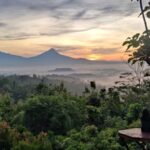
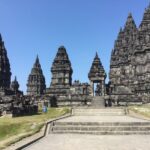
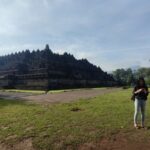
Borobudur’s stone terraces and carved panels make a striking first stop, then Prambanan’s tall Hindu shrines offer a vivid contrast later in the day. I like the chance to see both UNESCO-listed sites without arranging two long-distance transfers yourself, and I like that Borobudur’s climb is guided rather than left to guesswork.
The day is a long one, with an early start, plenty of walking, and real sun exposure. One point needs careful checking before you book: many low-priced options do not include temple admission, despite the wording that can make the full-access Borobudur ticket sound included.
- The essentials at a glance
- Why pair Borobudur with Prambanan
- The early pickup and ride north
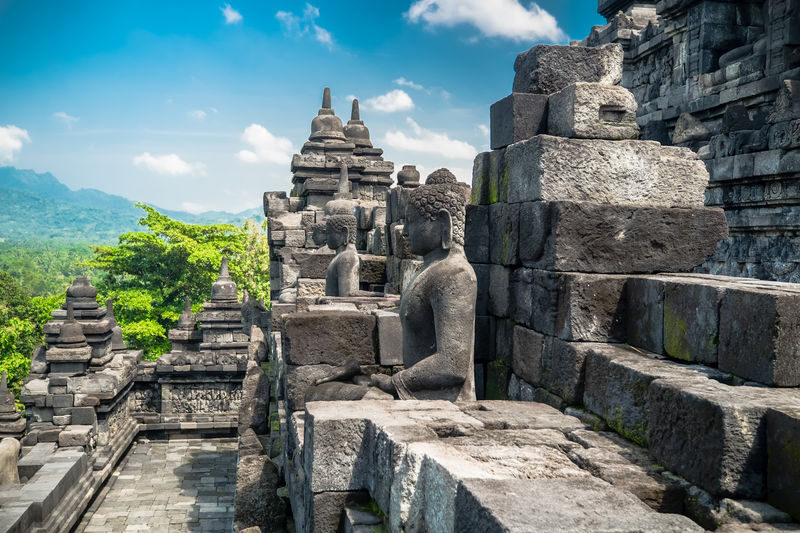
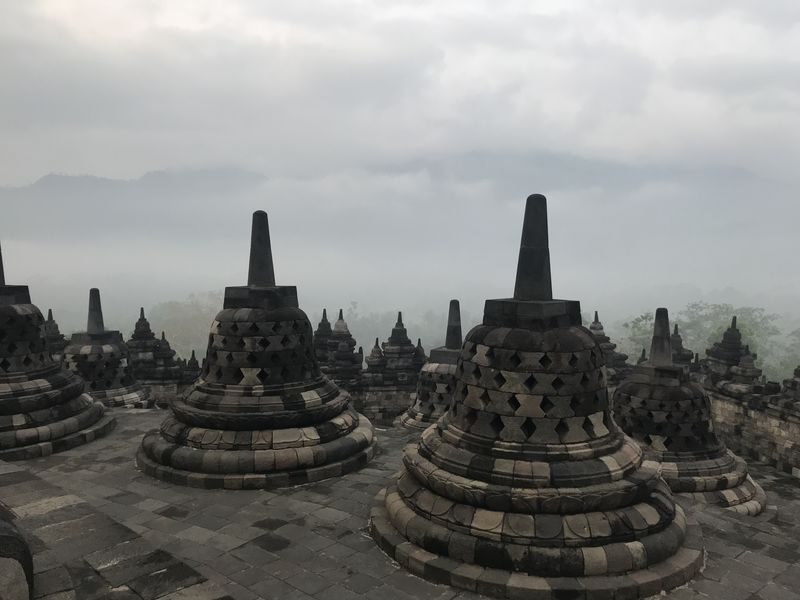
- Borobudur: climb, carvings, and context
- Lunch: a needed pause, not a fixed restaurant
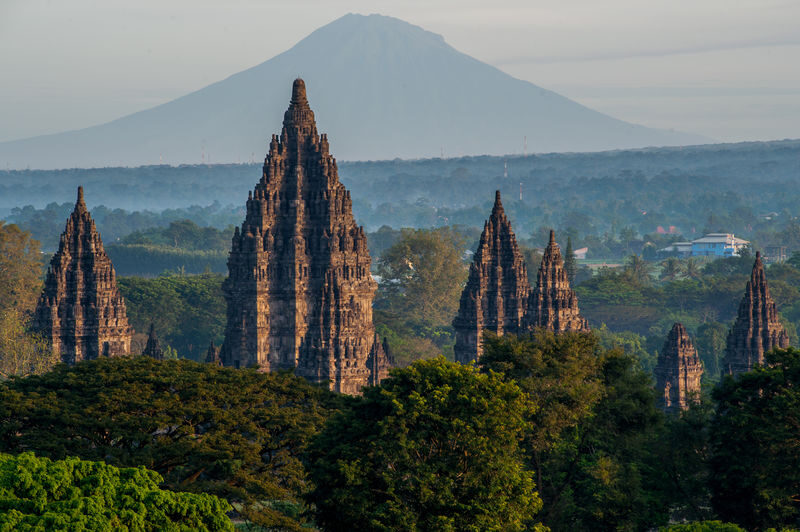
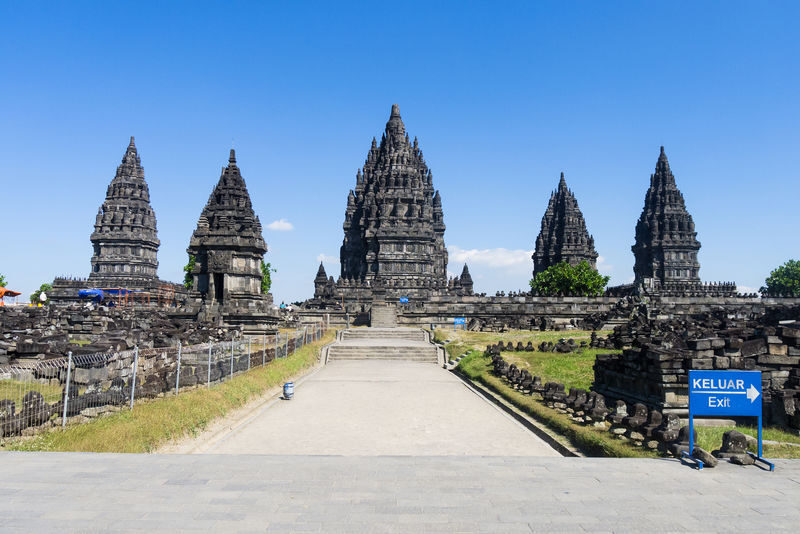
- Prambanan: grand towers and an optional guide
- Shared ride or private tour?
- What the price really buys
- Who will get the most from this day
- Should you book it?
- FAQ
- How long does the tour take?
- Are Borobudur and Prambanan entrance tickets included?
- Is the Borobudur climb guided?
- Is Prambanan guided?
- Can I choose a shared or private tour?
- What should I bring and wear?
- Can I visit Prambanan on a Monday?
- More Guided Tours in Magelang Regency
- More Tours in Magelang Regency
- More Tour Reviews in Magelang Regency
- Not for you? Here's more nearby things to do in Magelang Regency we have reviewed
The essentials at a glance
- Two major temple sites in one day: Visit Borobudur and Prambanan on a roughly nine-hour outing from Yogyakarta.
- Borobudur includes a guided climb: The temple visit is planned for about two and a half hours, including access to the structure when the appropriate ticket is arranged.
- Prambanan is usually self-guided: You can hire an official local guide at the entrance for IDR 150,000 per guide for a group of up to 10.
- Shared and private rides are offered: Shared tours cost less, while a private tour gives you more control over the day.
- Admission costs need attention: The base package described is without entrance fees. A stated payment of IDR 900,000 for the Borobudur full-access and Prambanan tickets is payable to the driver, though ticket rates and package choices vary.
- Expect heat, stairs, and walking: Bring a hat, sunscreen, and comfortable shoes, and leave room in the schedule for traffic.
Why pair Borobudur with Prambanan
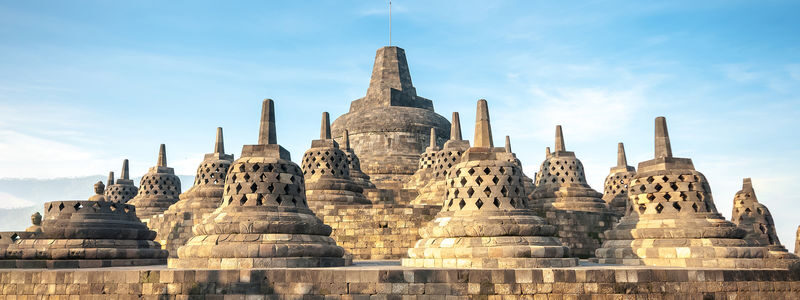
Borobudur and Prambanan are not interchangeable temple stops. Borobudur is a vast ninth-century Mahayana Buddhist monument, famous for its tiers, stone reliefs, and summit stupas. Prambanan is Indonesia’s largest Hindu temple compound, a group of tall, sculpted shrines that feels different in scale and style. Seeing both gives you a sharper sense of Java’s religious and artistic variety than visiting only one.
The practical case for combining them is just as strong. The temples are far enough apart that arranging separate transport takes time and planning. Here, a driver collects you in Yogyakarta, waits while you visit, and carries you between the sites. That can turn a complicated day into a straightforward one, particularly if you have limited time in the region.
The trade-off is a full schedule. You have roughly two and a half hours at Borobudur and two hours at Prambanan, with a meal break between them. That is enough to see the main attractions, but not an invitation to linger over every carving or stroll every path at leisure.
You can also read our reviews of more guided tours in Magelang Regency

The early pickup and ride north
Pickups take place in the Yogyakarta city area, with the departure window listed as 6:30 to 7:30 a.m. Shared pickup means the driver may collect other people first, so the exact time can shift. The operator is expected to reconfirm the pickup time in advance; keep an eye on your messages and be ready at the hotel.
You travel in an air-conditioned vehicle, with fuel and parking included. The ride matters here: both temple visits involve walking, and a comfortable transfer gives you a chance to rest between them. Bottled water is provided at the temple entrances, but bring extra water if you know you drink a lot, especially in hot weather.
The tour can visit Prambanan before Borobudur if the full-access Borobudur tickets are not available for the preferred order. That flexibility is useful, but it means you should treat the listed sequence as a plan rather than a promise. Traffic and weather can also shift the schedule.
Borobudur: climb, carvings, and context
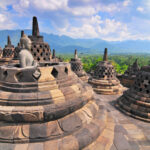
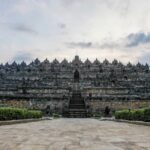
Borobudur is the more structured visit of the two. The itinerary allows about two and a half hours and includes a guided tour of the temple structure. A guide can help you understand the reliefs and the building’s religious meaning, details that are easy to miss if you simply climb the steps, take a few photos, and head back down.
The climb involves stairs and sustained walking. The tour is not suited to anyone who cannot manage that kind of physical effort, and the day’s heat can make the ascent feel tougher. Wear walking shoes and light, comfortable clothing. There is no specific temple dress code stated, but sun protection is important: bring a hat or cap, sunglasses, and sunscreen.
A few practical details from the site can make the visit smoother. Special sandals are provided for the climb, and some people have found they can keep them afterward. The grounds are extensive, with shuttle vehicles operating within the site, and restrooms have been described as clean. Still, allow energy for the walking rather than assuming the ride will take you everywhere.
The title and promotional wording can be confusing about tickets. The package details for the lowest listed option are for a join-in tour without entrance fees, and the included-services list also excludes admission. A separate note says to pay IDR 900,000 directly to the driver for Borobudur full-access and Prambanan tickets. Confirm exactly what your selected package covers before paying, and check that you have chosen the correct rate for your nationality. Indonesian residents and non-Indonesian visitors have different ticket options under the stated rules.
Site conditions can change. Some people have encountered construction affecting parts of the upper temple, so if access to a particular level is important to you, check current conditions close to your travel date rather than assuming every area will be open.
Lunch: a needed pause, not a fixed restaurant
The tour sets aside about an hour for lunch. You can request a meal stop without an added transport charge, but food and drinks are at your own expense. On a join-in tour, the group needs to agree on the stop, so your choice may be a compromise rather than a personal detour.
Drivers have recommended restaurants and roadside eateries, and some have been praised for pleasant settings and good local food. Other meals have felt expensive for what they offered. Ask to see a menu or prices before ordering if you are watching your budget, and mention dietary needs early. A few basic vegetarian and vegan choices have been available at some stops, but the tour does not promise a particular menu.
Coffee stops may also come up, including places offering kopi luwak. Treat these as optional stops rather than a required part of the temple visit. If you are not interested, say so politely and use the time to rest or continue toward the next site.
Prambanan: grand towers and an optional guide
Prambanan is scheduled for about two hours and is self-guided by default. That gives you freedom to explore at your own pace, but a map or a hired guide can help you make sense of the compound and its sculptures. An official local guide is listed at IDR 150,000 per guide for a group of one to 10 people.
The main temples are impressive from a distance, then reward a closer look at their carved details. You will have to walk around the complex, and the ground can feel exposed in strong sun. A shuttle is available at the site for an additional charge, which may help if you want to reduce walking.
If time allows, look for Sewu Temple in the same compound. It is easy to focus on Prambanan’s central shrines and overlook this nearby site, so ask your driver or a temple guide how much time you have before setting off. On Mondays, Zone 1 of the temples is restricted, though other areas remain accessible. If Monday is your only option, factor that limit into your expectations.
The guide arrangements deserve a close look. The driver is described as an English-speaking professional, but the standard Prambanan visit is not automatically a guided tour. Some packages or group arrangements may include local guide support, while the listed option allows you to hire a guide at the entrance. If explanations at both temples matter to you, confirm what is included in your chosen package.



Shared ride or private tour?
The join-in option is the budget choice and can suit solo visitors who would rather share transport than pay for a car alone. Group size can be small, and the tour may feel nearly private if only a few people book that day. The flip side is less control over pickup timing, meal stops, and small changes to the schedule.
A private tour costs more but gives your group a dedicated vehicle and usually more flexibility. This is useful for families, friends, or anyone who wants to adjust the pace, ask for particular stops, or avoid coordinating decisions with other participants. Private versions are available with and without entrance fees, and some offer guides in Korean, Japanese, Chinese, and German.
Do not assume a driver-guide will accompany you through every temple. The driver’s main role is transport and coordination, while temple explanations may be handled by local guides or, at Prambanan, left to you. Reports of particularly helpful drivers include Didik, Adit, Joko, Aris, Thoriq, and Romy; Ricco has also been named as a Prambanan guide. Those names are useful examples, not a guarantee of who will be assigned on your date.
What the price really buys
Prices vary by package. The listed options start at $20.49 for a join-in tour without entrance fees, $40.99 for a join-in tour, and $48.39 for a private tour without entrance fees. Private options with entrance tickets are listed from $113.49, with a separate Indonesian-resident rate. A private tour with a guide in one of several listed languages starts at $147.35. The headline price can differ by date and selection, so compare the exact option at checkout.
The no-ticket option pays for transport, driver service, fuel, parking, and hotel-area pickup and drop-off. It does not mean the temples are free. The stated ticket payment of IDR 900,000 is a substantial extra cost, so include it when comparing the cheapest package with a ticket-included version. The tour can still be good value if you want both sites in one day and prefer someone else to manage the long transfers, but it is not automatically the cheapest way to see the temples.
Also budget for lunch, drinks beyond the water supplied at the entrances, any local guide you hire, tips if you choose to give them, and optional transport within a temple compound. Cash is needed for on-site surcharges, which are payable directly to the driver. Pickup outside the free Yogyakarta city area can also cost extra, including in Borobudur, Kaliurang, Gunung Kidul, Prambanan, Kulon Progo, and Parangtritis.
Who will get the most from this day
This trip suits you if you have one open day in Yogyakarta and want to see both headline temples with transport arranged. It is especially practical for solo visitors choosing a shared ride and for small groups who value a private car over managing transfers themselves. The English-speaking driver, hotel-area pickup, and planned temple visits keep the day relatively simple.
It is less suitable if you want a slow, scholarly visit, dislike stairs, or need a highly flexible schedule. The tour involves considerable walking, and the timetable is shaped by group needs, traffic, and ticket availability. People with mobility concerns should contact the operator before booking to discuss what assistance is possible; the information provided does not promise step-free access.
Should you book it?
I would consider this tour if your priority is seeing Borobudur and Prambanan in one day without piecing together transport. The guided Borobudur climb, useful hotel pickup, and long-distance transfers make it a sensible convenience buy, while the private option is worth considering if schedule control matters to you.
Book only after checking the ticket terms for your exact package. If you prefer a slow visit or want to explore every corner, arrange more time rather than expecting this full-day route to feel leisurely. For most people with one day to spare, it is a practical way to see Java’s two great temple sites, provided you plan for the admission cost, the heat, and the stairs.
Borobudur (Climb + Guided) and Prambanan Temples Tour in Yogyakarta
“The tour guide was skilled at explaining the culture and significance within.”
FAQ
How long does the tour take?
The outing is planned for about nine hours. Pickup is between 6:30 and 7:30 a.m., with return to a Yogyakarta city address expected between 4 and 5 p.m. Traffic and weather can change the schedule.
Are Borobudur and Prambanan entrance tickets included?
Not in every package. The described base package is a join-in tour without entrance fees, and the ticket information states that IDR 900,000 for Borobudur full-access and Prambanan admission is payable to the driver. Check the exact package you select.
Is the Borobudur climb guided?
The Borobudur visit is described as a guided tour with full access to the temple structure, subject to the correct ticket and availability. The visit is scheduled for about two and a half hours.
Is Prambanan guided?
Prambanan is self-guided in the stated itinerary. An official local guide can be hired at the temple entrance for IDR 150,000 per guide for a group of one to 10 people.
Can I choose a shared or private tour?
Yes. Options include join-in tours and private tours, with versions that include or exclude entrance fees. Some private packages offer guides in Korean, Japanese, Chinese, or German.
What should I bring and wear?
Bring sunscreen, sunglasses, and a cap or hat. Casual clothing and walking shoes are recommended, and the tour information says there is no particular temple dress code.
Can I visit Prambanan on a Monday?
Yes, but Zone 1 is restricted on Mondays. Other areas remain accessible, so expect a more limited visit than on other days.