A scroll tells the tale of a young samurai beset by supernatural visitors for 30 days. At Miyoshi Mononoke Museum, this Edo-period story sits alongside a collection of more than 5,500 yokai-related objects, making the museum a lively introduction to Japan’s monsters, spirits and curious folk beliefs.
I like two things here: the chance to see rare works such as Ino Mononoke Roku, and the interactive exhibits that let you explore yokai stories instead of simply reading labels. The digital collection wall and teamLab★Yokai Park give the subject a playful turn, especially for families.
One consideration: this is a specialty museum in Miyoshi, not a quick stop in central Hiroshima. You will need to plan the trip, and special exhibitions can affect the admission price and the museum’s opening schedule.
- What to know before you go
- A museum built around Japan’s supernatural world
- Start with the collection, not just the monsters
- Follow the samurai’s 30-day encounter
- Use the screens, then draw your own yokai
- Watch for the Tsukumogami exhibition
- Plan one to two hours in Miyoshi
- Who will enjoy this visit most?
- Should you book Miyoshi Mononoke Museum?
- FAQ
- How long should I plan for the museum?
- Where is Miyoshi Mononoke Museum?
- How do I get to the museum?
- What days is the museum open?
- How much does admission cost?
- Is the museum accessible to wheelchair users and families with strollers?
- The Best Of Miyoshi!
- More Tours in Miyoshi
- More Tour Reviews in Miyoshi
- Not for you? Here's more nearby things to do in Miyoshi we have reviewed
What to know before you go
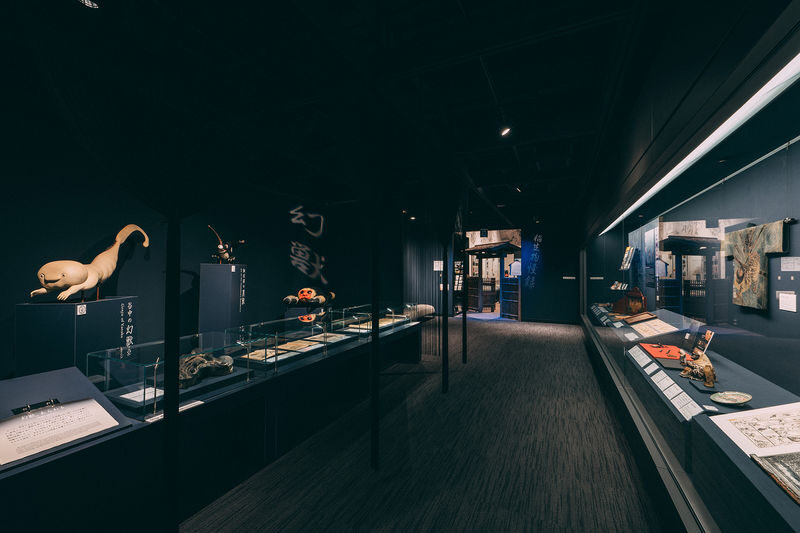
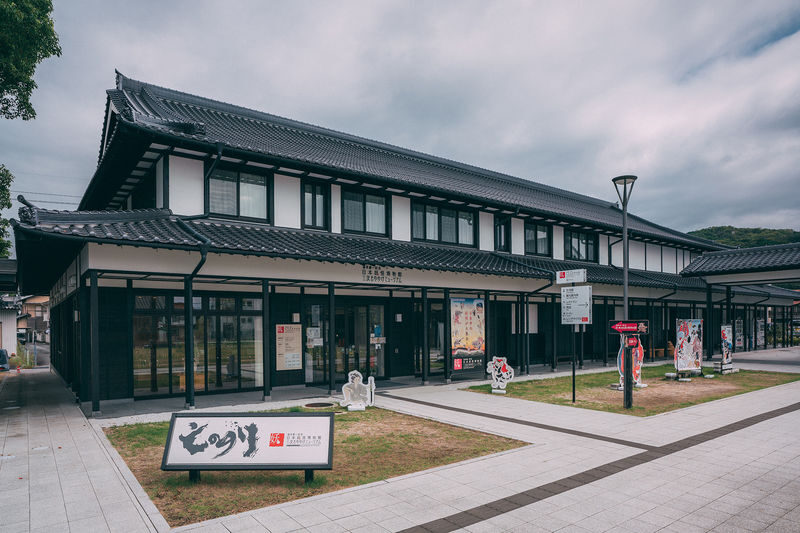
- More than 5,500 objects: The collection includes picture scrolls, colored woodblock prints, pottery and toys donated by folklorist and yokai researcher Koichi Yumoto.
- A rare local tale: Ino Mononoke Roku recounts the strange 30-day experiences of Heitaro Ino, a young samurai in 1749.
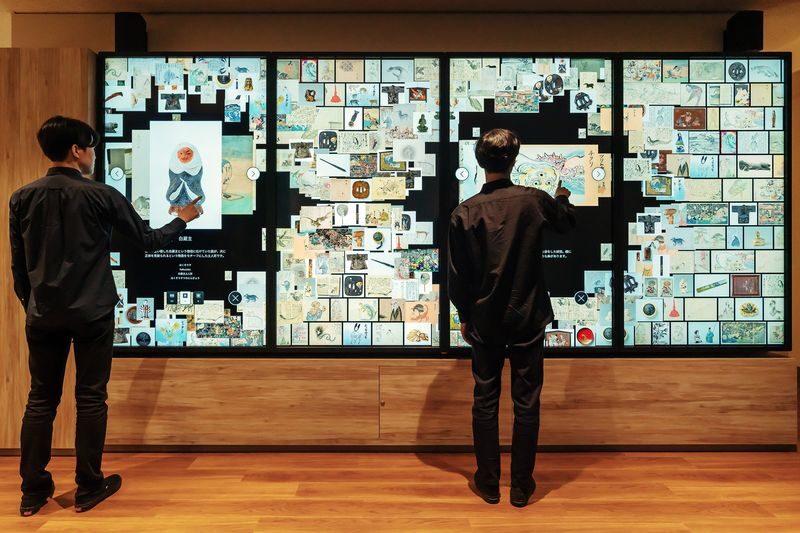
- Screens with stories: Touch images on the digital collection wall to bring up details about the yokai and the objects connected to them.
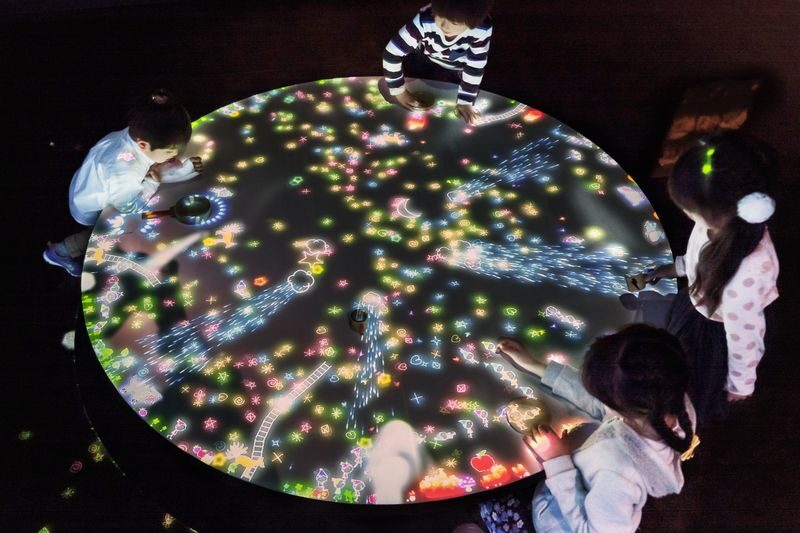
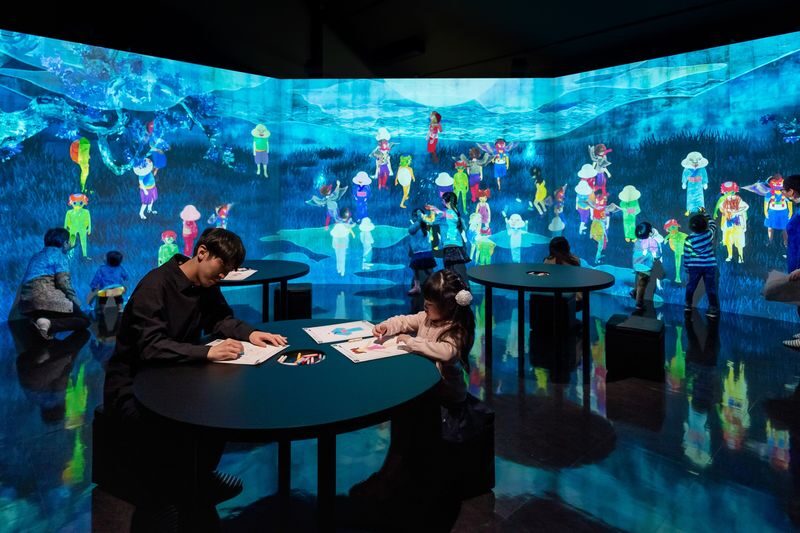
- Draw a yokai: In teamLab★Yokai Park, you can draw a creature and watch it appear and move around.
- A changing exhibition program: Permanent displays and rotating shows explore how yokai have shifted from figures of fear to familiar parts of Japanese culture.
- A manageable visit: Allow one to two hours, then consider stopping at the Miyoshi City Tourism Association next door for local grape souvenirs.

👉 See our pick of the 3 Best Tours In Miyoshi
A museum built around Japan’s supernatural world
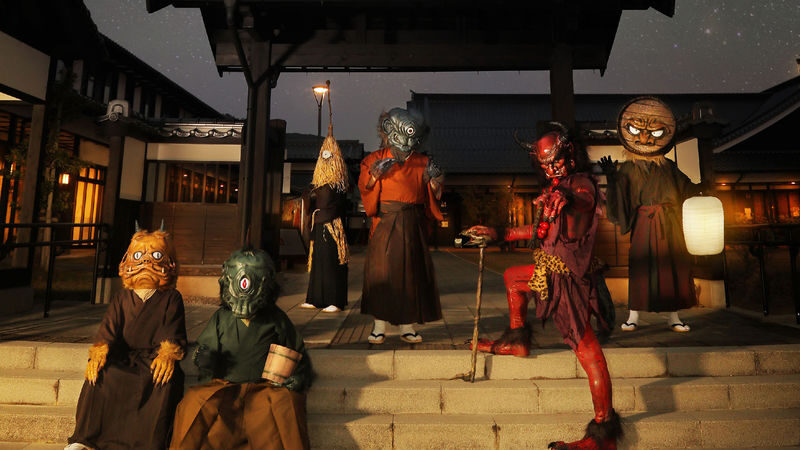
Yokai are supernatural beings that appear in Japanese folklore, art and popular culture. Some are frightening, some are mischievous, and others seem almost charming. Their stories often give shape to human fears of nature, unexplained events and the unknown.
Miyoshi is a fitting place to explore the subject. The museum includes Ino Mononoke Roku, a yokai tale set in the area, as well as objects from a large private collection donated by Koichi Yumoto. The museum is described as Japan’s first dedicated yokai museum, and its scale gives you more than a handful of familiar monsters. You can see how artists and craftspeople depicted these beings across different forms and periods.
That variety matters. A picture scroll asks you to follow a story across a sequence of images; a woodblock print presents yokai as designed characters; pottery and toys bring the supernatural into everyday objects. Together, the displays show how yokai are not limited to ghost stories. They have also been subjects of art, amusement and domestic life.
The museum’s focus is specific, but the themes are broad. You do not need to arrive as a folklore expert. The exhibitions offer ways into the subject through visual objects and interactive displays, so you can follow the details that catch your eye.
You can also read our reviews of more tours and experiences in Miyoshi.


Start with the collection, not just the monsters
The central draw is the collection of more than 5,500 yokai-related items. Among them are picture scrolls, colored woodblock prints, pottery and toys. That range gives you several ways to read the same subject: as a story, an image, a crafted object or a character designed to entertain.
I like that the collection can connect folklore to material culture. A yokai in a scroll may feel mysterious, while one on a toy or household object becomes familiar and approachable. The shift helps explain why these beings have remained in Japanese culture: they are flexible figures, able to carry fear, humor and everyday meaning at once.
You should not expect every item to explain itself at a glance. The pleasure is partly in looking closely at the forms and noticing how artists chose to represent supernatural creatures. The digital collection wall helps fill in context, allowing you to touch images on large screens and bring up information and stories. If you prefer to read every label, this feature can add useful detail. If you are visiting with children, it offers a more active way to engage with the collection.
The museum also periodically updates and replaces exhibits. That means the exact mix on display can change, so check the official calendar before making a special trip. It is a practical step, especially if you are visiting for a particular exhibition or the Ino Mononoke Roku display.
Follow the samurai’s 30-day encounter
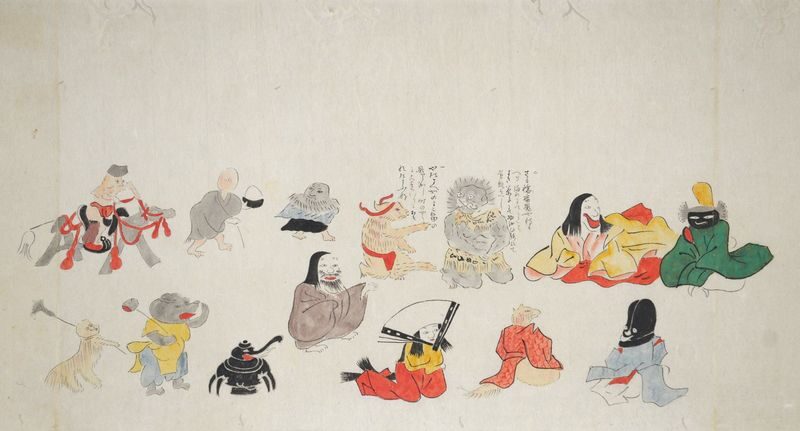
Ino Mononoke Roku is one of the most distinctive parts of the museum. This rare Edo-period picture scroll depicts the mysterious experiences of Heitaro Ino, a young samurai who encountered yokai over 30 days in 1749. The story is tied to Miyoshi, giving the museum’s subject a local anchor rather than presenting yokai as a distant collection of legends.
A scroll is an especially apt form for this story. Instead of seeing a single image, you follow a sequence, with the action unfolding across the work. That format invites you to look for changes and details, and it makes the episode feel like a record of events rather than a static monster portrait.
The scroll also gives context to the museum’s broader subject. Yokai can represent anxiety about strange happenings, but they can also become characters in an entertaining narrative. Heitaro’s encounters sit at that meeting point between the uncanny and the story people tell about it.
If this work is a priority, check the current exhibition information before you go. The museum rotates and prepares displays, and exhibit changes can bring temporary closures. The collection is broad, but no single object or room should be assumed to be on view every day.
Use the screens, then draw your own yokai
The digital collection wall offers a useful change of pace from looking at objects and prints. Touch an image on the large screens to reveal details and stories. It is a simple idea, but it makes the collection easier to explore at your own speed. You can focus on the figures that interest you without needing to follow one fixed route through the material.
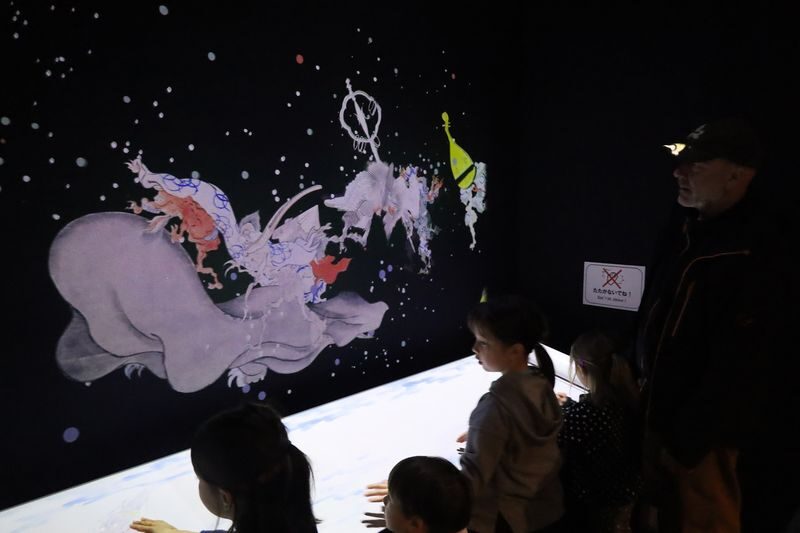
Then comes teamLab★Yokai Park, where you draw a yokai and watch it come to life and move around. This is the museum’s most hands-on feature, and it makes the subject tangible for children who may not be ready to spend long with historic scrolls. Adults can enjoy it too, especially after seeing how artists represented yokai in older works.
The contrast between historic objects and a contemporary interactive installation is part of the appeal. You move from preserved images and craft to a creature you have helped create. It also makes clear that yokai are not only relics of the past. They continue to be reimagined and shared through new forms.
The interactive exhibits do not replace the collection, and they are not the sole reason to visit. Their value is that they make a specialized topic approachable. If you want a quiet museum devoted only to traditional objects, the digital elements may feel less central to your interests. If you enjoy learning by doing, they add welcome variety.
Watch for the Tsukumogami exhibition
One special exhibition explores Tsukumogami, the yokai said to arise when household tools are abandoned and, in the exhibition’s telling, take on a supernatural life of their own. These beings appear in old picture scrolls as troublesome creatures, then develop into more playful characters by the Edo period.
There is a practical idea beneath the monsters: take care of your belongings. That gives the exhibition a modern point of connection, linking folklore with questions about waste and sustainability. Everyday tools become a way to think about how people treat the things they own.
The show is listed as a summer and autumn exhibition, but exhibition dates and admission fees can change. Check the museum’s official information for the current schedule and price before traveling. Special exhibitions may also affect the ticket cost, so the starting price is best treated as a guide, not a guaranteed total.


Plan one to two hours in Miyoshi
Most people can allow one to two hours for the museum. The shorter end of that range may suit you if you browse the main displays and try the interactive features. Give yourself longer if you like to read the stories, study the scrolls and prints, or spend time with the digital wall and drawing activity.
The museum is at 1691-4 Miyoshimachi, Miyoshi, Hiroshima. Directions provided for the museum describe a 10-minute bus ride from JR Miya Station or a 20-minute walk. Check the route and station details before setting out, and confirm current transport information locally if you are unfamiliar with the area.
Admission starts at about $6.30, with fees subject to change during special exhibitions. The price is modest for a museum that combines a substantial collection with interactive displays. Its value is strongest if you have an interest in Japanese folklore, art or local culture. If you are only looking for a quick general museum visit, the specialized subject may not hold your attention for as long.
High school and university students pay 600 yen, and elementary and junior high school students pay 300 yen. Preschool children enter free, as do visitors with qualifying disability certificates and one accompanying caregiver. University students should bring student identification.
The museum is open from 9:30 a.m. to 5 p.m. on Monday, Tuesday, Thursday, Friday, Saturday and Sunday, with last admission at 4:30 p.m. It is closed on Wednesdays and from December 27 through January 1, though hours and closures may change. Exhibition preparation can also affect access, so check the official calendar before you go.
The museum is wheelchair- and stroller-accessible. Two wheelchairs, one stroller and one walking cane are available at reception at no charge. Outside food and drinks are not allowed, flash photography is prohibited, and pets are not permitted except service animals with valid identification.
After your visit, the Miyoshi City Tourism Association next door is a handy stop for souvenirs made with local Miyoshi grapes. It is a simple way to connect the museum outing with a local product, without needing to build a separate shopping trip into your day.
Who will enjoy this visit most?
I would put this museum high on the list for anyone curious about Japanese folklore, illustrated art or the way old stories evolve. The mix of scrolls, prints, pottery and toys gives you more texture than a display of monster images alone. The local connection through Ino Mononoke Roku also makes the visit feel tied to Miyoshi.
Families have a good reason to consider it. The digital collection wall and teamLab★Yokai Park break up the looking and reading, and children can make a yokai of their own. The museum’s relatively compact visit time also makes it easier to fit into a day than a large institution with multiple long galleries.
This is a less obvious choice if your time in Hiroshima Prefecture is very short or you have little interest in folklore. The museum is in Miyoshi, so you need to account for the journey rather than treating it as a central Hiroshima attraction. The subject is focused, not broad, and the most rewarding visit comes when you are willing to spend time with the stories behind the objects.
Should you book Miyoshi Mononoke Museum?
Book it if yokai, Japanese art or unusual local museums appeal to you, or if you want an outing that mixes historic objects with hands-on exhibits. The rare Ino Mononoke Roku scroll, the large collection and the drawing activity make a balanced visit for adults and children alike.
Skip it if you cannot spare the time to reach Miyoshi or would rather see a wider range of subjects in one museum. Before you go, check the exhibition calendar, opening days and current admission fees. If the schedule lines up, plan one to two hours and leave a little time for grape souvenirs next door.
Yumoto Koichi Memorial JAPAN YOKAI MUSEUM (Miyoshi Mononoke Museum) in Hiroshima
“The museum boasts a rich collection of yokai (supernatural beings) artifacts and illustrated scrolls, and its interactive exhibits are incredibly e…”
FAQ
How long should I plan for the museum?
Allow about one to two hours. Your visit may take longer if you spend extra time with the collection, digital screens and interactive drawing activity.
Where is Miyoshi Mononoke Museum?
It is at 1691-4 Miyoshimachi, Miyoshi, Hiroshima 728-0021, Japan.
How do I get to the museum?
The directions provided describe a 10-minute bus ride from JR Miya Station or a 20-minute walk. Check current transport details before you travel.
What days is the museum open?
It is listed as open Monday, Tuesday, Thursday, Friday, Saturday and Sunday, from 9:30 a.m. to 5 p.m. Last admission is at 4:30 p.m. It is closed on Wednesdays and from December 27 through January 1. Hours and closure dates may change.
How much does admission cost?
Admission starts at about $6.30, but the fee may change during special exhibitions. High school and university students pay 600 yen, and elementary and junior high school students pay 300 yen. Preschool children enter free.
Is the museum accessible to wheelchair users and families with strollers?
Yes. The museum is wheelchair- and stroller-accessible. Wheelchairs and a stroller are available to borrow at reception at no charge.