Beppu’s hot springs are not just a place to soak: at Umi Jigoku and Kamado Jigoku, the heat itself is the show. This long day from Fukuoka pairs those geothermal sights with close-up animal encounters and time in Yufuin, so you get three very different sides of Oita in one outing.
I like the contrast between the steaming hell springs and the quiet mountain town, and I like that the safari park brings you close to large animals without requiring a separate trip from Fukuoka. The trade-off is a packed schedule: entry fees are extra, and the stops may feel short if you want to linger.
- At a glance: what makes this route appealing
- A full day out from Fukuoka
- Umi Jigoku: Beppu’s blue, steaming spring
- Kamado Jigoku: heat, steam and a quick second stop
- Kyushu Natural Zoological Park: the day’s animal encounter
- Yufuin: shops, sweets and a lakeside walk
- The Yufu no Mori train: a separate travel choice
- What the price covers, and what it does not
- Timing, comfort and who should book
- Should you book this Kyushu day tour?
- FAQ
- Where does the tour depart from?
- When does the tour return to Fukuoka?
- Which stops are included in the day?
- Are entrance fees included?
- Is the Yufu no Mori train included?
- What languages are available?
- Can children join the tour?
- Can I bring luggage?
- What happens if bad winter weather closes the safari park?
- The Best Of Oita!
- More Tours in Oita
- More Tour Reviews in Oita
- Not for you? Here's more nearby things to do in Oita we have reviewed
At a glance: what makes this route appealing
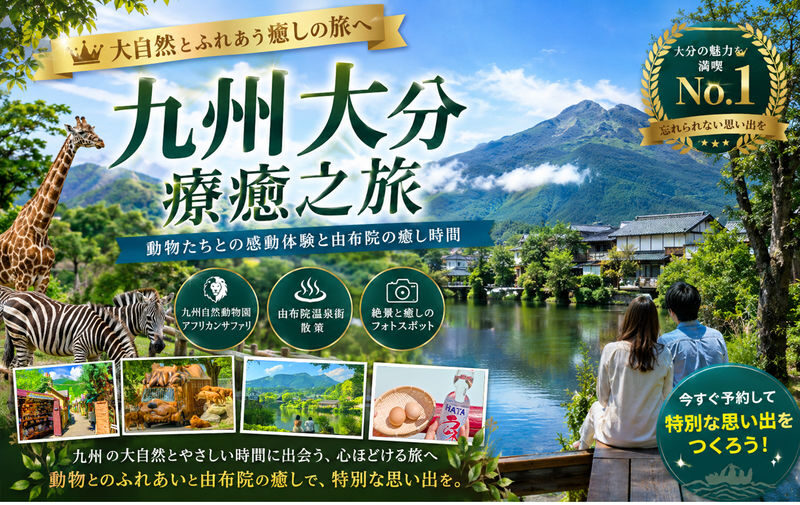



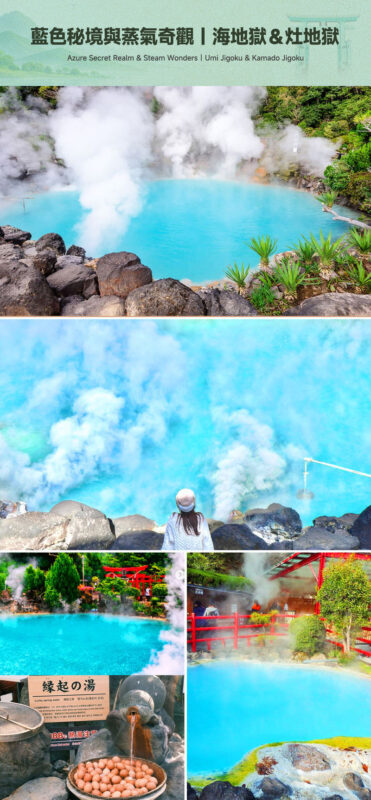
- Umi Jigoku’s blue hot spring gives you a striking look at Beppu’s geothermal force, with a 30-minute stop for a self-guided visit.
- Kamado Jigoku adds another kind of spectacle, with steaming, high-temperature springs and 35 minutes to explore.
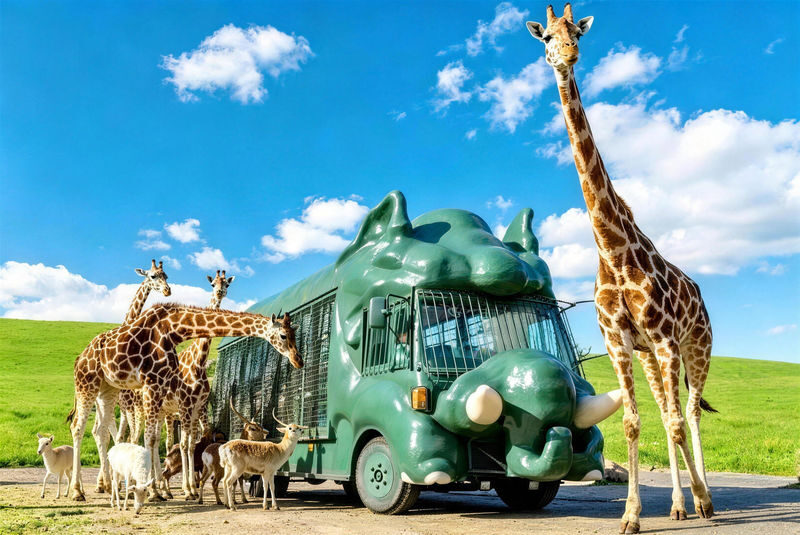
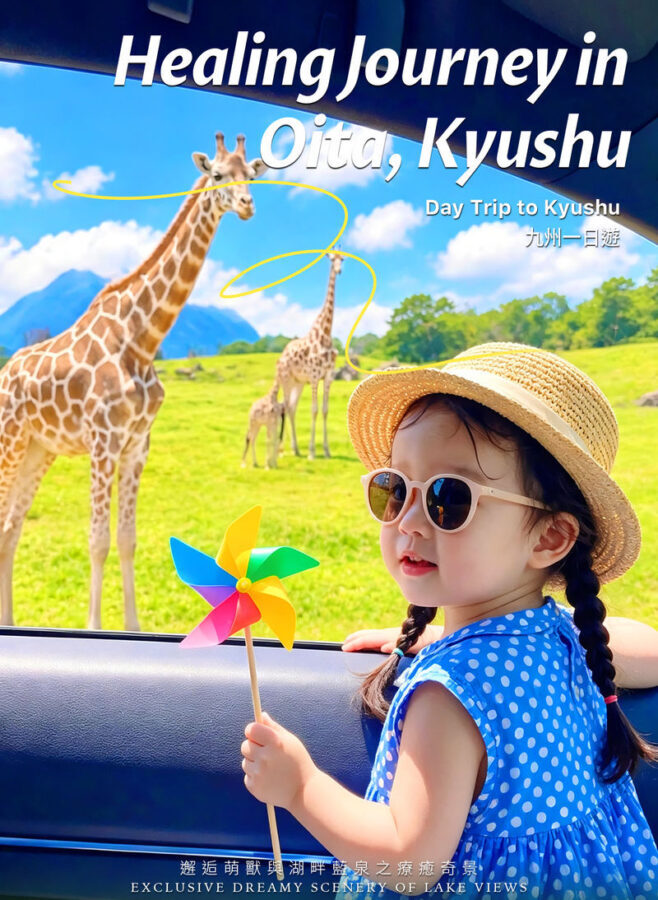
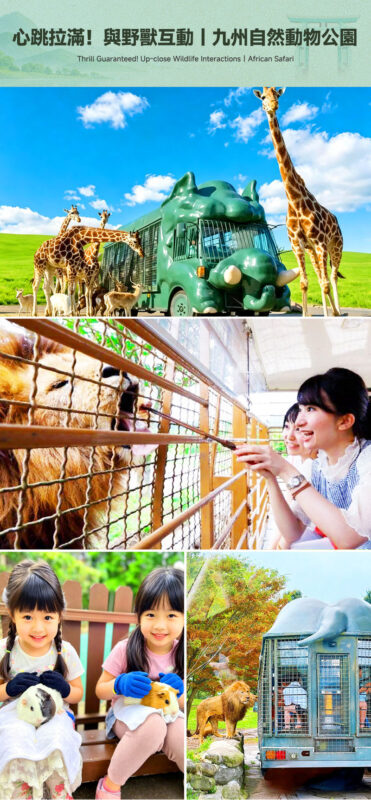
- Kyushu Natural Zoological Park is the animal highlight, with a chance to see wildlife up close. Admission and the park’s jungle bus cost extra.
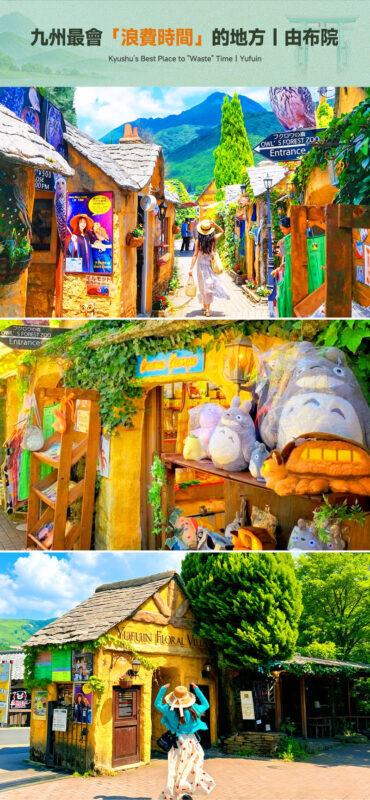
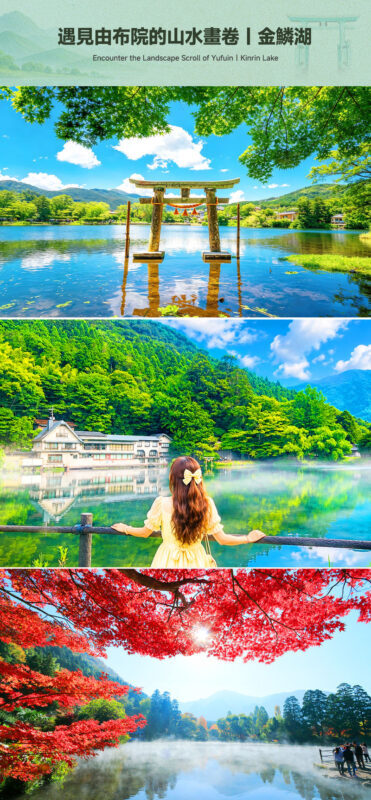
- Yufuin offers a gentler afternoon, with 2 hours and 20 minutes for shops, cafes and a walk toward Kinrin Lake.
- The Yufu no Mori train is optional, not part of the standard day tour. A package offers a next-day experience, with separate train costs.
- The long drive is handled for you, but traffic and weather can change the order, shorten stops or delay your return to Fukuoka.

👉 See our pick of the 3 Best Tours In Oita
A full day out from Fukuoka
The tour starts at 8:30 near Hakata Station, at the Lawson by Fukuoka Oriental Hotel. You need to arrive ten minutes early. The shared vehicle travels between Fukuoka, Beppu and Yufuin, with a guide and round-trip transfers included.
That transport is the practical heart of the tour. These sights are spread across Oita, and visiting all of them independently in one day takes planning and means handling the connections yourself. Here, you can sit back between stops, though you should be ready for a substantial amount of road time.
The group can range from one to 48 people, and the vehicle is chosen to suit the day’s numbers. You cannot select the vehicle, and you may share it with people booked under different language packages. The tour is offered with Chinese, Japanese or English-speaking guide options, with a separate package listing Chinese, English and Korean guidance alongside the train experience.
Guides make a real difference on a fast-moving route. Names associated with the tour include Huahua, Zhu Zhu, Summer, Thomas and Kang Chun-hwa. Assignments vary, so you cannot book a particular guide. You can, however, expect practical directions and explanations, with some guides also sharing food suggestions and helping with family photos.
You can also read our reviews of more tours and experiences in Oita.


Umi Jigoku: Beppu’s blue, steaming spring
The first main stop is Umi Jigoku, or Sea Hell, scheduled for 10:30. Beppu has an enormous amount of hot spring water, and its hells are geothermal sights rather than bathing pools. Umi Jigoku’s porcelain-blue water is the image most likely to stick with you.
You get about 30 minutes to explore on your own. That is enough for a look around and photos, but not a slow visit. The spring can be especially atmospheric in mist or rain, when steam and weather soften the view. The tour charges 500 yen per person for admission, so keep cash handy.
If you like geothermal sights, this is a worthwhile first stop. If you prefer a long visit at each attraction, keep your expectations in check. The schedule gives you a taste of the place, not time for an unhurried wander.
Kamado Jigoku: heat, steam and a quick second stop
At 11:15, the group moves to Kamado Jigoku, or Cooking Pot Hell. Springs in the Beppu area can reach temperatures of up to 90 degrees Celsius, and the name hell reflects the intensity of the heat and the force of the steam.
The stop is 35 minutes, self-guided, and admission is another 500 yen per person. Since you visit two hells back to back, their similarities are worth considering. Both show Beppu’s geothermal activity, and some visitors may feel the second site adds less than the first. Others will enjoy seeing another setting and getting a closer sense of how many hot springs shape the area.
I would use the time to take in the steam and the setting rather than hurry through for a checklist. The pace is brisk, though, and you may need to choose which details matter most to you.
Kyushu Natural Zoological Park: the day’s animal encounter
The schedule allows 90 minutes at Kyushu Natural Zoological Park, arriving around 12:25. The park is a safari-style stop, with animals including lions, giraffes and tigers. It is a strong choice for families and anyone who would rather see animals than spend the afternoon in another town.
The zoo admission fee is listed as 2,600 yen, with a separate 1,300 yen fee for the jungle bus. Neither is included in the tour price. The tour information describes a jungle bus as a way to feed animals at close range, but some tour groups have also entered the safari area in their own vehicle. Confirm what applies to your departure before budgeting for the bus or assuming it is included.
Ninety minutes goes quickly. The time may include the safari drive, leaving less time for the smaller-animal area or petting zoo. If you are visiting with children, decide beforehand whether the main priority is the large animals or hands-on time with smaller ones. The park can warrant a longer visit, but the schedule has another destination to fit in.
In winter, extreme weather may close the safari park without advance notice. If that happens, the itinerary changes to Umitamago Aquarium. Admission is extra: 2,600 yen for adults aged 16 and over, 1,300 yen for ages 7 to 15, and 850 yen for children aged 4 to 6. Children aged 3 and under enter free.
Yufuin: shops, sweets and a lakeside walk
The afternoon is set aside for Yufuin, with about 2 hours and 20 minutes from 14:30. This mountain town offers a welcome change of pace after the springs and safari. You can browse Yunotsubo Street, stop for a dessert or cafe, and walk toward Kinrin Lake.
Kinrin Lake is known for its misty, dreamlike appearance, but the view depends on conditions. In rain, the atmosphere may feel especially soft; on another day, it may seem less remarkable than the town’s shops. Yufuin Floral Village is another possible stop, as are cafes with foot baths. With limited free time, you probably cannot do everything, so choose between browsing, eating a sit-down meal and walking to the lake.
The town can be crowded, especially on weekends and holidays, and traffic may affect the schedule. Think of this as a short introduction to Yufuin, not a leisurely day there. Local food suggestions can help you make the most of the stop, but leave room for a queue if you have a particular treat in mind.


The Yufu no Mori train: a separate travel choice
The Yufu no Mori is a popular sightseeing train between Hakata and Yufuin, with a green exterior and a retro forest feel. It is an optional extra rather than part of the standard tour, and the train experience is not included in the listed price. One package combines the day tour with a train experience on the following day.
The return timetable given for that option lists a departure from Yufuin at 15:56, arriving in Fukuoka at 18:10, or a later train at 17:17, arriving at 19:28. The earlier service is replaced by the Yufu Express from July 30 to September 30. Check the package details and train availability before treating this as a guaranteed part of your plan.
There is a practical choice here. The train adds a scenic rail journey, while the coach tour keeps your day’s transfers together. One family found the bus more useful for travelling with luggage. If you want both the train and this day tour, plan around the next-day option rather than assuming you can catch the train after the group’s afternoon in Yufuin.
What the price covers, and what it does not
The tour starts at $44.25, a low entry price for a day that connects Fukuoka with Beppu and Yufuin. It covers round-trip transport from the meeting point and a Chinese- or Japanese-speaking guide, with English and Korean options listed separately. For people who value an arranged route more than independent time at each stop, that can be good value.
The add-on costs change the real total. If you pay for admission to both hells, zoo entry and the jungle bus, the listed fees add up to 4,900 yen per person: 500 yen for each hell, 2,600 yen for the zoo and 1,300 yen for the bus. Meals, drinks and personal spending are extra. The train is also separate.
Check which zoo transportation is planned for your tour before adding the jungle bus fee to your budget. If your group’s vehicle enters the safari area, the experience may differ from using the park’s bus. The supplied information does not say that every departure follows the same arrangement.
Timing, comfort and who should book
The day is scheduled to return to the Lawson near Fukuoka Oriental Hotel between 18:45 and 19:15. That is an estimate, not a promise. The drive is long, and traffic, weather or vehicle-hour rules can lead the guide to change the order or reduce time at a stop. Avoid booking an evening activity that depends on arriving back on time.
The tour suits you if you are staying in Fukuoka, want to see several Oita sights in one day and are comfortable following a group schedule. It is especially appealing for families who want a safari-style animal visit without arranging transport themselves, and for first-time visitors who want a guided overview of Beppu and Yufuin.
It is less suitable if you want a slow day, extended time at the zoo or freedom to leave the group when you choose. This is a shared tour, and leaving midway means giving up the rest of the itinerary without a refund. There are no child seats. Children aged 3 and over pay the adult rate; children aged 0 to 2 can join free if they do not use a seat, but must still be included in the passenger count. Infants need to be noted when booking.
You may bring one piece of luggage per person, ideally carry-on size, but you must request this at least one day ahead. People aged 70 or older and pregnant participants must arrange a signed waiver in advance. Seasonal sights such as cherry blossoms are weather dependent, and there is no refund simply because the scenery is not as hoped.
Should you book this Kyushu day tour?
Book it if you want a convenient, varied day outside Fukuoka and can accept short visits, extra admission costs and a potentially late return. The strongest combination is the contrast: vivid hot springs, a proper safari-style stop and Yufuin’s cafes and shops, all without organizing each transfer yourself.
Skip it if you want to linger, especially at the zoo, or if the Yufu no Mori train is your main goal. In that case, check the separate train package and timetable carefully. For most people with one free day and a taste for both animals and hot spring scenery, this route is a practical way to see a lot of Oita, provided you budget beyond the headline fare.
Kyushu Oita Healing Journey: Optional Yufu no Mori experience, Yufuin & Kyushu Natural Zoological Park & Umi Jigoku & Kamado Jigoku
“Tour guide Huahua is amazing! The explanations were clear and very patient, and the switch between Mandarin and Korean was seamless. It was a wonde…”
FAQ
Where does the tour depart from?
It meets at the Lawson by Fukuoka Oriental Hotel, near Hakata Station. The scheduled departure is 8:30, and you should arrive ten minutes early.
When does the tour return to Fukuoka?
The estimated arrival window is 18:45 to 19:15 at 4-23 Hakataekichuogai, Hakata Ward. Traffic and weather can delay the return.
Which stops are included in the day?
The planned stops are Umi Jigoku, Kamado Jigoku, Kyushu Natural Zoological Park and Yufuin, including time to visit Kinrin Lake.
Are entrance fees included?
No. Umi Jigoku admission is listed at 500 yen per person, Kamado Jigoku at 500 yen, zoo admission at 2,600 yen and the zoo jungle bus at 1,300 yen.
Is the Yufu no Mori train included?
No. The train is a separate, optional experience. A package lists a Yufu no Mori experience on the next day, and the train cost is not included.
What languages are available?
Packages are listed with Chinese, Japanese or English-speaking guide options. A separate option lists Chinese, English and Korean guidance with the next-day Yufu no Mori experience.
Can children join the tour?
Children aged 3 and older are charged the adult rate. Children aged 0 to 2 can join free if they do not occupy a separate seat, but they must be included in the passenger count. Child seats are not available.
Can I bring luggage?
Each person may bring one piece of luggage, with carry-on size recommended. You must note it in your booking at least one day before departure.
What happens if bad winter weather closes the safari park?
The itinerary may change to Umitamago Aquarium. Aquarium admission is extra, with prices listed by age group, and the order of stops may also change according to road conditions.