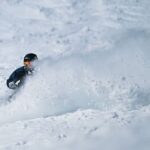
Ginzan Onsen’s wooden inns, Zao’s ice-covered trees and a snowbound Mogami River make an ambitious pair of winter days. This tour links those very different sights from Tokyo, with a hot spring hotel stay between them, so you can see a lot of Yamagata without planning several transfers yourself.
I like the contrast between Ginzan’s old-fashioned hot spring town and the huge, wintry forms at Zao. I also like that the package combines the ropeway and river boat with an overnight stay and, in the meal-included option, dinner and breakfast.
The trade-off is time: the trip begins early, involves a long journey from Tokyo, and gives you limited time at some stops. Winter weather can also cancel the ropeway or boat, and the current timed itinerary does not include Fox Village, despite its mention in the overview.
- What to know before you book
- From Tokyo to Yamagata, with a long road ahead
- Takahata Winery: a brief taste of Yamagata
- Ginzan Onsen: a glimpse of a snowy hot spring town
- A hot spring hotel, dinner and breakfast
- Zao’s snow monsters from the ropeway
- The Mogami River by traditional boat
- Is the price good value?
- Who should take this Yamagata winter tour?
- Should you book?
- FAQ
- Where does the tour depart from?
- Are dinner and breakfast included?
- Is Fox Village part of this tour?
- What happens if the Zao ropeway is closed?
- What happens if the Mogami River boat cannot operate?
- What should I bring?
- More Tours in Yamagata
- More Tour Reviews in Yamagata
- Not for you? Here's more nearby things to do in Yamagata we have reviewed
What to know before you book
- Ginzan Onsen gets a short stop: Allow about an hour, with shuttle buses to and from the hot spring town. That is enough for a look around, but may feel brief if you want a slow soak or to linger for the evening lights.
- Takahata Winery is a 30-minute visit: The schedule specifies red wine and grape juice. The broader tour description also mentions sake, so check what tasting is planned for your departure date.
- Zao’s ropeway ride is weather-dependent: You have about two hours at the ropeway, including time to explore on your own. Bad conditions can mean a changed plan or a refund.
- The Mogami River boat ride lasts about 50 minutes: It offers a close view of the snowy riverbanks, but weather can prevent the cruise from running.
- The hotel package matters: The advertised starting price is from US$244.80, while the meal-included package is listed from US$286.80. Check the exact option before booking.
- Guide and group experience can vary: English- and Chinese-speaking guides are included. Past departures have had guides such as Ma and Patrick Wang, but guide assignments are not guaranteed.
From Tokyo to Yamagata, with a long road ahead
The tour leaves from the Family Mart Ikebukuro Green Avenue Store in Tokyo at 7:30 a.m. You need to arrive by 7:10 a.m. and look for the guide holding a Klook sign. The return is scheduled for 7:30 to 8:30 p.m. the following day, so this is a two-day outing with a substantial amount of transport at both ends.
That journey is the price of reaching several far-flung Yamagata sights in one go. One February departure described the ride to Yamagata as about four hours, with short breaks along the way. Expect a long day in the vehicle, and bring something warm and comfortable for the ride. A past departure found its bus cramped, while other groups had a new, comfortable coach, so vehicle size and comfort may vary.
The guide is an important part of the experience. The tour includes English- or Chinese-language guiding, and past guides named Ma and Patrick Wang were praised for clear explanations and attentive group management. Those names are examples, not a promise of who will lead your trip. The schedule is full, so a guide who keeps everyone informed and on time can make the difference between a smooth day and a muddled one.
You can also read our reviews of more tours and experiences in Yamagata.

Takahata Winery: a brief taste of Yamagata
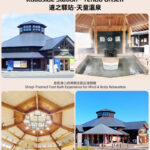
At about 1 p.m. on the first day, the group stops at Takahata Winery for roughly 30 minutes. The visit is self-guided, with red wine and grape juice listed as options. Non-drinkers can sample the grape juice, and there is a chance to look at local products.
Half an hour is a quick stop rather than a full winery tour. Treat it as a pleasant introduction, not a long tasting session or an in-depth lesson in winemaking. There is a detail worth checking before you go: the general tour description refers to sake culture and sake tasting, but the timed schedule names a winery and describes red wine and grape juice. If a particular drink or tasting experience matters to you, confirm what is planned for your date.
The winery is closed on Wednesdays and from December 29 through January 3. If it is shut, the operator says the itinerary will be adjusted. That may change the balance of the first day, so don’t build your plans around this stop being guaranteed.
Lunch is at about 11:40 a.m. and lasts an hour. It is at your own expense, with time to buy Yamagata products or find something to eat. Bring some flexibility: the schedule can shift with road conditions and weather.
Ginzan Onsen: a glimpse of a snowy hot spring town
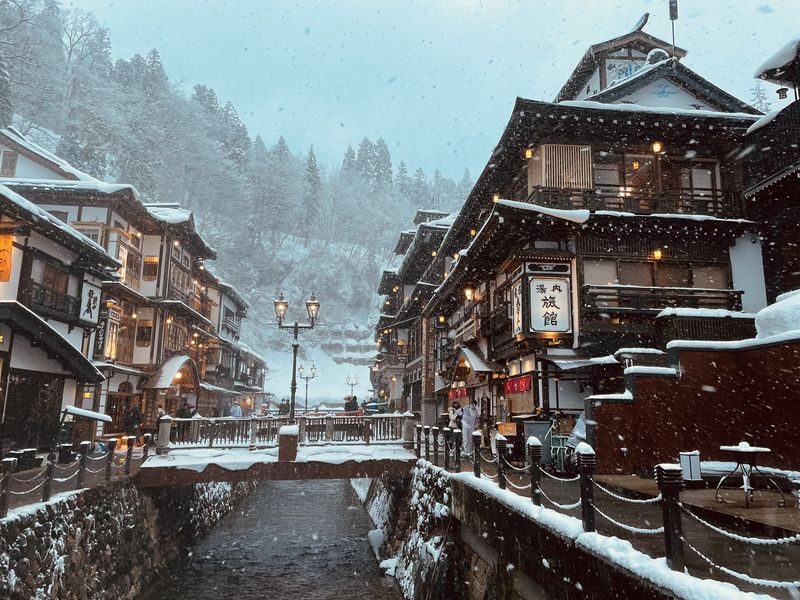
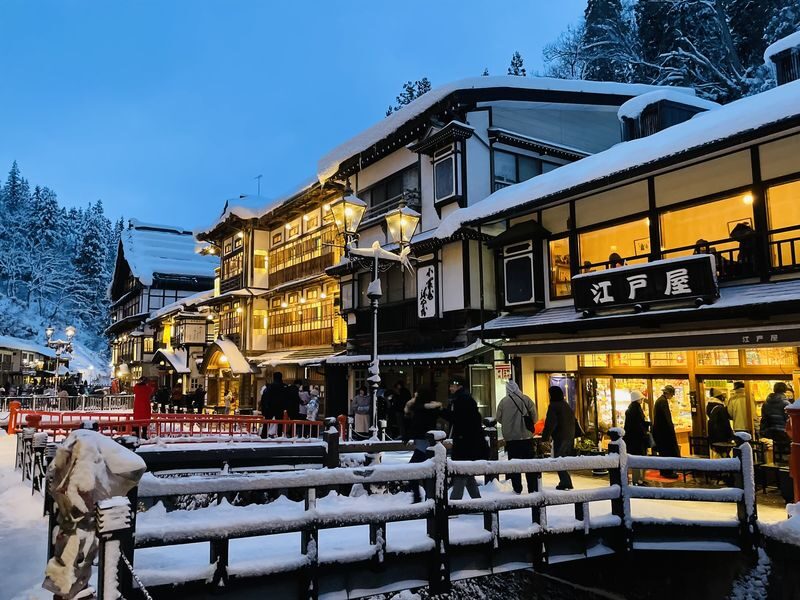
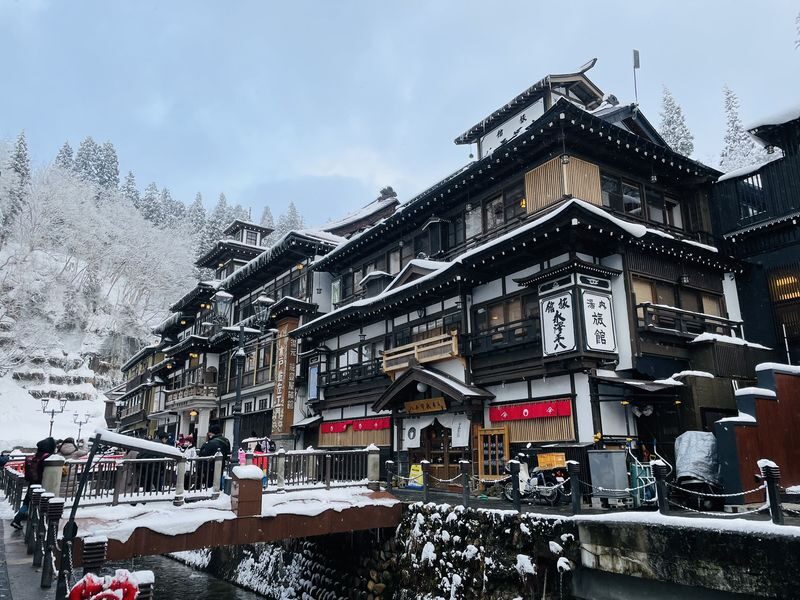
Ginzan Onsen is the visual centerpiece for many people: a compact street of traditional wooden buildings, with hot spring steam and, in winter, snow. The stop is scheduled for about 3 p.m. and lasts an hour, with shuttle buses to and from the town. Confirm the shuttle arrangements with your guide on the day.
That hour is useful for a first look and a few photographs, but it is not much time to explore at a leisurely pace. One past participant wished for another half hour to see more of the town after its lights came on. If you want a long soak, a slow dinner in town or an unhurried evening stroll, this schedule may disappoint. The overnight stay is at a hotel, not necessarily at Ginzan Onsen itself.
The snow can make the town feel especially atmospheric, but winter conditions are unpredictable. A past departure found little to see at Ginzan, while another described beautiful snowfall. Pack warm layers and sensible footwear, and be ready to enjoy the place as it looks on your particular day rather than expecting a postcard scene on demand.
A hot spring hotel, dinner and breakfast
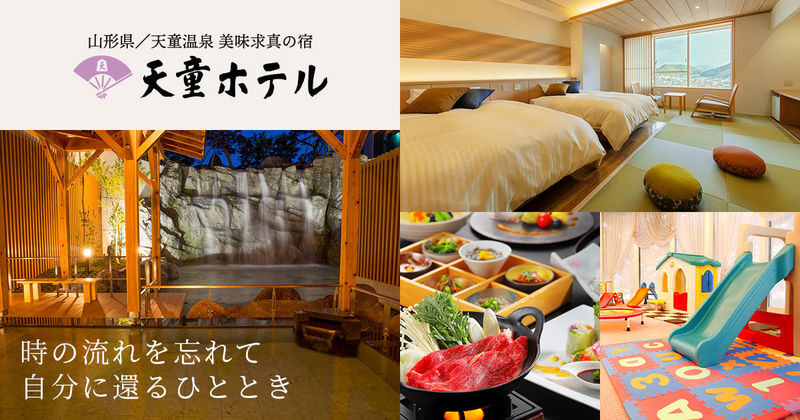
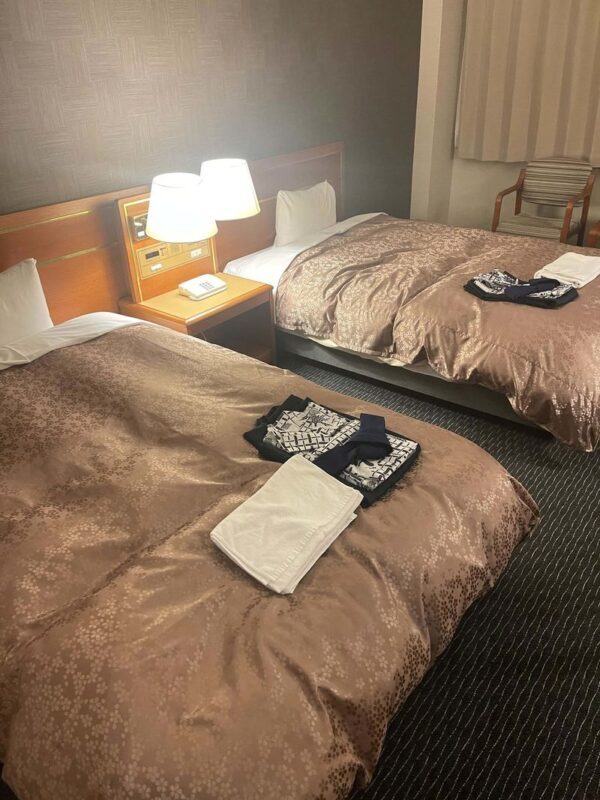
Accommodation is scheduled for about 5:30 p.m. on the first day, with departure at 8:30 the next morning. The tour offers different hotel options, from business hotels to higher-end hot spring ryokans, and the hotel may be replaced by another nearby property if it is fully booked. Check the package details carefully to understand which accommodation level you are selecting.
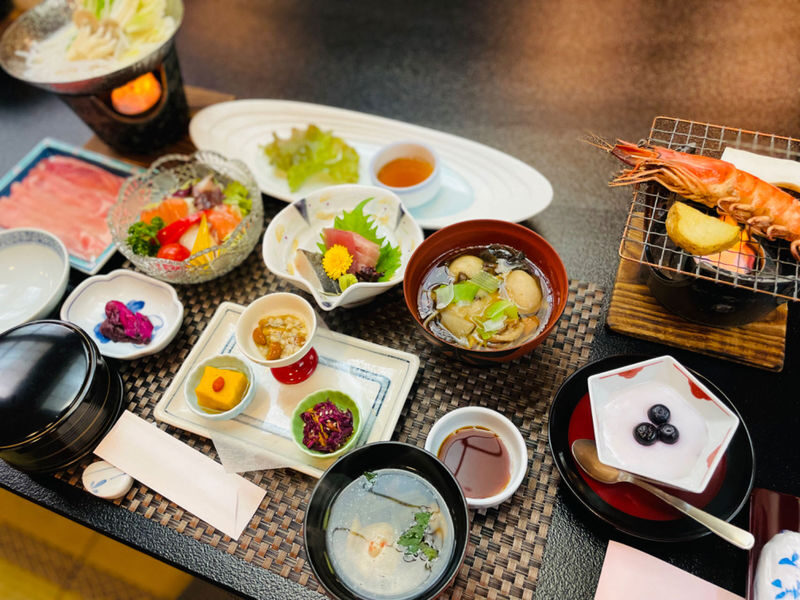
The meal-included option covers dinner and breakfast. Past departures described the meals as generous, and some reported comfortable, spacious rooms. Those details suggest the overnight stay can be more than a place to sleep: it gives you a chance to rest and enjoy a hot spring hotel after a busy day. Still, room size and meal style can vary by property, and the menu may change with the season and available ingredients.
The package wording promises a hot spring hotel, but the supplied details do not spell out every bathing arrangement. If access to a particular bath or facility is essential, ask the operator before booking. The tour’s schedule leaves a short evening window, so plan for a quiet hotel night rather than a late, independent visit to Ginzan.
Zao’s snow monsters from the ropeway
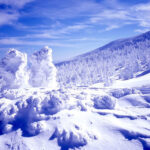
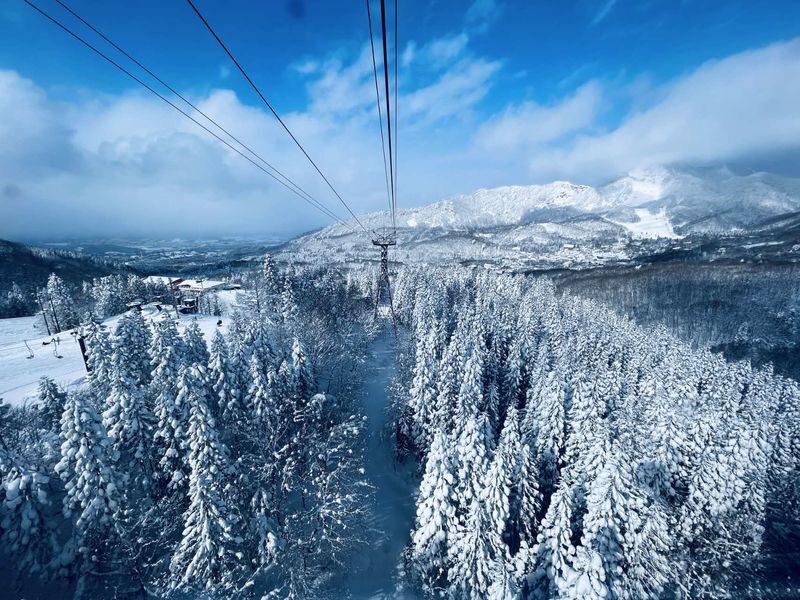
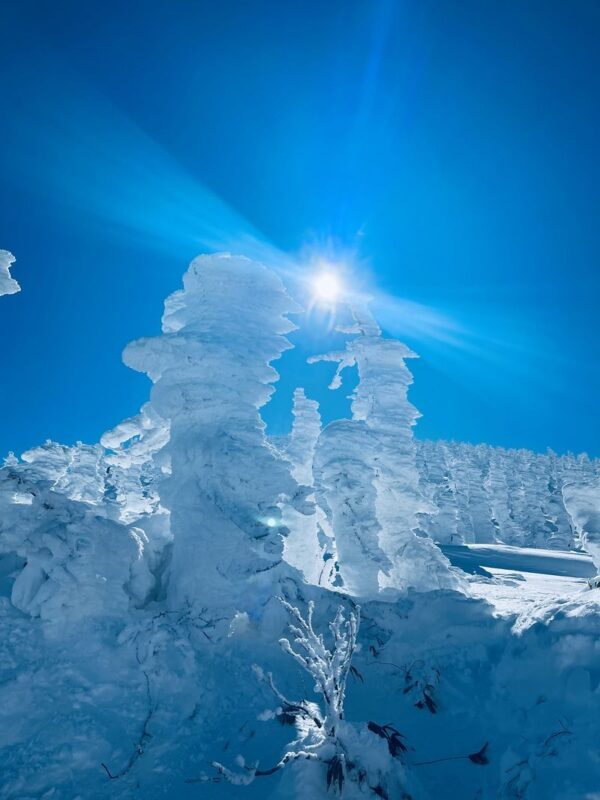
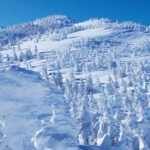
On day two, the group reaches the Zao Chuo Central Gondola around 9:30 a.m. You have about two hours at the ropeway and are free to explore on your own. The ride takes you toward the high mountain scenery where trees coated in snow and ice can form striking, bulky shapes known as snow monsters.
This is the tour’s most weather-sensitive stop. Heavy snow or other conditions can prevent the ropeway from operating. In that case, the operator may substitute another attraction or refund the stated ropeway amount, listed as either 1,800 yen in the additional information or 2,000 yen in the itinerary. Since the details differ, confirm the applicable amount and policy with the operator if the ropeway is central to your decision.
The two-hour window also includes time for lunch at your own expense. That means you will need to keep an eye on the clock, especially if queues or weather slow things down. The schedule mentions skiing or snow hiking as possible activities, but does not include equipment or specify that either is part of the tour. Think of the ropeway as the included visit, with extra winter activities depending on what is available and how much time you have.
Warm clothing is essential, and sunglasses and a raincoat or poncho are recommended. Snow glare, wind and changing conditions can make the mountain feel much colder than the city. If you are hoping for clear views of the snow monsters, remember that visibility is weather-dependent.



The Mogami River by traditional boat
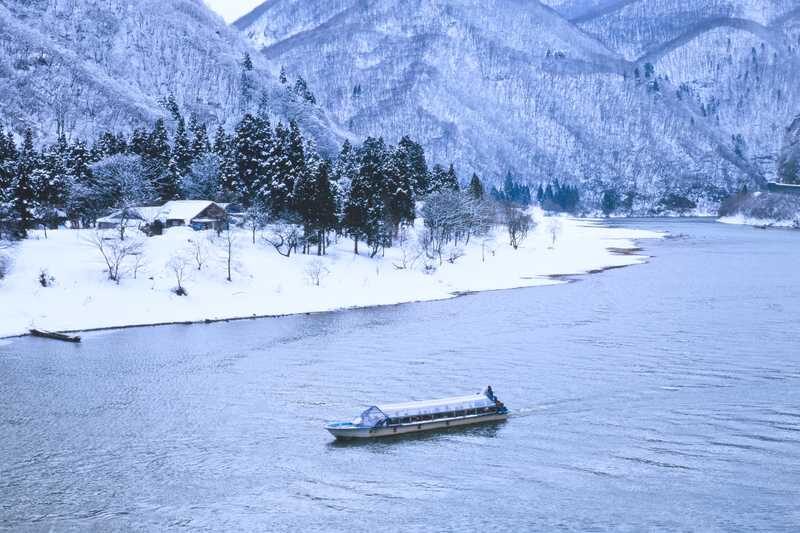
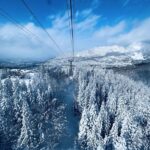
At about 2 p.m., the group reaches the Mogami River San-Nansho boat landing for a ride of roughly 50 minutes. The boat follows a section of river known for its three challenging passages. In winter, the draw is the contrast between the water, snowy banks and mountain slopes, with mist sometimes rising above the river.
This is a quieter counterpoint to the mountain ropeway. Instead of looking down from above, you travel at river level and watch the banks pass slowly. That pace can be a welcome pause after the early start and busy schedule. But it is still an outdoor winter activity, so wrap up well and expect cold air on the water.
Bad weather or other force majeure conditions may cancel the boat. The operator may substitute another stop or refund 1,500 yen per person. This is a clear example of the tour’s central compromise: you get access to memorable winter sights without arranging each transfer yourself, but you cannot control the conditions that make those sights possible.
Is the price good value?
The price is shown from US$244.80, while the named hot spring hotel package with two meals is listed from US$286.80. Prices depend on the package, so compare the exact option rather than assuming the lowest advertised fare includes the same hotel and meals. The tour includes round-trip transport from the meeting point, an English- or Chinese-speaking guide, the Zao ropeway round-trip ticket and the Mogami River boat ticket. Lunch and personal expenses are extra.
For someone trying to visit Ginzan, Zao and the Mogami River independently from Tokyo in two days, the bundled transport and overnight stay can be valuable. You avoid arranging several regional connections and can fit the main sights into one trip. The hotel dinner and breakfast add practical value if they are included in the option you choose.
The value is less compelling if you want long visits at each stop or the freedom to change plans. Ginzan’s one-hour window is brief, the winery stop is only 30 minutes, and the group must keep to a shared schedule. A past departure also found the return journey rushed after a long ride back. The tour works best when you value coverage and convenience over lingering.
One important booking check: Fox Village appears in the tour overview, but it is absent from the timed two-day itinerary supplied here. Past departures under related package names did include Fox Village, but that does not confirm it is part of this version. Ask the operator directly before booking if a fox visit is a must-have.
Who should take this Yamagata winter tour?
I’d consider this trip if you have two days, want to see several headline winter sights, and prefer arranged transport over coordinating rural connections yourself. It also suits people who like a mix of old hot spring-town architecture, mountain scenery and a river journey, with a hotel night between long travel days.
It is less suited to anyone who dislikes cold weather, long bus rides or tightly timed stops. Children must be at least three years old, and the operator does not recommend the tour for children under three because of the cold. Older people and families may appreciate the guide’s help, but the early start, winter walking and packed schedule still call for realistic expectations.
Should you book?
Book this tour if the combination of Ginzan Onsen, Zao and the Mogami River appeals more than having lots of free time at one place. The best case is a clear, snowy two days, a comfortable hotel and a guide who keeps the group organized. The less ideal case is poor weather, a changed attraction and a long ride home.
Before paying, confirm which hotel and meal package you are choosing, whether Fox Village is included on your date, and what tasting is planned at Takahata Winery. Bring warm supplies, arrive at Ikebukuro by 7:10 a.m., and treat the schedule as a brisk sampler of Yamagata rather than a slow winter retreat.
Ginzan Onsen + Yamagata Winery + Zao Ropeway + Mogami River Snow Viewing Boat 2-Day Tour (Hot spring hotel with 2 meals)
“The train ride from Tokyo to Yamagata is four hours, but there are short breaks in between, so it's not too tiring. The tour guide, Mr. Ma, did an…”
FAQ
Where does the tour depart from?
It departs from the Family Mart Ikebukuro Green Avenue Store in Tokyo. The scheduled departure is 7:30 a.m., and you should arrive 20 minutes early, by 7:10 a.m.
Are dinner and breakfast included?
They are included in the package described as the hot spring hotel option with two meals. Check that this is the specific package you select, since the displayed starting price and meal-included price differ.
Is Fox Village part of this tour?
Fox Village appears in the overview, but it is not listed in the timed itinerary provided for this two-day tour. Confirm directly with the operator before booking if you want to visit it.
What happens if the Zao ropeway is closed?
The operator may arrange an alternative attraction or refund the stated ropeway amount. The supplied details list different refund amounts, so confirm the current policy with the operator.
What happens if the Mogami River boat cannot operate?
The tour may switch to another attraction or refund 1,500 yen per person if bad weather or another force majeure condition prevents the cruise.
What should I bring?
Bring warm supplies, sunglasses and a raincoat or poncho, and dress for the day’s weather. The tour takes place in cold winter conditions, especially at the outdoor mountain and river stops.