Sakitsu is a small fishing village where Japan’s hidden Christian story meets everyday coastal life. This full-day trip from Kumamoto pairs that quiet, significant place with churches, local museums and a long sweep of sea views.
I like two things here: a local guide helps explain history that is easy to miss on your own, and the bus makes a far-flung region practical without a rental car. The peaceful village and modest museums give the day a human scale, not a theme-park feel.
The trade-off is the distance. Expect roughly five hours of round-trip bus travel, and much of the guiding is in Japanese, though guides have used translation apps, English explanations and printed cards to help.
- What makes this Amakusa day trip worth considering
- The long road from Kumamoto to Amakusa
- Sakitsu village and the hidden Christian story
- Churches, archives and the places between
- A roadside stop with scarecrows
- Lunch and the unhurried pace
- What the guide adds, and what language support can do
- Price, value and who should book
- Practical details before you go
- Should you book the Sakitsu day tour?
- FAQ
- How long is the bus ride from Kumamoto to Amakusa?
- Is the tour conducted in English?
- What places can the tour visit?
- Is lunch included in the price?
- Is this tour suitable if I do not drive?
- What is the starting price?
- What happens if I cancel or miss the bus?
- The Best Of Kumamoto!
- More Historical Tours in Kumamoto
- More Tours in Kumamoto
- More Tour Reviews in Kumamoto
- Not for you? Here's more nearby things to do in Kumamoto we have reviewed
What makes this Amakusa day trip worth considering
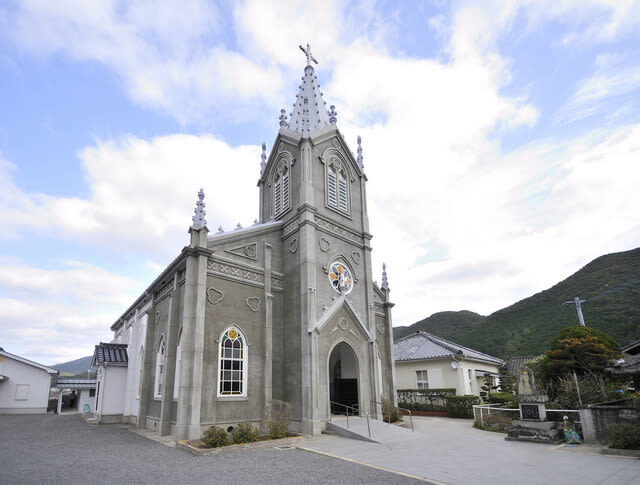
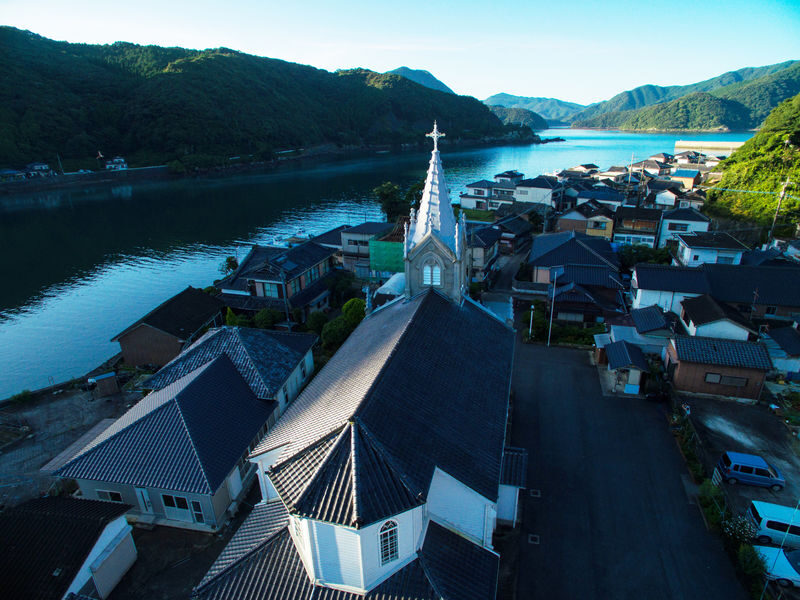
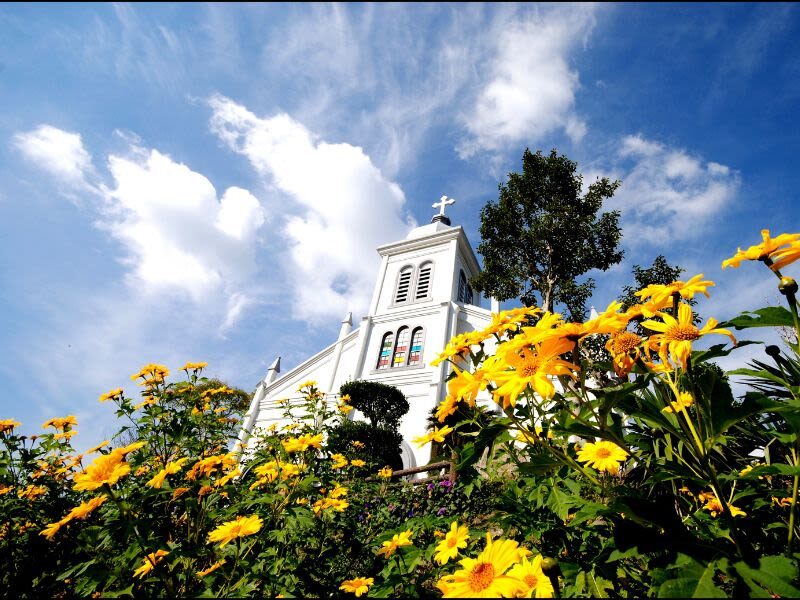
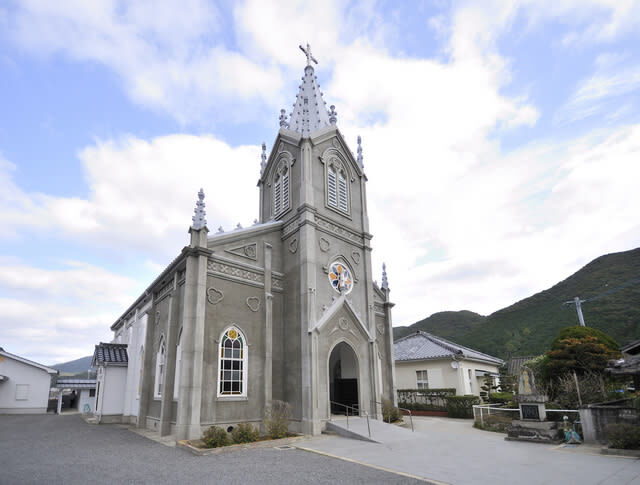
- Sakitsu’s hidden Christian history: Learn how local Catholics maintained their faith when Christianity was banned in Japan.
- A small fishing village, not a grand monument: Sakitsu offers a close look at village life and the ways faith fit into it.
- Coastal scenery along the way: The long ride is part of the day, with sea and mountain views from the bus.
- Churches and local museums: The route can include more than one church and several small museums or archives.
- A local guide, with language support that varies: Guides explain the area in Japanese and may use a translation app, simple English, or printed materials.
- A practical option for non-drivers: The organized transport links Kumamoto with Amakusa, where attractions are spread out.

👉 See our pick of the 9 Best Tours In Kumamoto
The long road from Kumamoto to Amakusa
The journey is a major part of this tour, not a quick transfer. The bus ride to Hondo, Amakusa’s main urban area, is commonly around two and a half hours each way. Some accounts describe the round trip as about five hours, and others put the outbound ride closer to two hours and forty minutes. Build a full day around it.
That time can feel like a bargain or a burden, depending on how you travel. If you enjoy watching rural Japan pass by, the road brings sea views and glimpses of mountain country. If you want a packed schedule with little time in transit, this is the wrong excursion.
A rest stop has been part of the journey on some departures. Bring a book, download a few things to watch, or simply keep your eyes on the coast. Several accounts note that the scenery is a reason to stay awake, especially when the weather is clear.
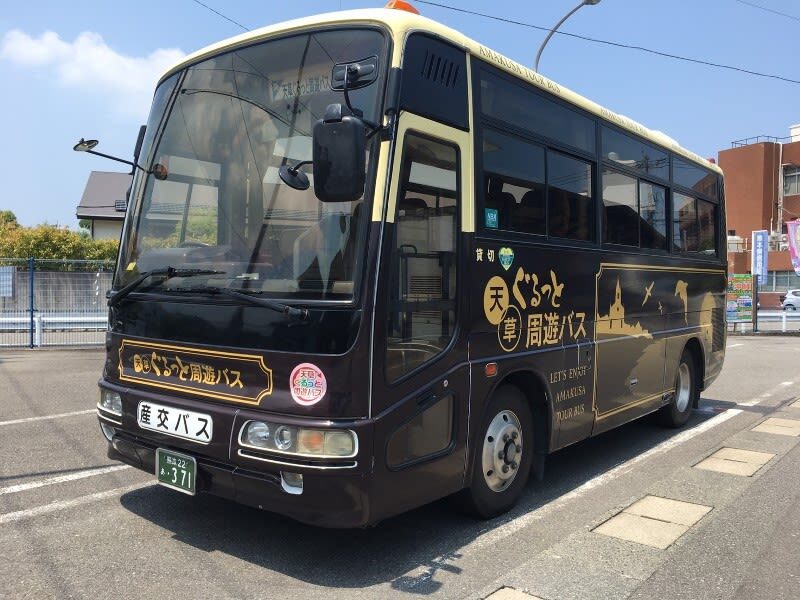
The transport connection needs your attention. The tour uses a bus from Kumamoto toward Hondo, then a local sightseeing bus and guide for the Amakusa portion. One set of directions identifies Sakuramachi Bus Terminal as the boarding point, while another account describes starting at Kumamoto Station. Check the meeting point and voucher instructions for your chosen date carefully, and arrive early. One missed-bus account describes a long wait for the next service and an unsuccessful attempt to catch up with the tour.
You can also read our reviews of more historical tours in Kumamoto


Sakitsu village and the hidden Christian story
The heart of the day is Sakitsu, a quiet fishing settlement with a history tied to Japan’s ban on Christianity. The village’s World Cultural Heritage designation reflects the story of communities that kept their faith alive under restrictions, often adapting religious practice to the circumstances around them.
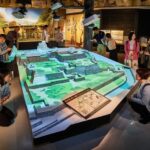
That history matters because it is not only about churches. Sakitsu’s appeal lies in the connection between belief, local customs and the working life of a coastal village. At a museum or interpretation center, objects and explanations can help make this history more legible. The village itself gives the story a physical setting, with the sea and everyday life close at hand.
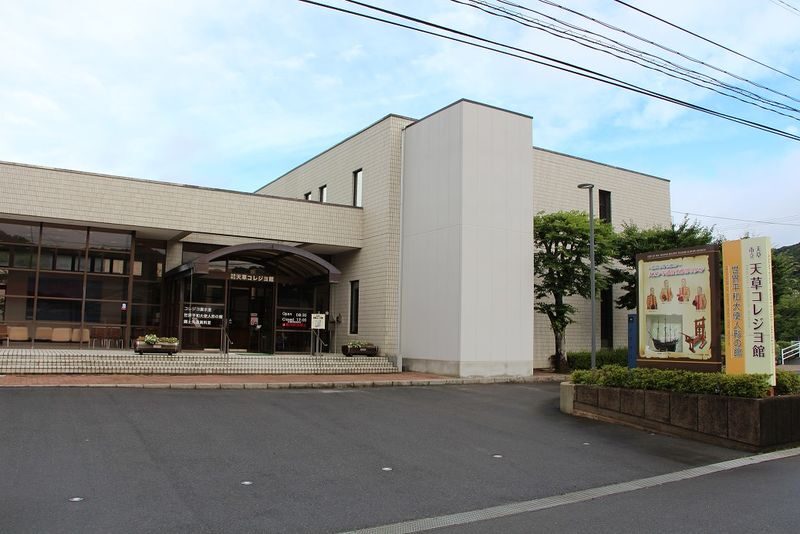
Expect a modest place rather than a large, polished attraction. Some museums and archives on the route are small, and the displays may not occupy much time. Their value is in the detail: a local collection, an explanation from staff, or a guide’s account can make a compact exhibition feel meaningful.
Language support can shape how much you take away. The guides are generally Japanese-speaking, but some have tried to explain key points in English or used translation apps. Visitors have also received explanation cards in other languages, and museum staff have occasionally offered individual English explanations. These efforts can help, but they are not a promise of a fully English-language tour.
If you are especially interested in Catholic history, the story of hidden Christians, or the way local communities preserve memory, this stop can be the reason to make the long journey. If you are mainly looking for dramatic architecture or a large museum, keep expectations measured.
Churches, archives and the places between
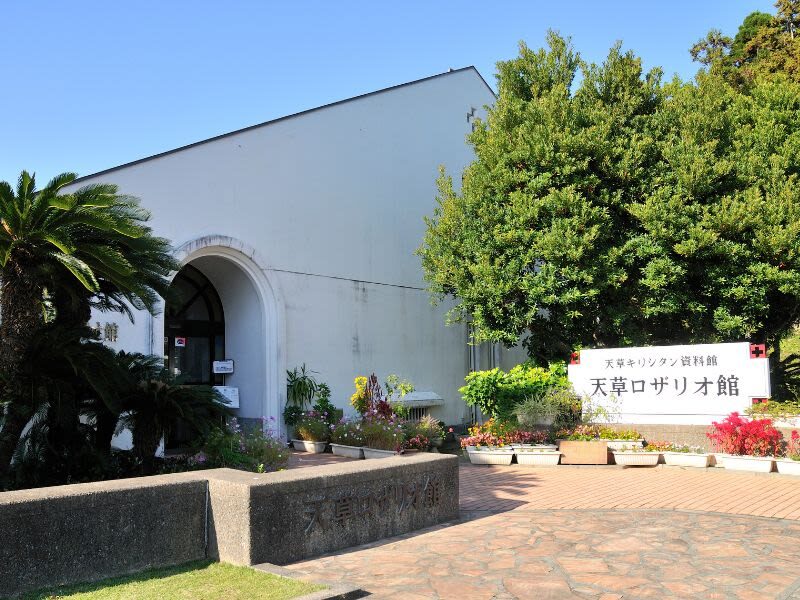
The Amakusa route can include two churches, along with several museums or archives. The exact number of museum stops described varies, so treat the day as a circuit of local heritage sites rather than a fixed museum checklist. Churches here are valued for their distinct character and their place in the region’s religious history.
A guided visit gives the buildings more context than a quick photo stop. The guide can explain how Christianity reached the area and how faith continued through periods when it was prohibited. On some visits, handwritten diagrams or simple printed materials have helped communicate the story across a language gap.
The small scale is part of the experience, but it also sets a limit. You are not visiting a major metropolitan museum with extensive displays in multiple languages. Some explanations may be brief or hard to follow if you do not speak Japanese. Translation apps can bridge part of that gap, though they work best when the guide speaks in short, clear sections.
The route has also included Tozaki settlement, where local junior high school students introduced its history on one departure. That kind of exchange can bring a local perspective into the day, but it should be understood as a reported feature of a particular visit, not a guaranteed part of every tour.
A roadside stop with scarecrows
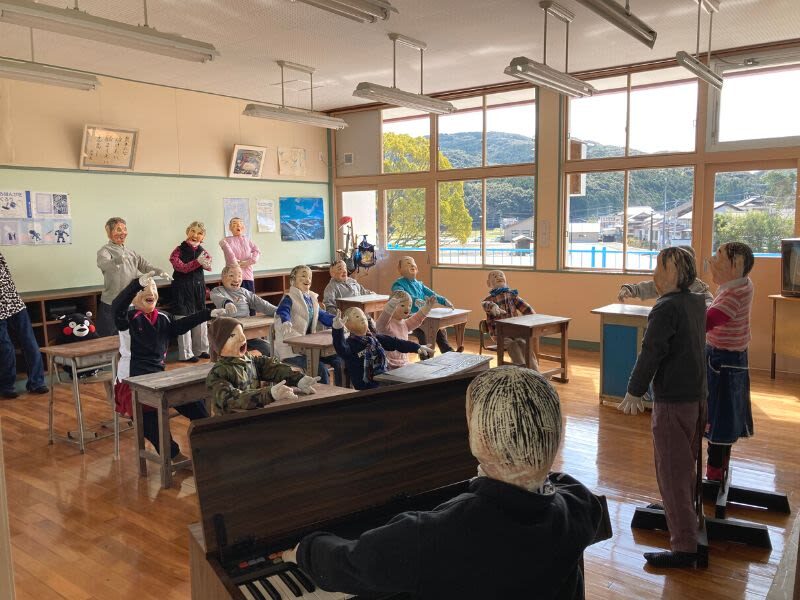
One unusual stop described along the way is a roadside station known for its scarecrow village. The figures are arranged in everyday scenes, appearing to farm, study or go about village routines. At first glance, some can look remarkably human.
It is a light change of pace after a history-focused visit. You can look around, take pictures and enjoy the odd charm of a place where the scarecrows seem to have their own small community. The stop is not the main reason to book, but it adds a memorable local detail to a day otherwise centered on churches and heritage sites.
The route’s appeal is often found in these contrasts: solemn history at one stop, rural humor at another, then the sea opening up again from the road. That variety helps the long bus day feel less like a single extended transfer.
Lunch and the unhurried pace
Lunch is at your own expense, with a designated break in the day. The available information does not specify a set meal or restaurant, so plan to pay separately and follow the guide’s directions about where and when to eat. One account describes lunch as reasonably priced and enjoyable, but menus and options can vary.
The break is useful, especially after a long ride and several stops. This is not a tour built around constant activity. The pace has been described as relaxed, leaving time to visit sites and take in the surroundings rather than rushing through a long list of attractions.
That slower rhythm suits Sakitsu. A village visit benefits from time to look around and notice the relationship between the settlement and the water. Still, if you need a tightly timed itinerary or have a short window in Kumamoto, the drive means the day is largely committed.
You can also read our reviews of more tours and experiences in Kumamoto

What the guide adds, and what language support can do
The guide is central to the value of this tour. The history of hidden Christians is not always obvious from a church exterior or a small display case. A local guide can connect the places, explain why they matter, and point out the human details that make the route more than a sightseeing drive.
Guides on these departures are primarily Japanese-speaking. Some have used translation apps to explain along the way, while others have prepared explanation cards or tried to speak simple English. Takada-san is one named guide praised for explaining the route with care, but guide assignments can change.
You should be ready to help the communication along. A translation app on your phone is useful, and it is wise to download Japanese language support in advance in case your connection is poor. Do not assume every stop will offer a full explanation in your language. If you are comfortable learning through a mix of visual exhibits, short translated notes and partial interpretation, the tour can still be rewarding.
The effort to communicate is part of what makes the local approach appealing. You are not simply being delivered to a heritage site; the guide is trying to share how the community understands its own past. The exchange may be imperfect, but it can feel more personal than navigating the sites alone.
Price, value and who should book
The tour starts at $47.05, a low entry price for a full-day outing that includes organized transport between Kumamoto and distant Amakusa. The exact value depends on what is covered in your selected package, so check the booking details for inclusions rather than assuming that meals or museum admissions are part of the fare.
For a non-driver, the practical value is clear. Amakusa’s attractions are spread out, and arranging the bus connections independently takes planning. This tour bundles the long-distance ride with a local sightseeing circuit and guide, saving you from piecing together each leg yourself.
You are paying in time as much as money. The return journey can take around five hours, and the guided explanations may not be fully accessible in English. If you are keen on religious history and coastal scenery, that is a fair exchange. If you want maximum time at each attraction, a self-drive trip may suit you better.
This is particularly appealing for solo visitors, couples and small groups who want a structured way to see Amakusa without driving. Groups have sometimes been small, including one departure with five people, but group size can vary. Families can also consider it, provided everyone is comfortable with a long bus day and the pace of heritage visits.
The tour is less suited to anyone who dislikes extended coach travel, needs guaranteed English guiding, or wants a day packed with large attractions. Its strongest moments are quiet ones: a village shaped by faith and fishing, the careful explanation of a local story, and the changing sea views on the road.
Practical details before you go
This is sold as a full-day cultural tour from Kumamoto to Amakusa. The local portion connects through Hondo, and the long bus ride is a defining feature of the day. Confirm your departure point, meeting time and voucher instructions before setting out, since getting to the correct terminal matters.
Bring your own lunch money, a charged phone and a translation app if you do not speak Japanese. Comfortable clothing is sensible for moving between churches, museums and village stops, though specific walking distances are not provided. Museum opening days can affect visits, so check the schedule if you are booking around a particular date.
Cancellation terms are strict close to departure. The stated fees rise from 20% if you cancel within 11 days, to 30% within 8 days, 40% within 2 days, and 100% within 1 day; late arrivals and no-shows are not refundable, and lost, stolen or damaged tickets cannot be refunded. Check the current terms before booking.
Should you book the Sakitsu day tour?
Book it if you want to understand Amakusa’s hidden Christian history, appreciate small coastal communities and would rather have transport arranged than manage a long journey yourself. The guide’s explanations and the local museums add context that is hard to get from scenery alone, while the sea views make the ride part of the experience.
Think twice if five hours on buses sounds like a poor use of a holiday day, or if you need fluent English guidance throughout. For a history-minded visitor willing to travel slowly, this is a practical way to reach Sakitsu and see a quieter side of Kumamoto Prefecture.
Kumamoto Amakusa Sakitsu Village All-Day Cultural Tour
“A truly special experience! I was able to explore a World Heritage site with locals, and the guide did an excellent job explaining everything. Than…”
FAQ
How long is the bus ride from Kumamoto to Amakusa?
The ride to Hondo is commonly described as about two and a half hours each way. Some accounts put the outbound trip at around two hours and forty minutes, so allow for roughly five hours of round-trip bus travel.
Is the tour conducted in English?
The guides are generally Japanese-speaking. Some have used translation apps, simple English or printed explanation cards, but full English-language guiding is not guaranteed.
What places can the tour visit?
The route can include Sakitsu village, churches and small museums or archives. Other described stops include a scarecrow village and Tozaki settlement, but the exact stops may vary.
Is lunch included in the price?
Lunch is described as being at your own expense. The available tour information does not specify a meal included in the price.
Is this tour suitable if I do not drive?
Yes. The organized bus connections and local guided sightseeing make it a practical option for reaching Amakusa without a car.
What is the starting price?
The listed starting price is $47.05. Check the selected package details for what is included, since the price alone does not confirm meal or admission coverage.
What happens if I cancel or miss the bus?
Cancellation fees apply close to departure: 20% within 11 days, 30% within 8 days, 40% within 2 days and 100% within 1 day. Late arrivals and no-shows are not refundable, so confirm your terminal and arrive on time.