The appealing part of this Sendai class is its hands-on approach: you do not just watch a tea ceremony, you prepare matcha yourself and learn what the movements and utensils mean. Choose the short tea class, or add time to make nerikiri, a Japanese sweet shaped by hand from bean paste.
I like that Kyoto-made white and red bean paste brings a specific ingredient story into the sweets session, and that the tea masters explain the purpose behind each gesture instead of treating etiquette as a list to memorize. English instruction is available, though the amount of translation may vary.
The main consideration is time: the tea ceremony class is listed as 35 minutes, so it is an introduction, not an extended study of tea. The combined tea-and-sweets option costs more, and its duration is not specified.
- Make matcha yourself: A brief lesson leads into preparing and enjoying your own bowl.
- Add nerikiri making: The upgraded package lets you shape traditional sweets from white or red bean paste sourced from Kyoto.
- Learn the meaning behind the ritual: Instruction covers movements, utensils, and the ideas behind tea ceremony practice.
- Find it in central Sendai: The class is at AN SENDAI Japanese Culture Experience, on the seventh floor of No. 1 Aoba Building.
- Keep the schedule compact: The tea-only class is 35 minutes, a manageable cultural break between sightseeing stops.
- Expect English support, not necessarily a fully English-only class: Instructors have explained lessons in English, with Japanese followed by translation when needed.
- A short class with a hands-on core
- First, find the seventh floor of No. 1 Aoba Building
- Make matcha, not just a picture of it
- Shape nerikiri from Kyoto bean paste
- Learn etiquette without feeling tested
- Is good value for a 35-minute class?
- Who will enjoy this Sendai class most?
- Booking details to keep in mind
- Should you book the tea class?
- FAQ
- How long is the tea ceremony class?
- Where does the class take place?
- What is included in the price?
- Can I make Japanese sweets during the class?
- Is there an age limit?
- What language is the class taught in?
- Can I cancel and get a refund?
- The Best Of Sendai!
- More Tours in Sendai
- More Tour Reviews in Sendai
- Not for you? Here's more nearby things to do in Sendai we have reviewed
A short class with a hands-on core
 1 / 5
 2 / 5
 3 / 5
 4 / 5
 5 / 5
A tea ceremony can look precise from the outside, with every movement carrying a purpose. This class gives you a practical way in: after a short explanation, you prepare matcha and learn how to enjoy it in a more informed way. That makes the experience approachable even if you have never handled the tea-making tools before.
The class is offered by AN SENDAI Japanese Culture Experience in Sendai. The listed tea-only experience lasts 35 minutes, so it fits neatly into a day of sightseeing. You get an introduction to the ceremony rather than a long formal session, which suits curious first-timers and anyone with limited time.
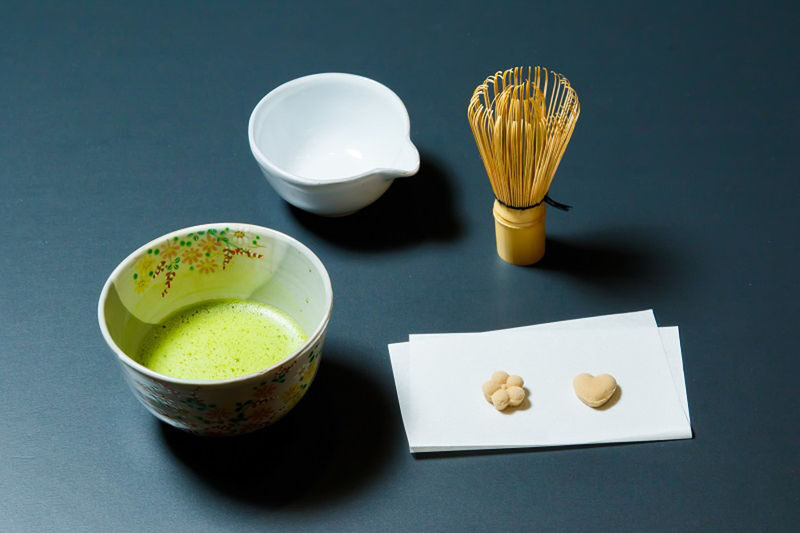
For a fuller activity, select the tea ceremony and Japanese sweets-making package. It adds hands-on nerikiri preparation, using white or red bean paste from long-established Kyoto shops. The starting price is $18.09, compared with $8 for the tea-only package. The sweets option gives you more to do and a treat to enjoy with matcha, though its exact duration is not stated.

👉 See our pick of the 12 Best Tours In Sendai
First, find the seventh floor of No. 1 Aoba Building
The class takes place at 日本文化体験 庵an仙台, also called AN SENDAI Japanese Culture Experience. The address is No. 1 Aoba Building, 7F, 1-1-6 Omachi, Aoba-ku, Sendai, Miyagi Prefecture. The Japanese address is 宮城県仙台市青葉区大町1-1-6 第一青葉ビル7階.
The venue is a dedicated indoor class space, not a tea house visit or a tour around the city. That is useful if you want a reliable activity whatever the weather, but it also means the focus is on learning rather than seeing a historic garden or traditional building. The class itself is the destination.
Check the location and meeting instructions before you set out. Booking details say the time is confirmed after booking, and you need to attend at the time you selected. Although the information includes departure and return fields, it does not describe a sightseeing transfer or a hotel pickup as part of the class. Plan to arrive at the building itself unless your confirmation says otherwise.
You can also read our reviews of more tours and experiences in Sendai.


Make matcha, not just a picture of it
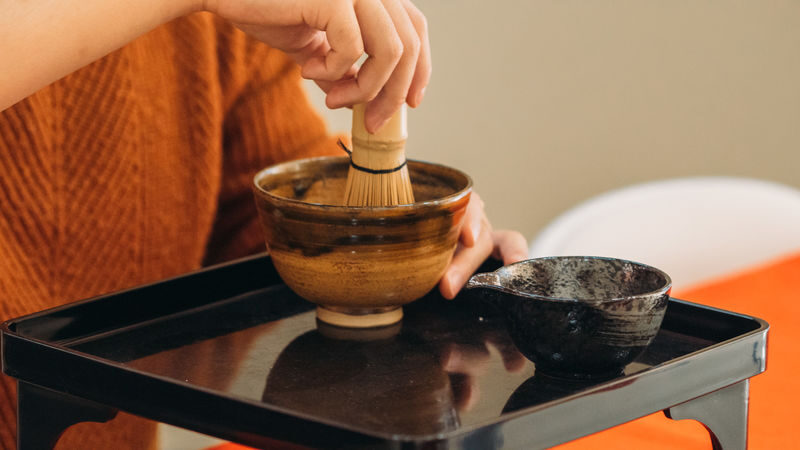
The tea-only session begins with a short lecture, then gives you a chance to prepare matcha yourself and drink it casually. The teacher explains the ceremony’s movements and utensils, and why each part matters. That context helps you understand the ritual as more than a set of formal poses.
For a first encounter, the brief format is a strength. You can pick up the basic ideas without needing prior knowledge or committing half a day. It is also open to all ages, so families can consider it as a shared activity, though the experience remains a class rather than a children’s play session.
The trade-off is depth. Thirty-five minutes allows for an introduction and a try at making matcha, but not a long exploration of tea history or advanced technique. If you want more time at the table, the sweets-making package is the natural upgrade. The activity information does not give that package a confirmed duration, so check the booking details rather than assuming it is also 35 minutes.
Shape nerikiri from Kyoto bean paste
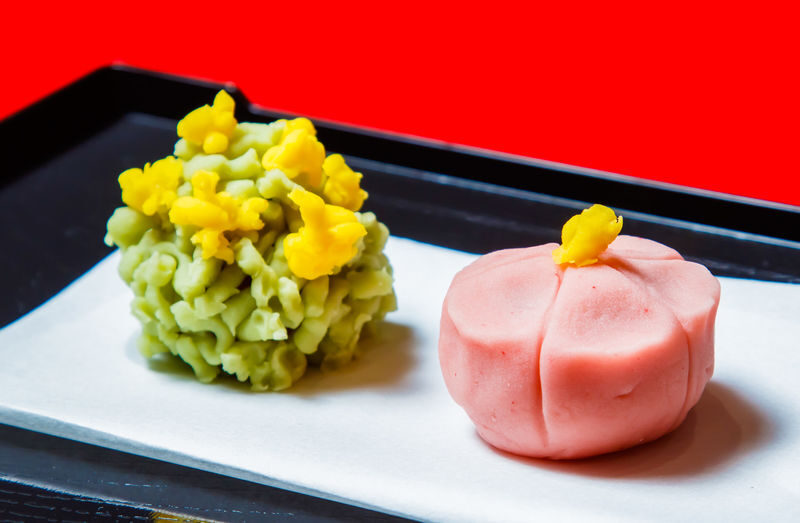
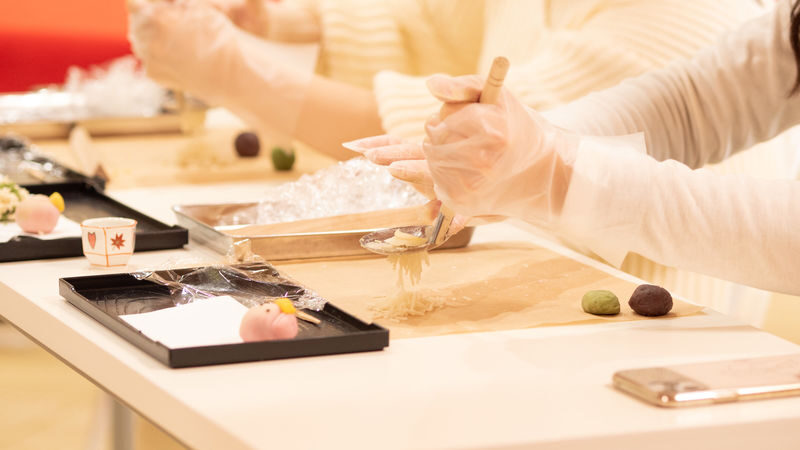
The combined option adds the chance to make Japanese traditional sweets, particularly nerikiri. You work with white or red bean paste produced by established shops in Kyoto, then shape the sweet by hand. That shift from tasting a finished confection to forming one yourself is the most distinctive part of the longer package.
Nerikiri is valued for its crafted appearance as well as its taste. Making it gives you a better sense of the care involved in a sweet that might otherwise be gone in a few bites. The instructor guides each step, and reports from classes describe patient help with the shaping process. If you are not naturally crafty, that guidance matters: the goal is to try the method, not produce a flawless display piece.
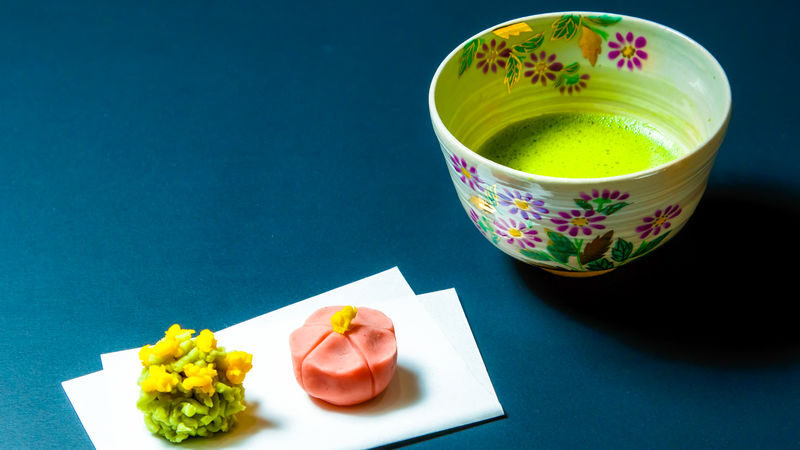
You then have the pleasure of pairing the sweet with matcha. I would choose the combined package if you have room in your schedule and want a more complete cultural activity. The two parts work well together: you learn to make the drink and the confection that can accompany it. Just keep in mind that the $18.09 starting price is higher than the $8 tea-only option, and the full duration is not provided.
Learn etiquette without feeling tested
Tea ceremony etiquette can seem intimidating when you do not know what to do with your hands, bowl, or attention. Here, the teacher explains the significance of gestures and tools as you go. That turns the lesson into a practical introduction, not a test of whether you already know the rules.
The instructors are described as patient and clear, and Sasaki-san is one named teacher associated with the classes. English support has been offered, including explanations after Japanese instruction when participants speak different languages. Some classes may be conducted mainly in Japanese, however, so do not assume every word will be delivered in English. If English instruction is important to you, ask about the language arrangement when booking.
The teaching style is a strong reason to choose this class. A good explanation connects form to purpose: once you understand why a movement or utensil matters, it is easier to remember and more interesting to practice. You leave with more than a few steps to copy. You have a framework for noticing tea ceremony details if you encounter them elsewhere in Japan.
Is $8 good value for a 35-minute class?
At $8, the tea-only option is an inexpensive way to add a structured cultural activity to a Sendai visit. Ingredients are included, so the stated price covers what you need for the class. Other personal expenses are not included. For a short, guided introduction with a chance to make matcha, the cost is modest.
The sweets-and-tea package starts at $18.09. The difference buys a more active session and the chance to work with Kyoto bean paste. If you are interested in Japanese confectionery, that added cost seems easier to justify than if you only want to sample matcha. Think about what you want from the hour: a quick introduction or a hands-on craft alongside the tea.
The value also depends on your schedule. The tea-only class can serve as a brief break in a sightseeing day, while the combo makes sense if you have extra time and want an activity with more stages. The supplied information does not specify the combined package’s exact length, so confirm it before arranging a tight connection or meal.


Who will enjoy this Sendai class most?
This is a good fit if you are curious about tea ceremony but want a low-pressure first lesson. You do not need prior experience, and the activity has no age limit. It can suit solo visitors, couples, and groups, since the class is offered to individuals as well as groups.
Choose the tea-only option if your main interest is matcha and ceremony etiquette, or if time and budget matter most. Choose the combined option if you like working with your hands, want to learn about wagashi, or would enjoy eating a sweet you have shaped yourself. The class is also a sensible rainy-day choice because it takes place indoors.
It may not be the right pick if you are looking for a long, formal ceremony in a historic setting, or if your priority is a broader tour of Sendai. This is a focused lesson in a city venue. Its strength is direct instruction and participation, not grand scenery or a wide-ranging itinerary.
Booking details to keep in mind
The voucher is valid only on the date and time specified, and you present it on your mobile device. The booking confirmation is expected within minutes; if it does not arrive, contact customer support. Changes are generally allowed until 24 hours before the activity, subject to exclusions, including some pass, presale, voucher, and cultural-credit bookings.
You can receive a full refund if you cancel at least 24 hours before the activity date, using the destination’s local time. Check the exact terms shown for your chosen package before paying, especially if your booking uses a pass or special offer.
Should you book the tea class?
Book it if you want an affordable, practical introduction to matcha and the logic of tea ceremony, rather than a passive demonstration. The 35-minute tea class is a tidy fit between other Sendai plans; the sweets add-on offers more substance for anyone drawn to Japanese confectionery and hands-on making.
I would lean toward the combined package if you have enough time and the added cost fits your budget. Shaping nerikiri gives the session a memorable second half, and eating it with matcha ties the lesson together. If you only want to try preparing tea, the lower-priced class does the job without asking much of your schedule.
Tea Ceremony Class Experience in Sendai
“This was a great experience! the instructor was very nice and patient. He spoke English well and guided us through the steps of creating Wagashi an…”
FAQ
How long is the tea ceremony class?
The tea-only class is listed as 35 minutes. The duration of the tea ceremony and sweets-making package is not specified.
Where does the class take place?
It is held at AN SENDAI Japanese Culture Experience, No. 1 Aoba Building, 7F, 1-1-6 Omachi, Aoba-ku, Sendai.
What is included in the price?
All necessary ingredients are included. Other personal expenses are not included.
Can I make Japanese sweets during the class?
Yes. The tea ceremony and Japanese sweets package includes making nerikiri with white or red bean paste sourced from established shops in Kyoto.
Is there an age limit?
No. The activity has no age limit.
What language is the class taught in?
English explanations are available, but some classes may be taught mainly in Japanese, with English translation provided when needed.
Can I cancel and get a refund?
You can receive a full refund if you cancel at least 24 hours before the activity date, using the destination’s local time.