Tokyo’s oldest temple, a view of Mount Fuji from 2,300 metres, and a Hiroshima lunch of okonomiyaki give this 11-day trip a strong sense of place. You move from Japan’s biggest cities to former capitals and rural stops, with a guide handling the transport and daily plan.
I like two things in particular: the local encounters, from a pottery workshop to lunch with a farmer’s family, and the mix of high-speed rail, ferries and city walks. These give you more than a run of famous photo stops.
The trade-off is the pace. Some days include long walks, hills, stairs and frequent early starts, while free time is limited in several cities. If you want slow mornings or have mobility concerns, this may feel like a lot.
- The trip at a glance
- A fast introduction to Japan, with real variety
- Tokyo’s temples, drums and river views
- Mount Fuji from the 5th Station
- Kyoto’s golden pavilion and bamboo paths
- A pottery workshop and lunch with a farmer
- Hiroshima and Miyajima, with time for reflection
- Osaka’s skyline, lanes and street food
- Hotels, meals and what the price covers
- Is this the right Japan tour for you?
- FAQ
- Where does the tour start and finish?
- How long is the tour?
- What is the group size?
- What language is the tour guided in?
- How much walking should I expect?
- Which meals are included?
- Are international flights included?
- Which hotels are planned?
- Is the Japanese tea ceremony included?
- Which months does the tour operate?
- The Best Of Narita!
- More Tours in Narita
- More Tour Reviews in Narita
- Not for you? Here's more nearby things to do in Narita we have reviewed
The trip at a glance
 1 / 9
 2 / 9
 3 / 9
 4 / 9
 5 / 9
 6 / 9
 7 / 9
 8 / 9
 9 / 9
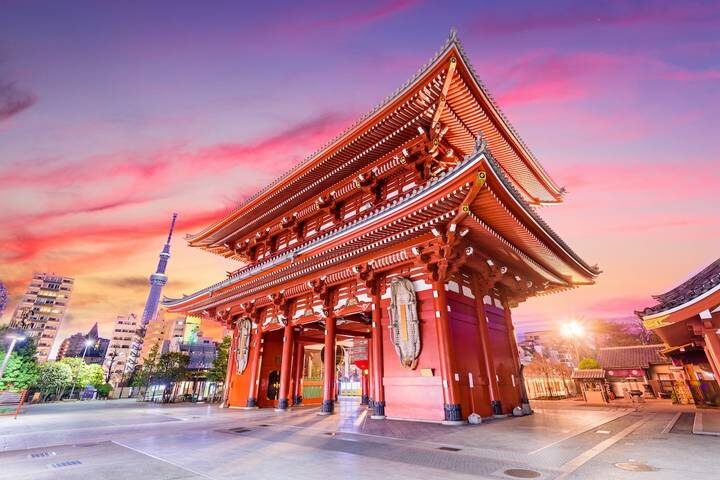
- Tokyo’s Asakusa district: Visit Sensoji, browse Nakamise street and cruise the Sumida River.
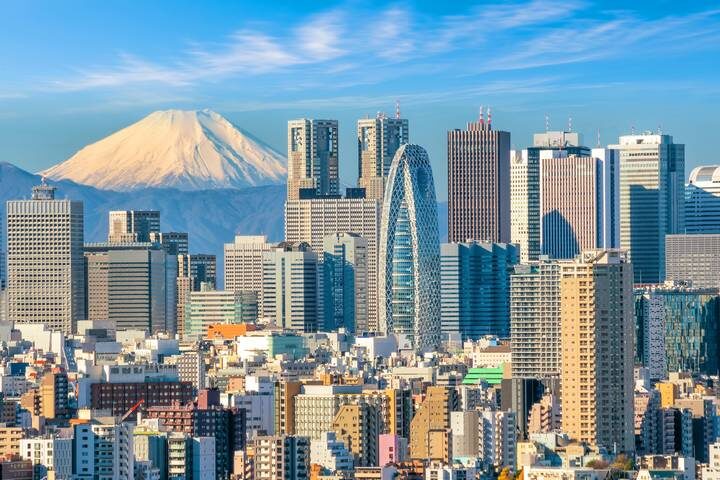
- Mount Fuji and Lake Kawaguchi: Head to the 5th Station, weather permitting, then look for Fuji’s reflection at the lake.
- Kyoto and Nara: Walk through Arashiyama’s bamboo grove, see Kinkakuji and meet a local farmer over lunch.
- Hiroshima and Miyajima: Visit Itsukushima Shrine, make maple-leaf buns and spend time at the Peace Memorial Park and Museum.
- Osaka’s food and views: See the city from Umeda Sky Building, then explore Dotonbori and Hozenji Yokocho.
- A guided, active schedule: Expect a group of 20 to 28, daily walking and a mix of coach, train and ferry travel.

👉 See our pick of the 15 Best Tours In Narita
A fast introduction to Japan, with real variety
This tour connects four major cities with two former capitals and several memorable stops in between. Tokyo offers temples and modern city views; Kyoto and Nara bring religious sites and traditional crafts; Hiroshima adds a serious historical visit; and Osaka closes with food, canalside streets and a final group dinner.
You’ll have an English-speaking Travel Director and professional driver throughout, with a group of 20 to 28 people. That support is useful when you’re changing cities, boarding bullet trains or ferries, and keeping a full sightseeing schedule on track. It also means less time working out transport and more time seeing the places themselves.
The style is active, not strenuous in a technical sense, but it asks for stamina. The stated activity level is dynamic, with walking that can reach 3 to 6 miles (5 to 10 kilometres) a day, plus one to five hours of standing. Expect some uneven ground, inclines, stairs and frequent early starts. You may also need to handle your own luggage at train stations and on ferries.
You can also read our reviews of more tours and experiences in Narita.


Tokyo’s temples, drums and river views
Your first evening is a gentle start: settle in, then meet the Travel Director and group for drinks and light bites. On the next day, a local specialist introduces you to taiko drumming. The lesson gives you a hands-on encounter with a Japanese tradition, rather than just a quick explanation from the sidelines.
Lunch takes place at a sumo-themed izakaya, followed by Asakusa’s Sensoji Temple. It is Tokyo’s oldest temple site, and the approach along Nakamise street is lined with shops selling traditional snacks and crafts. It can be busy, so take time to notice the temple’s details instead of treating the shopping street as just a path to the main hall.
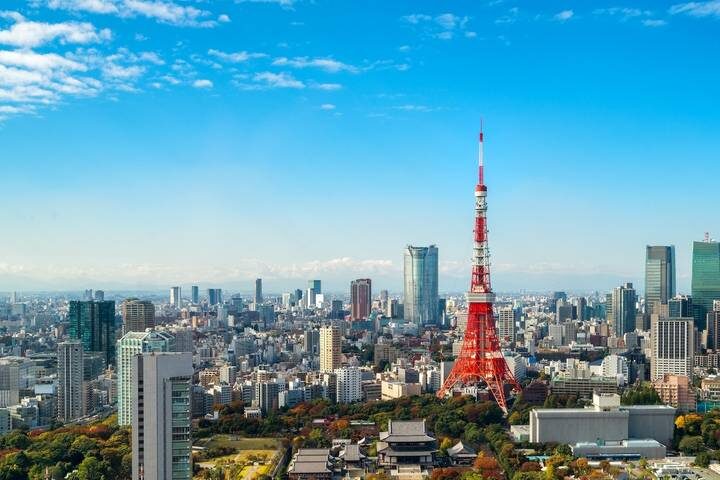
The Sumida River cruise gives your feet a break while showing the contrast between Tokyo’s newer skyline and older neighbourhoods. You’ll also see Hama-rikyu Garden from the water. The schedule leaves some time back at the hotel, a welcome pause after a day on foot.
The tour material also lists Ameyoko Street Market among the Tokyo inclusions, while the detailed day-by-day schedule does not place it clearly. If that stop matters to you, confirm it before booking.
Mount Fuji from the 5th Station
The journey from Tokyo heads toward Mount Fuji, with a visit to the 5th Station at about 2,300 metres. The viewpoint offers a chance to see the mountain’s slopes and surrounding countryside, but views depend on weather. Clouds can hide Fuji, so treat the stop as an opportunity, not a guaranteed clear-day panorama.
After lunch at a local restaurant, you visit Lake Kawaguchi. On a still, clear day, the lake may reflect the mountain. This is a good example of why the tour’s set route has value: you get a chance to see Fuji from more than one viewpoint without arranging regional transport yourself.
The schedule then shifts to Kyoto by bullet train. One practical detail deserves checking: the listed hotel plan places you at New Otani Garden Tower for the first three days, while the route moves from Tokyo to the Fuji area. Confirm the actual hotel and overnight location for this transition before departure, since hotel assignments can change.
Kyoto’s golden pavilion and bamboo paths
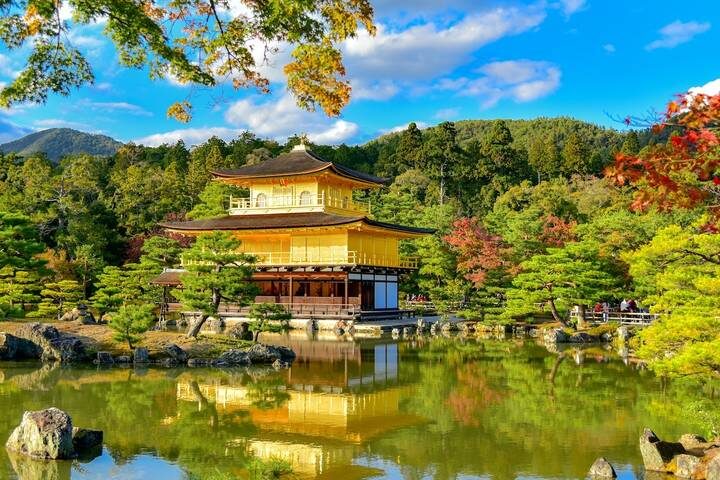
Kyoto gives you three nights, which is more time than a quick stop but still requires choices. The first walk takes in Gion and Kawaramachi street, followed by Kinkakuji, the Golden Pavilion. Its gilded exterior is striking, though the visit is more about viewing the temple and grounds than spending a long, quiet stretch inside.
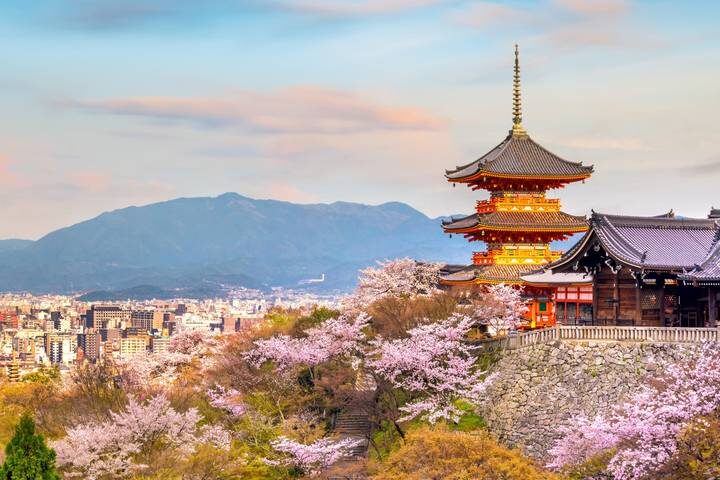
The next day focuses on Arashiyama. You’ll walk through the bamboo grove, see Togetsukyo Bridge and visit the Zen gardens at Tenryuji Temple. The area changes with the seasons: cherry blossoms are a spring feature, while the broader scenery shifts across the year. The bamboo path can be crowded, so the guided visit helps you get there without having to puzzle out the route, but it cannot promise a quiet stroll.
Free time at Nishiki Market gives you a chance to browse Kyoto’s food stalls and shops. An optional tea ceremony is also offered. If that experience interests you, ask about its timing and cost, since it is not included in the stated tour price.
A pottery workshop and lunch with a farmer
The day trip to Nara begins in Sumiyama Village, where you learn about Kiyomizu pottery, a craft with a history of about 500 years. The workshop visit offers a useful counterpoint to temple sightseeing: you see a living craft and hear how local concerns about air pollution led potters to move out of central Kyoto.
A Be My Guest lunch at a local farmer’s home is one of the tour’s most distinctive inclusions. You’ll share a homemade meal and fresh tea, learn about the family’s daily life and visit their tea plantation. This kind of stop makes the day feel less like a list of landmarks and more like a window into everyday rural Japan.
In the afternoon, you visit Todaiji Temple, home to one of Japan’s largest bronze Buddha statues, then walk through Nara Park. The deer are used to people and roam freely, so give them space and keep an eye on anything you’re carrying. The day ends back in Kyoto.


Hiroshima and Miyajima, with time for reflection
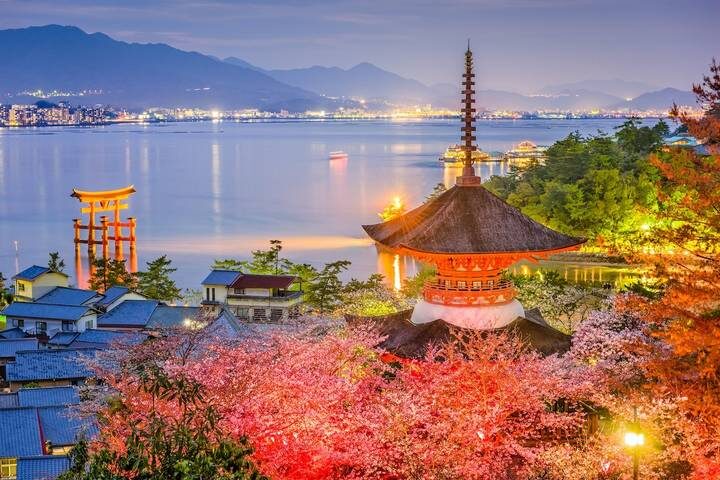
A bullet train takes you to Hiroshima, where lunch is okonomiyaki at a local restaurant. The dish is a well-known regional speciality, and this meal is included. You then take a ferry to Miyajima Island to see Itsukushima Shrine and its famous torii gate, which rises from the water.
A local specialist shows you how to make Momiji Manjyu, maple-leaf-shaped buns filled with sweet red bean paste. It’s a light, hands-on activity that adds a local flavour to a day otherwise centred on major sights. The ferry journey is part of the experience, but it also adds another transfer to an already full schedule.
The following morning is devoted to Peace Memorial Park and Museum. The park and the Peace Memorial are sobering, and you should allow yourself time to take in what you see. The afternoon is free, giving you room to rest or choose an optional activity. This stop is not just another sightseeing box: it brings a different weight and purpose to the trip.
Osaka’s skyline, lanes and street food
The bullet train carries you from Hiroshima to Osaka. After free time for lunch, you visit the Floating Garden Observatory at Umeda Sky Building, an open-air viewing platform between two towers. It’s a good first look at the scale of Osaka before you settle into the hotel.
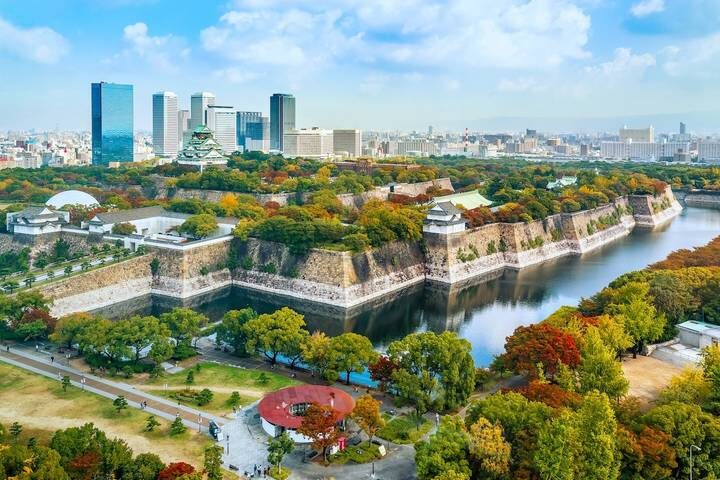
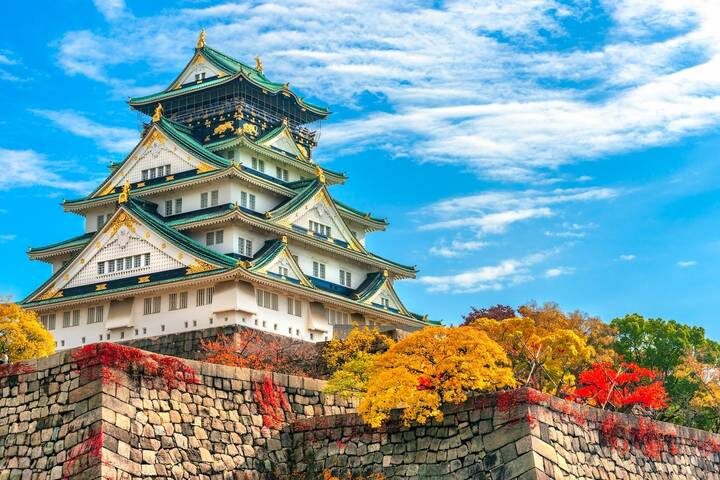
The next day brings Osaka Castle, Dotonbori and Hozenji Yokocho. The castle visit is described as a photo stop with some context about its place in the city’s past. Dotonbori is the livelier stretch, known for its canal, bright signs and restaurants, while Hozenji Yokocho offers a smaller lane lined with traditional eateries and lanterns. You’ll have free time for shopping or to try takoyaki, Osaka’s famous octopus snack.
A final dinner with the Travel Director and group gives the trip a clear ending. The included services also list an Okawa River cruise and Tsuyunoten Shrine, but these are not set out in the detailed day-by-day schedule. Ask Trafalgar which departure includes them and when they occur.
Hotels, meals and what the price covers
The starting price is $7,065, based on the cheapest room category. For an 11-day guided trip with four-star hotel stays, a Travel Director, a professional driver, coach and rail transport, airport shuttles and many major sightseeing stops, the price covers a substantial amount of logistics. The bullet trains and guided transfers are especially useful when moving between Tokyo, Kyoto, Hiroshima and Osaka.
The listed hotels are New Otani Garden Tower, Rihga Royal Hotel Kyoto, Rihga Royal in Hiroshima and Sheraton Miyako in Osaka. Hotel names or assignments may change, with replacements expected to be of a similar standard and location. International flights and travel insurance are not included, so add those costs when comparing the tour with a self-planned trip.
The stated meal allowance is 10 breakfasts, five lunches and one dinner. However, the daily schedule names four included lunches: the sumo-themed izakaya, a local restaurant near Fuji, the farmer’s home meal and okonomiyaki in Hiroshima. Check the meal count and inclusions for your chosen departure before paying. Other meals are free for you to arrange, which gives you some control over food choices and spending.
A single customer review rated the trip four out of five and particularly praised the tour leader’s ability to anticipate needs, the hotels and the variety of hands-on activities. The same review noted that the Tokyo hotel was less convenient for independent exploring than the other hotels. That is worth bearing in mind: the group schedule helps with sightseeing, but the hotel location can shape how easy it is to make the most of an evening on your own.
Is this the right Japan tour for you?
I’d consider this trip if you want a guided first visit that connects Japan’s best-known cities with a few more personal experiences. The pottery stop, farmer’s lunch, taiko lesson and bun-making session add variety to the temples and city views, while the rail network keeps long-distance travel practical.
It is less suited to anyone who needs a slow pace, wants a lot of unplanned time or finds several miles of walking difficult. Families are welcome, but room arrangements need attention: the provided guidance says a family of four with two young children would need to book two twin rooms. If you prefer to explore independently or spend several days in one place, a shorter or more flexible trip may suit you better.
Classic Japan 11-Day Tour by Trafalgar
“Well executed small group tour by Trafalgar. Excellent tour leader who anticipated every need. The tour gives a 'taste' of Japan in a short period,…”
FAQ
Where does the tour start and finish?
It starts in Narita and ends in Osaka. Airport shuttles are listed from Tokyo Narita or Haneda Airport to the Tokyo hotel, and from the Osaka hotel to Kansai International Airport or Osaka Itami Airport.
How long is the tour?
The tour lasts 11 days, with the final day set aside for the transfer to the airport.
What is the group size?
The stated group size is 20 to 28 people.
What language is the tour guided in?
The tour is guided in English by an expert Travel Director, with a professional driver.
How much walking should I expect?
The activity level is dynamic. Walking may reach 3 to 6 miles (5 to 10 kilometres) a day, with one to five hours of standing and some uneven surfaces, inclines and stairs.
Which meals are included?
The stated inclusions are 10 breakfasts, five lunches and one dinner. The daily schedule names four lunches, so confirm the meal count for your departure.
Are international flights included?
No. International flights and insurance are not included in the listed tour price.
Which hotels are planned?
The listed hotels are New Otani Garden Tower, Rihga Royal Hotel Kyoto, Rihga Royal and Sheraton Miyako. Comparable hotels may be used if plans change.
Is the Japanese tea ceremony included?
No. The tea ceremony in Kyoto is listed as an optional activity, not an included experience.
Which months does the tour operate?
The listed departure months are February through November. Specific future departure dates may not yet be available.