Tokyo’s neon streets and Kyoto’s temple paths are only part of the story here. This 12-day food-focused route also reaches Takayama and Shirakawago, where a family-run minshuku dinner and centuries-old farmhouses give you a welcome change of pace from Japan’s big cities.
I like two things in particular: meals are tied to the places you visit, from Hida beef in Takayama to matcha in Uji, and the route mixes hands-on food experiences with major cultural sights. The small group size, 10 to 16 people, also makes local trains and shared meals easier to manage.
The trade-off is a packed schedule. You will walk often, change hotels several times and spend a good share of some days in transit. And this exact tour is no longer offered, so check with Explore for a current alternative before planning around it.
- Cook okonomiyaki at your table in Harajuku, then pick a Japanese-style crepe or another street-cart sweet.
- Sleep one night in a family-run minshuku in Takayama, with tatami mats, futon beds, shared bathrooms and a home-cooked dinner.
- Stop at Shirakawago’s gassho-zukuri farmhouses, built with steep thatched roofs suited to heavy winter snow.
- Make wagashi and learn a tea ceremony, adding hands-on context to Kanazawa and Kyoto’s food traditions.
- Finish with Osaka specialties, including kushikatsu, takoyaki and shabu-shabu.
- A food route with room for history
- Tokyo markets, shrines and street sweets
- Takayama and Shirakawago: the rural pause
- Kanazawa gardens and Kyoto’s tea traditions
- Osaka’s street food and city views
- What the pace, lodging and price mean
- Should you book this Japan tour?
- FAQ
- Where does the tour start and finish?
- How many people are in the group?
- What kind of accommodation is included?
- Can I book a single room?
- How much walking should I expect?
- Which meals are included?
- Are international flights included?
- How do the airport transfers work?
- Is this exact tour currently available?
- The Best Of Tokyo!
- More Tours in Tokyo
- More Tour Reviews in Tokyo
- Not for you? Here's more nearby things to do in Tokyo we have reviewed
A food route with room for history
 1 / 7
 2 / 7
 3 / 7
 4 / 7
 5 / 7
 6 / 7
 7 / 7
This is not a cooking holiday with a class every morning. Food is the thread that links markets, neighborhoods and cultural stops: you taste sushi after seeing where seafood is sold, make wagashi after visiting one of Japan’s best-known gardens, and try sake after learning how it is made.
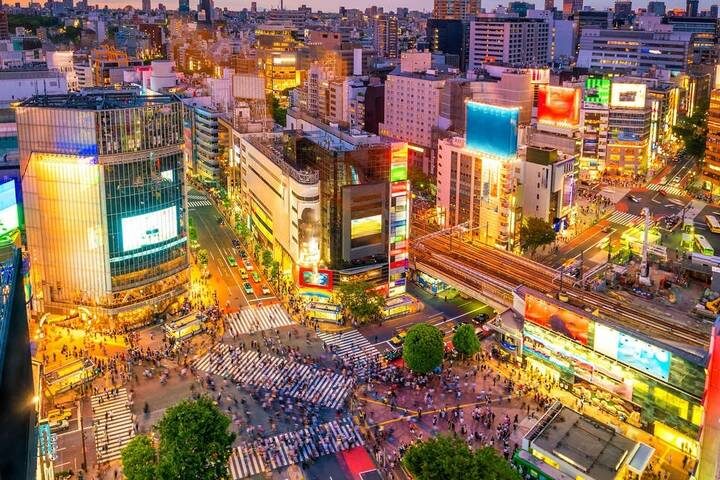
The route also balances Japan’s modern and older faces. Tokyo brings shrine paths, fashion streets and department-store-scale city life; Takayama and Shirakawago offer rural architecture; Kyoto supplies temples and tea; Osaka closes with street food and neon. You get a broad introduction, though not much time to linger in any one place.
Explore groups range from 10 to 16 people, and the tour is guided in English. That size is practical for navigating public transport and sitting down for shared meals, but it is still a group trip: you should expect set meeting times and a fairly brisk pace.

👉 See our pick of the 25 Best Guided Tours In Tokyo
Tokyo markets, shrines and street sweets
The first three nights are at Asakusa View Hotel. Day 1 is mostly for arrival, with a welcome meeting planned for 6:30 p.m. if you arrive in time. Rooms are not available before 3 p.m.; luggage storage is available, and an airport transfer can be arranged from Haneda or Narita. You can join an optional dinner at a local izakaya, but no sightseeing is scheduled that day.
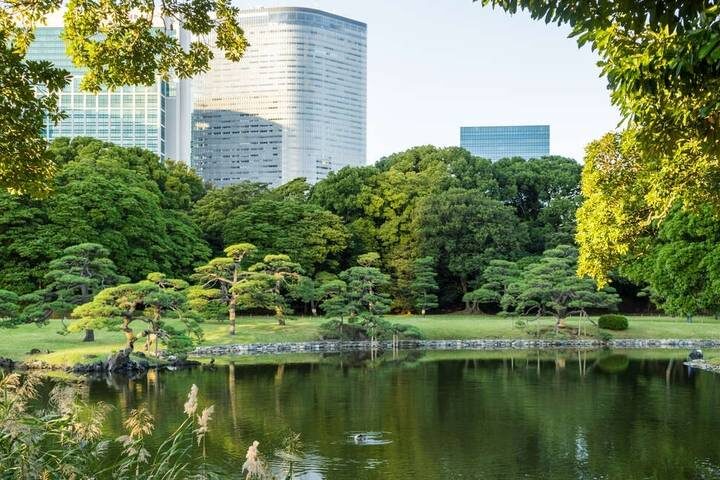
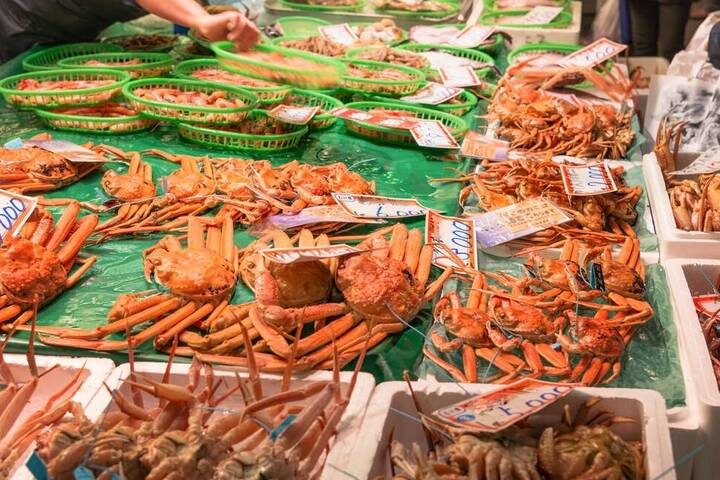
Day 2 starts at Tsukiji Outer Market, where seafood stalls give you a lively introduction to Tokyo’s food culture. The old inner market, known for tuna auctions, moved in 2018 and is not open to tourists, so this visit is to the outer market. From there, Hamarikyu Gardens offer a quieter pause, with traditional garden design set against the city’s high-rises.
A sushi lunch is included, followed by Kappabashi Street, a useful stop if you like kitchen goods. Look for pottery, knives, chopsticks and sampuru, the realistic plastic food models displayed outside many Japanese restaurants. The day ends with sweets on Asakusa’s Nakamise Shopping Street, where you may try rice crackers, red-bean-filled cakes or fried buns.
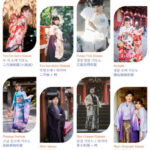
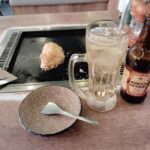
On Day 3, Meiji Jingu’s wooded grounds provide a calm contrast to the packed streets nearby. Then you head to Harajuku for an okonomiyaki lunch, cooked on the hot plate at your table with guidance. The afternoon includes Takeshita Street and a street-cart dessert, with free time later. The city’s best-known districts can be crowded, and Harajuku’s appeal is more about people-watching and youth fashion than quiet sightseeing.
Two evenings in Tokyo are left open. That gives you time to choose a restaurant, but popular high-end places may need advance booking. If you prefer a simpler meal, the tour’s included lunches already provide several good introductions to Japanese food.
You can also read our reviews of more tours and experiences in Tokyo.



Takayama and Shirakawago: the rural pause
Day 4 is a long travel day to Takayama: first the Shinkansen to Nagoya, then a regional train. The total journey is around four to five hours. Buying an ekiben, a boxed meal made for train journeys, is a practical way to turn transit into another small food experience.
Takayama’s Sanmachi Suji district has narrow streets and wooden merchant houses dating back roughly 300 to 400 years. You also visit Hida No Sato, an open-air museum of original Edo-period buildings, including thatched-roof houses. These stops help explain the region’s older rural and trading life rather than simply offering another photo stop.
The night in a family-run minshuku is one of the trip’s most distinctive experiences. Expect a traditional room with tatami mats and futon beds, plus shared bathroom facilities. A home-cooked Japanese dinner is included. It is a simpler stay than the city hotels, and the shared facilities and twin-room setup may not suit everyone, but that is part of the appeal of spending a night in a country guesthouse.
The next morning, you visit Takayama’s market and can sample Hida beef as a grilled skewer or nigiri-style sushi. Then a public bus takes you through the Shogawa River Valley to Shirakawago. Its UNESCO-listed gassho-zukuri houses have steep roofs designed to shed heavy snow; some are more than 250 years old. The stop makes the day feel less like a transfer and more like a look at how people adapted buildings to local conditions.
You continue by bus to Kanazawa, a ride of about two hours. Main luggage is sent ahead on the previous day, so you will need an overnight bag for Takayama. Pack what you need, rather than assuming you can reach your suitcase.
Kanazawa gardens and Kyoto’s tea traditions
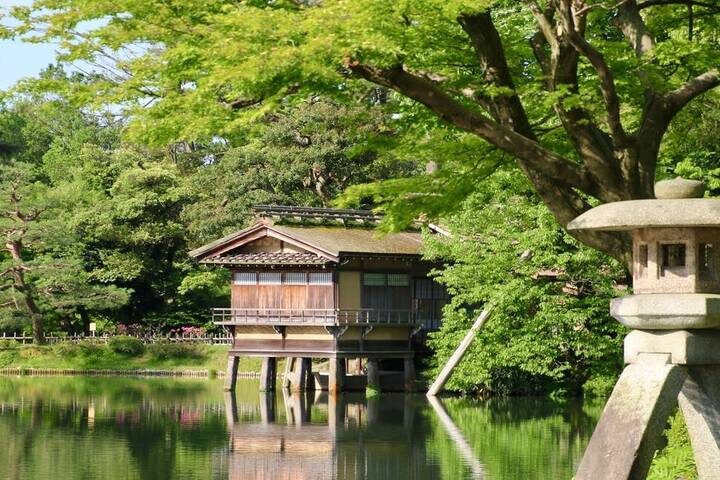
Kanazawa brings a slower day after the bus journey. Kenrokuen, one of Japan’s three celebrated gardens, covers more than 11 hectares and took close to two centuries to complete. The scale rewards a relaxed walk, though the group schedule means you will not have unlimited time to explore.
Lunch is temaki sushi, which you assemble with your choice of ingredients, followed by a wagashi-making session. These traditional sweets often use red bean paste and mochi dough, shaped to reflect seasonal themes. Both activities make the food more than a tasting: you see how ingredients and presentation fit into Japanese customs.
The afternoon is free. You might visit Higashichaya, a well-preserved geisha district, or walk through the samurai district’s narrow lanes and earthen walls. Myoryuji, often called Ninja Temple for its defensive features, is another option, though visit details and access should be checked locally. The guided schedule leaves room for a personal choice here, a useful break from group activity.
On Day 7, Omicho Market gives you another look at seafood, this time from the Sea of Japan. The train to Kyoto takes more than two hours, and again the main luggage travels separately, so carry a day bag. In Kyoto, Nijo Castle brings shogun-era architecture, extensive gardens and its famous nightingale floors, designed to squeak when walked on.
The group then visits Gion, where you may see geisha or maiko heading to appointments, but sightings are not guaranteed. An included izakaya dinner offers a spread of small dishes to share. It is a sociable meal and a good introduction to the casual Japanese drinking-house tradition.
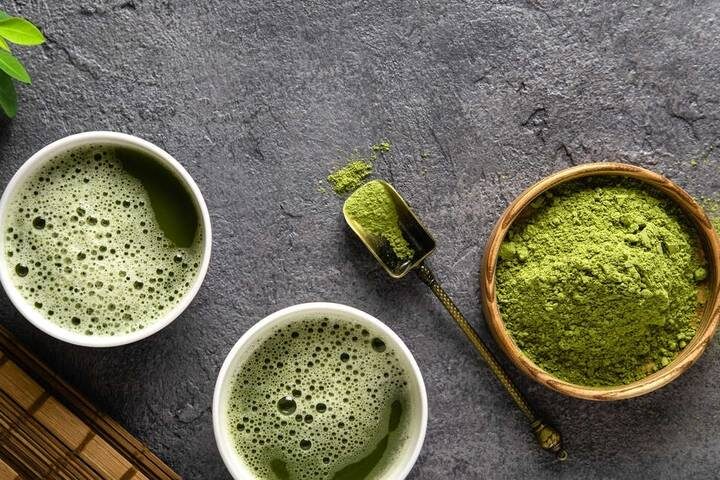
Day 8 goes to Uji, a short train ride from Kyoto and a center for high-quality green tea. At Byodoin Temple, look for the building depicted on Japan’s ten-yen coin. Matcha sweets and ice cream add a tasting stop before you return to Kyoto for a tea ceremony in Higashiyama, where you learn to prepare matcha. Kiyomizudera Temple ends the day with views over Kyoto.
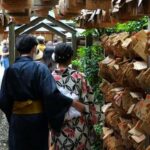
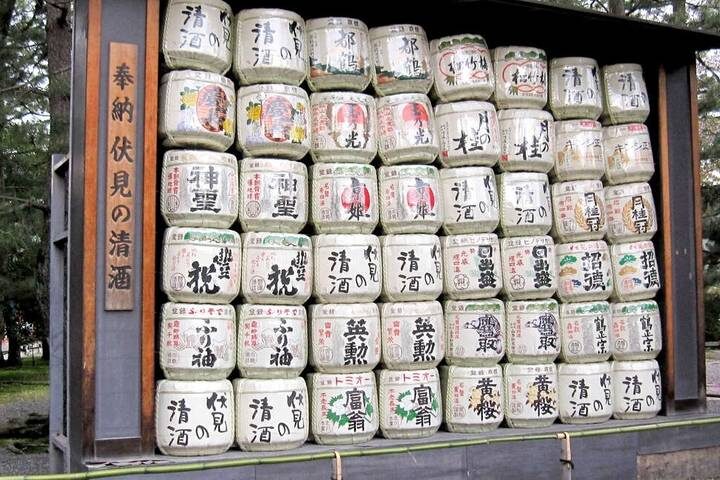
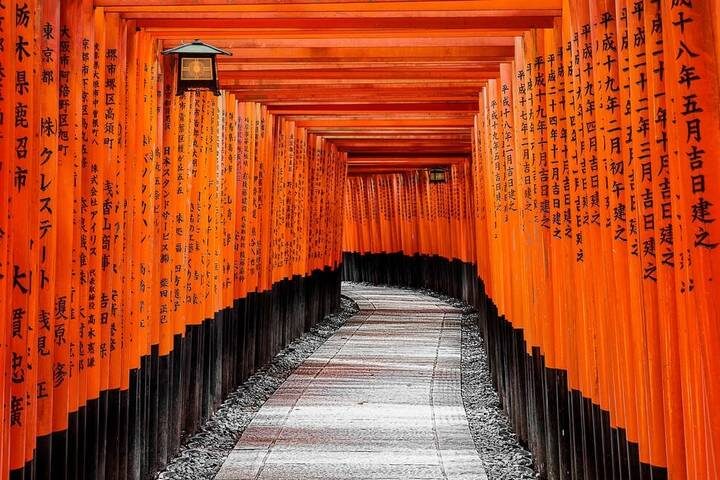
Day 9 starts with time to explore independently. Nishiki Market is a good choice for pickles, snacks and Kyoto dishes, though it can be crowded and is best approached as a browsing-and-tasting stop. Later, you visit Fushimi Inari Shrine, known for its long rows of vermilion torii gates, then the Gekkeikan Okura Sake Museum for an introduction and tasting. Teppanyaki dinner closes the day, with the chef cooking on a hot plate in front of you.
Osaka’s street food and city views
A short train ride brings you to Osaka on Day 10. The group visits Osaka Castle, a 1930s reconstruction of the 16th-century tower, set in a large park with views toward the city. It is not an untouched original castle, but the grounds and setting make it a worthwhile stop.
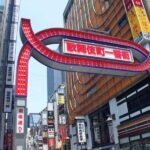
In the evening, a street-food tour in Shinsekai introduces two Osaka favorites: kushikatsu, deep-fried skewers, and takoyaki, batter balls made with octopus and dashi. This is a strong finish for anyone who likes tasting a city through its everyday dishes. The tour reaches its lively food district, but the meal is not a substitute for a full free evening to explore Osaka on your own.
Day 11 includes Namba Yasaka Shrine, whose large lion-head stage is an unusual sight, and Dotonbori, with its neon signs and Glico Man figure. At Umeda Sky Building, you ride up for 360-degree city views. Lunch and the afternoon are free, then the group meets for shabu-shabu, a hot pot meal of thinly sliced meat and vegetables cooked in broth.
The tour ends after breakfast on Day 12. Luggage storage is available for later departures, and the tour leader can arrange an airport transfer by train or shared shuttle bus. The transfer is unescorted, so allow time to walk to the station or shuttle pickup point.
What the pace, lodging and price mean
This is a medium-intensity tour, but that label should not hide the amount of walking. You will walk through markets, temples, gardens and city neighborhoods, and you will also be on your feet getting between stations and hotels. Comfortable walking shoes are essential. Public transport is part of the experience, but frequent transfers and busy days can be tiring.
The package includes 10 nights in three-star hotels and one night in a simple minshuku, plus 11 breakfasts, three lunches and five dinners. International flights, travel insurance and meals not listed as included are extra. The included meals are thoughtfully spread across the route, but you will still need a budget for several lunches, dinners and optional activities.
No current price is provided here, so I would not judge value by a guessed fare. Compare the final price with the cost of 11 nights’ accommodation, intercity trains and buses, guided sightseeing, food activities and included meals booked separately. The group leader and transport coordination also have value, especially if using Japanese rail and local buses feels daunting.
Single rooms may be available for a supplement, but not on the minshuku night, which uses twin rooms and shared bathrooms. The Osaka hotel is listed as either Shin-Osaka Washington Hotel Plaza or Karaksa Hotel Grande Shin-Osaka Tower, so confirm the assigned property when booking. The exact tour is no longer offered; Explore has pointed to its Simply Japan tour as an alternative, but check current dates and inclusions before choosing.



Should you book this Japan tour?
Choose this trip if you want a guided introduction that puts food, local transport and cultural sights on equal footing. The standout moments are the home-cooked minshuku dinner, the Shirakawago stop, the hands-on meals and the mix of Tokyo’s scale with Takayama’s quieter streets. A previous departure had a guide named Irene, though tour leaders vary.
Think twice if you want long free days, private bathrooms every night or a relaxed pace. This schedule makes efficient use of 12 days, but that efficiency means early starts, walking and frequent changes of scene. Since the exact tour is no longer offered, use its route as a useful benchmark while checking Explore’s current alternatives for comparable stops, group size and meal inclusions.
A Taste of Japan – Tokyo, Kyoto and Osaka by Explore! – 12-Day Tour
“Seeing snow on the mountain tops at Takayama, the buz of Tokyo and Oasaka, going on the bullet train and seeing the Fushimi Inari Shrine in Kyoto”
FAQ
Where does the tour start and finish?
It starts in Tokyo and ends in Osaka. There are no scheduled activities on the final day after breakfast.
How many people are in the group?
The stated group size is 10 to 16 people. The tour is guided in English.
What kind of accommodation is included?
The tour includes 10 nights in comfortable hotels and one night in a simple family-run minshuku in Takayama. The minshuku has tatami rooms, futon beds and shared bathrooms.
Can I book a single room?
Single rooms may be available for a supplement, but not for the minshuku night, when rooms are twin-share with shared bathrooms. Confirm availability and the current supplement directly with the operator.
How much walking should I expect?
You should expect a lot of walking while exploring cities, markets, gardens and temples, as well as getting between stations and hotels. Comfortable shoes are recommended.
Which meals are included?
The tour includes 11 breakfasts, three lunches and five dinners. Other meals are not included, giving you some choice about where and what to eat.
Are international flights included?
No. International flights and travel insurance are not included.
How do the airport transfers work?
A complimentary arrival transfer can be arranged from Haneda or Narita if requested. On departure, the tour leader can provide tickets and advice for a train or shared shuttle bus to Kansai International Airport or Osaka International Airport; the trip is unescorted.
Is this exact tour currently available?
No. The exact tour is no longer offered. Explore has listed Simply Japan as an alternative, but you should check its current departure dates, route and inclusions before booking.