Magome and Tsumago preserve the old Nakasendo route in a way that makes history easy to picture: sloped lanes, traditional buildings, and the sense of a road built for people traveling between Edo and Kyoto. This day tour adds a forest waterfall, so you get both historic towns and a quieter natural stop without arranging several regional connections yourself.
I like two things in particular: you get useful free time to explore rather than following a guide at every turn, and the option to walk between Magome and Tsumago can turn the transfer into a memorable stretch of trail. Ryujin Waterfall gives the day a change of pace, with a different look in each season.
The trade-off is a long day, about 10 hours, with fixed departure and return times. The English-language guiding can also vary, and the full post-town hike takes about two and a half hours, so you will need to plan your stops and stamina carefully.
- Magome’s steep old street is lined with preserved buildings and shops, with around two hours to explore at your own pace.
- The Nakasendo walk is about 8.8 kilometers, with a stated walking time of roughly two and a half hours between Magome and Tsumago.
- Tsumago has a quieter feel, and its 90-minute stop gives you time to wander and look for lunch.
- Ryujin Waterfall is a forest stop, with a short walk from the parking area reported by one participant and about an hour scheduled there.
- Nagoya transport is the main convenience, but groups can range from 8 to 45 people and traffic or weather may affect the schedule.
- The advertised starting price is $49.79, a potentially good value for a full day of transport and three stops, with meals and personal purchases not listed as included.
- Three stops, one long day from Nagoya
- Magome-juku: a steep street with Edo-period character
- The Nakasendo walk: Magome to Tsumago on foot
- Tsumago-juku: slower lanes and time to look around
- Ryujin Waterfall: a forest pause after the post towns
- What the price gets you, and what it does not
- Small preparations that make the day easier
- Is this Nagoya day tour right for you?
- FAQ
- Where does the tour leave from?
- What time does the tour run?
- How long is the walk between Magome and Tsumago?
- How much free time is scheduled at each stop?
- Are meals included?
- What languages are available?
- What is the minimum age?
- Can I cancel for a refund?
- More Tours in Nakatsugawa
- More Tour Reviews in Nakatsugawa
- Not for you? Here's more nearby things to do in Nakatsugawa we have reviewed
Three stops, one long day from Nagoya
This is a practical way to reach the Nakasendo post towns and Ryujin Waterfall without piecing together local transport. You meet at the Silver Clock in front of the Taikodori Exit of JR Nagoya Station, then travel by bus to the countryside. The stated schedule runs from 9:10 a.m. to 7:00 p.m., though the operator warns that traffic and weather can change the timing.
The tour is best understood as transport plus independent exploring, not a continuous guided history walk. The tour leader handles the group and may offer introductions, but you have self-guided time at the stops. That suits you if you like roaming at your own pace; it is less ideal if you want a detailed lecture at every landmark.
The included languages are Chinese, English, and Japanese. English ability and the amount of explanation can vary by guide. Past guides have included Xiao Gong, Xiao Guo, and Hao-san, but names and language comfort are not guaranteed for your date.
Magome-juku: a steep street with Edo-period character
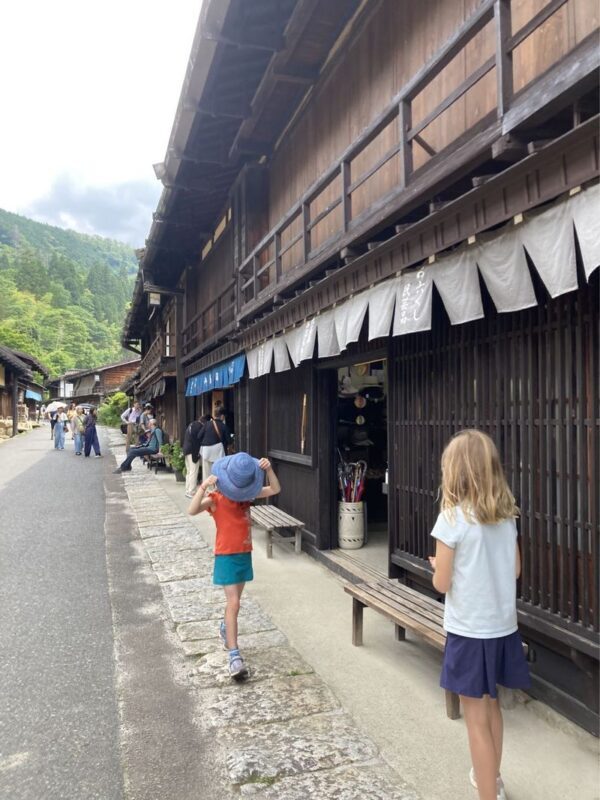
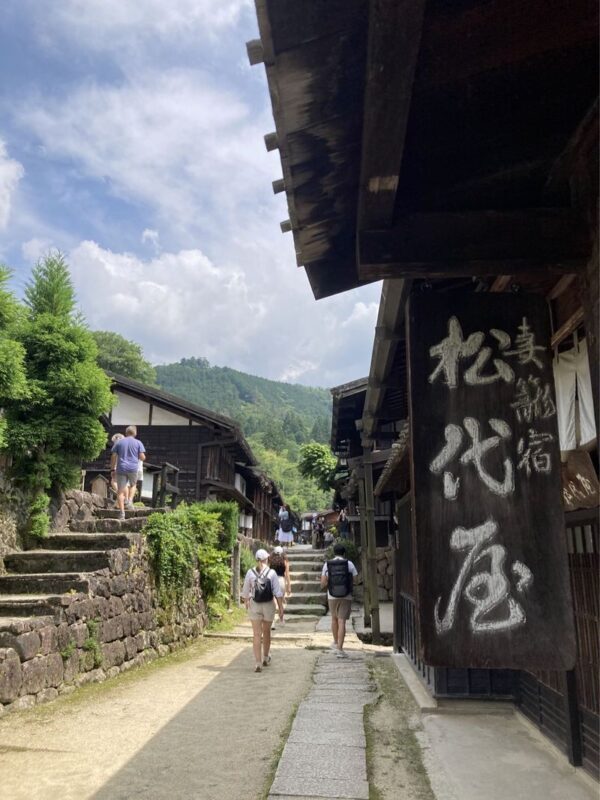
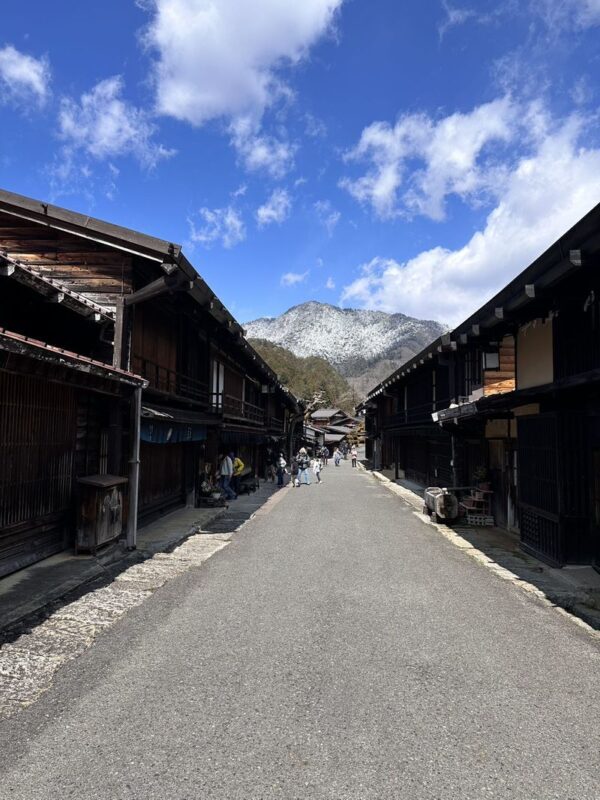
The first stop is Magome-juku, a former post town on the Nakasendo, the historic route linking Edo, now Tokyo, and Kyoto during the Edo period. Its traditional street layout and preserved buildings make it easy to imagine the town as a stop for people traveling on foot between the two great cities.
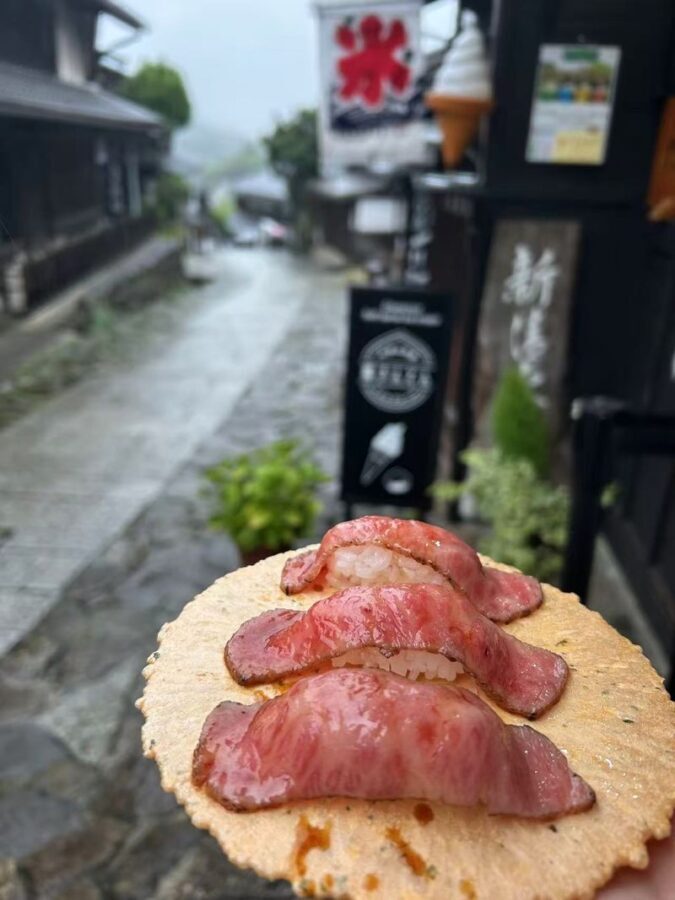
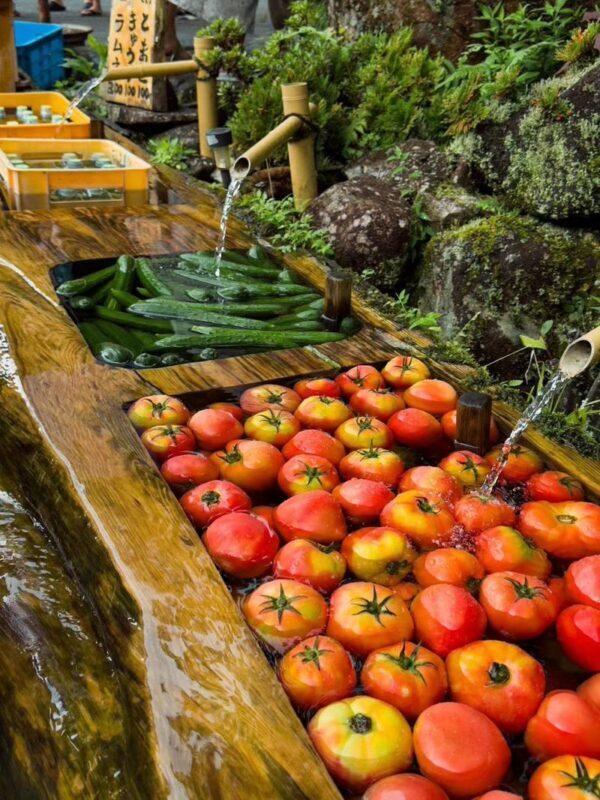
You have about two hours here. That is enough for a relaxed walk, a look into shops, and a meal or snack, provided you keep an eye on the meeting time. Chestnut rice and freshly made soba have been particular finds for some visitors. Food is not listed as part of the tour price, so budget separately and do not assume every shop will be open.
Magome is built on a slope, and the walking is not entirely flat. Comfortable shoes are a sensible choice, especially if you plan to continue on foot toward Tsumago. In strong sun or rain, the open street can feel exposed, so bring weather protection suited to the forecast.
The town can feel more commercial than Tsumago, with shops and food options along the route. That is useful if you want a break and a bite, though it can make Magome feel busier. Arriving earlier than some other tour groups is possible when roads cooperate, but it is not something the schedule can promise.
You can also read our reviews of more tours and experiences in Nakatsugawa.


The Nakasendo walk: Magome to Tsumago on foot
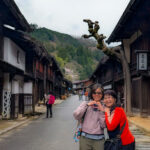
The most active option is to walk from Magome to Tsumago rather than ride the bus between them. The route is given as about 8.8 kilometers, with a walking time of roughly two and a half hours. The tour information also describes the distance as approximately eight kilometers, so treat the exact figure as an estimate.
You need to discuss the hike with the tour leader. The arrangement described is to get off at Magome and board again at Tsumago, but the tour’s standard itinerary includes a bus transfer. Do not set out without confirming the plan, meeting point, and return time with the leader on the day.
The hike changes the balance of the trip. You trade some freedom to linger at the two towns for a longer stretch of countryside walking, and you should be comfortable with several hours on foot. The towns themselves have slopes, too, so this is not a day for shoes that are only good for a few city blocks.
If you would rather keep the day easy, stay with the bus transfer. The separate stops still let you see both towns, and you can choose how far to walk within each one. The key is to make your preference clear before the group leaves Magome.
Tsumago-juku: slower lanes and time to look around
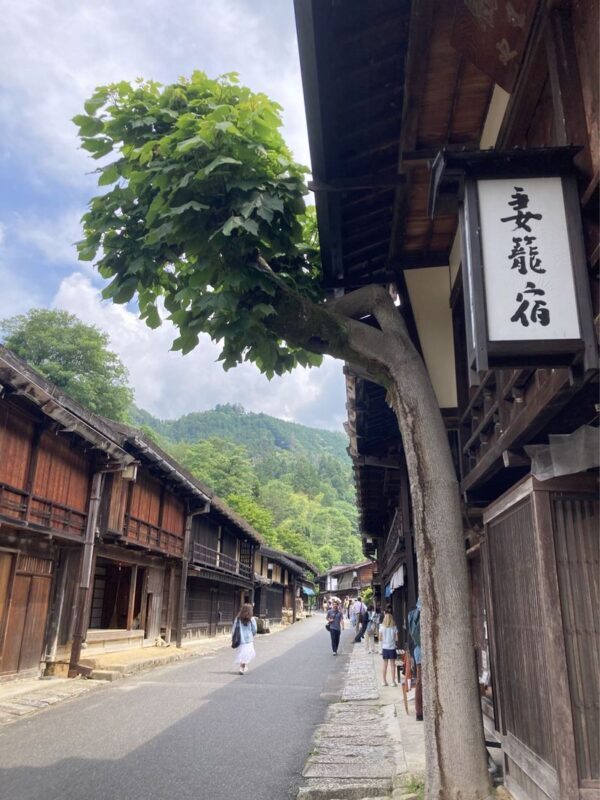
After a roughly 30-minute bus ride on the standard itinerary, the group reaches Tsumago-juku. Like Magome, it preserves buildings and the layout of a Nakasendo post town, but the two stops do not feel identical. Tsumago is often the quieter of the pair, and its streets offer a good contrast after Magome’s shops and food stops.
You have about an hour and a half here. That is enough for a walk through the town and time to take in the old buildings, but it is not a long visit if you want a leisurely meal. Food choices may be more limited than in Magome, so consider eating there first or bringing a small snack.
Keep your return time in view. This is a self-guided stop, and the bus cannot wait indefinitely for late arrivals. The tour’s value depends partly on everyone keeping to the schedule, especially with one more stop and the drive back to Nagoya still ahead.
Ryujin Waterfall: a forest pause after the post towns
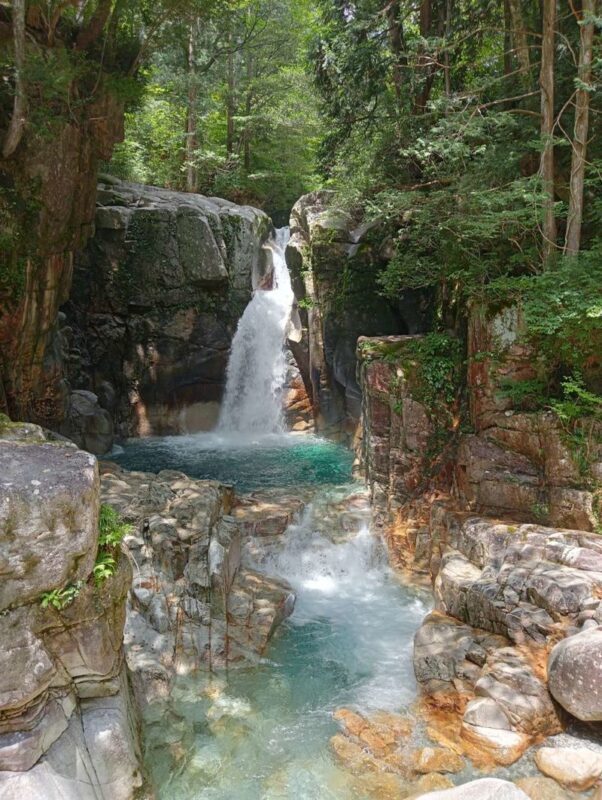
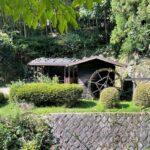
The final stop is listed as Yūmori Valley, where Ryujin Waterfall sits among trees. It is not described as a towering cascade. Its name comes from the winding shape, said to resemble a dragon, and its appeal is the setting as much as the height.
The schedule allows about one hour. A participant described the walk to the waterfall as an easy 15 minutes each way, but conditions can change with rain and trail upkeep. Take care on wet ground, and wear shoes that can handle a short walk on a forest path. One visitor also warned about leeches in rainy conditions, so check your socks and shoes afterward if the trail is wet.
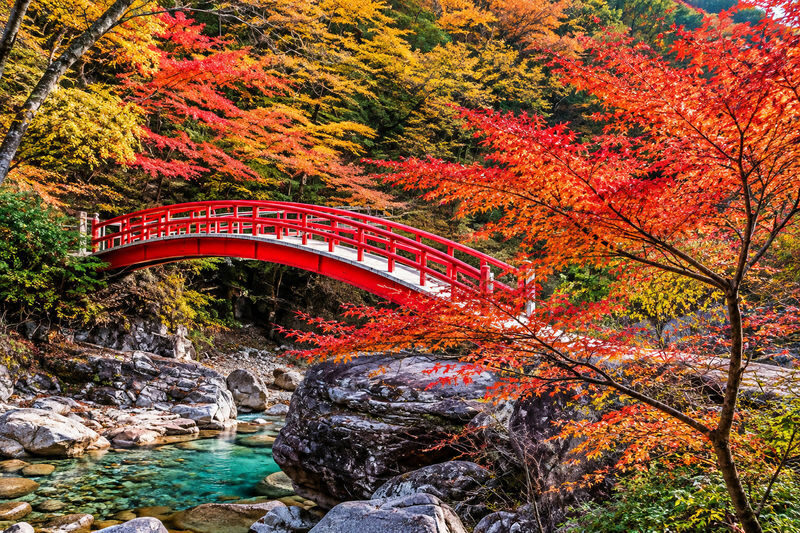
The waterfall changes with the seasons: spring greenery, summer shade, autumn color, and winter snow are all part of its appeal. Autumn is the draw for foliage, though the exact color depends on timing and weather. The stop may feel modest if you expect a major waterfall; it works better as a calm nature break after the old streets.
Some visitors have reported swimming in the water, but swimming is not listed as an included activity or guaranteed option. Ask the tour leader about current conditions and rules rather than planning your day around it.
What the price gets you, and what it does not
With prices from $49.79, the tour can offer strong value if you want to visit all three places in one day. The main savings are effort and time: you do not have to work out the separate transport connections from Nagoya or coordinate the transfers between the post towns and the valley.
Think of the price as covering a full-day group outing, not a private tour or a meal package. The details list multilingual staff, transport between stops, and free time for independent visits. Meals, snacks, and any personal purchases are not listed as included.
Group size is listed as 8 to 45. A smaller group can make boarding and timing feel more personal, while a full group may mean more time spent gathering everyone at each stop. The stated minimum is eight participants, and the operator may cancel if it is not met. Some past departures have gone ahead with fewer people, but you should not count on that.
The most consistently praised parts of the experience are the convenient transport, careful driving, punctual scheduling, and generous time to explore. Those are meaningful strengths on a day that covers several places. There are also accounts of traffic delays, shortened time at a stop, and uneven guiding, so flexibility matters.


Small preparations that make the day easier
Arrive at the Silver Clock meeting point 10 minutes early. Staff hold an EASYGO flag, and you register by giving your name. The meeting window is 9:10 to 9:20 a.m.; late arrivals and no-shows are not refundable.
Wear comfortable walking shoes. The historic streets are sloped, the Nakasendo option is a substantial walk, and the waterfall stop involves a forest path. Bring water and weather protection, especially in summer sun or rain. The tour does not list meals as included, so plan to buy food during your time in Magome or bring a snack.
Keep your day’s expectations flexible. The schedule may change because of traffic or weather, and construction traffic has caused delays on some trips. A smaller group can make the ride feel relaxed, but group size and the exact vehicle can vary. The return is scheduled for 7:00 p.m. at JR Nagoya Station.
Is this Nagoya day tour right for you?
Book it if you want an efficient way to see Magome, Tsumago, and a forest waterfall without organizing regional transport yourself. It is especially appealing if you enjoy historic streets, can manage some uphill walking, and are happy to explore independently between set departure times.
Choose another plan if you want a fully guided cultural tour, a long sit-down lunch, or complete control over how long you stay at each stop. The optional Nakasendo walk is a fine reason to book for active visitors, but confirm the arrangement with the tour leader before setting off.
At this price, the tour’s strongest value is the combination of transport and access to three distinct stops in one day. Go with comfortable shoes, a watch, and realistic expectations about guiding, and you have a useful country break from Nagoya.
Departing from Nagoya: Chubu Shoryudo – Tsumago-juku & Magome-juku & Ryujin Waterfall Tour
“The transportation for this trip was convenient, and we arrived at our destination quickly. We leisurely strolled along the old street and stopped…”
FAQ
Where does the tour leave from?
Meet in front of the Silver Clock at the Taikodori Exit of JR Nagoya Station. Look for staff holding the EASYGO flag and arrive 10 minutes before departure.
What time does the tour run?
The scheduled departure is between 9:10 and 9:20 a.m., with a planned return to JR Nagoya Station at 7:00 p.m. Traffic and weather can change the schedule.
How long is the walk between Magome and Tsumago?
The route is about 8.8 kilometers, with an estimated walking time of roughly two and a half hours. Ask the tour leader about getting off at Magome and boarding again at Tsumago before starting the walk.
How much free time is scheduled at each stop?
The itinerary allows about two hours at Magome-juku, an hour and a half at Tsumago-juku, and one hour at Yūmori Valley and Ryujin Waterfall.
Are meals included?
Meals are not listed as included. You have time to look for food during the town stops, with more food options noted in Magome than in Tsumago.
What languages are available?
Chinese-speaking, English-speaking, and Japanese-speaking staff are included. The amount of explanation in English may vary by guide.
What is the minimum age?
Participants must be at least 6 years old.
Can I cancel for a refund?
A full refund is available if you cancel at least 24 hours before the activity date, using destination local time. If the operator cancels because of extreme weather or too few participants, you can reschedule or request a full refund.