Nerikiri are small works of edible art: soft rice dough and sweet white bean paste shaped by hand into delicate confections. In Sapporo, instructor Yuki teaches you how to make four of them in a two-hour class, drawing on techniques she learned from a Japanese chef who once served the Imperial Household.
I like that this is a hands-on lesson with a skilled, English-speaking instructor, not just a tasting, and that you get to enjoy your finished sweets with green tea. The calm studio setting also offers a quieter, more personal change of pace from city sightseeing.
One thing to weigh: the class is outside central Sapporo, and transport is not included. Nerikiri also calls for careful handwork, so if fiddly details aren’t your thing, the host recommends considering a flower sushi roll class instead.
- Make four nerikiri sweets: Learn traditional hand-shaping techniques and create your own set of delicate confections.
- Learn from Yuki: Your instructor is a professional wagashi teacher who has appeared on TV.
- Take a quiet break: The studio is in a peaceful neighborhood beyond the city center.
- Sip green tea: A complimentary drink accompanies the class, and you can savor your sweets with your host.
- Bring the lesson home: English-language recipes are included, and you can request the dough recipe.
- Choose a class format: The two-hour class starts at US$70.25; a private class starts at US$149.79.
- Four sweets, one patient lesson
- A warm welcome, then a cup of tea
- What making nerikiri feels like
- Taste your work or take it with you
- Getting to the studio near Makomanai
- Is the class worth the price?
- Who will enjoy this Sapporo class
- Booking details to sort out
- Should you book?
- FAQ
- How long is the wagashi-making class?
- How many sweets will I make?
- Where is the meeting point?
- Is transport included?
- Is the class taught in English?
- Can children join?
- Can dietary requirements be accommodated?
- What is included in the price?
- The Best Of Sapporo!
- More Dessert Tours in Sapporo
- More Tours in Sapporo
- More Tour Reviews in Sapporo
- Not for you? Here's more nearby things to do in Sapporo we have reviewed
Four sweets, one patient lesson
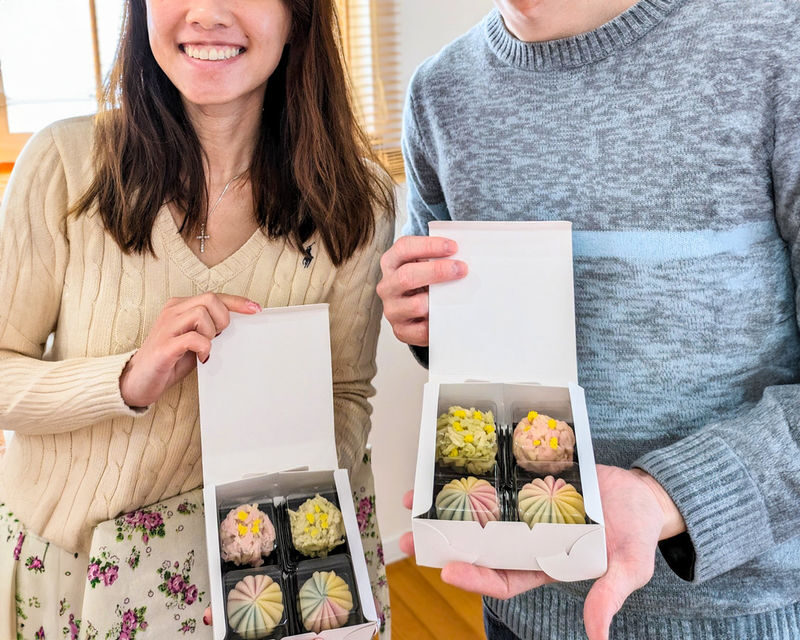
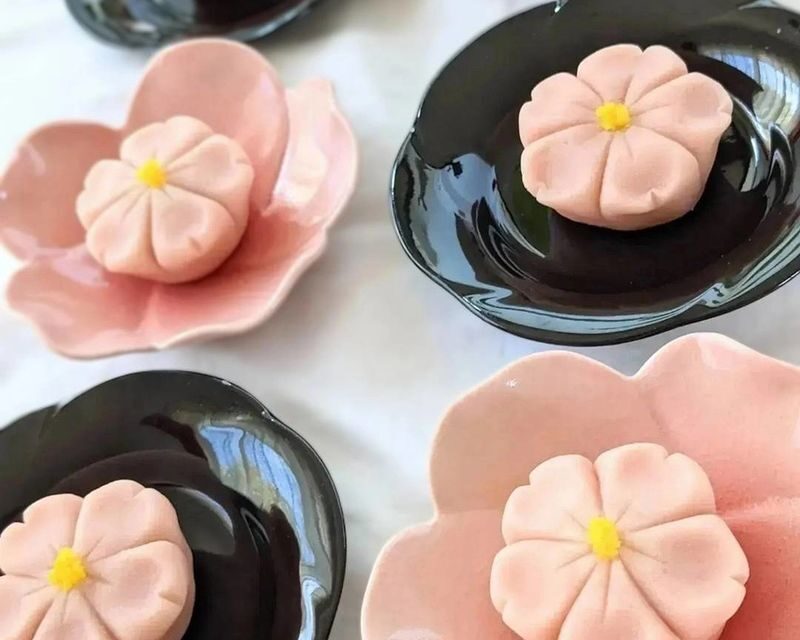
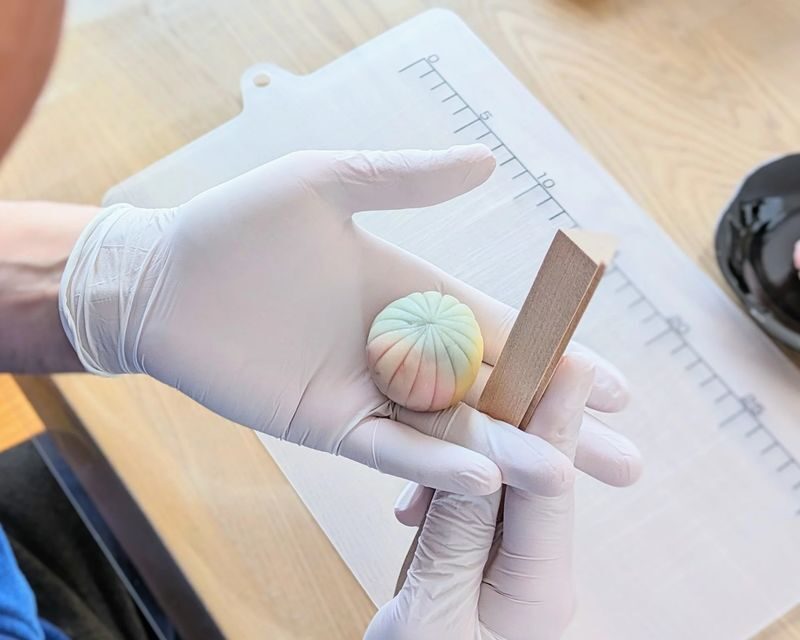
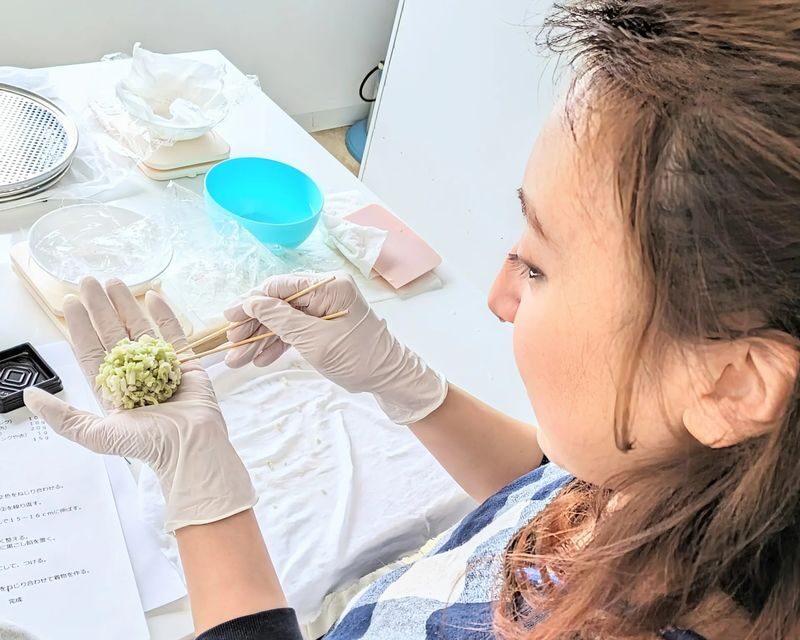
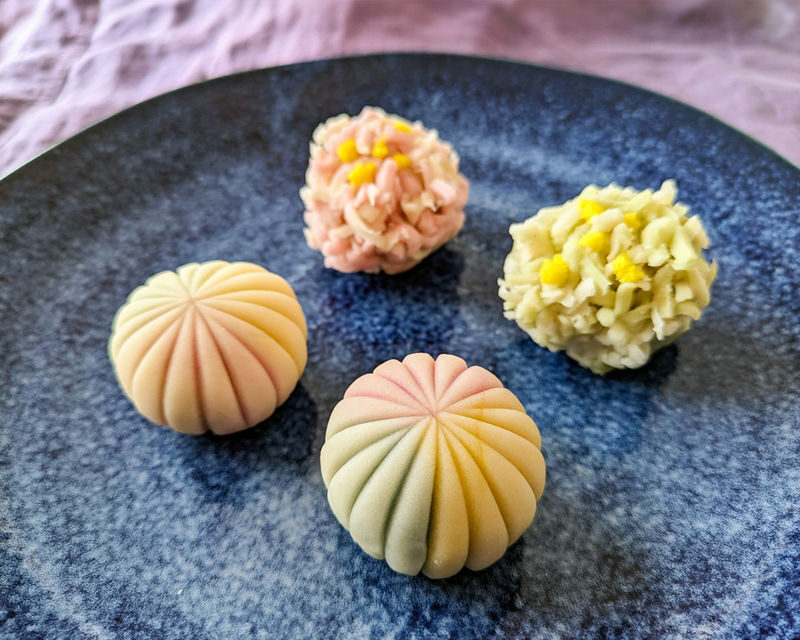
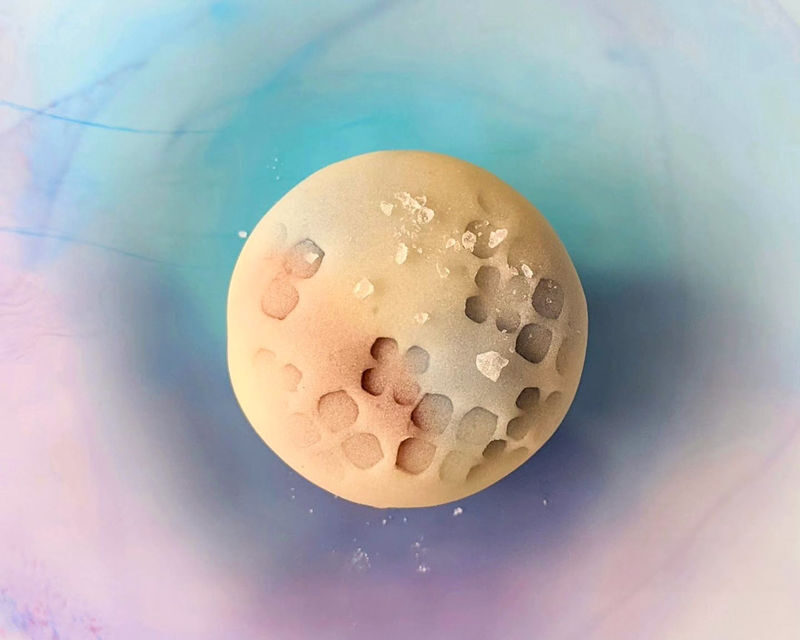
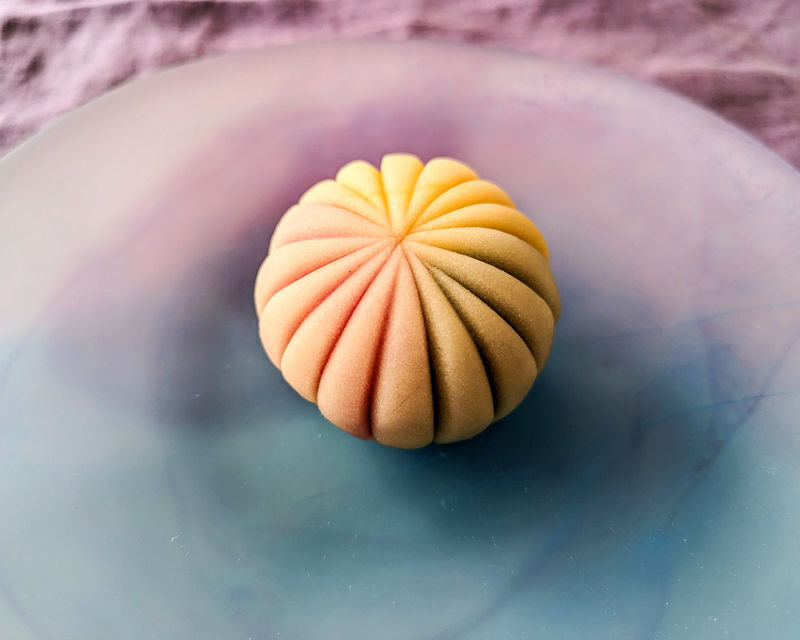
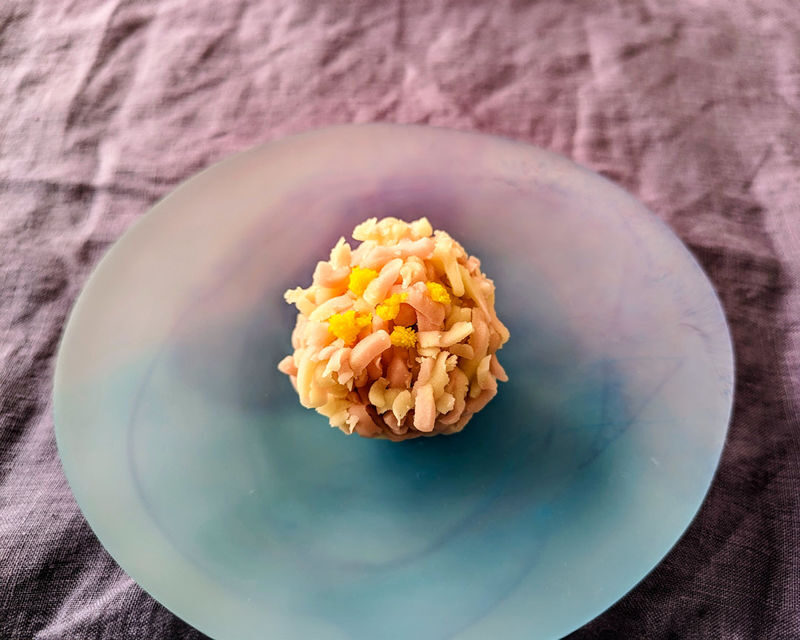
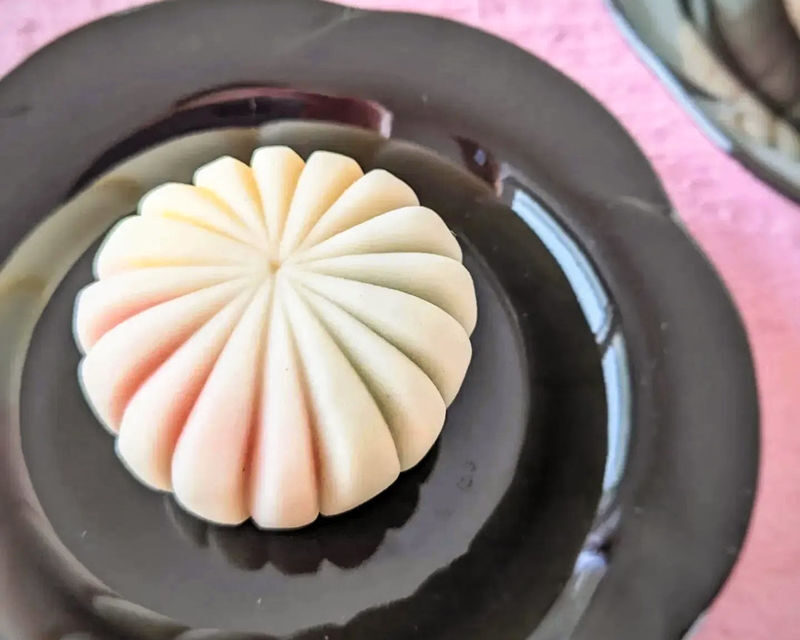
Wagashi is the broad family of traditional Japanese sweets, and nerikiri is one of its most sculptural members. You work with a pliable dough made from rice and sweet white bean paste, shaping it into small, carefully finished pieces. The class gives you a chance to understand the craft through your hands, not only by looking at finished sweets in a shop window.
Yuki leads you through making four pieces. That is enough repetition to get a feel for the dough and the shaping, while keeping the session manageable for a first-timer. The goal is not simply to produce four treats. It is to learn how much patience and touch go into something that can look almost too pretty to eat.
The class is listed as two hours, which gives you time for an introduction, guided making and a relaxed finish. It is a good fit if you want a focused activity rather than a long cooking course. You should still expect to follow detailed instructions and work with your hands. The end result may not look exactly like the instructor’s, and that is part of the fun.
Yuki has studied with a Japanese chef who once served meals to members of the Imperial Household. That background adds context to the class, but the useful part for you is her professional experience and the chance to learn techniques passed down through generations. She has also been featured on TV.

👉 See our pick of the 10 Best Guided Tours In Sapporo
A warm welcome, then a cup of tea
The class begins at Yuki’s studio with green tea or another complimentary drink. You can settle in before the work starts, hear an introduction to nerikiri, and get a sense of what you will be making. That gentle start suits the activity: this is a quiet craft lesson, not a race to finish a recipe.
The setting is a welcoming home studio in a peaceful neighborhood. Several people who took the class with children found it a good family activity, and Yuki’s patience is a recurring theme. If you are traveling with a child who enjoys hands-on projects, making sweets together can be more memorable than simply buying a box of them.
Still, this is detailed food art. The host specifically suggests a flower sushi roll class for people who do not enjoy fine, careful work. If you like shaping, pinching and adjusting small pieces by hand, you are likely to find the process calming. If you would rather cook by feel and move quickly, this may test your patience.
You can also read our reviews of more tours and experiences in Sapporo
What making nerikiri feels like
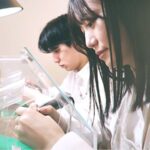
The ingredients and utensils are provided, so you do not need to bring specialist tools. Yuki demonstrates the techniques and guides you as you make four sweets. You will work with the rice dough and sweet white bean paste, learning how to shape and finish each piece.
The appeal is in the small decisions: how to handle the dough, how much pressure to use, and how to bring a piece into shape. Those details are also why no two beginners’ results need to look alike. One participant was pleased with sweets that did not turn out perfectly, and that is a sensible way to approach the class. You are there to learn and make something by hand, not to pass a pastry exam.
The provided information does not specify the exact designs you will make, so do not book expecting a particular flower or seasonal pattern. The reliable promise is four handmade nerikiri sweets and instruction in authentic techniques. Yuki’s clear explanations and patient teaching should help even if you have little experience with food decoration.
Taste your work or take it with you
Once the sweets are ready, you can relax with Yuki and enjoy them with green tea. This finish gives the class a pleasant rhythm: learn, make, then pause and taste. It also helps you appreciate the balance of sweetness and texture in a traditional confection you have just shaped yourself.
You can also take your creations home. If you want to try making them again, recipes in English are included, and you can request the dough recipe. One particularly useful touch is that Yuki has shared advice about where to find ingredients that may be hard to source outside Japan. If recreating the sweets matters to you, ask about the recipe before the class ends.
The class accommodates vegetarian and vegan diets, as well as gluten intolerance. Share any allergy or dietary restriction when you book, in the notes section, so the host can plan accordingly. The supplied details do not list every ingredient or promise that all allergens can be avoided, so be specific about what you need.
Getting to the studio near Makomanai
The meeting point is Makomanai Station, but the studio is not right at the station. The directions provided say to meet the host at the bus stop in Ishiyamahigashi 7 chome, about 10 minutes from Makomanai by bus. More detailed directions and a map link are sent with the voucher.
Allow time to get there, and check the route carefully before setting out. Public transport is not included, and neither is hotel pickup or drop-off. Some people have received extra help from Yuki with station pickup, but that should not be treated as a standard service. Confirm any transport arrangement directly rather than building it into your plan.
If you are driving, mention that when you book so the host can share parking information. The neighborhood’s quiet feel is part of the appeal, but it also means you should plan the return trip rather than assume you can simply walk back into central Sapporo.
Is the class worth the price?
The two-hour class starts at US$70.25 per person. For that, you get an English-speaking guide, a certified professional instructor, ingredients and utensils, a complimentary drink, four sweets to make, and English-language recipes. That is a fair package if you value instruction and a personal cultural activity more than a quick food demonstration.
The private class starts at US$149.79. It costs more, but may make sense if you want a session focused on your own party or prefer a more personal format. The available information does not specify private-class size or exactly how its teaching differs, so check those details before paying the higher price.
The best value comes if you are curious about Japanese food traditions and enjoy learning a practical skill. If you only want to eat wagashi, a sweet shop will be cheaper and quicker. Here, you pay for the time with an experienced instructor, the chance to make the sweets yourself, and a recipe you can use afterward.




Who will enjoy this Sapporo class
I would recommend the class to anyone who likes crafts, traditional food or low-key cultural activities. It is especially appealing if you want to spend time with a local instructor and get beyond the usual restaurant meal. The English instruction makes it accessible even if you do not speak Japanese.
Families can consider it too. Children aged six and older are charged the adult rate, and children aged six to seventeen must attend with a paying adult. Infants and children must be included in the passenger headcount when booking. The careful handwork may suit children who like patient, detailed activities more than those who prefer to move around.
This is not the strongest choice for a tight Sapporo schedule if reaching the studio will be awkward. Nor is it ideal if you dislike detailed work. But if you can set aside two hours plus travel time, the class offers a calm, tangible way to spend part of a day.
Booking details to sort out
The voucher is valid only on the date and time specified, and you present it on your mobile device. Confirmation should arrive within 48 hours; if it does not, contact customer support. Cancellations made at least 72 hours before the activity date, using local time at the destination, qualify for a full refund.
When booking, provide the names of all participants and list allergies or dietary restrictions in the notes. Groups of 13 or more should inquire about availability. If you are going by car, state that too so you can receive parking information.
Should you book?
Book this class if you want more than a sweets tasting: you will learn from Yuki, make four nerikiri by hand, and have time to enjoy them with tea. It offers a thoughtful introduction to Japanese confectionery in a calm setting, with practical recipes to take away.
Skip it if your schedule cannot accommodate the trip to Makomanai, or if precise handwork sounds like a chore. For curious eaters and patient makers, though, this is a worthwhile way to spend two hours in Sapporo.
Sapporo Wagashi Sweets Making
“We had the best time at Yuki's workshop. Yuki is very kind and patient. She explains all steps very clearly and is very skilled at making wagashi….”
FAQ
How long is the wagashi-making class?
The standard wagashi-making class lasts two hours.
How many sweets will I make?
You will make four nerikiri sweets with the instructor’s guidance.
Where is the meeting point?
The meeting point is Makomanai Station. The directions say to meet the host at the bus stop in Ishiyamahigashi 7 chome, about 10 minutes from the station by bus. Detailed directions and a map link are provided with the voucher.
Is transport included?
No. Transport, hotel pickup and drop-off are not included.
Is the class taught in English?
Yes. An English-speaking guide is included, and the recipes are provided in English.
Can children join?
Children aged six and older can join at the adult rate. Children aged six to seventeen must be accompanied by a paying adult, and infants and children must be included in the passenger headcount.
Can dietary requirements be accommodated?
The activity can accommodate gluten intolerance, vegetarian diets and vegan diets. Provide details of allergies or dietary restrictions in the booking notes.
What is included in the price?
The class includes a certified professional instructor, an English-speaking guide, ingredients and utensils, complimentary drinks such as green tea, and wagashi recipes in English.