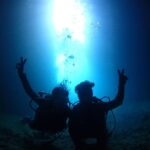
Onna’s Blue Cave is a quick boat ride from shore, but the light inside can make it feel like another world: sunlight filters through the water and paints the cave in bright blue. I like two practical features here: Cantonese instruction makes safety directions easier to follow, and the boat entrance avoids the steep stairs and shore-side queues that can come with other cave visits.
The main trade-off is that the cave is not guaranteed. Rough weather can send the boat to a different site, and the popular area can get crowded, especially around midmorning. If the cave itself is your only reason to book, keep your expectations flexible.
- What to know before you book
- The Blue Cave, reached by boat
- From check-in to the water
- Choosing snorkelling or beginner scuba
- Why the Cantonese instruction matters
- Photos, equipment, and the real cost
- Weather, crowds, and practical planning
- Who will get the most from this trip
- FAQ
- How long does the activity take?
- Where is the meeting point?
- What time can I depart?
- Can I get to the meeting point by bus?
- Is parking available?
- What should I bring and wear?
- What are the age limits?
- Are photos included?
- Is the Blue Cave visit guaranteed?
- The Best Of Okinawa!
- More Snorkeling Tours in Okinawa
- More Tours in Okinawa
- More Tour Reviews in Okinawa
- Not for you? Here's more nearby things to do in Okinawa we have reviewed
What to know before you book
 1 / 8
 2 / 8
 3 / 8
 4 / 8
 5 / 8
 6 / 8
 7 / 8
 8 / 8
- The boat makes access simpler: You board at Maeganeku Fishing Port rather than climbing down steep steps to the water.
- Small groups keep instruction personal: Snorkel groups are limited to six people; scuba groups to two.
- Cantonese is a practical safety advantage: Staff also speak Chinese and English, and instructors guide you through equipment and basic techniques.
- You can choose snorkelling or scuba: Options include snorkelling, a beginner scuba session, a combined package, and a two-session option for certified scuba participants.
- Weather can change the destination: The captain may substitute the Coral Farm at Yamada for the Blue Cave when conditions call for it.
- Bring a towel and wear your swimsuit: You put on a wetsuit at the meeting point, but it is worth confirming exactly what equipment is supplied before booking.

👉 See our pick of the 5 Best Tours In Okinawa
The Blue Cave, reached by boat
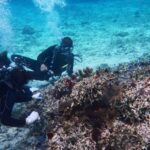
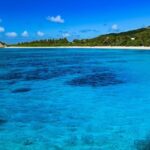
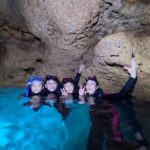
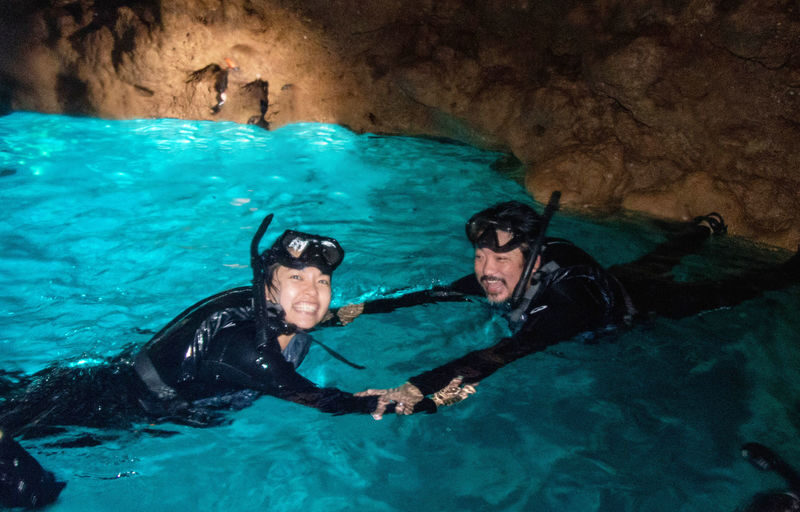
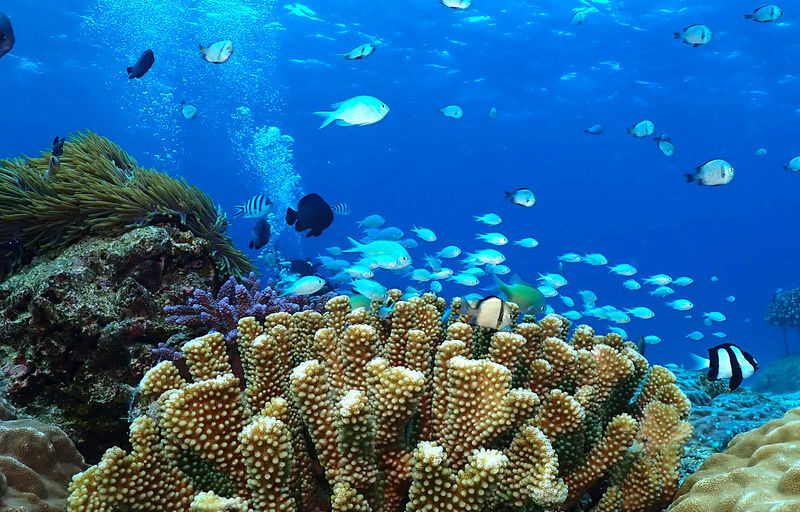
The Blue Cave, also called the Blue Grotto, is the draw here. Sunlight entering the cave gives the water its luminous blue appearance, while the surrounding area offers fish and coral to look for during the session. The cave is a natural setting, not a private attraction, so you may share the water with other groups.
The boat approach is one of the clearest advantages of this trip. You avoid a steep stairway into the sea, and one family described the crossing as less than ten minutes in good conditions. Treat that as a useful indication, not a guaranteed travel time: sea and weather conditions can affect the journey.
There is a difference between seeing the cave and having time to linger in it. The outing lasts about two hours in total, including check-in, changing, briefing, boat travel, the activity, and a rinse afterward. One scuba participant felt there was too little time to take in the cave itself, so if you hope to study every patch of blue, remember that this is a short guided session rather than a long cave visit.
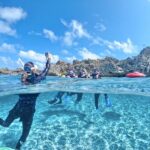
The cave area can also be busy. Midmorning has been described as crowded, with people waiting their turn for photos. An early departure may suit you if you want to avoid the strongest heat or hope for a quieter start, but no time slot guarantees an empty site.
You can also read our reviews of more snorkeling tours in Okinawa


From check-in to the water
Plan on meeting at DayDayGoodDays Okinawa Cantonese Diving Shop’s Onna Blue Cave meeting point at Maeganeku Fishing Port. The exact departure time is confirmed with your booking. Available starts are listed at 08:10, 10:10, 12:10, and 14:10, though not every return time is available with every start.
Arrive ten minutes early. You will fill out a health form, get changed, and listen to instructions before boarding. The operator asks you to arrive already wearing a swimsuit, so changing on arrival should mainly mean putting on the wetsuit and any supplied equipment. Bring your own towel and beach slippers.
The briefing covers instructions and precautions, followed by help with your gear. You should enter the water only once you understand the basics and feel ready. The experience is promoted for beginners, but one participant felt the snorkelling instruction was too casual for someone who could not swim. If you are nervous in open water, say so before departure and ask the instructor to explain what support is available. A life jacket was mentioned by one snorkeller, but do not assume you can choose to go without one.
After the activity, the boat returns to the harbour. You hand back the equipment and have a quick rinse. Some participants have used changing rooms near the shop, but reports about changing arrangements are mixed, so do not count on private or gender-separated facilities. This is a practical outing, not a spa stop.
Choosing snorkelling or beginner scuba
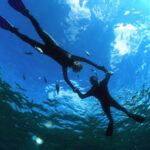
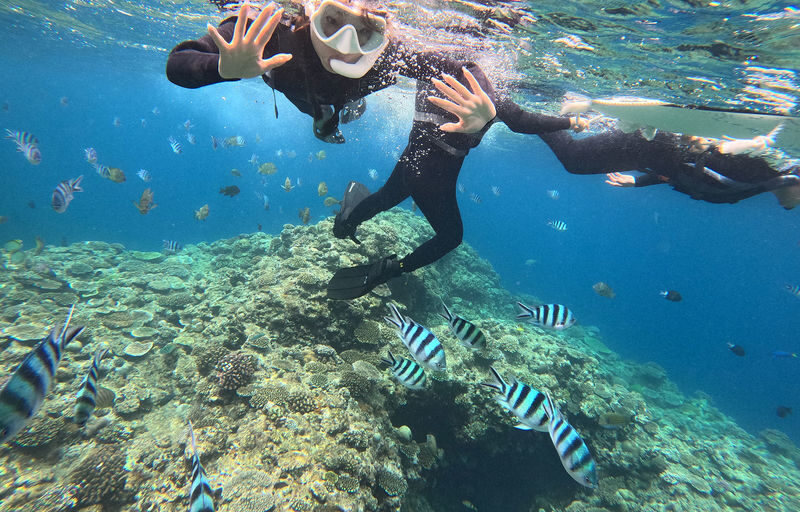
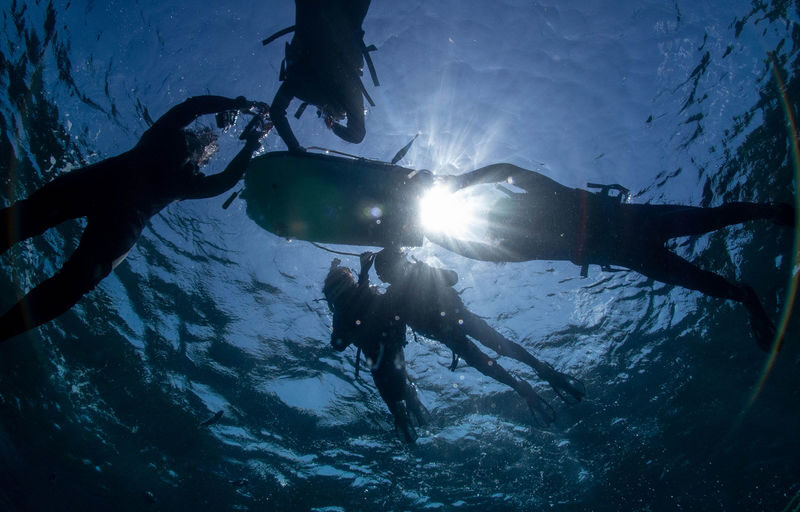
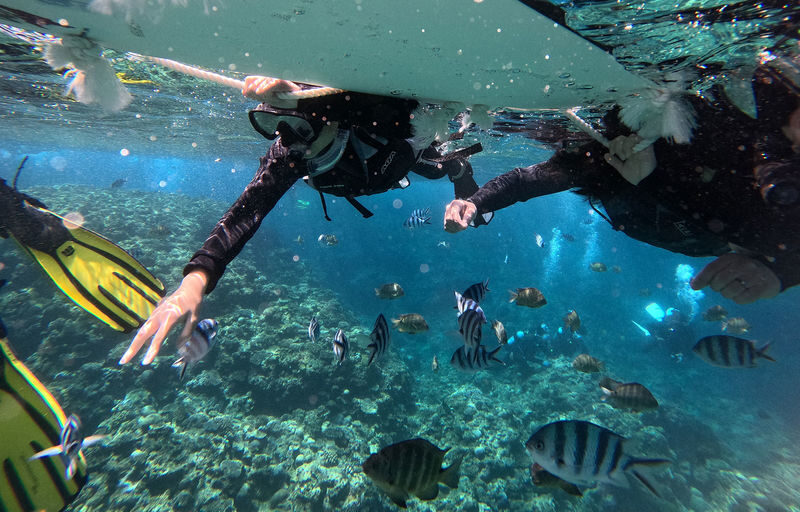
Snorkelling is the simpler choice if you want to float at the surface and watch fish without learning scuba equipment. You will be shown basic breathing and equipment use, then follow your instructor in the water. Some snorkellers hold onto a float as they follow the guide, which can help if you are new or do not feel confident swimming.
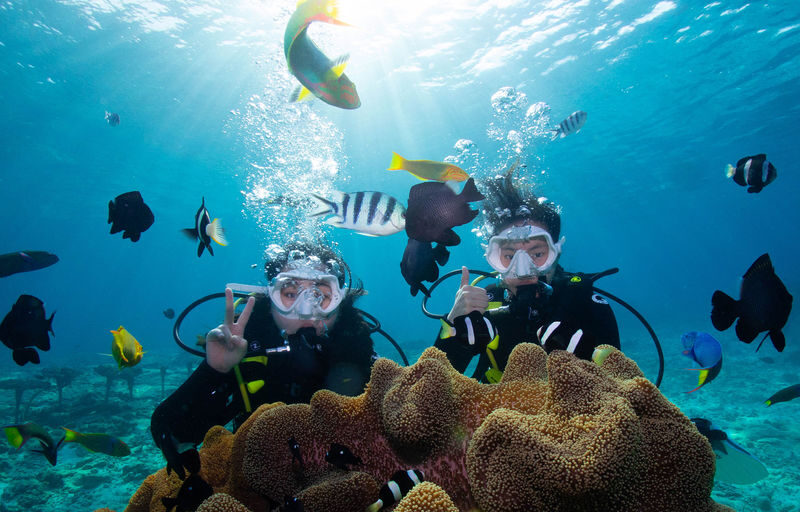
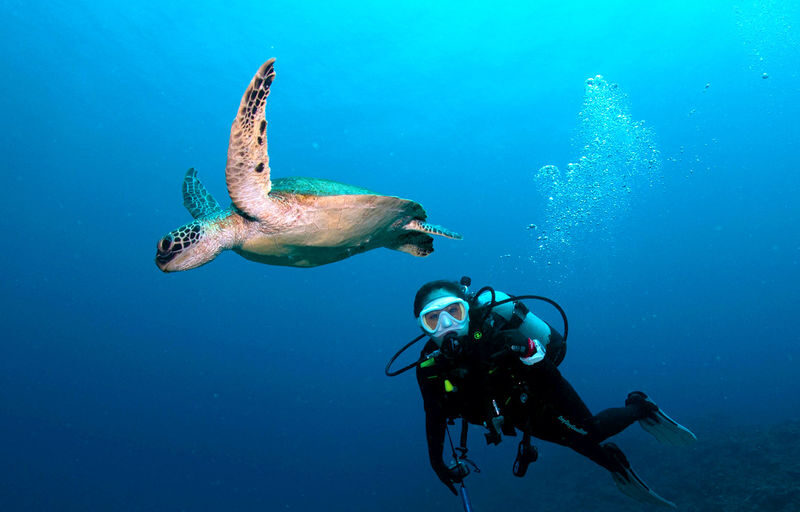
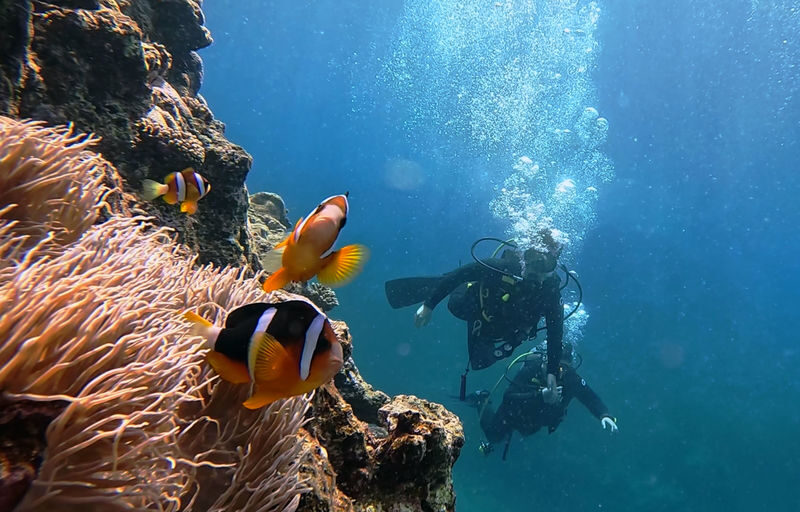
Scuba gives you a closer look below the surface, but it requires more instruction and a different comfort level. The beginner session is for people aged 10 to 60, and the small group cap of two gives the instructor room to focus on each participant. Several first-time scuba participants found clear, repeated explanations reassuring. If you have never snorkelled, trying that first may help you get used to the water before deciding on scuba.
A combined snorkel-and-scuba option is also available. Certified scuba participants can select a two-session package, but equipment fees are excluded for that certified option. Check the precise package inclusions before paying, since the general statement that equipment is included does not apply to every product.
Age limits vary by activity. Snorkelling is listed for ages 4 to 65, while scuba is for ages 10 to 60. Children aged 4 to 11 must be with a paying adult, and children under 11 cannot participate alone. The general eligibility notes say participants must be under 65; seniors aged 65 or older should present a medical certificate. If you are booking for a child or older adult, confirm eligibility with the operator rather than relying on the broad age range alone.
Why the Cantonese instruction matters
A guide who can explain things in your language is more than a comfort. It can make instructions about breathing, hand signals, equipment checks, and what to do in the water easier to understand. Staff are listed as speaking Cantonese, Chinese, and English, with certified instructors leading the activities.
Names mentioned by participants include Sam, Samson, Leo, Kenji, and Bob. You cannot choose a particular instructor based on the details provided, and the guide on your date may differ. Still, the consistent strength of this operation is attentive instruction: guides have helped adjust masks and fins, explained techniques step by step, watched children closely, and pointed out fish.
Some beginners who could not swim felt comfortable with an instructor beside them, but that should not be treated as a promise that every non-swimmer will find the activity easy. Be honest about your swimming ability and health, read the health checklist, and ask questions before entering the water. The activity is not recommended for people with high blood pressure, epilepsy, asthma, other serious medical conditions, or for pregnant women.
Photos, equipment, and the real cost
The starting price is $56.85 for the snorkelling experience. For a two-hour outing, the value rests on what is bundled: boat transport, an instructor, necessary equipment, insurance, and taxes are included in the general package details. That is useful if you would rather not arrange a boat and guide separately.
The price does not include personal expenses, and the certified two-session scuba option excludes equipment fees. There is also a paid waterproof camera rental for ¥3,500 per camera. Availability is limited, so request one when booking if you need it; you can also bring your own waterproof camera.
The instructor may take five to ten complimentary photos when it is safe to do so, with a download link provided afterward. Guides have also helped participants pose or framed underwater pictures, which is a nice extra if you do not own a camera. Do not make photos the main reason to book, though: safety and sea conditions come first, and complimentary shots are not guaranteed.
One point deserves a check before you go: the included-equipment details and one participant’s account differ on whether wetsuits are supplied. Confirm this directly with the operator, and ask about any other gear you expect to use. You will need to enter your height, weight, shoe size, and glasses prescription accurately when reserving, which helps the team prepare suitable equipment.
You can also read our reviews of more scuba diving tours in Okinawa

Weather, crowds, and practical planning
The cave is subject to sea conditions. If the captain decides it is unsafe, the group may go to the Coral Farm at Yamada instead. That can be disappointing if you booked specifically for the cave, but a site change is a sensible safety measure. The alternative still gives you a chance to see Okinawa’s water and marine life.
Departure times begin as early as 08:10. One family chose the early session to avoid the heat and found the water calm that day, but conditions vary. The 10:10 start may be busier at the cave, based on reports of queues around that time. If you have flexibility, an earlier time may be worth considering, while keeping in mind that weather can shape the day more than the clock.
The meeting point is at Maeganeku Fishing Port in Onna. Bus 120 runs from Naha or Nago, and the Maeganeku stop is about a four-minute walk from the meeting place. If you drive, free parking is available near the shop in the harbour, with no reservation required. Use the provided map code, 206 096 375*53, to find the parking area.
Book the departure time you intend to use and arrive early. Late arrivals and no-shows are not refundable. You can cancel for a full refund at least 72 hours before the activity date; if extreme weather or another unforeseen event leads the operator to cancel, you can reschedule or request a refund. The activity voucher is valid only for the selected date and time.
Who will get the most from this trip
I would consider this a good fit for first-time snorkellers who want an instructor nearby, families with children who meet the age rules, and Cantonese speakers who value clear communication. The small group limits are especially useful for beginners, though they do not mean you will have the cave to yourself.
Scuba beginners may also find the two-person group size reassuring. If you are already certified and want two sessions, check the equipment charge before comparing prices. Strong swimmers who want to spend a long time exploring the cave may find the two-hour format brief, while anyone uncomfortable with crowds should be prepared to share the water.
Book if a guided, boat-access visit and language support matter more to you than a guaranteed cave stop or a long session in the water. If the Blue Cave is your one must-see, build flexibility into your plans. If you are happy to see Okinawa’s underwater life at the cave or a safe alternative site, this is a practical way to try snorkelling or beginner scuba without organizing the details yourself.
Okinawa: Onna Blue Cave Snorkeling & Diving Experience | Cantonese Instructor
“A 100% perfect experience with the Cantonese coach. Extremely patient and very experienced, guiding us the whole way.”
FAQ
How long does the activity take?
The experience lasts about two hours, including the check-in and preparation process, boat trip, water activity, return, and quick rinse.
Where is the meeting point?
Meet at DayDayGoodDays Okinawa Cantonese Diving Shop’s Onna Blue Cave meeting point at Maeganeku Fishing Port, in Onna Village, Kunigami District, Okinawa.
What time can I depart?
The listed departure options are 08:10, 10:10, 12:10, and 14:10. Your selected time is confirmed with the booking, and you should arrive ten minutes early.
Can I get to the meeting point by bus?
Yes. Bus 120 from Naha or Nago stops at Maeganeku. The walk from the bus stop to the meeting place is about four minutes, or 300 metres.
Is parking available?
Yes. Free parking is available near the shop in the harbour, and no parking reservation is required.
What should I bring and wear?
Arrive wearing your swimsuit and bring a towel and beach slippers. You will put on a wetsuit at the meeting point; confirm with the operator whether it is supplied.
What are the age limits?
Snorkelling is listed for ages 4 to 65, and scuba for ages 10 to 60. Children aged 4 to 11 need a paying adult, and children under 11 cannot participate alone. Seniors aged 65 or older should present a medical certificate.
Are photos included?
The instructor may take five to ten complimentary photos if it is safe, and a download link is provided afterward. Waterproof camera rental costs ¥3,500 per camera, with limited availability.
Is the Blue Cave visit guaranteed?
No. If weather or sea conditions make the cave unsuitable, the captain may change the activity site to the Coral Farm at Yamada.