Himeji’s great white castle is the star, but this full-day walk gives you more than a look at its towers. You’ll hear its story from an English-speaking guide, then see how the city’s gardens, shrine traditions and indigo craft add depth to a visit that could otherwise be over in a couple of hours.
I like the contrast between the castle and Koko-en’s quiet gardens, and the chance to make a scarf or bag during the hands-on indigo-dyeing session. The guide’s explanations are another draw: one participant praised the guide’s experience and depth of knowledge, though no guide name is provided.
The main consideration is the physical effort. The day runs from 9:30 a.m. to 5:30 p.m. and involves considerable walking and stairs, so comfortable walking shoes and a reasonable level of fitness matter.
- Himeji in one full day: key points
- Starting at Himeji Station
- Himeji Castle: a survivor worth slowing down for
- Koko-en: nine gardens, nine moods
- Itatehyozu Shrine and its long ritual cycles
- Lunch: local specialties at your own cost
- Indigo dyeing: make something you can take home
- What the price includes, and what it does not
- Walking demands and practical planning
- Who should book this Himeji walk?
- FAQ
- How long does the tour last?
- Where is the meeting point?
- Is lunch included?
- Is the indigo-dyeing fee included?
- Does the tour include admission to Himeji Castle?
- Is the tour suitable for someone who has difficulty with stairs?
- What should I wear?
- Can I stay in central Himeji instead of returning to the station with the group?
- The Best Of Himeji!
- More Walking Tours in Himeji
- More Tours in Himeji
- More Tour Reviews in Himeji
- Not for you? Here's more nearby things to do in Himeji we have reviewed
Himeji in one full day: key points
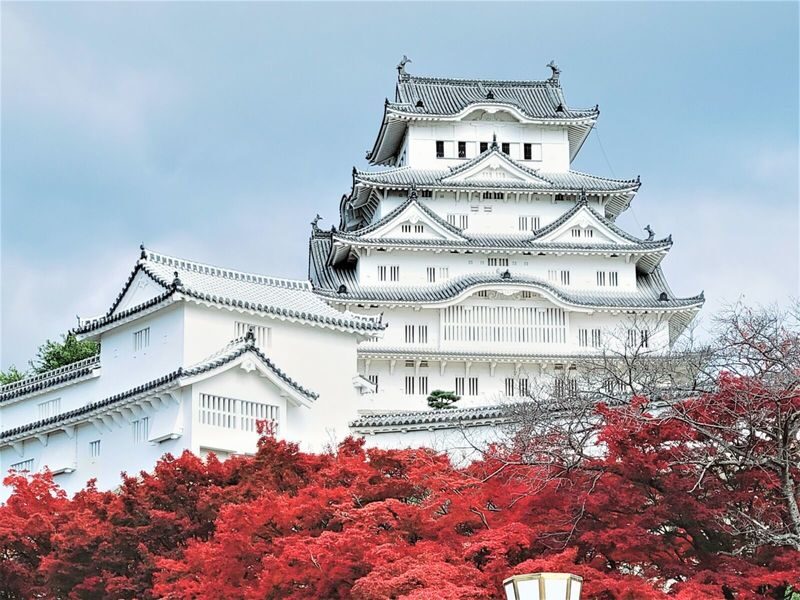
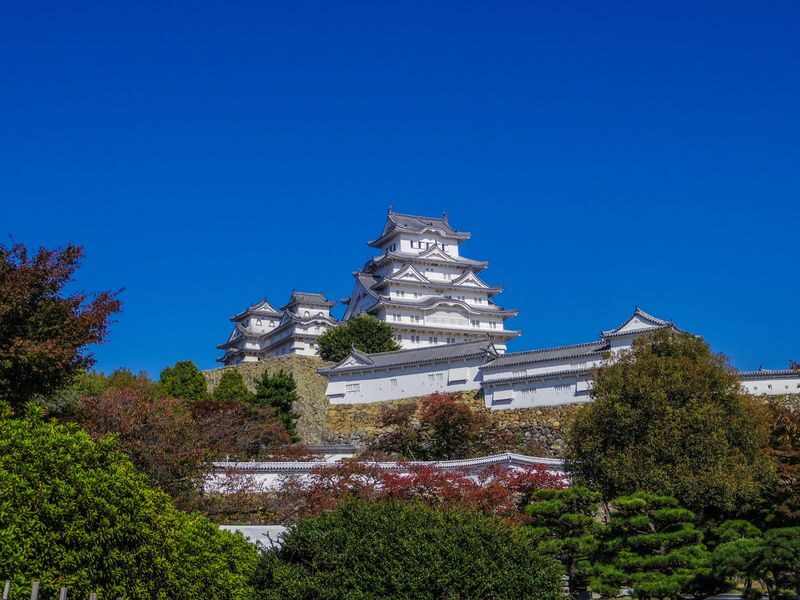

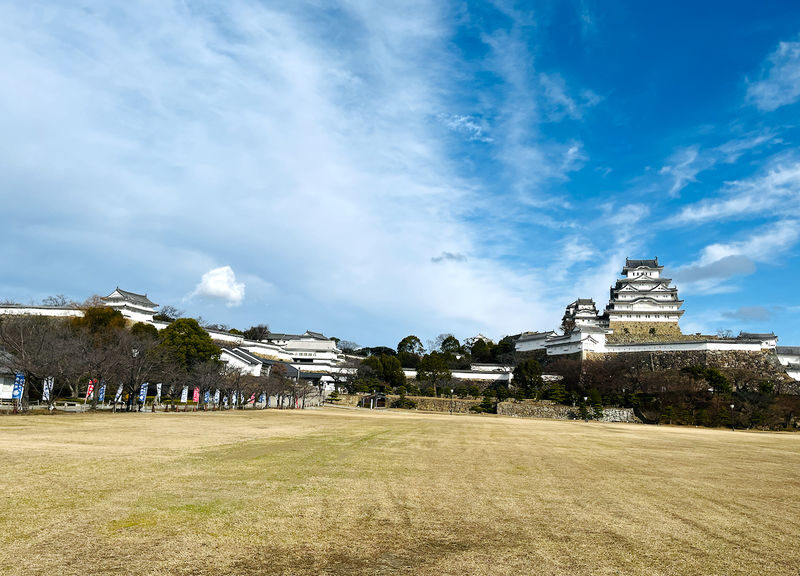
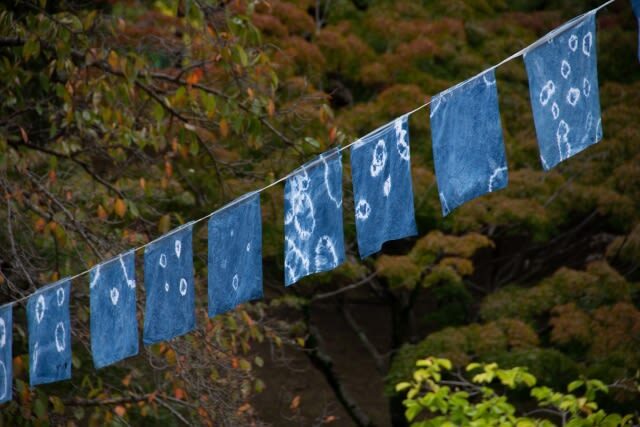
- Himeji Castle is an original Japanese castle that survived war, earthquakes and fire.
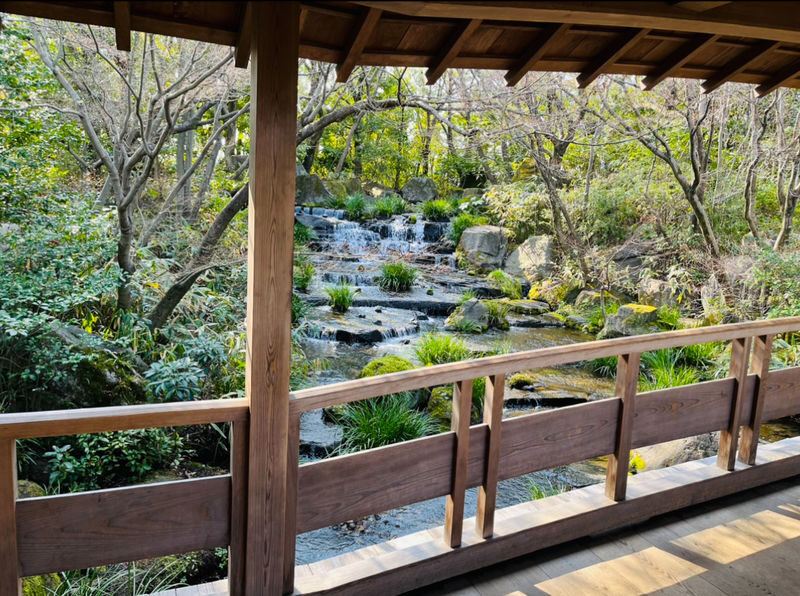
- Koko-en brings together nine gardens with different Edo-period styles and themes.
- Itatehyozu Shrine is known for rituals held every 20 and 60 years.
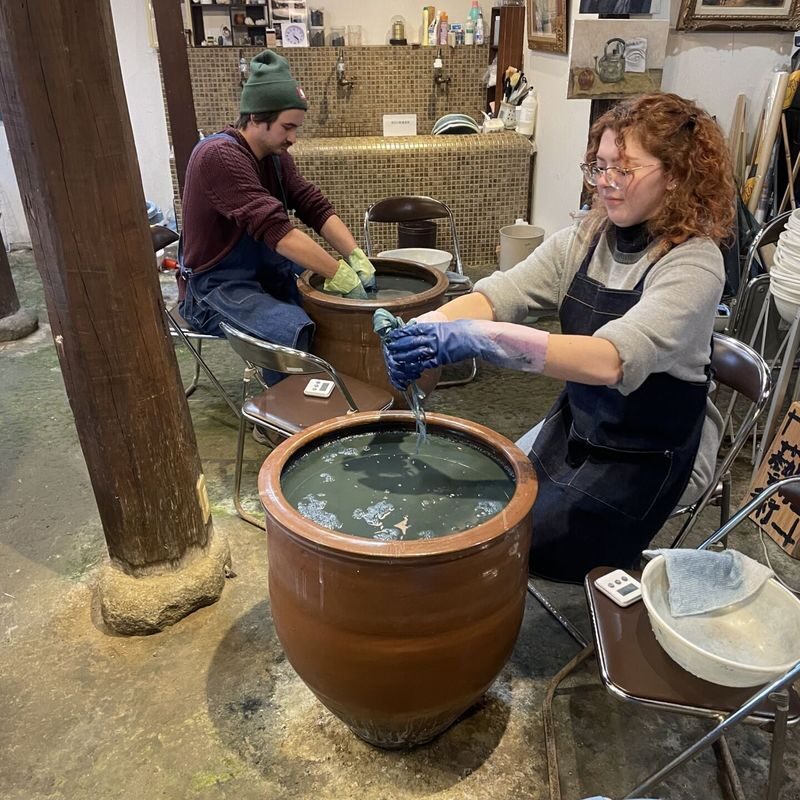
- Aizome, or indigo dyeing, gives you a practical way to encounter a traditional art and make a scarf or bag.
- Lunch is your own expense, with time set aside to try Himeji specialties.
- The day lasts about eight hours, with admission and the workshop fee included in the price from $149.05.

👉 See our pick of the 10 Best Tours In Himeji
Starting at Himeji Station
The tour begins at 9:30 a.m. at JR Himeji Station. Meet just outside the central gate, in front of the directory, where the guide will hold a Snow Monkey Resort sign. The station is the start and end point, which keeps the day straightforward if you are arriving by train or returning to your accommodation afterward.
The schedule is a full day, not a quick castle stop. You’ll move between major sights and the workshop, with a return to the station planned for 5:30 p.m. The timing can change with traffic or weather, so avoid making tight evening plans that depend on a precise return.
The tour includes round-trip transfers to and from the meeting location. The supplied details do not explain the transport between each stop, so think of the day as a guided city outing rather than assuming you will walk every single stretch.
You can also read our reviews of more walking tours in Himeji


Himeji Castle: a survivor worth slowing down for
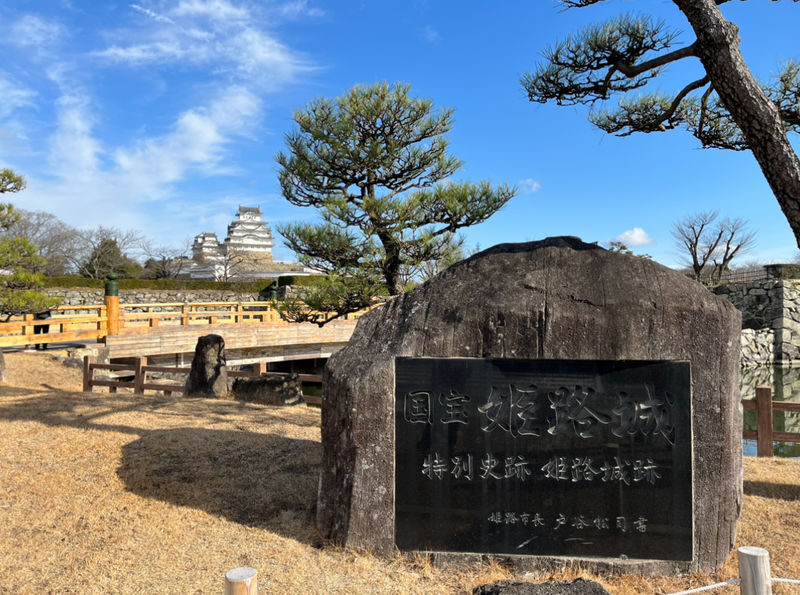
At 9:45 a.m., the guided visit begins at Himeji Castle. It is one of Japan’s largest remaining castles and one of the country’s original 12 castles. It was not destroyed by war, earthquake or fire, a remarkable survival that makes the site more than an impressive exterior.
A guide can help you read the castle as a place shaped by history, not just a photogenic white structure. The tour promises stories and explanations as you go, which is especially useful if you want context but do not want to spend your visit studying signs on your own.
The castle is a major highlight, but it asks something of your legs. The tour information warns of considerable walking and stairs. If you have mobility concerns, or simply prefer a gentle day, this is worth weighing carefully before booking. Bring walking shoes rather than hoping that a long day in casual footwear will be kind to you.
The schedule allows roughly two hours at the castle, from 9:45 until the next stop at 11:45. That gives the visit a proper place in the day without letting it swallow the garden, shrine, lunch and workshop. Admission is included, so you do not need to budget separately for the listed attractions.
Koko-en: nine gardens, nine moods
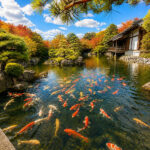
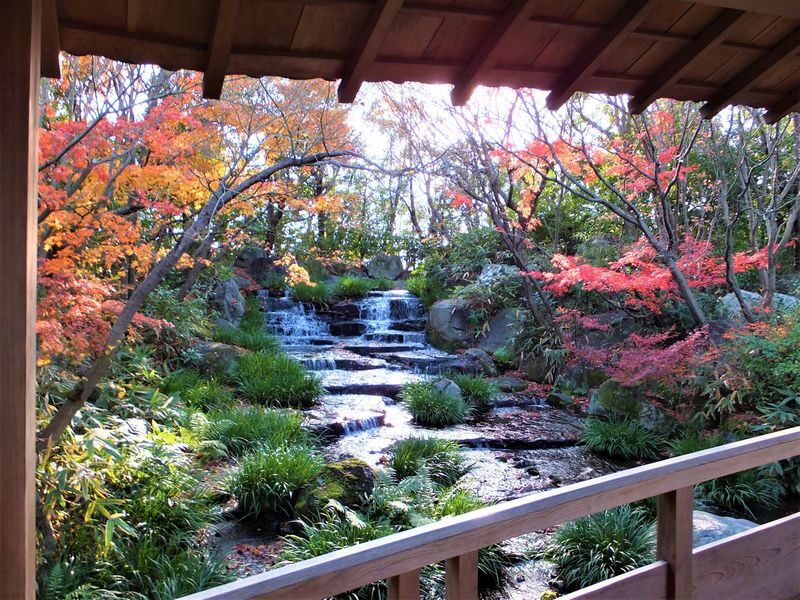
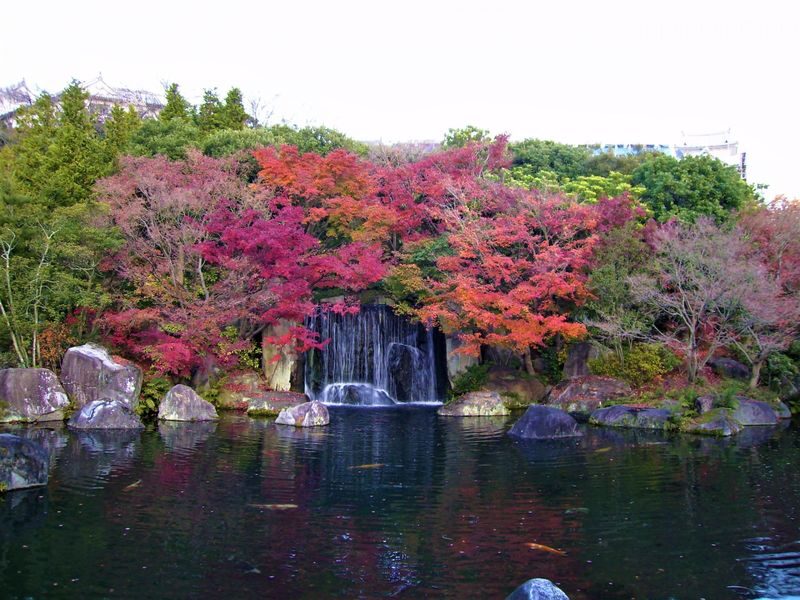
The next stop is Koko-en, a group of nine strolling gardens with different styles and landscaping themes from the Edo period, which ran from 1603 to 1868. The point is not to race through a single grand garden. The variety gives you room to notice how a change in layout or theme can alter the feeling of a space.
After the castle’s scale and stairs, Koko-en offers a slower change of pace. The tour description encourages you to pause and enjoy its quiet atmosphere. That pause is part of the value: a full day of cultural visits works better when it includes a place to look around without feeling hurried.
The guided visit is scheduled for 11:45 a.m. The supplied details do not give a separate duration for the gardens, so the pace may depend on how the day is running. If gardens are a particular interest, you may want to ask the guide how much time is available once the group arrives.
Itatehyozu Shrine and its long ritual cycles
At 1 p.m., the tour visits Itatehyozu Shrine on the way back toward the shopping district. The shrine is known for two ceremonies: the Ilsan ritual, held every 60 years, and the Samsan ritual, held every 20 years. Those long intervals offer a useful glimpse of how some traditions are tied to cycles that extend well beyond an ordinary human timetable.
The stop adds a different kind of heritage to the day. A castle shows power and defense; a garden offers designed calm; a shrine brings attention to continuing religious practice and community customs. The guide’s explanations are particularly useful here, since a brief visit can otherwise leave you wondering what makes this shrine distinctive.
The tour does not provide further detail about the rituals themselves or whether one will be taking place during your visit. Treat the stop as a guided introduction to the shrine and its traditions, not as a chance to see a ceremony.
Lunch: local specialties at your own cost
Lunch is scheduled for 1:30 p.m. at a local restaurant, with a chance to try Himeji specialties. The meal is not included, and neither are drinks. This gives you some freedom to choose what suits your appetite, but remember to set aside extra money beyond the tour price.
No restaurant or specific dish is named in the tour details, so you should not book expecting a fixed menu or a particular specialty. Ask the guide for suggestions on the day if you want help choosing. Lunch is also a practical reset before the afternoon workshop, so use the break to rest your feet and drink water.


Indigo dyeing: make something you can take home
The afternoon begins at Wataya, at 296 Funaokacho, with aizome, the Japanese tradition of indigo dyeing. Indigo is described as one of the oldest vegetable dyes, with origins dating to ancient kingdoms in the Middle East. The workshop turns that history into a hands-on activity: you can make a scarf or a bag to take home.
This is the tour’s most direct connection to a living craft. You are not only hearing about art passed down through generations; you get to take part in a process and leave with something made during the visit. The workshop fee is included, which makes the price easier to assess than if this were an extra add-on.
The schedule places the workshop after lunch, with the return to Himeji Station planned for 5:30 p.m. The tour does not specify how long the dyeing session lasts, what materials or designs are available, or whether you choose between the scarf and bag in advance. If those details matter to you, ask the operator before booking.
What the price includes, and what it does not
The listed price starts at $149.05. It includes admission to attractions, the indigo-dyeing fee, an English-speaking guide and round-trip transfers to and from the meeting location. Lunch, beverages and personal expenses are extra.
That is a fair amount to consider for an eight-hour outing with a guide, several cultural stops and a paid craft activity. The value is strongest if you want structure and interpretation across the day, and if you would otherwise pay for castle and garden admission plus an indigo workshop separately. If you only want to see the castle, this is likely more tour than you need.
The single published rating is five out of five. The one written comment praises the experience and describes the guide as experienced, with a lot of knowledge. That is an encouraging note about the part of a guided tour that can make the biggest difference, but one review is too small a sample to guarantee that every departure will feel the same.
The tour is operated by Snow Monkey Resorts, which has 888 total reviews and a 97 percent good-review rate across its experiences. Those broader figures offer some reassurance about the provider, but they do not replace the limited feedback for this specific Himeji outing.
Walking demands and practical planning
You should be prepared for a long day on your feet. The tour explicitly involves considerable walking and stairs, and it recommends walking shoes. The castle visit is the main point to consider if stairs are difficult for you, while the full schedule means there is little reason to wear shoes that are only comfortable for a short stroll.
Children aged zero to five can join free, while children aged 13 and older pay the adult rate. The supplied details do not state the price for children aged six to 12, so check that before booking if you are planning a family visit.
Your mobile voucher is accepted, and confirmation is expected within minutes. If it does not arrive, contact customer support. The voucher is valid only on the specified date and time. You can cancel for a full refund at least 24 hours before the activity, using local destination time. In extreme weather or other unforeseen events, the operator may cancel and offer a reschedule or full refund.
At the end of the tour, the group returns to JR Himeji Station. If you would rather stay in the city centre instead of returning with the group, let the guide know at any time. That flexibility is useful if you want to continue exploring independently, though the tour does not detail what other stops or activities you might choose.
Who should book this Himeji walk?
I’d choose this tour if you want Himeji to be more than a castle photograph. The combination of castle, gardens, shrine, local lunch break and indigo craft offers a broad introduction to the city in one organized day. It suits visitors who enjoy history and traditional arts, value a guide’s explanations, and are happy to walk for several hours.
It is less suited to anyone who wants a short, low-effort visit or prefers to set their own pace at every stop. The castle and garden can be visited without committing to the whole day, and lunch is an extra cost. But if the full mix appeals, the workshop gives the afternoon a purpose beyond simply filling time after the main attraction.
My practical verdict: book it if you have a full day in Himeji, can manage stairs, and want both context and a hands-on activity. Skip it if your priority is only the castle, or if a long walking day would take the pleasure out of the visit.
Walking Tour in Himeji: Castle, Garden and Aizome (Indigo Dyeing)
“Really nice experience, experiment guide with a lot of knowledge. I highly recommend !”
FAQ
How long does the tour last?
It is scheduled to start at 9:30 a.m. and return to Himeji Station at 5:30 p.m., for a planned duration of about eight hours.
Where is the meeting point?
Meet outside the central gate of JR Himeji Station, in front of the directory. The guide will hold a sign that says Snow Monkey Resort.
Is lunch included?
No. Lunch and beverages are not included. The schedule includes a stop at a local restaurant where you can try Himeji specialties.
Is the indigo-dyeing fee included?
Yes. The aizome experience fee is included in the tour price. You can make a scarf or a bag to take home.
Does the tour include admission to Himeji Castle?
Yes. Admission to the attractions is included.
Is the tour suitable for someone who has difficulty with stairs?
The tour involves considerable walking and stairs, so it may not be suitable if stairs or extended walking are difficult for you.
What should I wear?
Wear walking shoes. The tour involves a considerable amount of walking and stairs.
Can I stay in central Himeji instead of returning to the station with the group?
Yes. The tour returns to JR Himeji Station, but you can tell the guide at any time if you would like to spend the rest of the day in the city centre.