Seto Inland Sea fish, local vegetables, and carefully paced kaiseki make dinner at Yashu Taku more than a simple meal. Chef Takushi Sugimoto trained for five years at Kyoto’s Kikunoi, then spent six and a half years cooking at Yamato and other Hiroshima establishments before opening this small restaurant in 2016.
I like two things here: the menu puts Hiroshima-area ingredients at the center, and the open kitchen lets you watch the cooking at close range. The main consideration is time and appetite: dinner can run about two hours, and the portions may feel modest if you arrive very hungry.
- Key points before you book
- A small Hiroshima restaurant with a Kyoto-trained chef
- How the kaiseki dinner unfolds
- What the open kitchen adds
- Is the .35 starting price good value?
- Getting there and making the evening go smoothly
- Who should book Yashu Taku?
- FAQ
- Where is Yashu Taku located?
- What is included in the Deluxe Kaiseki Dinner?
- How much does the dinner cost?
- How long does the meal take?
- How many courses are served?
- What food does the restaurant serve?
- Can children book the dinner?
- What should I wear?
- What happens if I arrive late or need to cancel?
- The Best Of Hiroshima!
- More Tours in Hiroshima
- More Tour Reviews in Hiroshima
- Not for you? Here's more nearby things to do in Hiroshima we have reviewed
Key points before you book
 1 / 5
 2 / 5
 3 / 5
 4 / 5
 5 / 5
- Local ingredients lead the menu: Expect seasonal cooking featuring Seto Inland Sea seafood, local vegetables, and Jersey beef from Nihonmatsu Farm.
- The meal is a proper kaiseki progression: Plan for around seven or eight courses, though daily dishes and course counts can vary.
- The chef has substantial training: Sugimoto spent five years at Kikunoi in Kyoto and another six and a half years training in Hiroshima.
- The room is modern and relaxed: Light green wallpaper, white wood, and an open kitchen create a comfortable setting without making the meal feel casual.
- The dinner takes time: Set aside about two hours, and arrive on time. A delay of more than 15 minutes can put your reservation at risk.
- The starting price is $82.35: The package includes restaurant service and Japanese consumption tax, but personal expenses are extra.
👉 See our pick of the 3 Best Workshops And Classes In Hiroshima
A small Hiroshima restaurant with a Kyoto-trained chef
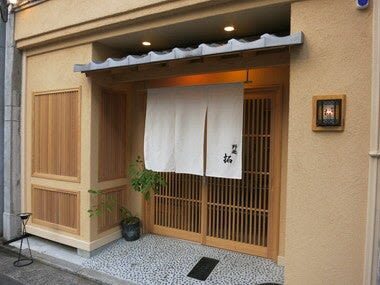
Yashu Taku sits down an alley at 2-chome-1-11 Sakaimachi in Hiroshima’s Naka Ward. It is about a one-minute walk from Tsuchihashi Station on the Hiroshima Electric Railway, a useful detail when you are navigating the city by tram. The location is close to transit, but the tucked-away setting means it is worth checking your route before dinner rather than assuming you will spot the entrance from a main street.
The restaurant opened in 2016, after Sugimoto returned to Hiroshima with years of training behind him. His five years at Kikunoi, a well-known Kyoto kaiseki restaurant, point to a style grounded in seasonality, careful preparation, and a sequence of dishes rather than one large main course. His later training at Yamato and other Hiroshima restaurants adds a local foundation to that background.
That mix matters. Kaiseki is not just a parade of small plates. It gives the kitchen room to present different ingredients and textures over the course of a meal, often with the season setting the direction. At Yashu Taku, that approach meets Hiroshima-area fish, local vegetables, and regional meat. You are not booking a generic Japanese dinner with a set of familiar crowd-pleasers. You are choosing a meal shaped by what the kitchen is serving at that time.
The room is described as spacious and comfortable, with light green walls and white wood details. Its open kitchen brings the work closer to you: you can watch the chef prepare the dishes instead of seeing only the finished plate. That can make a long dinner more engaging, especially if you enjoy seeing the care behind each course.
You can also read our reviews of more tours and experiences in Hiroshima.


How the kaiseki dinner unfolds
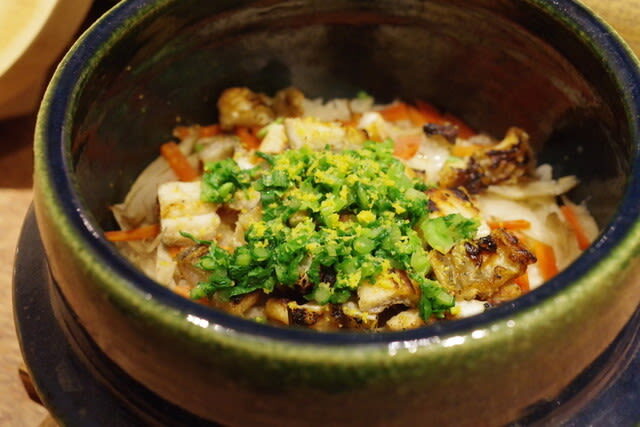
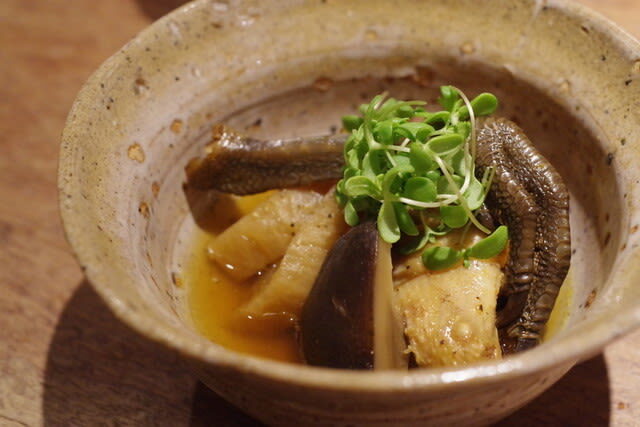
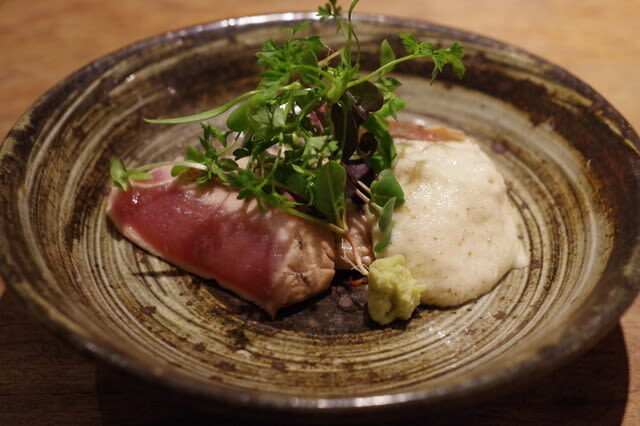
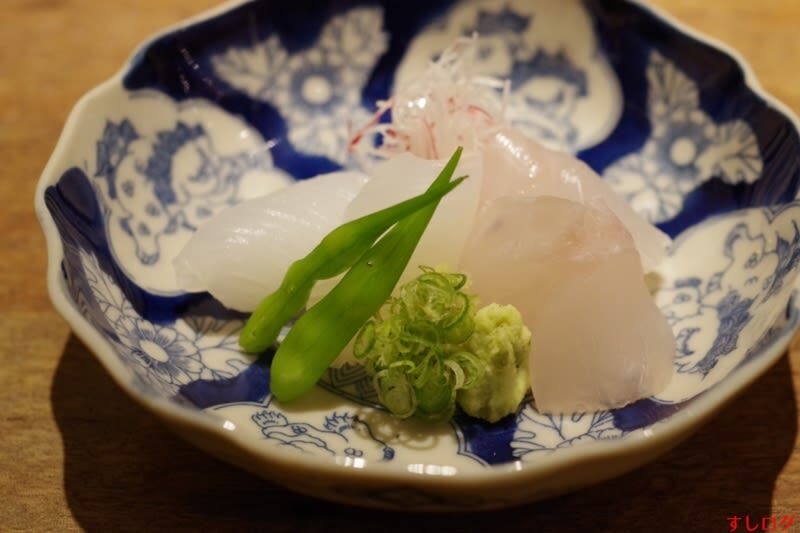
The exact menu changes with the day’s offerings, so there is no guaranteed list of dishes. Past dinners have included seven or eight courses, usually with dessert, and taken about two hours. One dinner included mostly fish-based courses, while another featured unusual ingredients such as venison and fugu, or pufferfish. Those examples give you a sense of the possible range, not a promise that those items will be served on your date.
Expect a measured pace. One diner found that courses arrived roughly 20 minutes apart, which can surprise anyone used to ordering a main dish and receiving it all at once. In kaiseki, the spacing gives each plate its own moment and lets the meal build gradually. I would treat this as an evening out, not a quick stop between sightseeing plans.
The chef explains the dishes, which helps you understand what is in front of you and why a seasonal ingredient has a place in the menu. The courses are described as varied and coordinated, with flavors and textures layered across the meal. If you are new to kaiseki, that progression is part of the appeal: instead of choosing one dish from a long menu, you let the kitchen guide you through a series of preparations.
The restaurant focuses on Seto Inland Sea fish, locally grown vegetables, and Jersey beef from Nihonmatsu Farm. The emphasis on local sourcing gives the meal a clear connection to Hiroshima and its surrounding region. Depending on the season and daily supply, the balance may lean more toward seafood or include meat and herbs. If you have dietary needs, provide them when you book. The chef has accommodated requirements shared in advance, but you should not assume that every request can be met without confirmation.
Dessert closes the meal, and tea may also feature in the final stretch. One diner recalled a fragrant tea finish that lingered after drinking. That kind of detail shows why it helps to slow down and pay attention: the ending is part of the meal, not merely a signal to ask for the bill.
What the open kitchen adds
The open kitchen is a practical pleasure, not just a design feature. You can watch Sugimoto work at close range, and the chef’s explanations connect the food to the person preparing it. In a meal built around small, carefully made courses, that contact can make the evening feel more personal than dinner in a larger dining room.
The décor sounds modern but warm, with pale green wallpaper and white wood rather than a formal, heavy interior. That should suit diners who want a special meal without an intimidating atmosphere. The service has also been described as attentive and friendly, with the chef and waitress both contributing to a welcoming evening.
Still, this is a restaurant meal, not a staged performance. The kitchen is open, but the main reason to book is the food and the seasonal format. If you prefer to eat quickly, or want large portions and lots of choice, the measured pace and set-menu structure may not be your best match.
Is the $82.35 starting price good value?
The Deluxe Kaiseki Dinner starts at $82.35. The package includes the package fee, restaurant service fee, Japanese consumption tax, and reservation fee. That makes the starting price more useful for budgeting than a menu price that adds service and tax later. Other personal expenses are not included, and beer has been charged separately, so allow extra for drinks.
Value here depends on what you want from dinner. If you are looking for the cheapest way to eat in Hiroshima, this is not it. You are paying for a multi-course seasonal meal, a chef with significant training, local ingredients, and a relaxed setting with direct access to the open kitchen. For a special evening focused on Japanese cooking, that is a different proposition from ordering one filling bowl of noodles.
Portions are worth considering. The courses may be small individually, as is common with a multi-course meal, and one diner advised arriving with a healthy appetite. You should not expect a single oversized entrée. The satisfaction comes from the variety and sequence, so a very large eater may want a substantial snack earlier in the day rather than counting on one course to do all the work.
The price is listed as starting from $82.35, so confirm the selected date and package details when booking. The Deluxe Kaiseki Dinner is the package described here. Drinks and other personal spending can raise the final bill.
Getting there and making the evening go smoothly
The restaurant is at 2-chome-1-11 Sakaimachi, Naka Ward, Hiroshima, and the route is given as a one-minute walk from Tsuchihashi Station. The booking information also renders the station as Tuqiao and gives a slightly different spelling of the street as Sakaemachi in one place. To avoid a last-minute map puzzle, rely on the address and meeting-point details in your confirmed reservation.
Be punctual. If you arrive more than 15 minutes late, the restaurant may cancel the reservation without refund. Arriving more than 15 minutes early is not ideal either, since the restaurant may not let you wait inside. Aim to be there close to your reserved time.
Dress neatly and avoid very casual clothes. The stated guidance rules out items such as slippers, sandals, tank tops, shorts, camisoles, and miniskirts. It also says men should wear a collared shirt or jacket with trousers, not jeans, and socks. Those instructions are strict, so it is safer to dress smartly than to test the limits at the door.
The voucher is mobile, and confirmation should arrive within 48 hours. If no confirmation email comes through, contact customer support. The voucher is valid only for the specified date and time. Children aged 12 and older pay the adult rate and must book the same package. Japan’s legal drinking age is 20, and you should bring valid identification if you plan to drink.
Cancellations made within seven days of the reservation are charged 100% of the meal cost. The package information also says a full refund is available if you cancel at least 72 hours before the activity date, using destination local time. Since those stated windows do not line up neatly, check the cancellation terms attached to your specific booking before paying.


Who should book Yashu Taku?
I would consider this dinner if you are curious about kaiseki, value seasonal ingredients, or want a Hiroshima meal that goes beyond familiar restaurant staples. It is also a good fit if watching the chef work and hearing explanations adds something to your meal. The local focus gives you a taste of regional cooking, while the Kyoto training provides a connection to a well-established kaiseki tradition.
It is less suited to a rushed schedule, a very casual dress plan, or a diner who wants large portions and complete control over every dish. The menu changes, and the dinner takes time. If you have dietary restrictions, share them when reserving and seek confirmation rather than relying on a last-minute request.
At a starting price of $82.35, I see the value in the full experience: several courses, local ingredients, attentive service, and a chef-led look at seasonal Japanese cooking. Book it for a relaxed evening, arrive on time, and leave room in your schedule for the meal to unfold.
Michelin One-Star Japanese Cuisine Experience – Yasyutaku (Hiroshima)
“The chef is kind and professional, and the kaiseki cuisine is diverse, varied, and absolutely delicious. They offer rare, high-end ingredients like…”
FAQ
Where is Yashu Taku located?
It is at 2-chome-1-11 Sakaimachi, Naka Ward, Hiroshima, Japan. The restaurant is about a one-minute walk from Tsuchihashi Station on the Hiroshima Electric Railway.
What is included in the Deluxe Kaiseki Dinner?
The package includes the package fee, restaurant service fee, Japanese consumption tax, and reservation fee. Other personal expenses are not included.
How much does the dinner cost?
The Deluxe Kaiseki Dinner starts at $82.35. The final price can depend on the booking details, and drinks such as beer may cost extra.
How long does the meal take?
Allow about two hours. The exact duration can vary, and courses may be served at a measured pace.
How many courses are served?
Past dinners have included seven or eight courses, including dessert in some accounts. The daily menu and course count can change.
What food does the restaurant serve?
Yashu Taku specializes in seasonal Japanese cuisine, including Seto Inland Sea fish, locally grown vegetables, and Jersey beef from Nihonmatsu Farm. Daily dishes depend on what the restaurant is serving.
Can children book the dinner?
Children aged 12 and older are charged the adult rate and must reserve the same package as adults.
What should I wear?
Dress appropriately and avoid very casual clothing such as slippers, sandals, tank tops, shorts, camisoles, or miniskirts. Men are asked to wear a collared shirt or jacket, trousers rather than jeans, and socks.
What happens if I arrive late or need to cancel?
If you are more than 15 minutes late, the restaurant may cancel your reservation without refund. The stated cancellation terms include a full refund for cancellations at least 72 hours before the activity date, while cancellations within seven days are listed as subject to a 100% meal-cost charge. Check the terms for your specific booking before confirming.