The Nasu Stained Glass Museum pairs rare 19th-century windows with antique pipe organ music in a building modeled on a British manor house. Its chapels and garden make this a quiet, compact stop in the Nasu area, rather than a large museum that needs half a day.
I like two things about the plan: you can see stained glass in its intended setting, inside chapels, and the organ gives the rooms a living sound instead of leaving you to view the windows in silence. The English-style exterior and garden add a change of pace from Nasu’s outdoor attractions.
One thing to plan around: this is not a fast-entry ticket, and the museum’s hours and closure days can vary. Check the official schedule before setting out, and allow time to get there, since the nearest listed rail connection is Kuroiso Station, about a 20-minute taxi ride away.
- What makes this stop worth your time
- A manor house in the Nasu countryside
- Three chapels, not just a gallery of windows
- Let the antique organ set the pace
- What to expect from a one-hour visit
- Is the ticket good value?
- Getting to the museum from Kuroiso or the expressway
- Hours, entry, and a few useful cautions
- Who should make room for this stop?
- Should you book the Nasu Stained Glass Museum?
- FAQ
- How long should I plan for the museum?
- What does the ticket include?
- Does the ticket include fast entry?
- How do I get to the museum by train?
- Can I drive to the museum?
- What are the museum’s opening days and hours?
- Can children enter for free?
- Does the ticket include a stained-glass workshop?
- Can I cancel or get a refund?
- More Tickets in Nasu
- More Tours in Nasu
- More Tour Reviews in Nasu
- Not for you? Here's more nearby things to do in Nasu we have reviewed
What makes this stop worth your time
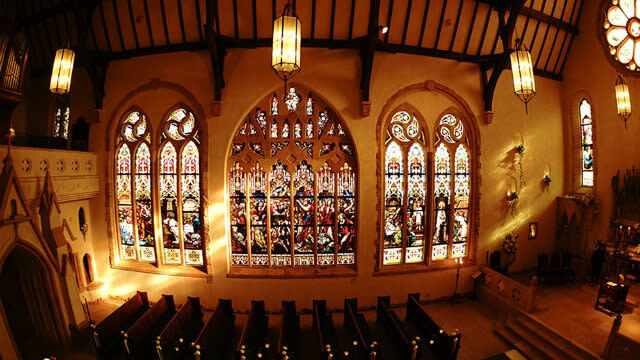
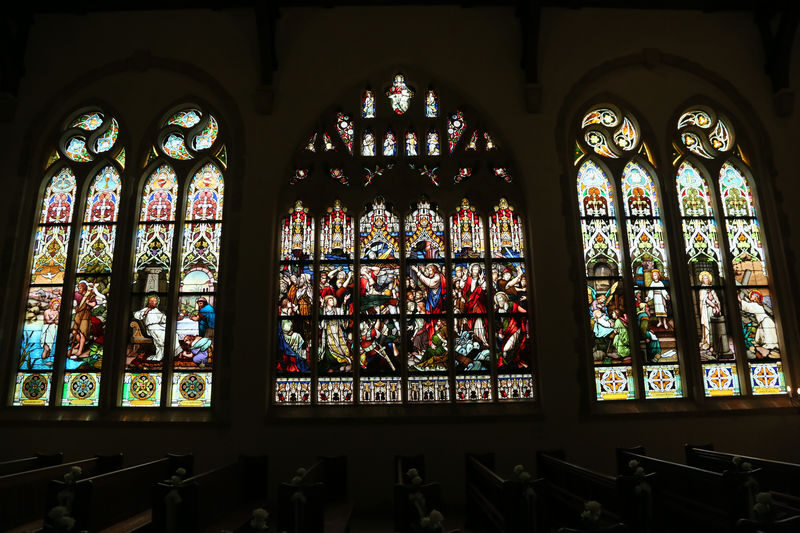
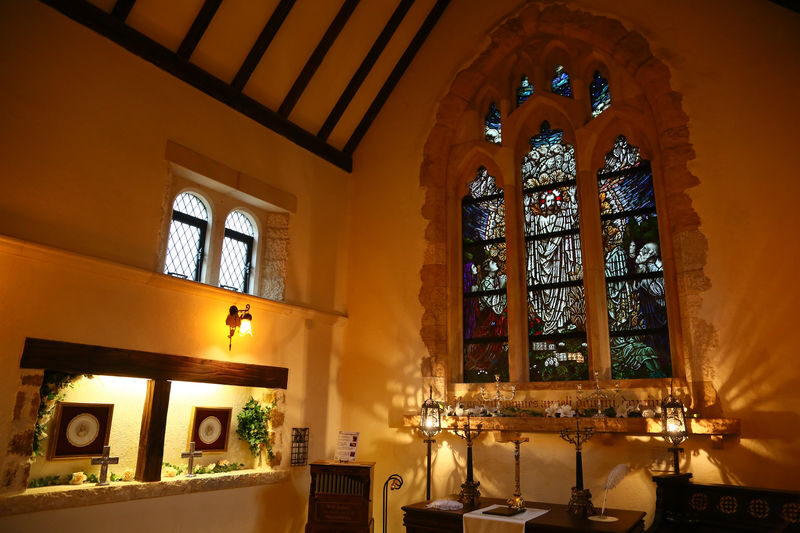
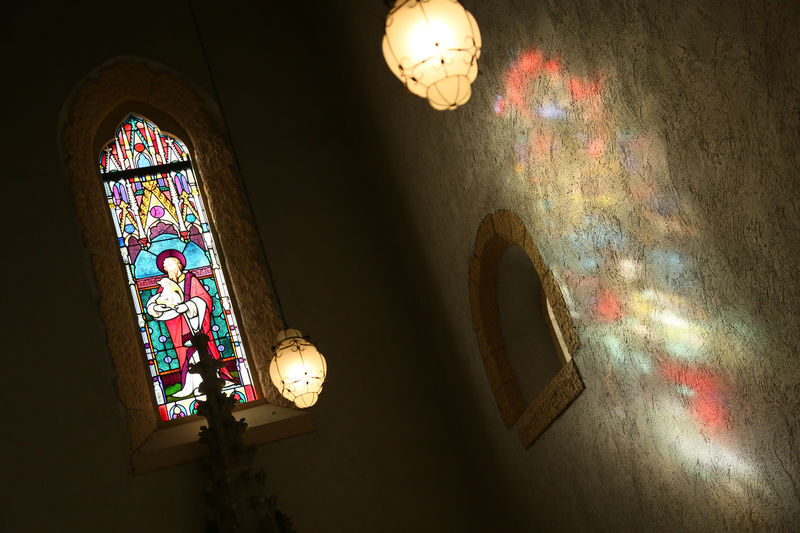
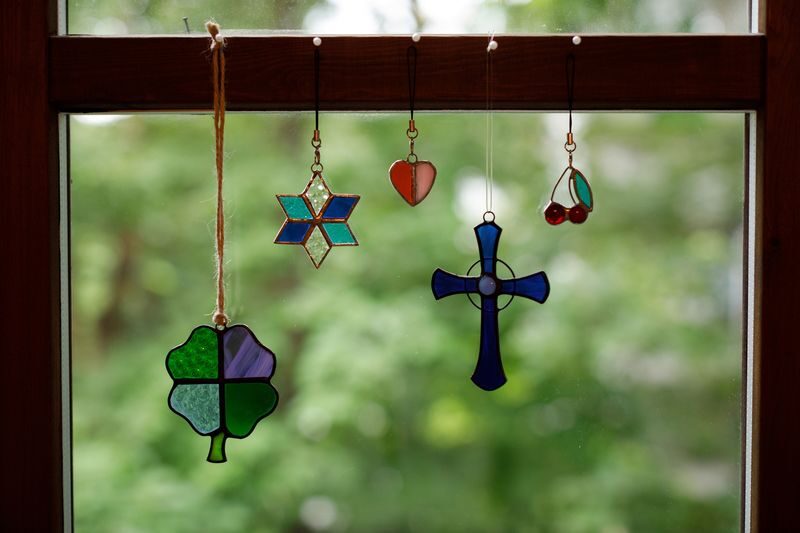
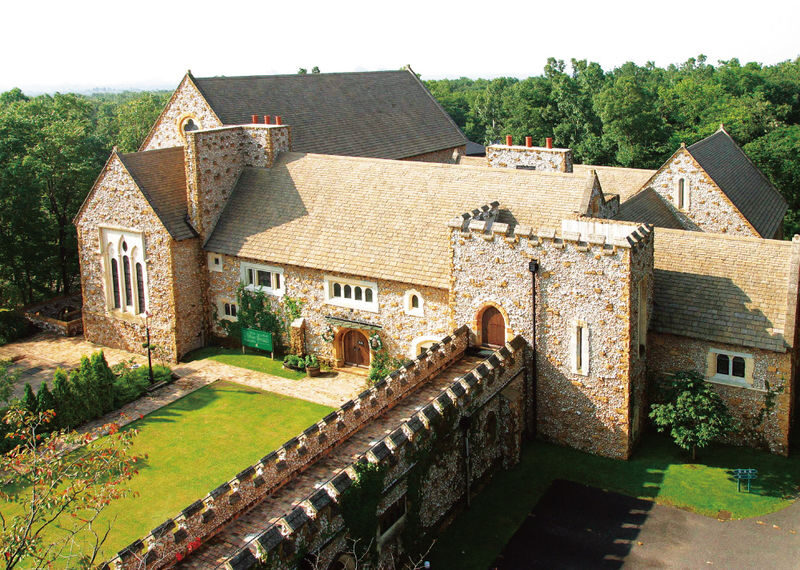
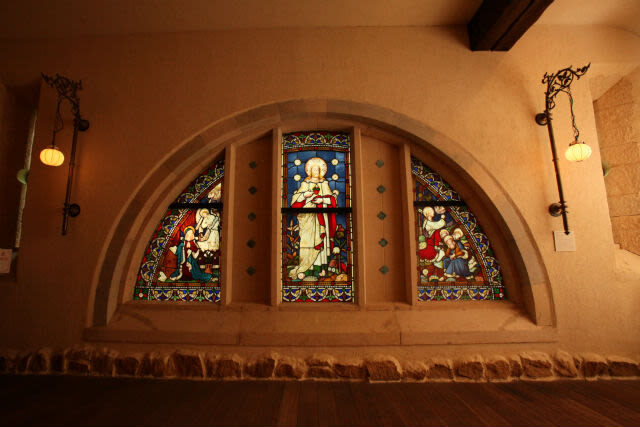
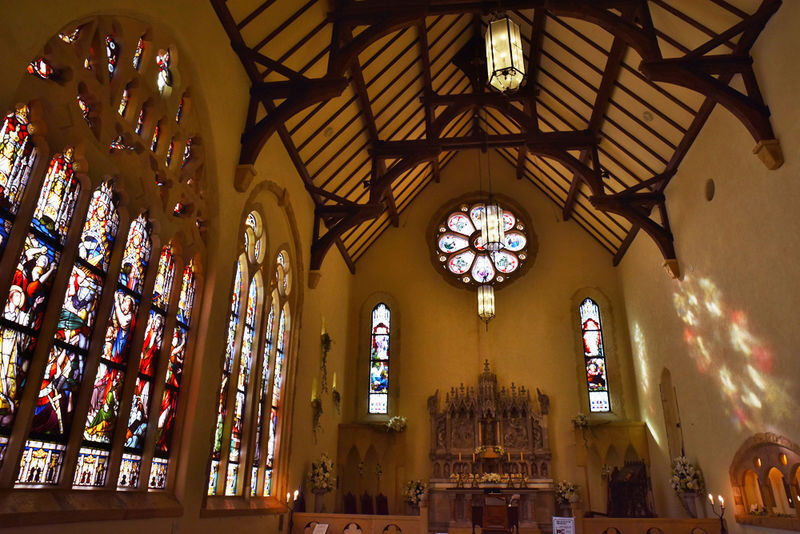
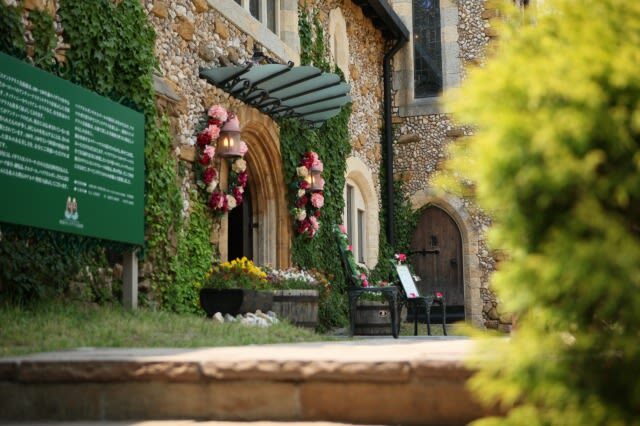
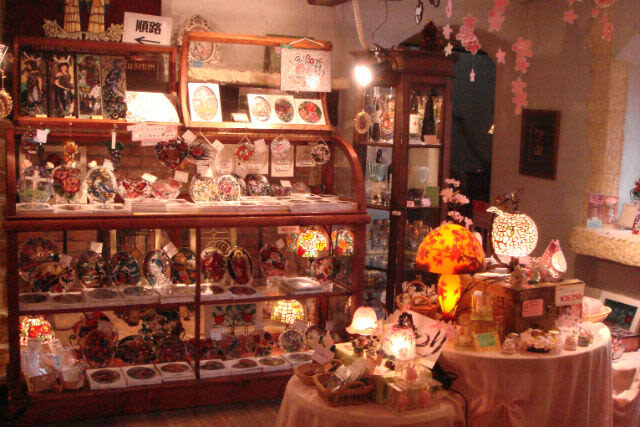
- Three chapels display antique stained glass, including works from the 1800s, in spaces designed for viewing the windows in place.
- Organ music is part of the visit. The museum features an antique pipe organ, with concerts and other performances offered at certain times.
- The building has a British manor-house look, inspired by the Cotswolds, and sits beside an English-style garden.
- A one-hour visit can work, but the suggested visit time is one to two hours. You may want longer if a performance or workshop interests you.
- Two shops sell stained-glass goods, one inside and one outside the building.
- The ticket is admission only. You arrange your own transport, meals, and other personal expenses.
A manor house in the Nasu countryside
The museum is at 1790 Takakuhei in Nasu, Tochigi Prefecture. Its exterior is designed to resemble a British manor house, with the look of a Cotswolds building. That architectural choice sets up the visit before you reach the art: this is not a plain exhibition hall, but a place where the building, garden, and chapel interiors all contribute to the mood.
The grounds are a useful part of the experience, especially if you want a quiet break between more active stops around Nasu. You can stroll through the garden before or after seeing the displays. Keep expectations in scale, though. The museum is a focused attraction, not a vast estate with hours of paths to cover.
The setting works best if you treat the visit as a pause. Take a little time outside, then head indoors to see how the colored glass changes the feel of each chapel. The contrast between the calm garden and the ornamented interiors is a large part of the appeal.
You can also read our reviews of more tours and experiences in Nasu

Three chapels, not just a gallery of windows
The main draw is the antique stained glass, with pieces dating to the 1800s. Instead of seeing the glass as a row of objects on a wall, you encounter it in three chapels. That gives you a better sense of how stained glass interacts with architecture and devotional spaces.
Two of the chapels are described as the principal highlights, while the museum has three in total. The interiors are decorated with stained glass and other ornate details. Take your time looking at the windows, but also notice how the surrounding furnishings and chapel design frame them. This is a visual visit, and a slow pace suits it better than rushing from room to room.
The scale is manageable. Some visitors have completed a visit in around half an hour, while others have spent about an hour. The recommended duration is one to two hours, which leaves room to see the chapels, browse the garden and shops, and wait for a musical performance. If you are short on time, focus on the chapels first and treat the rest as a bonus.
Let the antique organ set the pace
The sound of an antique pipe organ is an important part of the museum experience. When music plays inside a chapel, you can hear how the instrument and stained glass change the atmosphere of the room. It is a more rounded visit than simply inspecting the windows and moving on.
Performances and demonstrations are scheduled, but exact timing can matter. Music has been reported at regular intervals, and weekend concerts at St. Gabriel’s Chapel may feature a range of instruments. Special concerts are also held irregularly. Do not assume that every visit will include the same performance, or that a particular instrument will be played on your chosen day. Check current details if live music is a priority.
There is more to the sound program than the organ. Antique instrument demonstrations have included a music box made around 120 years ago. If you are interested in music, give yourself enough time to catch a program rather than arriving just before closing. If you simply want to see the stained glass, you can still make a worthwhile shorter visit.
What to expect from a one-hour visit
A simple plan is to begin with the chapel interiors, since they contain the main collection. Move through all three, giving yourself a few quiet minutes in each rather than trying to see everything at speed. If organ music is playing, pause and listen; that moment can become the centerpiece of the visit.
After the chapels, walk through the garden and browse the two shops. The indoor shop and the outdoor shop sell stained-glass goods, so they offer a chance to look for a small souvenir without needing to make a separate shopping stop elsewhere. The museum also offers stained-glass making experiences, but admission alone is the only inclusion specified for this ticket. Ask the venue about availability, timing, and any additional cost before planning around a workshop.
For a fuller visit, aim for one to two hours. That gives you breathing room for a performance or demonstration and time outside. The museum is compact enough to fit into a day of sightseeing, but do not squeeze it in at the last minute if you want to hear the music.
Is the ticket good value?
The advance ticket is advertised from $3.15, a low starting price for an attraction that combines architecture, antique glass, music, and a garden. The exact amount may depend on the selected ticket and booking details, so check the price at checkout. At this starting price, the attraction can make a modest addition to a Nasu day, particularly if you already have transport arranged.
The value depends less on how many hours you spend inside than on what you want from the stop. If you enjoy stained glass, historic interiors, or organ music, the combination gives the entry fee more substance than a quick look at a single display. If you are not drawn to those things, the small scale may leave you feeling that the visit was brief.
The ticket covers admission to the attraction. Transport, meals, drinks, and personal expenses are not included. It is also not a fast-entry ticket, so you still need to queue and follow staff instructions. The voucher is valid for 180 days from booking confirmation, but it cannot be canceled or refunded. That makes it sensible to check your Nasu plans before buying.

Getting to the museum from Kuroiso or the expressway
By train, take the Tohoku Shinkansen and Utsunomiya Line to Kuroiso Station, then continue by taxi. The listed taxi ride takes about 20 minutes. Since transport is not included, factor the taxi into both your budget and schedule. The museum is not described as being within easy walking distance of the station.
By car, use the Tohoku Expressway. The museum is about 10 minutes from Nasu IC. The drive is listed as about three hours from Tokyo and two and a half hours from Sendai, though your actual journey will depend on road conditions and stops.
The museum works well as a stop on a wider Nasu outing. It has been combined with visits to Nasu Animal Kingdom and the Nasu Ropeway, so you can place it between outdoor attractions or use it as a calmer change of pace. Plan your route before you go, especially if you are relying on a taxi or trying to fit in a concert.
Hours, entry, and a few useful cautions
The museum does not have a guaranteed fixed schedule year-round. Wednesday is listed as the standard closure day, with openings on public holidays, but hours and closure dates can be announced separately. Check the official website for the current day’s information before traveling. Last admission is listed as 3:00 PM, so arriving early is the safer choice if you want time for the chapels and music.
The venue does not provide luggage storage. Keep your bags manageable, and do not arrive expecting to leave larger items at the museum. Dangerous or disruptive items, including bottles, firecrackers, and lasers, are prohibited.
To enter, show the voucher on a mobile phone with internet access. The venue staff must operate the e-voucher, so do not activate or mark it as used yourself. A tablet may not be able to open the voucher URL. The ticket does not provide fast entry, and children aged five and under can enter free.
Who should make room for this stop?
I would put the museum high on the list for anyone who appreciates decorative arts, church interiors, or live instrumental music. It is also a good fit if you want a quieter indoor stop in Nasu, or if you are traveling with someone who would enjoy looking closely at windows and furnishings rather than spending the day outdoors.
Families may find the garden, chapels, and music appealing, and stained-glass making has been offered as an activity for children and adults. Confirm the workshop details before you go, since the advance admission ticket is not described as including it. Elementary school students may also have free admission during July under a specific promotion, with eligible children checking in at the front desk rather than buying an advance ticket. Confirm that offer is current before relying on it.
You may want to skip it if your schedule is very tight, you are not interested in stained glass or music, or reaching the museum would require a difficult transport detour. The visit is short compared with a full-day attraction, and its best moments depend on taking time to look and listen.
Should you book the Nasu Stained Glass Museum?
Book it if the combination of 19th-century stained glass, chapel interiors, antique organ music, and an English-style garden sounds appealing. The low starting price makes it an easy addition to a Nasu itinerary, provided you account for the taxi or drive and verify the current opening schedule.
If you want a large museum or a guaranteed concert at a specific time, check the performance details first or choose another stop. For a calm, compact visit with distinctive interiors and a chance to hear antique instruments, this is a sensible way to spend an hour or two.
Nasu Stained Glass Museum Ticket
“Ticket collection is convenient, the British architecture is beautiful, and the concert and commentary are also excellent. It's definitely worth a…”
FAQ
How long should I plan for the museum?
Plan for one to two hours if you want to see the chapels, visit the garden and shops, and allow time for music. A shorter visit of about half an hour is possible.
What does the ticket include?
It includes admission to the attraction. Transport, meals, drinks, and other personal expenses are not included.
Does the ticket include fast entry?
No. The voucher does not provide fast entry. Queue at the venue and follow staff instructions.
How do I get to the museum by train?
Take the Tohoku Shinkansen and Utsunomiya Line to Kuroiso Station, then take a taxi. The taxi ride takes about 20 minutes.
Can I drive to the museum?
Yes. The museum is about 10 minutes from the Tohoku Expressway’s Nasu IC. The drive is listed as about three hours from Tokyo and two and a half hours from Sendai.
What are the museum’s opening days and hours?
The schedule can vary, so check the official website before your visit. Wednesday is listed as the standard closure day, with openings on public holidays. Last admission is listed as 3:00 PM.
Can children enter for free?
Children aged 0 to 5 can enter free. A July promotion also provides free admission for elementary school students, who should check in at the front desk. Confirm the promotion is in effect before your visit.
Does the ticket include a stained-glass workshop?
The ticket information specifies admission to the attraction only. Stained-glass making experiences are offered, but check with the venue about workshop availability and any separate charge.
Can I cancel or get a refund?
No. The ticket cannot be canceled or refunded. It is valid for 180 days from the booking confirmation date and expires at 11:59 PM on the final day.