Nasu Safari Park’s main draw is the close encounter: from a safari bus or an eligible vehicle, you can pass animals in the park’s safari zone and, for an extra charge, feed some of them. Giraffes and zebras are among the herbivores you may be able to feed, while the chance to watch big cats at close range gives the visit a different feel from a walk-through zoo.
I like two things about this outing: you can choose how to see the park, and the feeding options make the animals more than distant shapes behind a fence. The safari bus is the simple choice; driving or renting a vehicle may offer a more hands-on visit, subject to park rules and additional fees.
The main catch is that the advertised ticket covers admission only. Transport inside the park, feeding, and some special vehicle experiences cost extra, and access by private car may have language-related restrictions. Check the current rules before you build your day around driving in.
- What to know before you go
- A safari visit, not a full-day zoo
- Choosing the right way through the safari zone
- Feeding animals brings the visit to life
- How much time and money to set aside
- Opening hours, arrival, and ticket use
- Who will enjoy Nasu Safari Park most
- Should you book the ticket?
- FAQ
- How long does a visit to Nasu Safari Park take?
- What does the ticket include?
- How much does the safari bus cost?
- Can I feed the animals?
- What are the park’s opening hours?
- Do children need a ticket?
- How do I show my Klook ticket?
- More Tickets in Nasu
- More Tours in Nasu
- More Tour Reviews in Nasu
- Not for you? Here's more nearby things to do in Nasu we have reviewed
What to know before you go
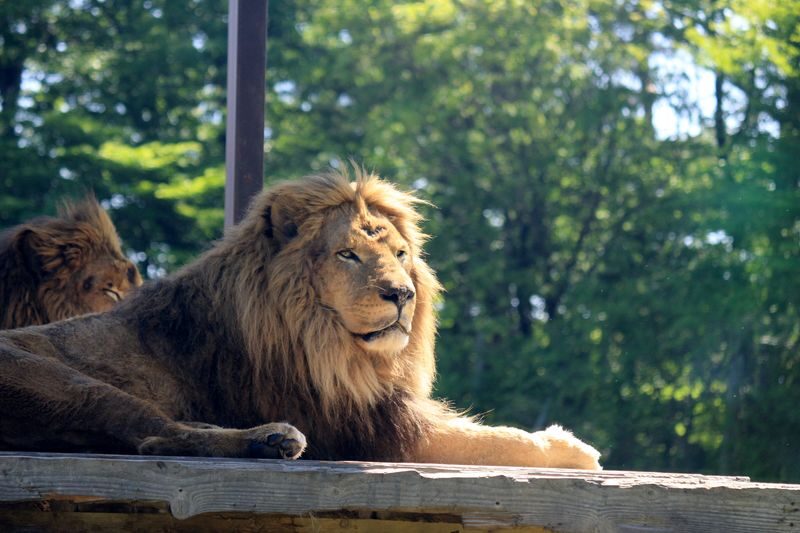
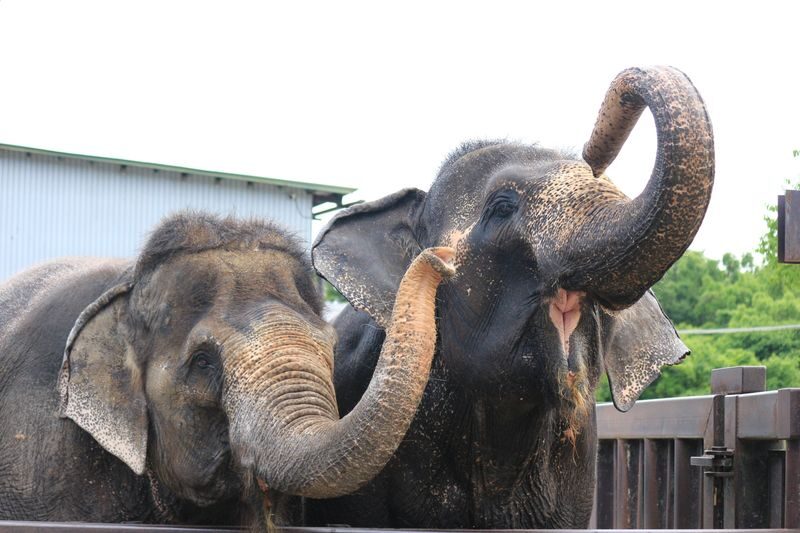
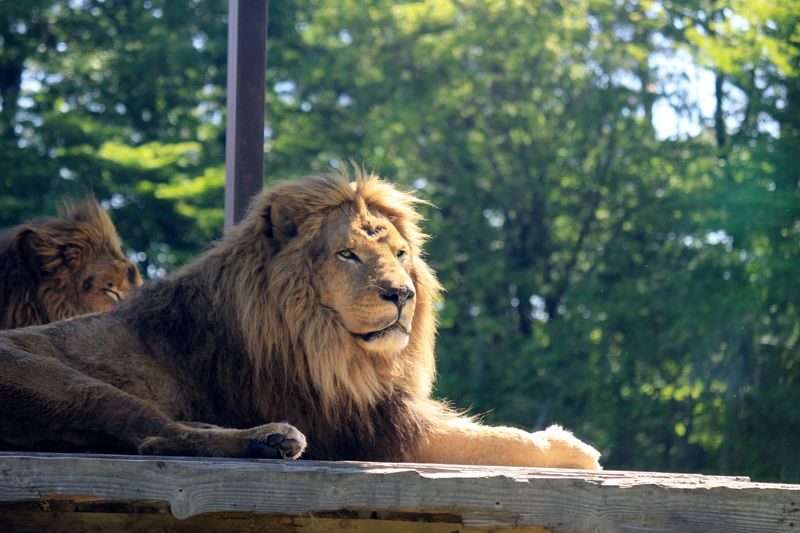
- More than 70 animal species: Look for white lions, Bengal tigers, giraffes, and white rhinos, though you should not assume every animal will be visible.
- The safari ride costs extra: The listed safari bus fare is ¥1,100 for adults and ¥600 for children.
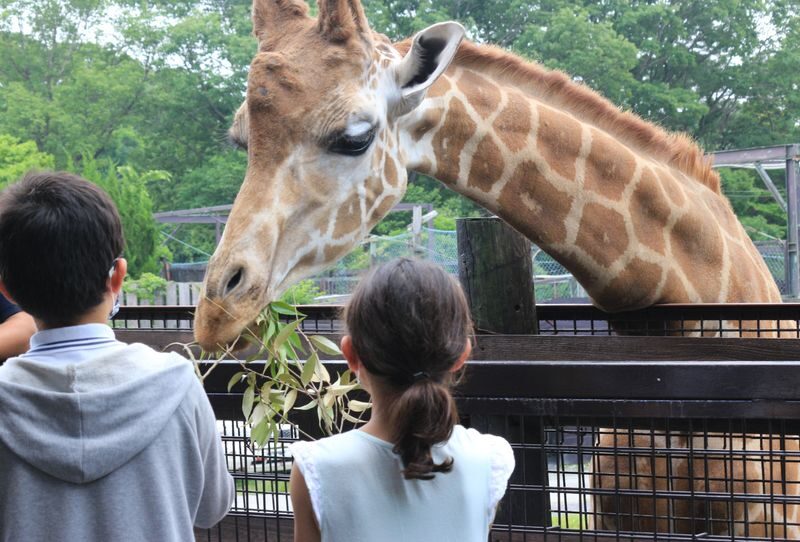
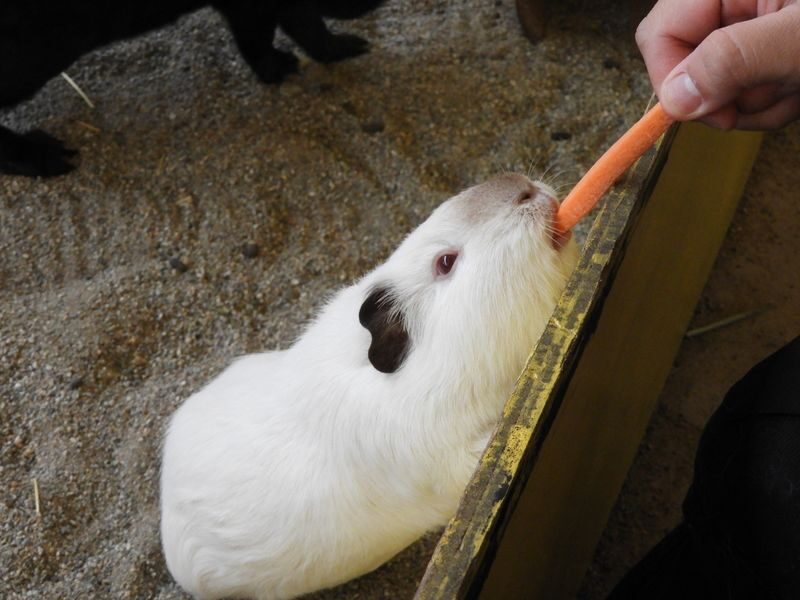
- Feeding adds a hands-on element: Food can be purchased at the park, with opportunities to feed herbivores such as giraffes and zebras.
- The ticket is admission only: It does not include personal expenses, a vehicle, the safari bus, or other paid activities.
- Allow two to three hours: A bus ride is listed at about 40 to 50 minutes, leaving time for entry and other available activities.
- Check hours and access rules: The park lists 9 a.m. to 5 p.m. hours and Thursday closure, but seasonal changes can apply.
A safari visit, not a full-day zoo
Nasu Safari Park is in Nasu, in Tochigi Prefecture, at 3523 Takakuotsu, Nasu, Nasu District. The visit is built around a safari zone, where you see animals from a vehicle rather than strolling through a large, conventional zoo. That makes the experience especially appealing if you want to bring children close to wildlife without spending a full day on the outing.
The park lists more than 70 species, including white lions, Bengal tigers, giraffes, and white rhinos. The variety gives you a good range of animals to look out for, but it is wise to keep expectations flexible. Sightings can vary, and even a well-planned visit may not bring every animal into view. One visitor, for example, missed both the giraffe and hippopotamus.
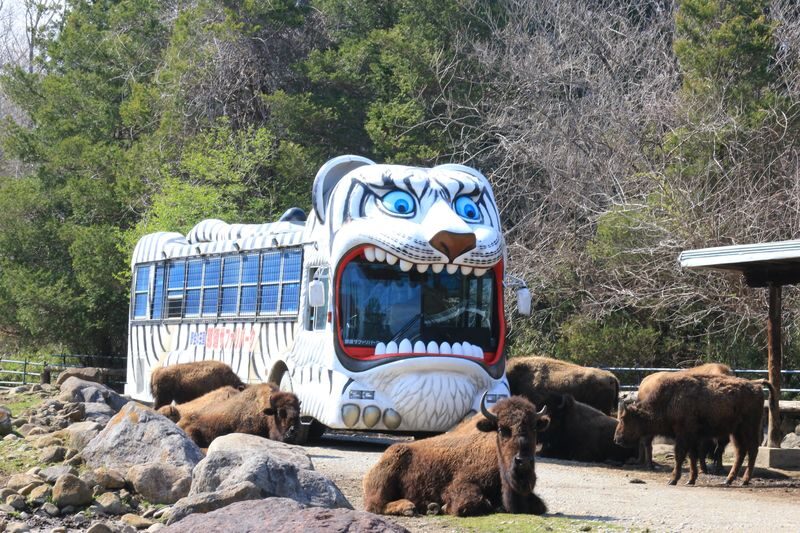
This is also a place where the way you enter matters. You can pay for a safari bus, use your own car if permitted, or ask about an on-site rental vehicle. Each option changes the feel of the visit, the cost, and how close you get to the park’s animal-feeding opportunities.
You can also read our reviews of more tours and experiences in Nasu
Choosing the right way through the safari zone
The safari bus is the straightforward option if you do not want to navigate the park’s vehicle rules. It costs ¥1,100 per adult and ¥600 per child, in addition to admission. The ride takes about 40 to 50 minutes, so it gives you a substantial look at the safari area without asking you to arrange a rental.
If you drive your own car, the supplied information lists a separate ¥500 charge per car for an audio navigator. But do not assume that having a car automatically means you can drive into the safari zone. Some visitors have encountered restrictions, especially if they do not speak Japanese, and the park may direct them to the safari bus for safety reasons. Confirm the current entry rules with the park before you go, particularly if driving yourself is central to your plan.
Rental cars are listed from ¥2,000, but the park does not permit a rental car hired in Tochigi Prefecture to be driven inside the facility. That limitation is easy to miss when comparing the options. Check both where the rental car is hired and whether it qualifies before relying on it.
There is also a paid Wild Ride, listed at ¥1,200 per person, with reservations required. It is a separate option from the standard admission ticket and should not be treated as an automatic upgrade. If you are interested in this experience, arrange it in advance and verify what is available on your date.
Feeding animals brings the visit to life
Feeding is one of the park’s biggest attractions for families. The chance to offer food to a giraffe or zebra can turn a routine animal-viewing stop into a memorable moment, especially for children who want to do more than look through a window. Food is an additional purchase, so include it in your budget rather than expecting it to come with admission.
The type of feeding depends on how you enter. Visitors who take the safari bus can feed herbivores, according to the park information. A separate account of a caged vehicle experience describes a more unusual opportunity: using tongs to feed meat to lions. That experience required advance arrangements and should not be confused with the regular bus ride. One account also notes that lion feeding was not available on the Lion bus, which is another reason to check exactly what each vehicle option includes.
There is a practical side to feeding, too. Animals can compete for food, and one visitor cautioned that they may scratch vehicles while reaching for it. Keep your hands, food, and belongings within the instructions given by staff. Follow the park’s directions closely, especially around large animals. This is close-up wildlife viewing, not a petting zoo.
How much time and money to set aside
Admission starts at $18.95 for one ticket, with a discount of up to ¥200 listed for the ticket package. That price can look like a bargain until you add the experience you actually want. A family taking the safari bus and buying animal food will pay more than the admission price alone, while a visitor using a car may face the audio-navigator fee or a rental charge.
The best way to judge value is to compare the full outing, not just the entry ticket. If you only want to enter and see the park, the ticket is a modest starting cost. If your goal is feeding animals or taking a special ride, budget those separately. One family reported paying ¥7,700 for two adults and one child, including entry and using their own car, which gives a sense of how costs can add up depending on choices. Prices and options may change, so treat that as an example rather than a current quote.
Plan on roughly two to three hours overall. The safari bus itself takes about 40 to 50 minutes, and you will need time for entry and any extra activities. The park has limited areas that can be reached on foot, so this is not a place where you can skip the vehicle portion and expect the same experience. If you are comparing it with a larger zoo, bear in mind that the park may feel smaller, but its close-range safari format is the point.
Opening hours, arrival, and ticket use
The stated hours are 9 a.m. to 5 p.m., with last admission 30 minutes before closing. The park is listed as closed on Thursdays. Hours and closure days can change during Golden Week, summer holidays, and winter, and some facilities or events may close by season. Check the official site before you set out, especially if your visit falls near a holiday or in winter.
By car, the park is about 15 minutes from Nasu IC. A Kanto Expressway bus runs toward Nasu Yumoto and the ropeway from Nasu-Shiobara Station or Kuroiso Station; check the official transport details for the exact route and current service. The ticket address is 3523 Takaku-Otsu, Nasu-machi, Nasu-gun, Tochigi Prefecture, 325-0303.
The Klook ticket is an e-voucher valid only on the selected date and time, if a time is specified. Open it through My Bookings in the Klook app or website and show it to staff on your phone. You need internet access to open the voucher, and staff must operate the ticket at entry. Do not try to mark it used yourself; once it shows as used, it is no longer valid. The voucher does not provide fast entry, so expect to queue.
There is no luggage storage at the venue, and admission or use of facilities may be restricted when the park is crowded. In stormy weather, operations may stop, with no compensation for the cost of getting to the site. These are worth considering if you have a tight schedule or are travelling with bags.

Who will enjoy Nasu Safari Park most
This visit suits families who want children to see animals at close range and are happy to pay extra for a ride or food. The chance to feed herbivores is a real draw, and the safari format gives the outing a different rhythm from a standard zoo. For a child who loves large animals, that proximity may be the highlight of a Nasu day.
It also works for animal fans who want to compare transport options and are prepared to plan ahead. A bus ride is the least complicated choice; a special vehicle experience may offer something more memorable, but requires checking reservations and eligibility. If you are set on driving your own car, do not leave the park’s rules until arrival.
You may find the value less compelling if you expect a full-day attraction, assume every animal will appear, or want all rides and feeding included in one price. The park can feel compact, and the extra charges are part of the real cost. Go for the safari experience and the close encounters, not for a sprawling zoo itinerary.
Should you book the ticket?
Book if you are already in Nasu, enjoy wildlife, and want a vehicle-based safari with optional feeding. The admission ticket is an easy way to secure entry, but plan the visit around the extra activity you want: bus, eligible car, rental, or reserved Wild Ride. For most first-time visitors, the safari bus is the clearest option unless the park confirms that your vehicle can enter.
Before paying, check the date-specific voucher terms, current hours, Thursday closure, and any seasonal restrictions. Add the ride and food costs to your budget, and keep the voucher accessible on a phone with internet. With those details settled, Nasu Safari Park can make a lively two- to three-hour stop, especially for families eager to see animals at close range.
Nasu Safari Park Ticket
“You can buy tickets and enter on the same day, which is really convenient! 👍”
FAQ
How long does a visit to Nasu Safari Park take?
Plan for about two to three hours. The safari bus ride itself takes around 40 to 50 minutes.
What does the ticket include?
The ticket includes one admission ticket to Nasu Safari Park. The safari bus, vehicle rental, food, and other personal expenses are not included.
How much does the safari bus cost?
The listed fare is ¥1,100 for an adult and ¥600 for a child. These charges are separate from admission.
Can I feed the animals?
You can buy food at the park to feed some animals, including herbivores such as giraffes and zebras. Feeding options depend on the vehicle experience you choose.
What are the park’s opening hours?
The listed hours are Monday through Sunday, 9 a.m. to 5 p.m., with last admission 30 minutes before closing. The park is listed as closed on Thursdays, and seasonal changes may apply, so check the official website before visiting.
Do children need a ticket?
Children aged 0 to 2 can enter free. The child ticket category is ages 3 to 12, and the adult category is age 13 and older.
How do I show my Klook ticket?
Open My Bookings in the Klook app or website, tap See voucher, and present it on your phone to the local staff. The phone must have internet access, and staff must operate the ticket at entry.