Nara’s former prison is more than a striking red-brick landmark. Inside, preserved cells and displays about daily routines connect the building’s design to a changing Japan, while contemporary art invites you to consider what freedom means. I like the mix of architecture and social history, and the chance to see a place that asks harder questions than the usual temple visit.
I also like that the museum sits near Nara Park and Todaiji Temple, so you can fit it into a day of sightseeing. The main consideration is access: it is not right beside a train station, and the direct bus takes 20 minutes from Kintetsu Nara Station or 28 minutes from JR Nara Station. Give yourself extra time.
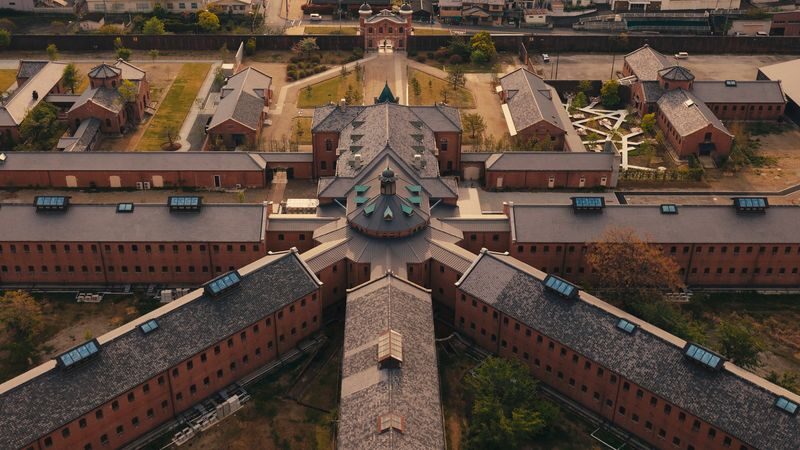
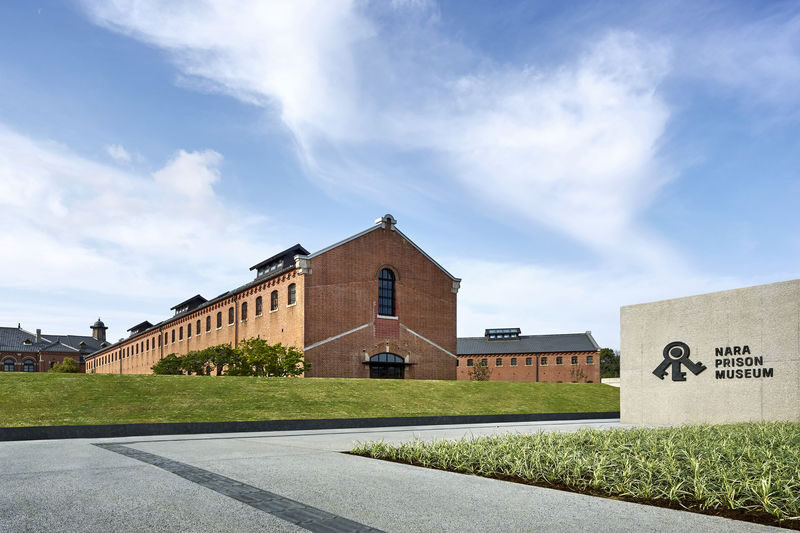
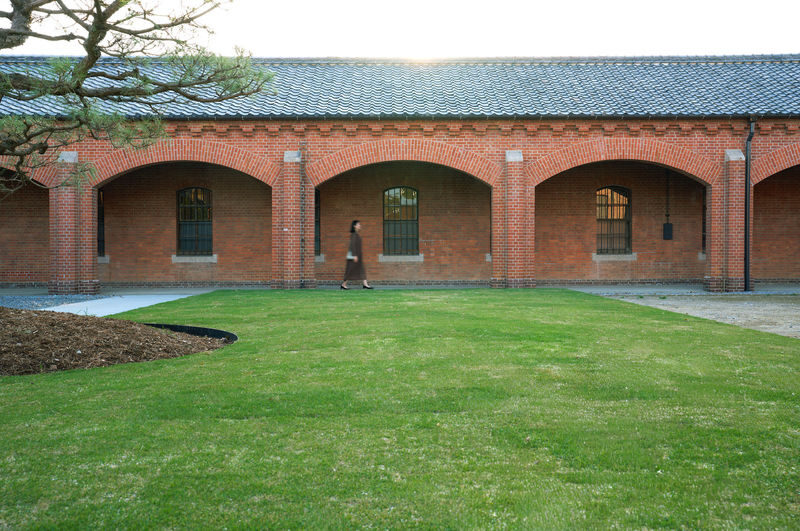
- A 1908 red-brick landmark: The Romanesque building blends Western design with Japanese details.
- Prison life, not just prison walls: Exhibits cover inmates’ routines and the history of Japan’s early modern prison system.
- A reflective visit: Contemporary art and displays invite questions about freedom, justice, and rehabilitation.
- A useful Nara pairing: The museum is a 13-minute walk from Todaiji Temple and can be reached by bus from Nara Park.
- Plan your route: Direct buses take 20 minutes from Kintetsu Nara Station and 28 minutes from JR Nara Station.
- Admission from $22.09: Your ticket covers entry. Café purchases, shop goods, and other personal expenses cost extra.
- A red-brick prison with a bigger story
- From the entrance to the preserved cells
- Meiji-era design, seen up close
- Prison routines and the question of rehabilitation
- Contemporary art and a pause for reflection
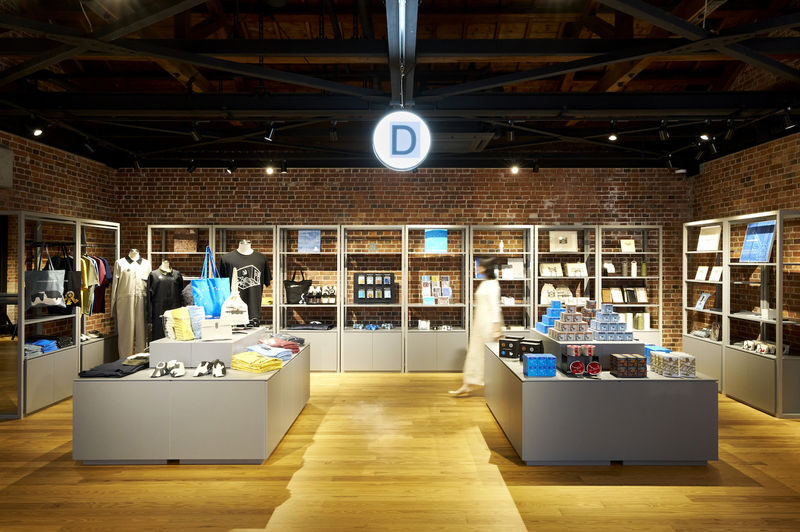
- Café, curry bread, and original goods
- Fitting the museum into a Nara day
- Ticket value and practical planning
- Who should make time for it?
- FAQ
- When does Nara Prison Museum open?
- How much does admission cost?
- How do I get to the museum from Nara’s train stations?
- Are group tours available in languages other than Japanese?
- Can I leave my luggage at the museum or return after leaving?
- Are pets allowed?
- The Best Of Nara!
- More Museum Experiences in Nara
- More Tours in Nara
- More Tour Reviews in Nara
- Not for you? Here's more nearby things to do in Nara we have reviewed
A red-brick prison with a bigger story
 1 / 9
 2 / 9
 3 / 9
 4 / 9
 5 / 9
 6 / 9
 7 / 9
 8 / 9
 9 / 9
Nara Prison Museum gives you a different angle on the city. Instead of focusing on temples, gardens, or deer, it asks you to consider how Japan’s justice system changed as the country entered the modern era. The former prison opened in 1908, during the Meiji period, when Japan was rapidly adapting ideas and institutions from abroad.
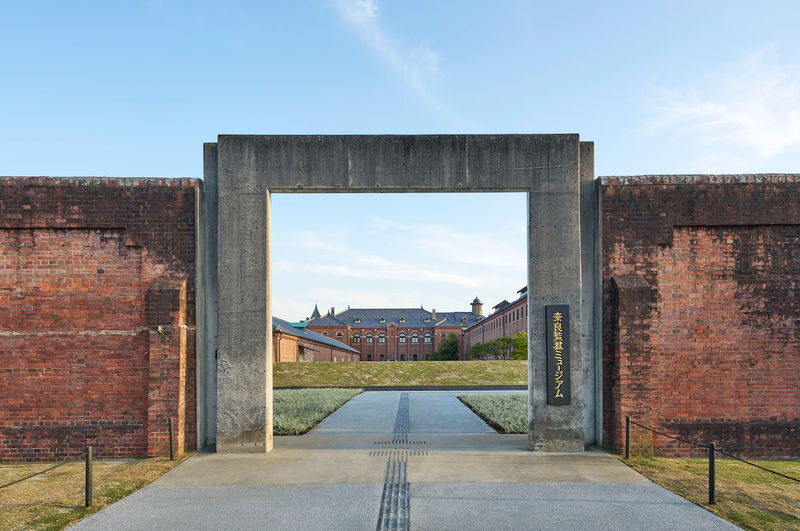
The building’s Romanesque style makes that transition visible. Its red brick and Western architectural influence sit within a Japanese setting, making the prison an arresting contrast to the historic sites nearby. It is also an Important Cultural Property, so the building itself is a key part of the visit, not just a container for exhibits.
I like attractions that help you read a place as well as look at it. Here, the architecture raises practical questions: how did the building’s design shape daily life inside, and what did Japan hope its prisons would accomplish? The museum’s focus on rehabilitation gives those questions a historical frame. You are looking at a penal institution designed in a period when the country was rethinking how imprisonment should work.

👉 See our pick of the 5 Best Historical Tours In Nara
From the entrance to the preserved cells
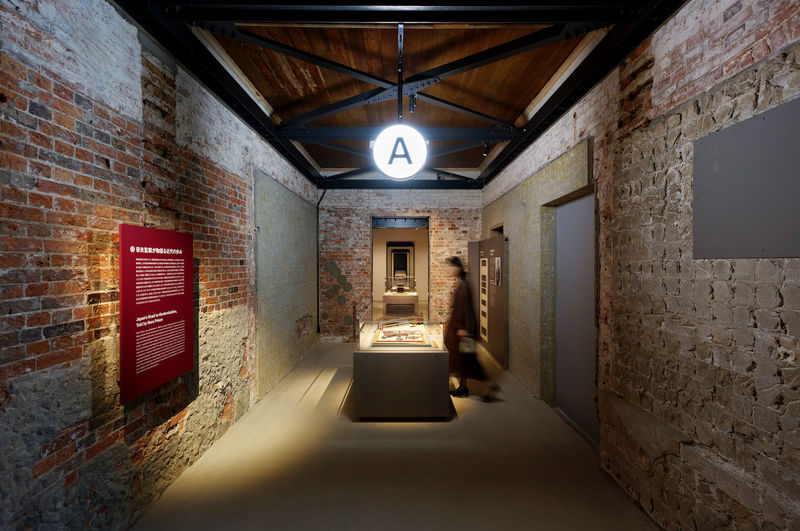
Start by taking in the exterior and the scale of the red-brick structure. The entrance is set back from the road, so keep walking in rather than expecting the museum door to be right at the street. It is worth pausing outside before you enter, especially if architectural details interest you. The building is the clearest reminder that this is a former working prison, not a purpose-built modern gallery.
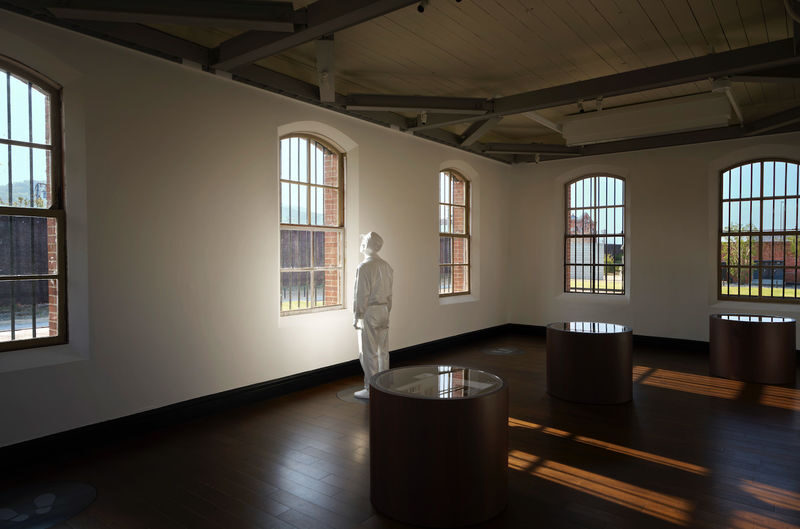
Inside, the displays introduce the prison’s history and the broader development of Japan’s modern judicial system. The preserved cells help turn general history into something more concrete. You can consider the physical environment inmates lived in, rather than relying only on dates and policy explanations.
The exhibits also cover prisoners’ daily schedules and how they spent their free time. That focus is useful because it shifts attention from the building’s dramatic appearance to the repeated routines that shaped life inside. If you are interested in architecture, you can look at how spaces were designed. If social history is more your thing, the routines and institutional rules give you a way into the human story.
A clear route and explanatory displays help you follow the material at your own pace. Still, expect a solemn atmosphere. This is not a photo attraction first and a museum second. The building offers striking views, but the subject calls for a little thought and restraint.
You can also read our reviews of more museum experiences in Nara


Meiji-era design, seen up close
The prison’s architecture is one of the main reasons to visit, even if you are not usually drawn to corrections history. Japan’s Meiji period brought rapid change, and this building reflects that era’s interest in Western methods and forms. Its Romanesque design makes the influence easy to spot, while its place in Nara gives it a distinctly Japanese context.
The design story includes an architect who traveled around the world to study prison layouts before creating this one. That detail matters because it connects the building’s appearance to a practical purpose. The structure was not simply made to look modern; its design drew on ideas about how a prison could operate.
If you enjoy photography, the red brick is an obvious draw. But the experience is not built around photo opportunities, and the museum’s central value lies in the history and reflection inside. Take pictures where appropriate, then spend time with the exhibits. The architecture rewards a closer look, but it is not the whole story.
Prison routines and the question of rehabilitation
The museum explains Japan’s early modern prisons as institutions intended to reform, not only punish. That idea is worth holding in mind as you move through the displays. It does not mean the experience softens the realities of confinement. Rather, it gives you a way to understand the aims and assumptions behind the system at the time.
The details of daily schedules and free time make the history easier to grasp. Rules can feel abstract on a wall panel; a routine helps you imagine how a day was structured. The preserved cells add another layer by showing the spaces where those routines took place.
This is also where the visit becomes more than an architectural stop. You may find yourself thinking about how societies define justice, what rehabilitation means in practice, and how ideas about rights change over time. The museum does not need to answer every question for the visit to be worthwhile. Its strength is in giving you evidence and room to reflect.
Contemporary art and a pause for reflection
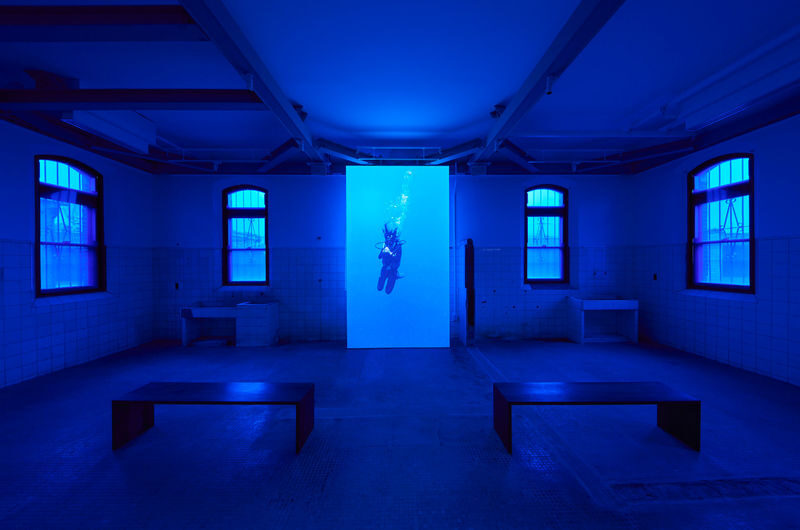
Alongside historical material, the museum includes contemporary art. That combination can make the visit feel less like a sequence of facts and more like a conversation between past and present. The art exhibitions add another perspective to a site already concerned with freedom, human rights, and social change.
The tone remains quiet and contemplative. This suits the subject, though it may not be the right choice if you want a light, high-energy activity. Families can visit, and there is no age limit, but the museum’s themes are serious. You know your children best; you may want to explain in advance that this is a place for history and thought, not a play attraction.
Café, curry bread, and original goods
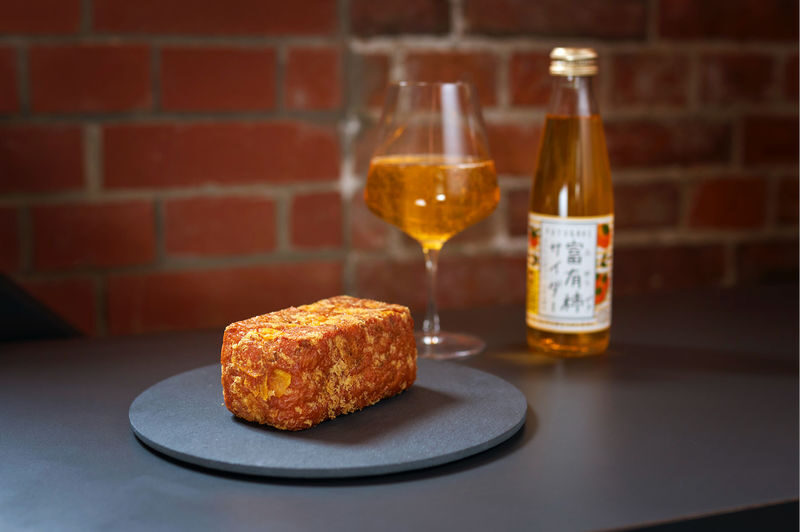
The museum experience also includes a café and shop. Curry bread is a noted treat, and the shop sells original goods. These can make a pleasant pause after the exhibits, or give you a practical reason to linger before heading back toward Nara’s better-known sights.
Admission does not cover personal purchases, so budget separately if you want food or souvenirs. The café and shop are extras rather than the main reason to come. Think of them as a convenient finish to a visit focused on the building and its history.


Fitting the museum into a Nara day
The museum is at 18 Hannyajicho, Nara, near Nara Park. It is about a 13-minute walk from Todaiji Temple, which makes it possible to combine the two on foot. You can also reach the museum by bus from Nara Park, a useful option if you have already spent much of the day walking.
From Kintetsu Nara Station, the direct bus takes about 20 minutes. From JR Nara Station, allow about 28 minutes. The museum is roughly an hour by train from Osaka or Kyoto, making it possible as a day trip, though you should leave room for the local connection and time at the site.
Public transport is the sensible choice. Parking in the surrounding area is limited. For the Nara Marathon on December 13, vehicle access from the Konoike side is closed from 8:30 to 9:20 a.m., and direct and local buses are suspended during that period. If your visit falls on that date, walking is strongly recommended during the restriction.
Ticket value and practical planning
Admission starts at $22.09 and covers entry to the museum. Whether that feels like good value depends on what you want from Nara. If you are mainly looking for a quick photo stop, this is probably not the best use of your time or money. If you want an unusual historic building, a closer look at prison life, and exhibits that encourage reflection, the ticket buys a distinctive experience.
Reserve for a specific date, and arrive within the time stated for your booking. Entry may be restricted when the museum is crowded, and re-entry is not allowed once you leave. There is no luggage storage, so travel light and make any café or shop stop before you exit.
The museum is due to open in April 2026. Opening hours may shift by season, and some facilities or activities may close at certain times of year, so check current details before setting out. Weather can also lead to a cancellation, and travel costs to the venue are not covered in that case. Pets are not permitted, except guide dogs, service dogs, and hearing dogs. Visitors involved in violence or excessive drinking are not allowed to enter.
Language support is worth checking if you do not read Japanese. Group tours are conducted in Japanese. A Chinese brochure is available, and a QR code inside provides a Chinese audio guide with text descriptions. If you need information in another language, confirm what is currently offered before you visit.
Who should make time for it?
This museum is a good fit if you enjoy architecture, modern Japanese history, or places that challenge the usual sightseeing routine. It also works well for visitors who have already seen Nara’s major temples and want a different kind of cultural stop. The combination of preserved cells, historical displays, and art gives you several ways to engage with the site.
It may be less appealing if you want a fast, cheerful attraction or a visit built chiefly around photography. The tone is serious, the subject is demanding, and the location takes some planning. Those are not flaws, but they are useful to know before you book.
I would add Nara Prison Museum to a day near Todaiji and Nara Park, rather than making it a rushed detour between distant sights. Book it if you want to understand a less familiar side of Japan’s modern history, and give the building and exhibits enough time to make their point.
Nara Prison Museum by Hoshino Resorts
“Be sure to book in advance, as it sometimes sells out. Very informative. Anyone looking for photo opportunities is in the wrong place. It makes you…”
FAQ
When does Nara Prison Museum open?
The museum is scheduled to open in April 2026. Opening hours may change slightly by season, so check the current schedule before you go.
How much does admission cost?
Admission starts at $22.09. The ticket covers entry to the attraction; personal expenses are not included.
How do I get to the museum from Nara’s train stations?
A direct bus takes about 20 minutes from Kintetsu Nara Station and about 28 minutes from JR Nara Station. The museum is also a 13-minute walk from Todaiji Temple.
Are group tours available in languages other than Japanese?
Group tours are conducted in Japanese. A Chinese brochure is available, and a QR code inside the museum provides a Chinese audio guide with text descriptions.
Can I leave my luggage at the museum or return after leaving?
Luggage storage is not available, and re-entry is not allowed after you leave. Travel light and plan any stops before exiting.
Are pets allowed?
Pets are not permitted. Guide dogs, service dogs, and hearing dogs are exceptions.