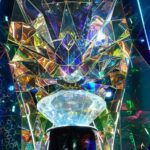
Nara Kingyo Museum turns goldfish into the stars of a series of themed rooms. Expect glowing tanks, Japanese umbrellas, a mirror-ball display and art made with light and projections. It is part exhibition, part photo stop, and a surprisingly different change of pace from Nara’s temples and deer park.
I like the mix of unusual goldfish displays and playful photo settings, and I like that the ticket also covers Nara Ikimono Museum, where you can see other animals. The indoor location at M! Nara makes this a useful break on a hot or rainy day, with shops and restaurants nearby.
The trade-off is location and focus. The museum is away from Nara’s main sightseeing area, and the goldfish exhibits lean more toward visual design than detailed natural history. If you have just one day in Nara and want temples above all, consider the travel time before adding it.
- What to know before you go
- A goldfish museum with an art-gallery mood
- What the exhibits do, and don’t, explain
- The second stop: Nara Ikimono Museum
- How much time to set aside
- Getting to M! Nara
- Is the ticket worth about .15?
- Booking and entry without a ticket snag
- Who will enjoy this stop most?
- Should you book Nara Kingyo Museum?
- FAQ
- How long does a visit take?
- What does the set ticket include?
- Where are the museums?
- What are the Kingyo Museum’s opening hours?
- How do I get to M! Nara?
- How do I use the online voucher?
- Are young children charged admission?
- Can I take photos or touch the goldfish?
- The Best Of Nara!
- More Tickets in Nara
- More Tours in Nara
- More Tour Reviews in Nara
- Not for you? Here's more nearby things to do in Nara we have reviewed
What to know before you go
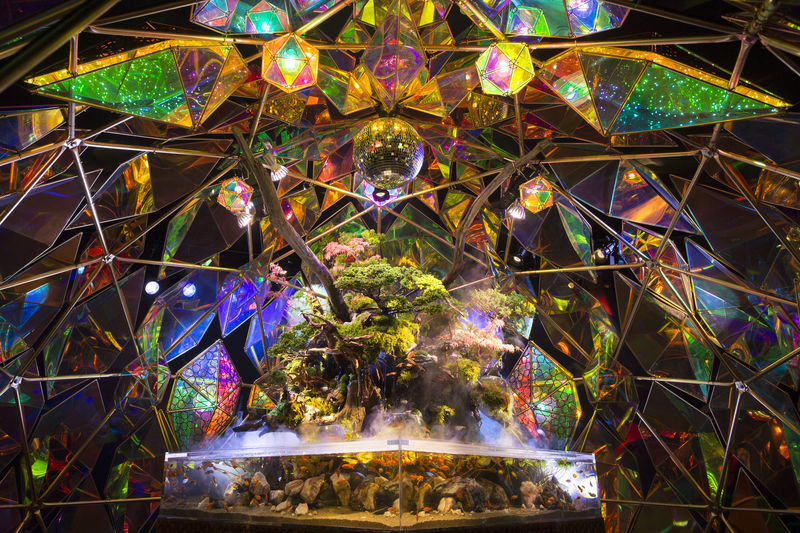
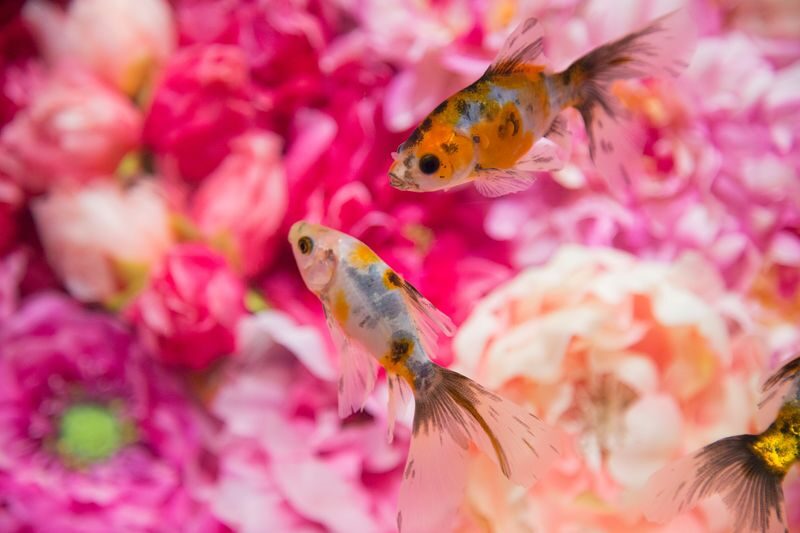
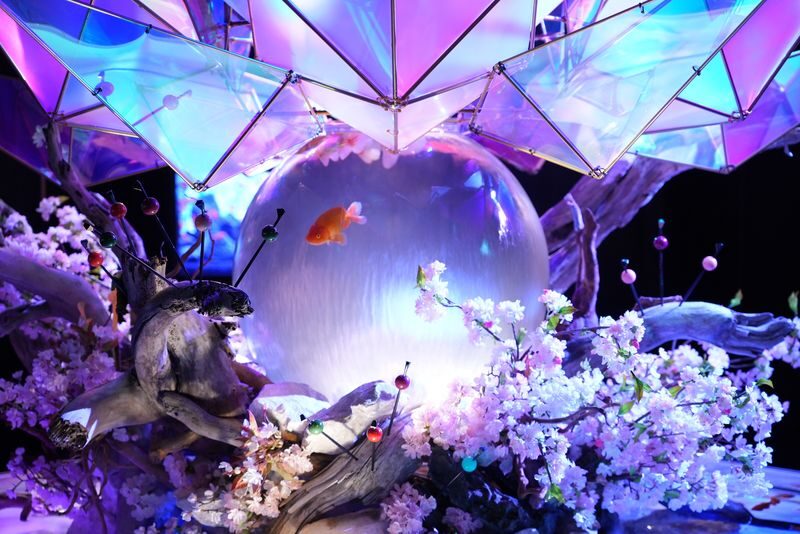
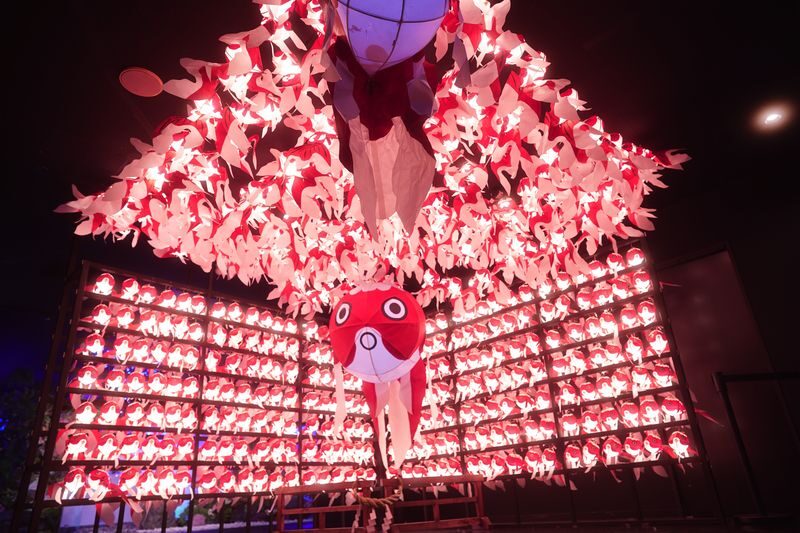
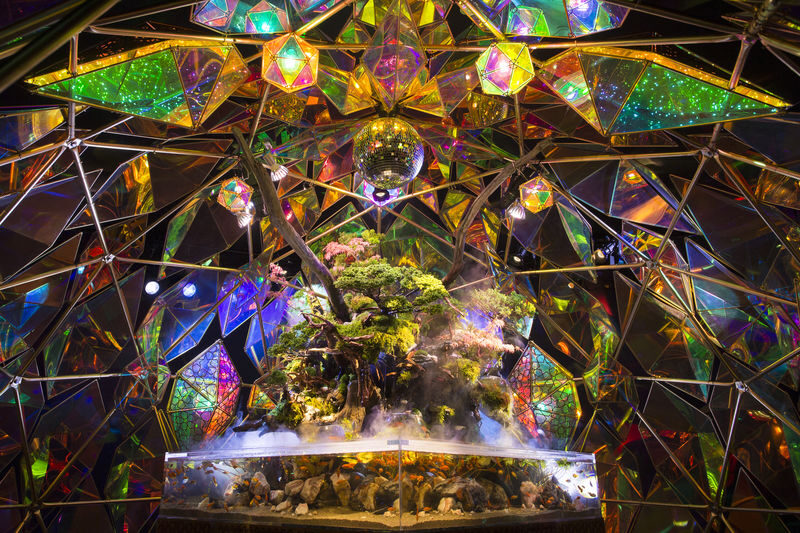
- Goldfish take center stage: The rooms pair tanks with themed lighting, decor and photo backdrops.
- The ticket includes two museums: Admission covers both Nara Kingyo Museum and Nara Ikimono Museum.
- Plan one to two hours: Some visitors make a quick circuit, while others linger for photos and a slower look.
- It’s inside M! Nara: Find both museums on the shopping center’s fourth floor.
- Use the shuttle or allow a walk: A free shuttle runs from several nearby stations, while Shin-Omiya Station is about a 15-minute walk away.
- Get your voucher ready online: Staff must process it, and your phone needs an internet connection to open it.

👉 See our pick of the 5 Best Historical Tours In Nara
A goldfish museum with an art-gallery mood
Nara is one of Japan’s major goldfish-producing areas, and the Kingyo Museum puts that local connection in the foreground. Rather than presenting itself as a traditional natural-history museum, it builds a sequence of decorated spaces around the fish. The effect is closer to a small visual exhibition, with tanks set into rooms designed for looking and taking pictures.
You’ll encounter varied goldfish in illuminated displays, with different themes shaping the mood from one area to the next. A wall of Japanese umbrellas supplies a distinctly Japanese setting, while the mirror-ball section shifts into a disco-like glow. Other displays use flowers, projections and artful lighting. It’s a compact attraction, but the changes in style give you reasons to slow down rather than rush from tank to tank.
That design is the museum’s main strength. The fish are not just in plain rows of aquariums; the decor makes each room feel different. If you enjoy photography, you’ll find plenty of spots to frame a picture. The trick-art walls and decorative domes add another playful layer, though they may feel more like photo props than exhibits if you’re seeking a detailed lesson in fish biology.
You can also read our reviews of more tours and experiences in Nara
What the exhibits do, and don’t, explain
The museum introduces several kinds of goldfish and gives you a chance to see varieties you may not have encountered before. But don’t come expecting an in-depth account of breeding, care or the history of each breed. Species labels and background information appear limited, so the attraction is stronger as a visual experience than as a study museum.
That distinction matters when you decide how to spend your Nara time. If you’re curious about goldfish and enjoy unusual displays, the rooms make an entertaining stop. If you want extensive interpretation or a large collection arranged for close comparison, you may leave wanting more. The fish themselves remain the point, but the art and setting often draw as much attention as the biology.
The lighting is part of the appeal, but it can also shape your experience of the fish. Pause to look past the photo opportunities and watch the goldfish moving through the tanks. You’re asked not to touch the fish, artwork or exhibits, and flash photography is prohibited. Keep your camera flash off and follow staff instructions.
The second stop: Nara Ikimono Museum
The ticket includes admission to Nara Ikimono Museum, another animal-focused exhibition in the same M! Nara complex. The combined ticket makes the outing more varied: after the goldfish rooms, you can see reptiles and other animals in a different setting. The Ikimono Museum has its own appeal, especially if you’re visiting with children or have a broad interest in animals.
The two museums have different styles. Kingyo Museum is more deliberately decorated, with themed rooms and photo-friendly scenes. Ikimono Museum is more about seeing animals, including reptiles. Some animal interactions may be possible under staff direction, but don’t assume you can touch anything. The general rule is to respect the exhibits and follow the instructions on site.
Allow time for both, but keep your expectations measured. One hour may be enough for a brisk visit to both museums; a slower circuit with photo stops can take closer to an hour and a half. The ticket information gives a broader one-to-two-hour estimate, which is sensible if you want time to explore without hurrying. The Ikimono Museum is an added benefit, not necessarily a reason on its own to make a long detour.
How much time to set aside
Think of the museum as a flexible indoor stop, rather than a half-day attraction. If you move steadily through the rooms and take only a few photos, you might finish in around 30 to 60 minutes. If you pause at the displays, take pictures and visit both museums, set aside about 60 to 90 minutes. The advertised estimate is one to two hours, so you have room for a relaxed visit.
Your pace will depend on how much you enjoy the photo settings. Some rooms invite a quick look; others are worth sitting with for a moment. The museum’s small scale is handy when you’re short on time, but it also means that visitors looking for a large, traditional museum may feel they’ve seen everything quickly.
There are no restrooms inside Nara Kingyo Museum, so use one before entering. The shopping center has other facilities, but you’ll want to take care of this before starting your visit. Outside food and drinks are not allowed inside the venue, and re-entry information in the ticket details is inconsistent. Check with staff before leaving the museum if you think you may want to return.
Getting to M! Nara
Both museums are at M! Nara, fourth floor, 1-3-1 Nijo-oji-minami, Nara. The shopping center is outside the cluster of central Nara sights, so factor in the transfer if you’re planning a tight day around Nara Park, the temples and the deer.
From Shin-Omiya Station, the stated walk is about 15 minutes. A free shuttle bus also runs from JR Nara Station’s west exit, Kintetsu Nara Station and Shin-Omiya Station. Check the facility’s current website for shuttle details before setting out, since schedules and operating information can change. The shuttle can make the trip simpler than navigating the route on foot, especially if you’re already tired from sightseeing.
Once inside the shopping center, head to the fourth floor. The mall itself has shops and restaurants, making it easy to pair the museum with lunch or a rest. The museum can also offer a welcome indoor pause from summer heat. Still, it isn’t right beside Nara’s best-known sights, so it makes most sense when you’re comfortable spending some of the day beyond the main temple-and-park route.


Is the ticket worth about $15.15?
The ticket starts at about $15.15, though the price can vary. Its value depends on whether you plan to visit both museums and how much you enjoy the decorated displays. For two admissions in one indoor outing, the price can be reasonable, particularly if you take your time and use the stop as a break between outdoor sightseeing.
If you’re mainly interested in goldfish, the Kingyo Museum is the stronger draw. The visual rooms and different kinds of fish can make the admission worthwhile, but the limited natural-history detail may disappoint if you expect a conventional museum. If you’re curious about reptiles and other animals too, the Ikimono Museum adds variety and improves the value of the set ticket.
You can buy a single Kingyo Museum ticket or select the set ticket for both attractions, so check the exact option before paying. Prices and discounts may change, and the listed starting price is not a guarantee of the total cost for every date or ticket type. Compare the current on-site price with the online price if saving money is your priority.
Booking and entry without a ticket snag
The ticket is an online voucher that you open through Klook’s app or website under My Bookings. You need internet access on your phone to display it. Staff at the venue process the voucher and exchange it for a physical ticket, so don’t try to operate or redeem the ticket yourself. If it is marked as used, it can no longer be used for entry.
The voucher is stated to be valid for 180 days from booking confirmation, but check its displayed dates and conditions before you set off. The ticket information also says bookings are non-cancellable and non-refundable, except when the operator cancels due to unforeseen events or extreme weather. In that case, you may reschedule or request a full refund.
Children aged 13 and older pay the adult rate; children aged 0 to 3 enter free. The venue is described as stroller- and wheelchair-accessible, though you may have to wait if it is busy. One caregiver is admitted free for each person with certain certificates. Visitors with a disability certificate should buy at the counter, where the ticket holder and one accompanying person receive half the regular fare.
Who will enjoy this stop most?
This outing suits families, photography fans, animal lovers and anyone wanting an indoor change of pace. Kids may enjoy the bright rooms and the second museum, while adults can take a slower look at the fish and use the visit as a rest from walking around Nara. It can also work as a solo activity, with no need to match anyone else’s pace.
It’s less compelling if your schedule is packed with Nara’s main cultural sights or if you prefer exhibits with lots of detailed interpretation. The distance from the central attractions is the key planning question. If the shuttle fits your route, or you have time for a separate stop, the museum offers a colorful contrast to the temples and park. If every hour is spoken for, you may prefer to stay closer to the historic center.
Should you book Nara Kingyo Museum?
Book it if you like creative displays, want an indoor break, or are keen to visit both animal museums. The strongest reasons to go are the themed goldfish rooms, unusual photo settings and the option to add Nara Ikimono Museum under one ticket. Set aside about an hour to an hour and a half, and check current transport and ticket details before you travel.
Skip it if your Nara day is very short or if you want a deep lesson in goldfish breeds and history. This is a small, visual attraction, not a substitute for the city’s major temples and cultural sites. For the right visitor, though, it adds a distinctly different stop to a day in Nara.
Nara Kingyo Museum Admission Ticket
“We spend total of 1 hour for both gold fish and animal museum. Cute place and it will be great for kids. Also a fun section of trick art for photos!”
FAQ
How long does a visit take?
Plan for one to two hours. A quick visit may take 30 to 60 minutes, while seeing both museums at a slower pace can take about 90 minutes.
What does the set ticket include?
It includes admission to Nara Kingyo Museum and Nara Ikimono Museum.
Where are the museums?
Both are on the fourth floor of M! Nara, at 1-3-1 Nijo-oji-minami, Nara.
What are the Kingyo Museum’s opening hours?
The stated hours are Monday through Sunday, 10:00 am to 6:00 pm, with last admission at 5:30 pm. Hours may change, so check the official website before visiting.
How do I get to M! Nara?
You can walk about 15 minutes from Shin-Omiya Station or use the free shuttle bus from JR Nara Station’s west exit, Kintetsu Nara Station or Shin-Omiya Station. Check the facility website for shuttle details.
How do I use the online voucher?
Open the voucher through My Bookings in the Klook app or website, then show it to the local staff on your phone. Your device needs an internet connection, and staff must process the ticket.
Are young children charged admission?
Children aged 0 to 3 enter free. Children aged 13 and older are charged the adult rate.
Can I take photos or touch the goldfish?
You may take photos, but flash photography is prohibited. Do not touch the goldfish, exhibits or artwork. Follow staff instructions for any animal interactions at Nara Ikimono Museum.