Kamikochi’s appeal is simple: a clear river, broad mountain views and trails that let you enjoy the Alps without taking on a steep climb. I like that you can choose between a short Taisho Pond to Kappa Bridge walk and a longer route toward Myojin, and that the Nagoya transfer makes this remote valley possible as a day trip.
The trade-off is the clock. The ride takes several hours each way, while your time in the valley is limited, so the longer route can feel rushed if you stop often or visit Myojin Pond. This works best if you’re happy to choose one walk, keep an eye on the return time and treat the day as an outing rather than a leisurely stay.
- Key points
- The long ride is part of the day
- Starting at Taisho Pond
- Kappa Bridge: a natural turnaround point
- The Myojin route takes more planning
- What the time allowance really means
- Price, comfort and the fine print
- Who should book this Kamikochi day trip
- FAQ
- How long is the day trip from Nagoya?
- How much time do I get in Kamikochi?
- What are the two walking routes?
- Are meals and drinks included?
- How much luggage can I bring?
- What languages are offered for guide service?
- The Best Of Matsumoto!
- More Hiking & Trekking Tours in Matsumoto
- More Tours in Matsumoto
- More Tour Reviews in Matsumoto
- Not for you? Here's more nearby things to do in Matsumoto we have reviewed
Key points
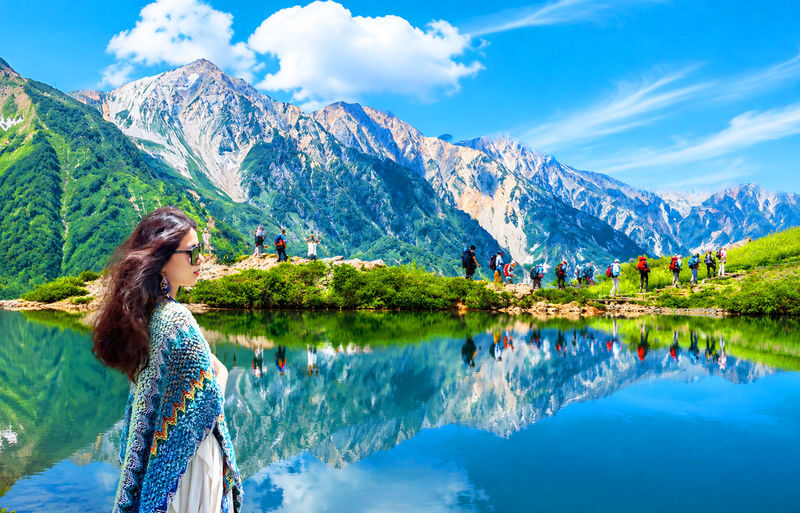
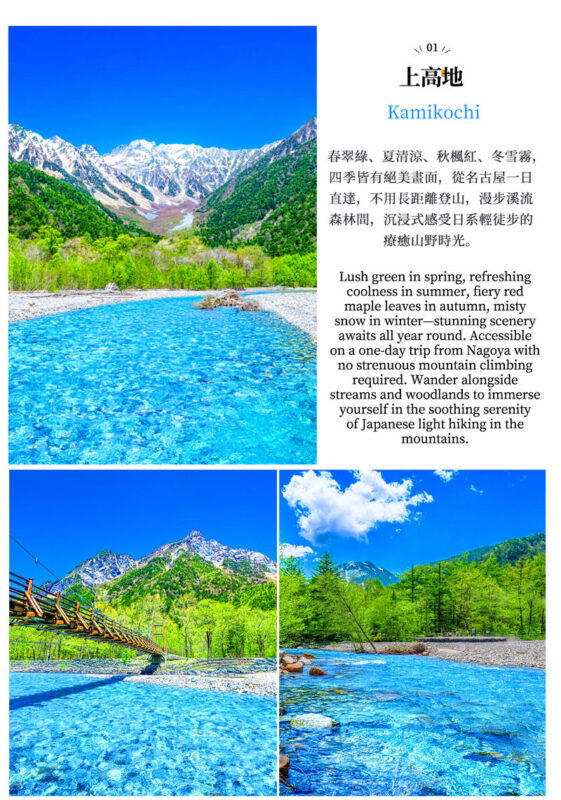
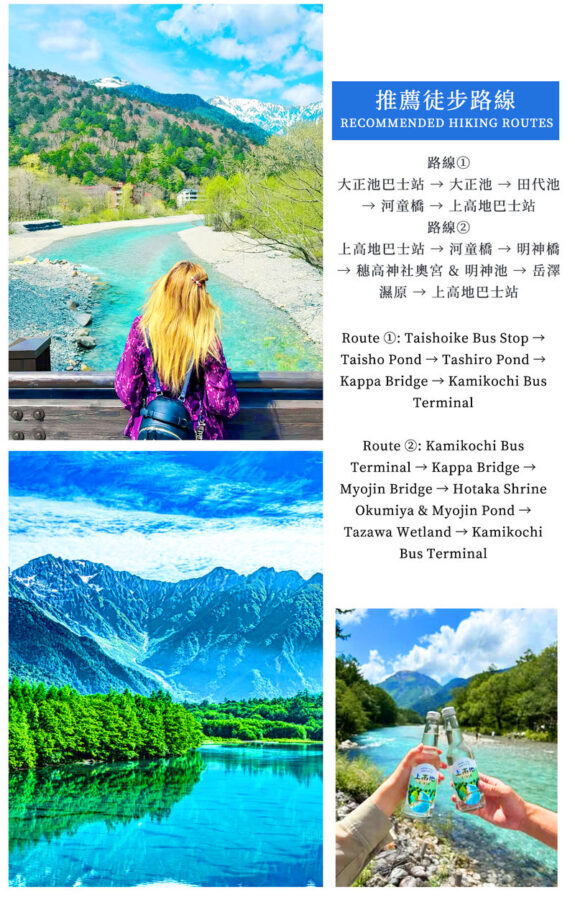
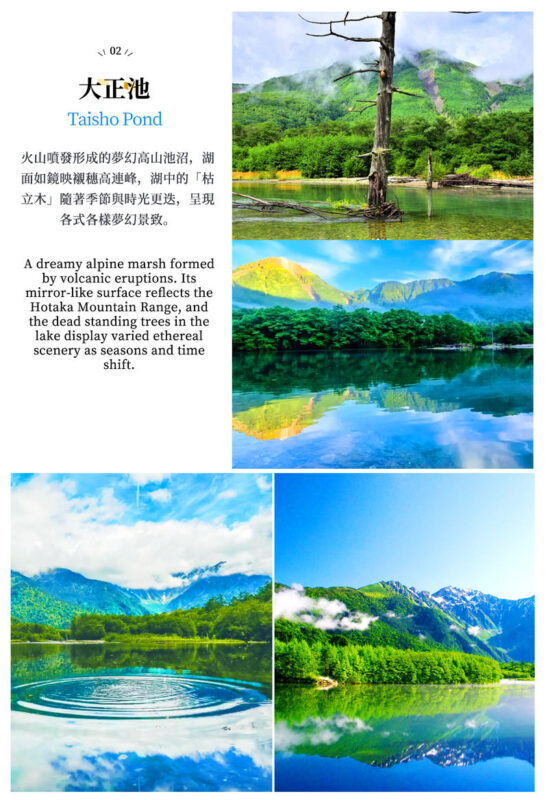
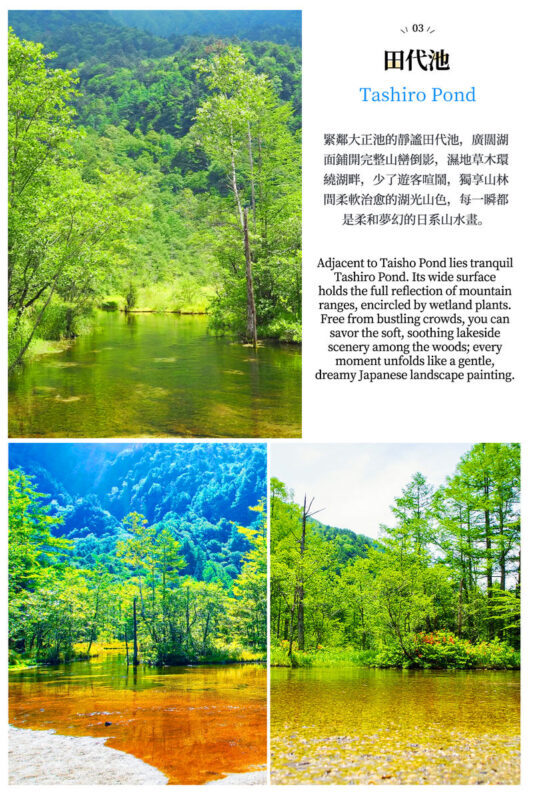
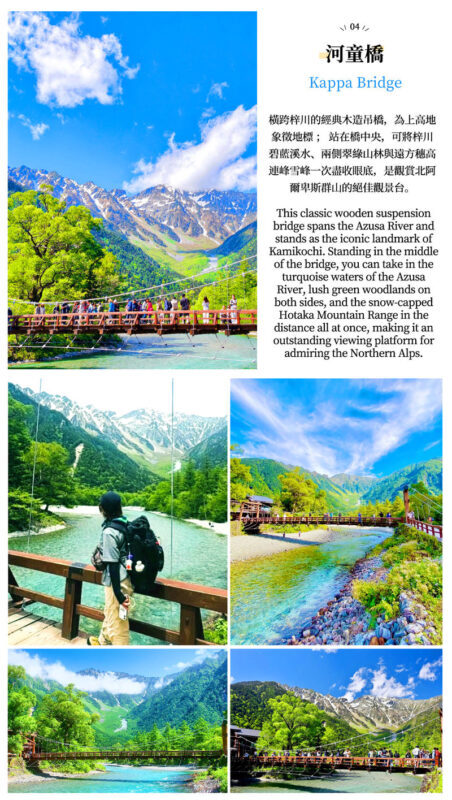
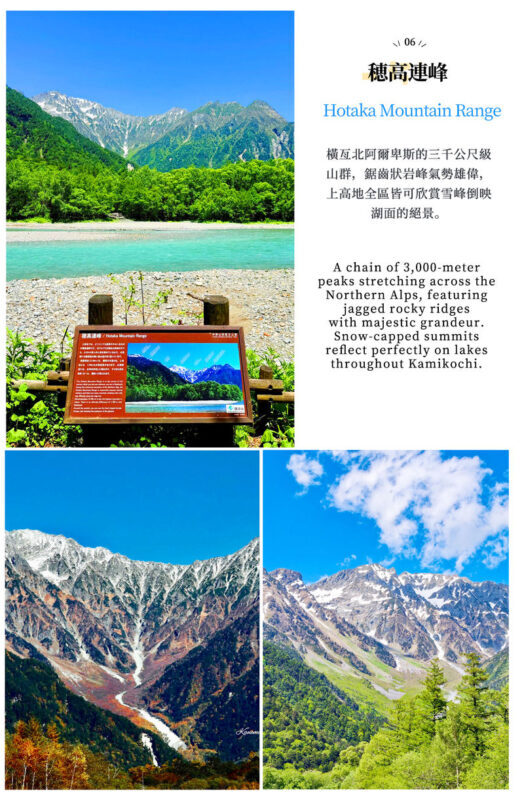
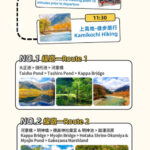
- Taisho Pond to Kappa Bridge: The 3.5 km beginner route links two of Kamikochi’s best-known sights on mostly flat ground.
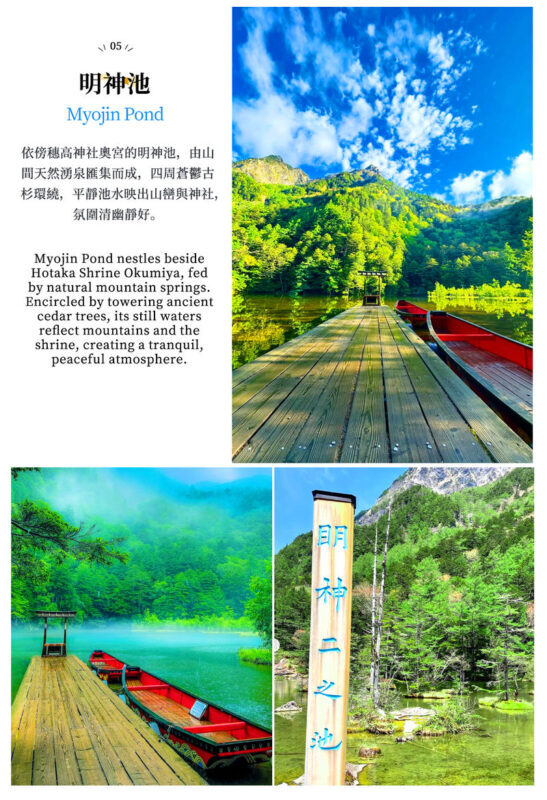
- A longer option toward Myojin: The 5.6 km route follows the Azusa River to Myojin Bridge, with Myojin Pond and Hotaka Shrine also included in the suggested circuit.
- A full day from Nagoya: Departure is scheduled for 8:00 am, with return around 6:30 to 7:00 pm, though traffic can shift the timing.
- Bring food and manage your stops: Meals are not included, and your limited time is shared between walking, breaks and the bus meeting deadline.
- Guide service varies: Language support may be in English, Chinese or Japanese, but the group can include passengers using different languages.
- Plan for weather and the season: Rain can make the scenery less clear and trails muddy; late-season visits can be cold, especially at the hands.

👉 See our pick of the 11 Best Tours In Matsumoto
The long ride is part of the day
Kamikochi sits in the Japanese Alps, and reaching it from Nagoya takes commitment. The day begins at 8:00 am near Nagoya Station’s Taiko-dori Exit and is scheduled to end around 6:30 to 7:00 pm. The ride can take three to four hours each way, depending on traffic and conditions, so expect a substantial stretch in the vehicle before and after your walk.
That transfer is the main reason this tour can be good value. Kamikochi is remote, and arranging the round trip yourself can take extra planning. Here, the price includes transport, tolls, parking and fuel. You can spend your energy on the valley walk instead of coordinating the drive.
The vehicle arrangement depends on the group size. With four to 13 people, the service may be a driver-guide, whose main task is driving and who provides explanations as a secondary role. Groups of 14 to 45 may travel with a separate driver and guide. English, Chinese and Japanese service is offered, but passengers choosing different languages may ride together. Don’t assume this is a full-day lecture about the region: some guides focus mainly on route instructions, meeting times and safety.
The guide’s practical help can still matter. Guides named Iris, Liu and Leo have led groups on past departures, but assignments vary. Clear directions are especially useful when you have only a few hours to walk and must be back at the vehicle on time.
You can also read our reviews of more hiking tours in Matsumoto
Starting at Taisho Pond
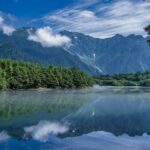
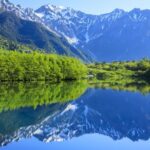
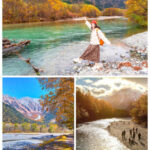
The shorter route begins at Taisho Pond, a quiet place to start before the path follows the clear Azusa River toward Tashiro Pond and Kappa Bridge. The walk is about 3.5 km and is estimated at 1 to 1.5 hours without long pauses. It is mostly flat, making it the sensible choice if you’re new to hiking, walking with children, or simply want time for photographs and a relaxed stop along the way.
The order is useful: you get a river walk and several classic sights without retracing your steps. The mountain scenery is the constant companion, but the view changes as you move from pond and forest edges to the more open riverside. On a clear day, the peaks are easier to see; in rain, water can turn muddy and the views may be less crisp. The route is still walkable in wet weather, but pack a rain layer and shoes you’re comfortable wearing on damp paths.
The stated walking time is not the same as the time you’ll need to enjoy the route. Photo stops, rest breaks and time at each landmark add up. If you like stopping to look around, don’t set out assuming you can complete both routes. The Taisho Pond walk alone is a satisfying visit, not a consolation prize.
Kappa Bridge: a natural turnaround point
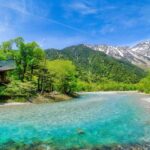
Kappa Bridge is the best-known gathering point in Kamikochi and the natural finish for the beginner route. It gives you a chance to take in the mountain and river setting, rest, and decide how to use the remaining time. The shops near the bridge and bus terminal sell food and souvenirs, including apple pie and Kamikochi soft ice cream. Queues can slow you down, so keep the departure time in view before browsing.
The bridge is also where the longer walk becomes a real choice. You can stay nearby, enjoy lunch and the scenery, or head farther along the Azusa River toward Myojin. The central area can be busier than the quieter stretches beyond it, while the longer route offers more walking and a different feel. The trade-off is simple: extra distance means less time for a leisurely meal, shopping or lingering at the bridge.
The Myojin route takes more planning
The advanced option is about 5.6 km and is estimated at 2 to 2.5 hours. Its suggested circuit starts at the Kamikochi Bus Terminal, passes Kappa Bridge, follows the river toward Myojin Bridge, then continues to Hotaka Shrine Okumiya and Myojin Pond before returning via Dakesawa Wetland. The river and mountain views continue, but the greater distance makes this a route for people who are comfortable keeping a steady pace.
Be realistic about the schedule. The walk’s estimated time does not leave much room for a slow lunch, lots of photos or a long stop at Myojin Pond. One visitor who chose this route found that the pond visit and loss of GPS signal made it hard to get back in time, while another completed a walk to Myojin and returned to Kappa Bridge within the available window. Your pace and stops will decide which experience you get.
If you want to visit Myojin Pond, check your time as you go and keep the return route clear. Don’t rely on your phone’s signal for navigation. If you’re unsure, ask the guide to explain the route before setting off. For many first-time visitors, the Taisho Pond walk is the better choice: it covers the key sights at a calmer pace and leaves room to enjoy the valley rather than race through it.
What the time allowance really means
The day’s published schedule gives you a long window from morning departure to evening return, but not a full day on foot. The activity is described as three hours, while the on-site schedule and trip descriptions allow roughly three to three and a half hours in Kamikochi. Treat that as the practical range, not a promise that every stop will fit. Weather, traffic, holiday crowds and other conditions can lead the guide to adjust or shorten the plan.
A useful way to divide your time is to choose your route before you arrive. For the shorter walk, allow room for the trail, a pause at Kappa Bridge, food and a quick look at the shops. For Myojin, begin promptly and avoid adding long detours. The bus will not wait for late arrivals, and a missed departure means no refund.
Meals and drinks are not included. You can buy something near the bridge or terminal, but choices are limited, and a line can eat into your walking time. I’d bring a snack from Nagoya and carry water for the walk. There are places to sit and picnic, so bringing your own food also gives you more control over the schedule.
You can also read our reviews of more tours and experiences in Matsumoto


Price, comfort and the fine print
The advertised starting price is $49.35, while the Kamikochi Classic Hiking Day Trip option is shown at $70.45. Check the selected package and date before booking, since the price you see may depend on the option chosen. For the cost, the key value is the round-trip transfer and the chance to reach Kamikochi without arranging your own transport. It is less compelling if you want a slow visit or time for both routes, since the drive takes up much of the day.
One piece of luggage per person is included. Extra pieces cost ¥2,000 each and must be declared when booking; if you don’t mention them in advance, the driver or guide may refuse boarding without a refund. Keep your day bag light, since you’ll carry it on the trail.
Infants and children must be included in the passenger count. Children aged zero to two travel free if they do not need a separate seat; children aged three and older pay the adult rate. People aged 70 and older need to present a medical certificate. The activity is not recommended for people with high blood pressure, epilepsy, heart disease, asthma or other serious medical conditions, or for pregnant women.
Meet at the Ministop Tsubakicho Store, 5-10 Tsubakicho, near Nagoya Station’s Taiko-dori Exit, and arrive at least ten minutes early. The operator sends guide, meeting and vehicle details by email before 9:00 pm Japan time on the day before departure. Check your spam folder if the message is missing, and use the latest email if you receive more than one. The actual return time can shift with traffic, so leave the evening open.
Who should book this Kamikochi day trip
I’d book this tour if you’re based in Nagoya, want to see Kamikochi without planning your own transport, and are content with a few focused hours in the valley. The beginner route suits first-time hikers and anyone who prefers a flat, manageable walk with time for photos and a break at Kappa Bridge. The Myojin loop is a better fit if you walk briskly, have good trail stamina and are willing to make fewer stops.
I’d look for a longer stay if your priority is to explore both routes, spend a long time at Myojin Pond or enjoy Kamikochi at an unhurried pace. For a first look at the Alps, though, the combination of a straightforward transfer and a choice of walks makes this a practical day out. Decide your route before you arrive, pack a snack and watch the clock. That small bit of planning can make the difference between a pleasant walk and a hurried dash back to the bus.
Kamikochi Light Hiking Day Trip: Taisho Pond & Kappa Bridge & Northern Alps Scenery (Departing from Nagoya)
“Yesterday, I joined a day tour to Kamikochi. I was really impressed by how clear and easy to understand the tour guide's explanations were. They ca…”
FAQ
How long is the day trip from Nagoya?
The scheduled departure is 8:00 am, with return around 6:30 to 7:00 pm. The drive can take three to four hours each way, and traffic or weather may change the schedule.
How much time do I get in Kamikochi?
Plan for roughly three to three and a half hours on site. The exact time can change with traffic, weather, crowds or other conditions.
What are the two walking routes?
The shorter route is about 3.5 km from Taisho Pond to Tashiro Pond and Kappa Bridge, taking about 1 to 1.5 hours. The longer route is about 5.6 km and goes toward Myojin Bridge, Hotaka Shrine Okumiya and Myojin Pond, taking about 2 to 2.5 hours.
Are meals and drinks included?
No. Meals and beverages are not included, so bring a snack or plan to buy food near Kappa Bridge or the bus terminal.
How much luggage can I bring?
One piece of luggage per person is included. Extra pieces cost ¥2,000 each and must be noted when you book.
What languages are offered for guide service?
English, Chinese and Japanese guide service is offered. Passengers who choose different languages may be placed in the same vehicle.