The surprise here is Obara: about 10,000 shikizakura trees bloom in autumn, sharing the hillsides with red leaves. Add Eihoji’s centuries-old ginkgo and Korankei’s maple-filled gorge, and you get three distinct seasonal scenes in one long day from Nagoya.
I like the contrast between a quiet temple garden and a festival setting, and the chance to see Korankei in daylight and, if timing allows, under its evening lights. The shared bus also takes the strain out of connecting these out-of-town stops by public transport.
The trade-off is timing. Autumn color and cherry blooms depend on the weather, traffic can cut into time at the sights, and lunch is not included. Go for the variety and convenience, not a promise that every tree will be at peak color.
- Three autumn stops, three different moods
- A temple, a rare bloom and a maple gorge
- Eihoji: old trees in a temple garden
- Obara: cherry blossoms in autumn
- Korankei: the longest stop and the big finish
- What the bus day feels like
- Meals, clothing and other practical details
- Is this day trip worth booking?
- FAQ
- Where does the tour depart from?
- What time does the tour return to Nagoya?
- How long do you spend at each stop?
- Is lunch included?
- What languages are available?
- Are children allowed on the tour?
- Can I bring luggage?
- Can I cancel for a refund?
- More Tours in Aichi
- More Tour Reviews in Aichi
- Not for you? Here's more nearby things to do in Aichi we have reviewed
Three autumn stops, three different moods
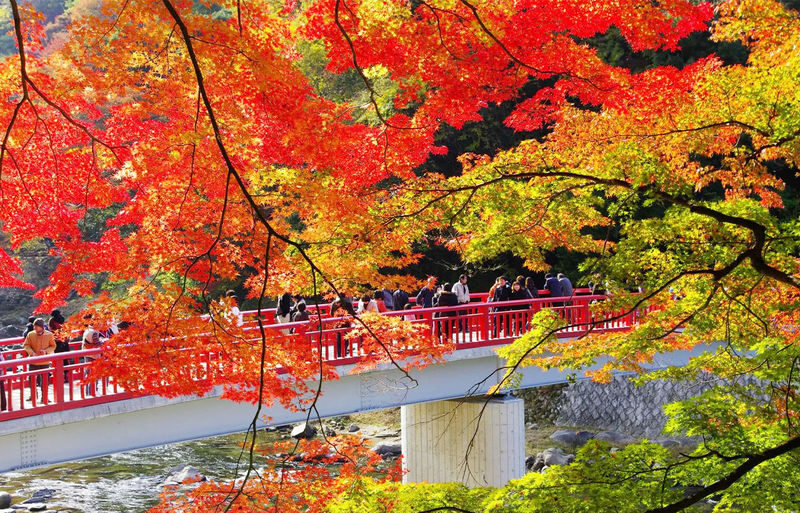
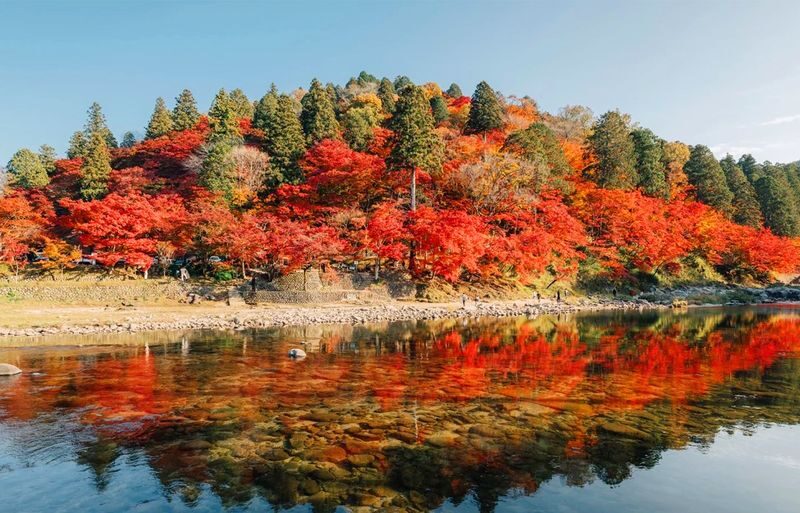
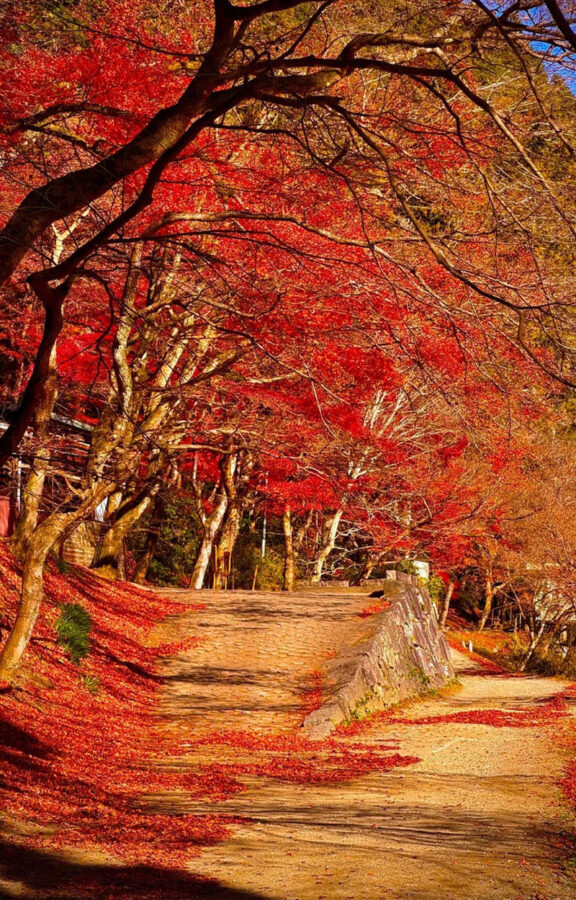
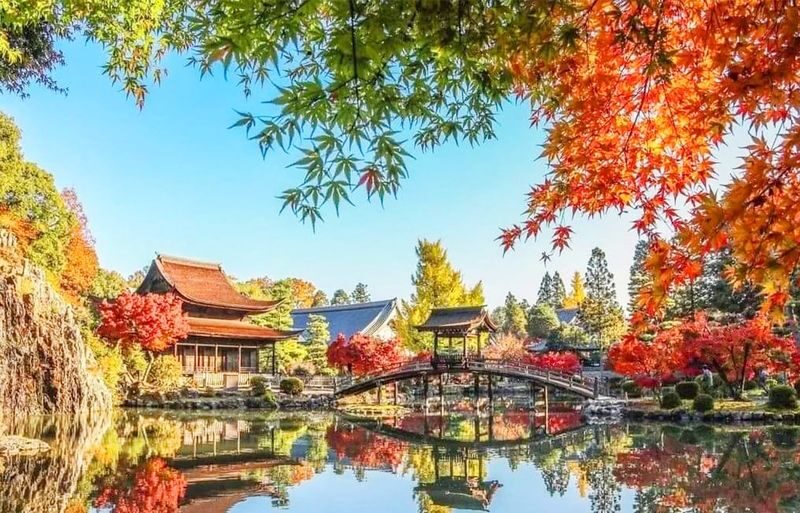
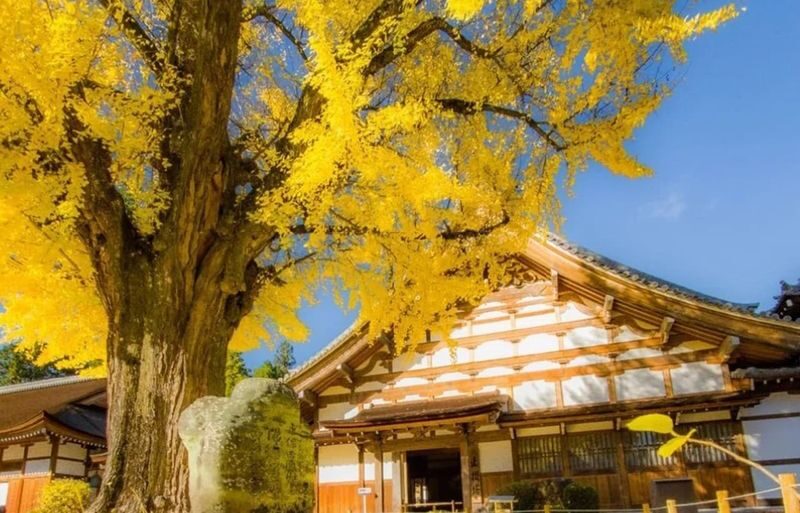
- Eihoji’s old ginkgo: See a ginkgo tree said to be more than 700 years old, alongside red maples and a temple garden with a pond.
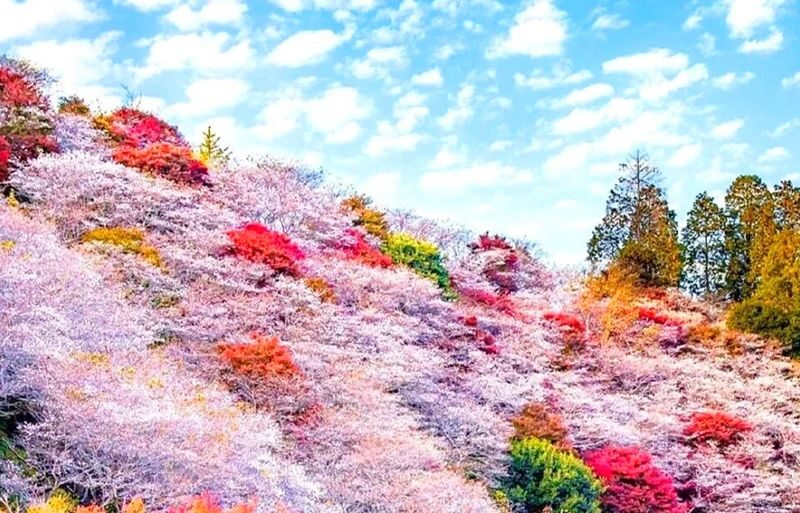
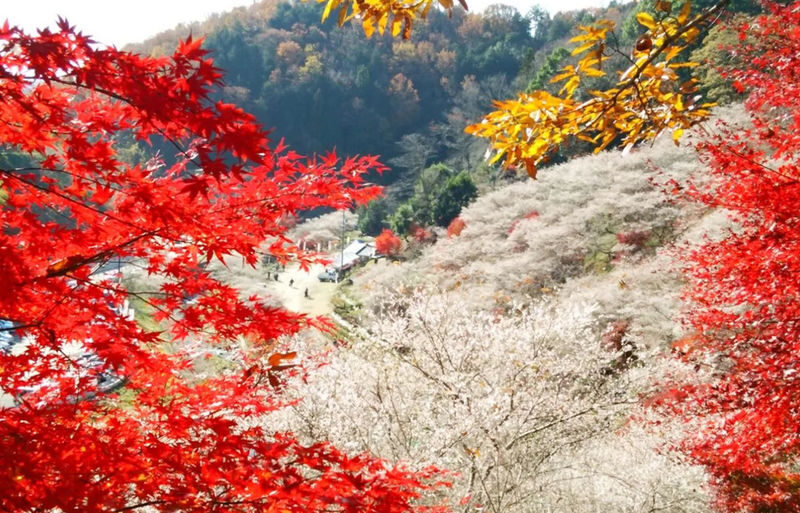
- Obara’s unusual bloom: Shikizakura, or four-season cherry trees, flower in autumn among the red leaves. The festival is scheduled for November 16 to December 1.
- Korankei’s maple valley: More than 4,000 maple trees grow around the gorge, with the Tomoe River adding reflections and a focal point for photos.
- A full day from Nagoya: The tour departs at 10:00 and is scheduled to return around 20:00, with round-trip transport and road costs included.
- Time at Korankei can shift: Expect roughly 120 to 210 minutes there, depending on traffic and the day’s conditions.
- Bring lunch and warm layers: Meals are your responsibility, and Korankei can feel cold after sunset.
A temple, a rare bloom and a maple gorge
This is a day built around contrast. At Eihoji, you get historic buildings, a garden and autumn color. At Obara, the headline is the unlikely pairing of pink cherry blossoms and red foliage. Korankei finishes the route with a much larger stretch of wooded valley.
That variety is the tour’s strongest idea. You are not spending the day looking at the same kind of tree from three angles. The stops give you different settings and different reasons to take your camera out, while the bus makes a route between Gifu and Toyota practical without planning each connection yourself.
The trade-off is that the scenery is seasonal, not guaranteed on a calendar. The festival dates are set, but blossoms and foliage can arrive early, late or fade before your visit. If you book for peak color, keep your expectations flexible: the operator may run the tour even when the display is past its best.
The tour costs from $56.85, with transport, tolls, parking and fuel included. That can be good value if you want to see all three locations in one day without arranging separate transport. It is less appealing if you prefer long, unhurried visits or need firm control over when you eat and return.
You can also read our reviews of more tours and experiences in Aichi.

Eihoji: old trees in a temple garden
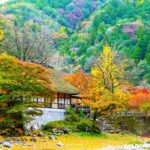
The first stop is Kokeizan Eihoji Temple in Tajimi, Gifu Prefecture. The grounds are known for a large ginkgo said to be more than 700 years old, along with red maples and traditional temple buildings. The garden’s pond reflects the trees and architecture, giving you a quieter start than the festival and gorge later in the day.
You have about an hour here to explore on your own. That is enough to see the main features at a steady pace, but it may feel short if you like to linger, take many photographs or stop at every viewpoint. Wear shoes that are comfortable for walking, and keep an eye on the time: the guide sets a departure time for the group.
The appeal is the way the setting brings the season into focus. Golden ginkgo leaves and red maple foliage frame the temple buildings, while the pond offers a different view of the same colors. It is a good stop for travelers who value cultural surroundings as much as foliage.
Obara: cherry blossoms in autumn
At Shikizakura Park, the season seems to have changed its mind. Shikizakura are cherry trees that bloom in autumn, and around 10,000 are associated with the Obara festival. Their pale blossoms appear alongside red and yellow leaves, a combination you are unlikely to see on a standard spring visit to Japan.
The scheduled stop is about 30 minutes. That gives you time for a walk and photographs, but not a slow exploration of the wider area. The festival may also include local events and stalls, though what is open can vary. Do not count on finding a full lunch here. Food options can be limited, so bring something from Nagoya or plan to buy food only if you find a suitable stall.
Timing matters especially at this stop. The festival is planned for November 16 through December 1, but the bloom itself is subject to weather and seasonal shifts. By late December, the cherry blossoms and autumn colors may have faded. The tour does not promise a refund if the seasonal display falls short of expectations.
Korankei: the longest stop and the big finish
Korankei Gorge in Asuke-cho, Toyota City, is the main event for many people on this route. More than 4,000 maple trees, representing 11 varieties, grow around the valley. In the right conditions, red and yellow leaves cover the slopes, and the Tomoe River reflects the color below.
The tour plans to reach Korankei around 15:00, but traffic can push arrival later. Your time here may range from about two hours to three and a half. If congestion is expected on the return, the guide may start back earlier, while still aiming to leave you at least two hours at the gorge. This flexibility is sensible for a road trip, but it means you should not build a tight evening plan around the advertised return time.
Korankei is also the place where you may get the most freedom to choose your pace. Walk beside the stream, browse food stalls if they are open, or find a spot to watch the changing light. Some departures allow time to see the foliage after dark, when lights can give the trees a warmer glow. That is a bonus, not a certainty: daylight hours and traffic affect how long you stay.
The autumn festival season can bring crowds and slow the road in and out. On a clear day, the views can be excellent, but you will share popular paths and photo spots with plenty of other people. If you are after quiet, this may not be the best time to visit. If you want the well-known maple display without organizing your own transport, the crowds are part of the bargain.
What the bus day feels like
The tour departs at 10:00 from the Ministop Tsubaki-cho Branch, near Nagoya Station’s Taikodori Exit. Arrive at least 10 minutes early. This is a shared group trip, with a stated group size of four to 49, and the vehicle may be a car, minibus or bus depending on how many people are booked.
The bus is the practical heart of the experience. You avoid coordinating several transport legs, paying separate road costs and working out how to reach all three stops. In return, you follow a group schedule. The guide sets meeting times at each place, and late arrivals cannot be accommodated or refunded.
The package is described as Chinese and English guided, while the activity information also notes English, Chinese and Japanese-speaking guides. Language arrangements can vary by departure, and groups may include people speaking different languages. If you need detailed explanations in English, it is worth confirming what language support is expected for your date rather than assuming the guide will speak English for most of the day. Past guides have included Nancy, Amy, Li and Guo, but guide assignments change.
You should receive guide and vehicle details by email the evening before departure. Check your inbox and spam folder, then use the latest message if more than one arrives. The exact end time can change with road conditions, so leave breathing room in your evening plans.
Meals, clothing and other practical details
Lunch is not included. The tour information says dining may be available at the attractions, but the number of open shops can be limited, so I would bring a packed meal or substantial snacks. You will also want cash for food and personal purchases.
Wear comfortable walking shoes and clothes suited to the weather. Korankei can get markedly colder in the evening, so a warm jacket is a sensible choice if you hope to stay for the lights. Seasonal displays are outdoors, and rain or other weather can affect both comfort and the schedule.
One standard piece of luggage per person is allowed only if you note it when booking. Space depends on the vehicle, and unannounced luggage may not be accepted. Children of any age can join; children aged zero to two travel free if they do not need a separate seat, while children aged three and older pay the adult rate. People aged 70 or above and pregnant participants need to complete a liability waiver.
There are no age limits stated for the activity, but the day involves several hours on the road and self-guided walking at each stop. The tour is not designed for you to leave the group early or make your own way between attractions. If you need a flexible pace, private transport may suit you better.
Is this day trip worth booking?
Book it if you want a convenient way to connect three seasonal sights from Nagoya and are happy to trade control for transport. The combination of temple scenery, unusual autumn cherry blossoms and Korankei’s maples is genuinely distinctive, and the included road costs make the starting price attractive.
Think twice if you are traveling late in the season, need a guaranteed peak display, or want a long visit at every stop. The best choice is to check current bloom and foliage conditions close to your date, pack lunch, arrive early and keep your evening free. When the timing and weather cooperate, this is an efficient way to see a memorable slice of autumn in central Japan.
Obara Shikizakura Festival & Korankei & Kokokusan Eihoji Temple Autumn Leaves Day Trip
“it's a very well planned and coordinated trip but I think our timing was a bit late in the season as the Ishizakura were all gray and the foliage w…”
FAQ
Where does the tour depart from?
It departs at 10:00 from the Ministop Tsubaki-cho Branch near Nagoya Station’s Taikodori Exit. Arrive at least 10 minutes before departure.
What time does the tour return to Nagoya?
The scheduled return is around 20:00 at Nagoya Station. Traffic and weather can change the arrival time, so avoid making tight plans that evening.
How long do you spend at each stop?
The planned visits are about one hour at Eihoji Temple, 30 minutes at Shikizakura Park, and two to three and a half hours at Korankei. Traffic and conditions can change the schedule.
Is lunch included?
No. Meals and drinks are not included, and you should bring lunch or plan to buy food if it is available at a stop.
What languages are available?
The package is described as having a Chinese and English-speaking guide. The activity information also lists English, Chinese and Japanese-speaking guides, and groups may include people speaking different languages.
Are children allowed on the tour?
Yes. There is no age limit. Children aged zero to two travel free if they do not occupy a separate seat. Children aged three and older pay the adult rate.
Can I bring luggage?
Each person may bring one standard piece of luggage if it is noted when booking. Vehicle space is limited, and luggage that was not declared may not be accepted.
Can I cancel for a refund?
A full refund is available if you cancel at least 24 hours before the activity date, using destination local time. If the operator cancels because of extreme weather or another unforeseen event, you may reschedule or request a full refund.